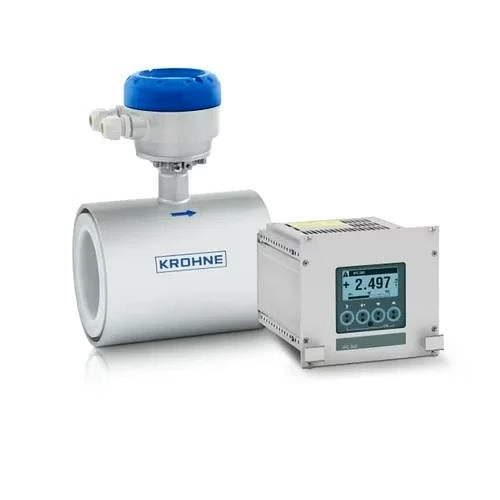
Composition and Manufacturing Logic of the OPTIFLUX 1300
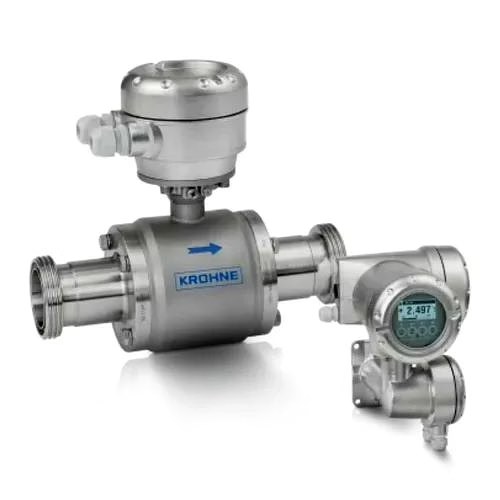
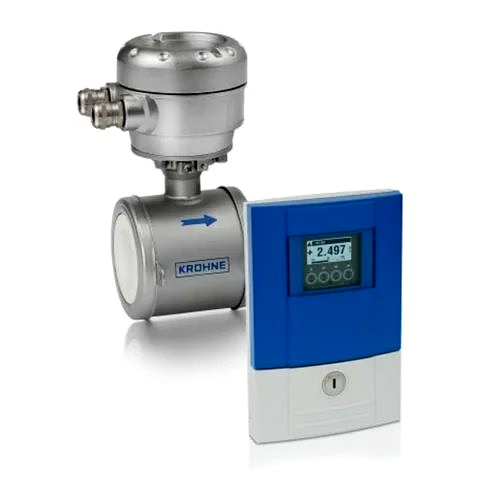
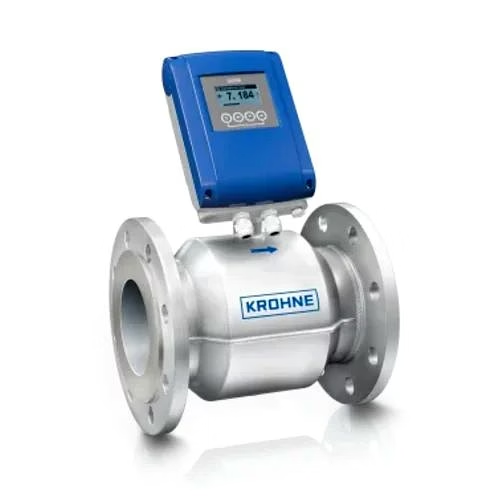
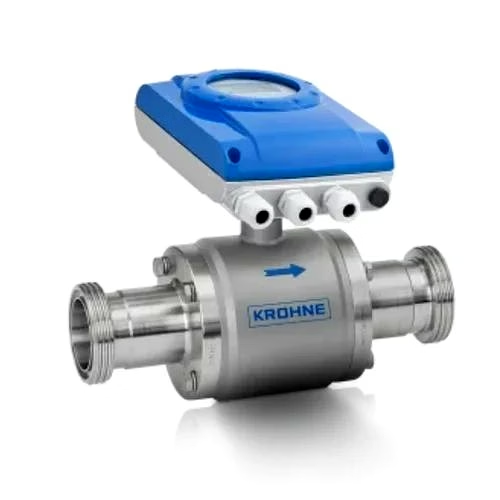
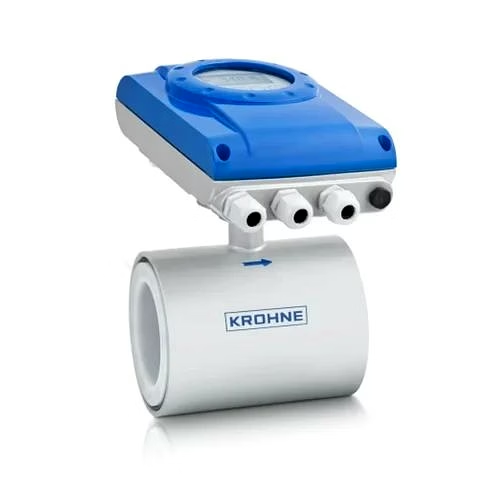
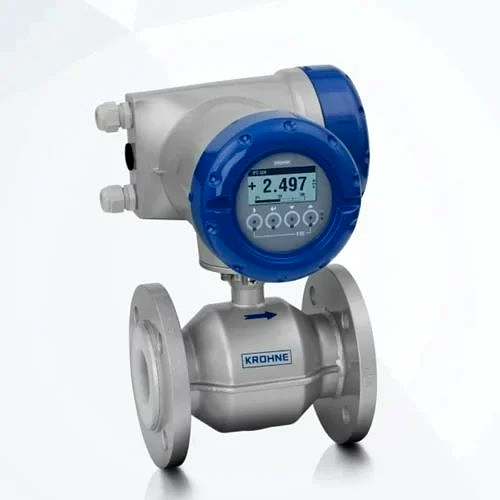
The technical framework of the OPTIFLUX 1300 - Electromagnetic flowmeter utilizes a precision-lined metallic tube where electrode assemblies are placed specifically to minimize flow-profile sensitivity. The structural reasoning for this layout is to achieve measurement stability even in systems with limited upstream straight runs. measurement physics rely on the interaction between the conductive process fluid and the magnetic field generated by external excitation coils. A failure in the coil insulation—due to high-temperature exposure or thermal cycling—leads to "excitation drift," where the magnetic field strength fluctuates, rendering the flow readings erratic and unreliable. Quality consistency is managed through manufacturing checkpoints that include bore concentricity and 100% electronic functional tests. Failure to management electrode alignment—due to vibration during assembly—results in localized signal offsets that decommissioning the accuracy of the meter. The internal layout is designed to isolate the low-voltage signal paths from the high-current coil drivers, preventing cross-talk and ensuring a stable zero-point for critical process control loops.

Functional Performance and Operational Efficiency in Water Systems
Operational efficiency is achieved through the meter’s compact design and near-zero pressure drop, ensuring that localized energy waste in the water distribution network is minimized. Functional performance centers on the unit’s digital filtering logic; a failure in the signal conditioning stage—due to component aging—results in the meter becoming susceptible to electrical noise from nearby variable frequency drives (VFDs). This failure mode leads to "flow spikes" and nuisance process alarms in the SCADA system. To mitigate this, the 1300 utilizes adaptive signal processing that compensates for conductivity variations. The removable electronics module allows technicians to perform firmware updates or hardware swaps in the field, effectively lowering the mean time to repair (MTTR). if the unit detects a significant degradation in electrode impedance—caused by grease or scale buildup—it triggers a maintenance alarm before the measurement drift impacts process quality. By providing a stable and traceable signal, the meter provides the technical transparency required for facility-level energy accounting and regulatory audit compliance.
Institutional Deployment and Logistical Readiness for System Integration
Designed for industrial process control, OEM skid integration, and building services, the OPTIFLUX 1300 is configured for the logistical requirements of multimodal procurement. Units ship in reinforced packaging with corrosion-inhibiting liners to prevent moisture ingress during sea freight. Failure to implement finish-protected packaging results in "terminal pitting" on the gold-plated electrode contacts, which manifests as intermittent signal loss upon site commissioning. For international procurement, supply-readiness is supported through lot-specific test certificates and compliance declarations (ISO/CE). Export-ready documentation include unit configuration snapshots and certificates of origin provided with each consignment to facilitate institutional asset registration. OEM branding and private-label firmware profiles are available, allowing system integrators to deliver branded suites with serialized records. This high-authority approach ensures procurement teams receive verified hardware that meet the performance and safety requirements of global markets, providing the technical security required for large-scale instrumentation rollouts and asset tracking in global distribution channels.
Frequently Asked Questions
- What nominal diameters are available? The 1300 is offered in several compact sizes to align with standard commercial and industrial piping.
- Can the electronics be updated in the field? Yes, the removable electronics module supports firmware updates via localized or digital communication protocols.
- How is the unit protected from transit moisture? Every unit is enclosed in a VCI (Volatile Corrosion Inhibitor) liner and secured in reinforced cartons.
- What diagnostic data is available for remote monitoring? The unit reports electrode status, signal-to-noise ratio, and coil continuity via digital output.
- Which documents support customs clearance? Shipments include serialized calibration certificates, lot inspection reports, and certificates of conformity.
Description provided by Shakti Power Solutions Pvt Limited.
Liquids with conductivity ≥ 1 μS/cm including glucose and fruit concentrates
Reinforced Perfluoroalkoxy alkane (PFA)
DN 2.5 to DN 150 (⅒ to 6 inches)
Flange, weld-end, DIN 11851, DIN 11864, clamp, SMS fittings
HART®, Modbus, FF, Profibus-PA/DP, PROFINET
Limit switches, pulse, frequency, status
Supports CIP and SIP cleaning procedures
Industry specific installation lengths optimized for hygienic applications
OPTICHECK service tool for meter verification without process interruption
Specifications
Model Name/Number
OPTIFLUX 6300
Process Pressure Max
40 barg
Process Temperature
-40°C to +140°C
Liner Material
Perfluoroalkoxy alkane (PFA) reinforced
Meter Size
DN 2.5 to DN 150 (⅒ to 6 inches)
Hygienic Certification
3A, EHEDG
Connection Types
Flange, weld-end, DIN 11851, DIN 11864, clamp, SMS fittings
Outputs
Limit switches, pulse, frequency, status
Communication Options
3 x 4…20 mA, HART®, Modbus, FF, Profibus-PA/DP, PROFINET
Applicable Liquids
Low conductivity liquids ≥ 1 μS/cm e.g. glucose, fruit concentrates
Cleaning Procedures
Supports CIP and SIP
Installation
Crevice-free design with no blind spots or gaps
Diagnostic Tool
OPTICHECK for on-site verification