Probe Construction and Traceability Logic of the Levelflex FMP54
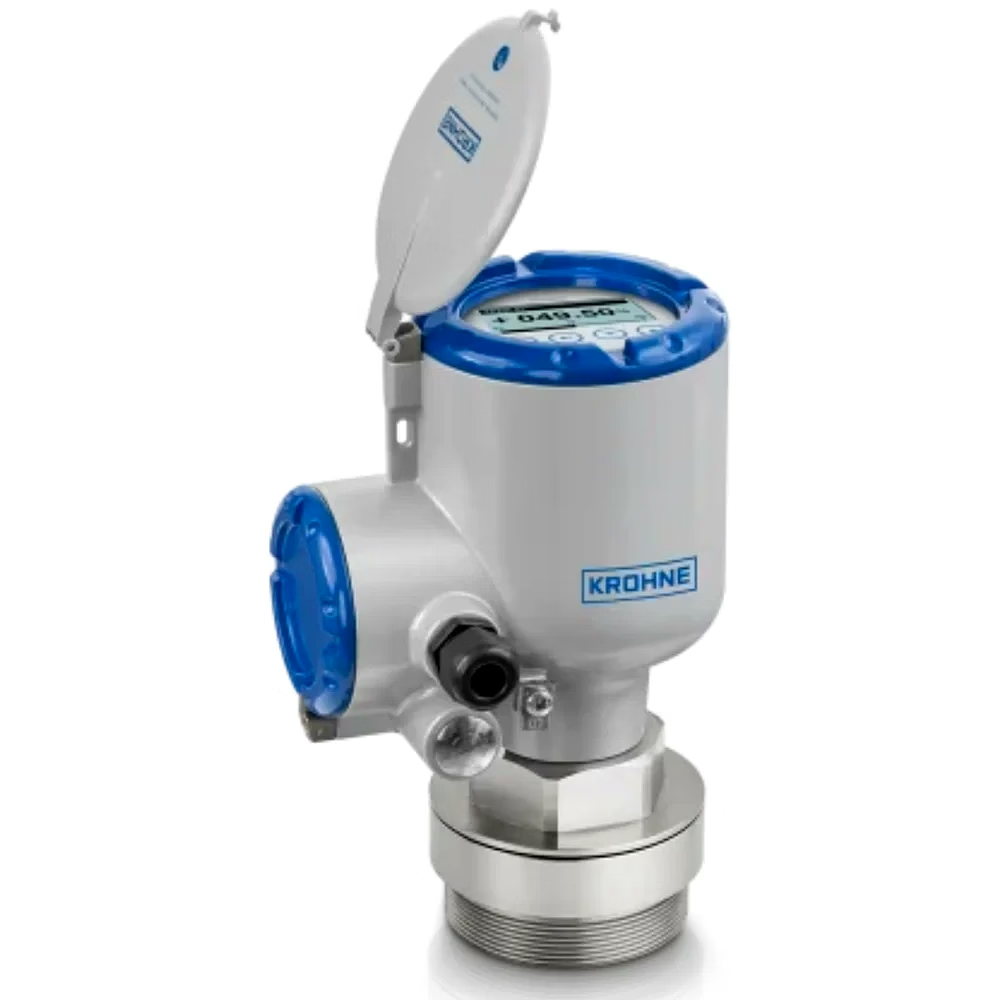
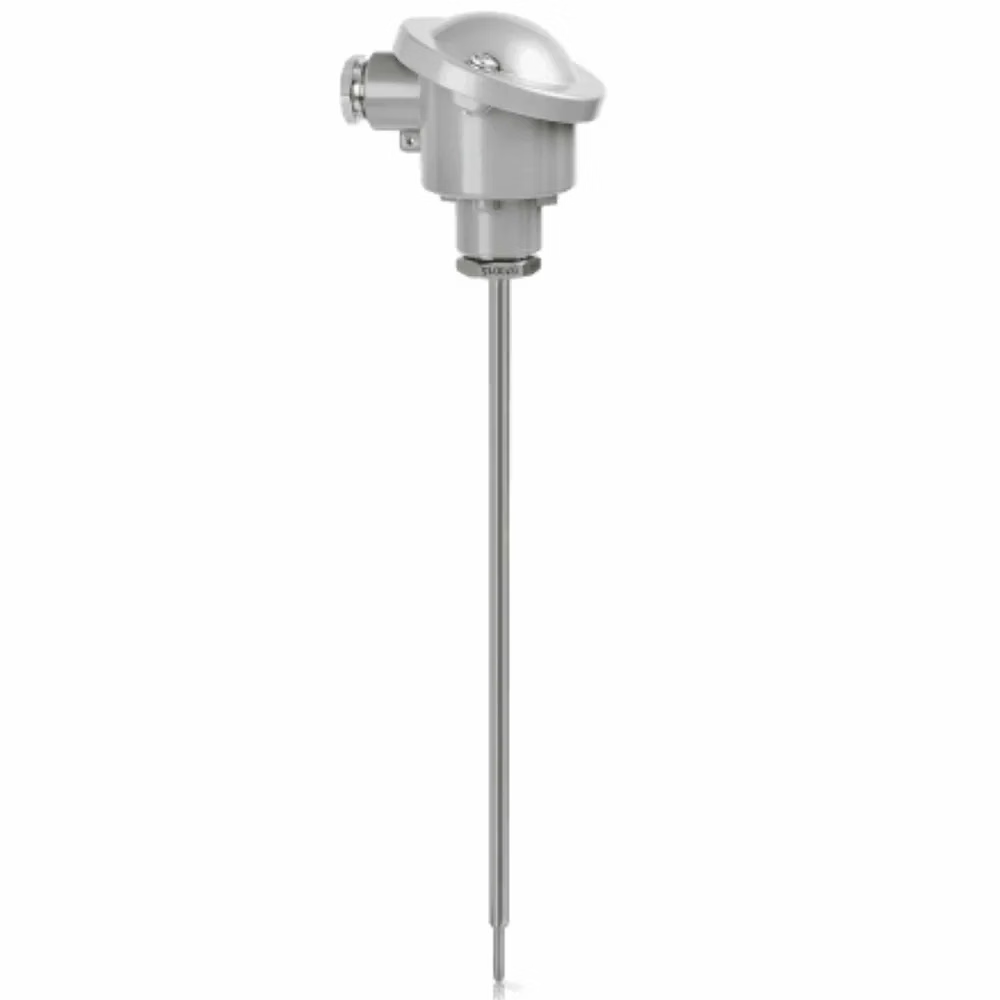
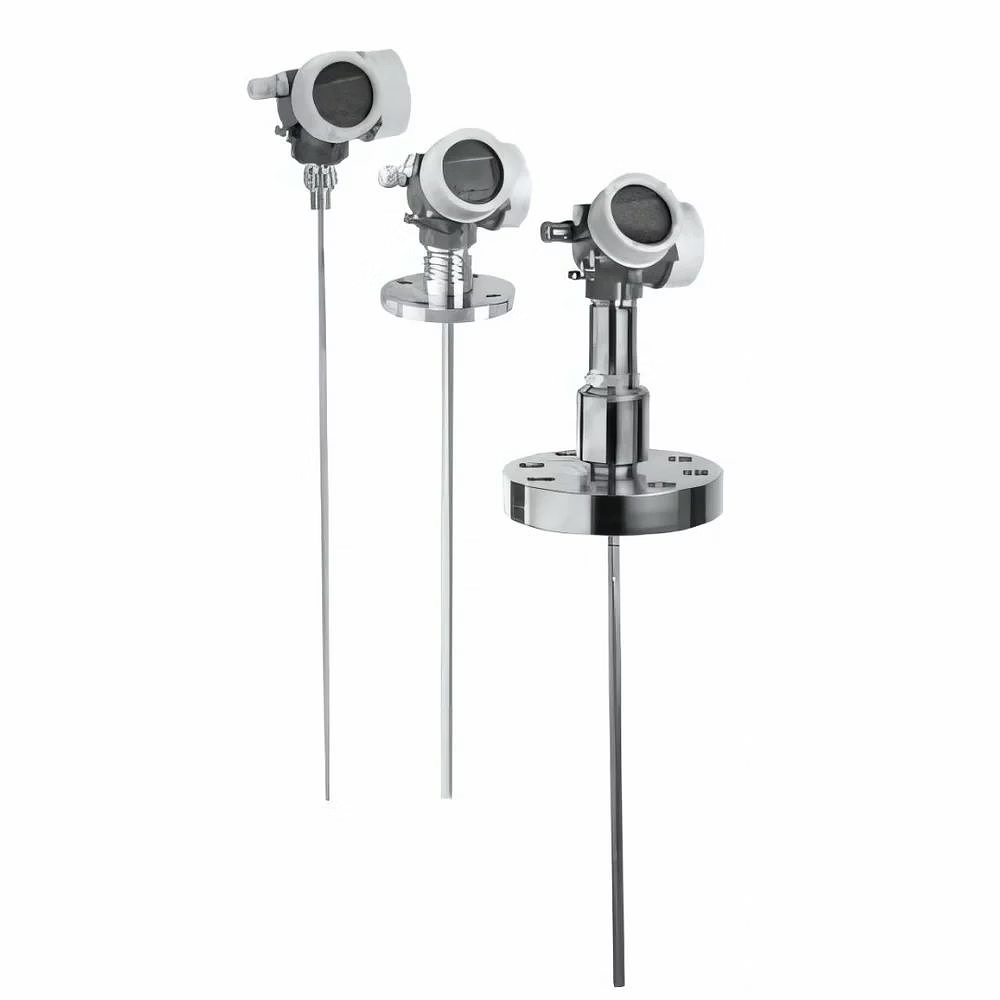
The technical framework of the Stainless Steel Endress+hauser Levelflex Fmp54 utilizes Time-Domain Reflectometry (TDR) where nanosecond electromagnetic pulses are channeled along a solid rod or cable probe. The structural reasoning for the stainless steel construction is to provide a "dielectric wave-guide" that remains immune to the signal scattering that decommissions unguided radar in narrow or obstructed vessels. measurement physics rely on the pulse reflection at the material interface; a failure in the probe's electrical insulation—due to localized chemical etching or high-temperature seal breach—leads to "impedance mismatch," manifesting as erratic level spikes and a total loss of Span accuracy. Quality consistency is managed through serialized factory acceptance tests documenting pulse velocity and isolation resistance. The internal layout utilize high-grade hermetic seals to protect the transceiver electronics from "capillary ingress" of process vapors. failure to management these seals during installation—due to incorrect flange torque—leads to moisture migration into the RF compartment, effectively decommissioning the measurement loop and potentially triggering an electronics failure.

Functional Performance and Operational Stability in Aggressive Media
Operational efficiency is achieved through the transmitter’s ability to provide simultaneous measurement of total level and interface level (e.g., water under oil), an essential operational standard for separation processes. Functional performance centers on the unit’s signal processing logic; the FMP54 utilizes "echo-mapping" algorithms that mask static reflections from internal tank supports or cooling coils. In a real operational scenario, a failure to manage "probe buildup"—especially in viscous or crystallizing liquids—results in signal attenuation. To mitigate this, the FMP54 utilize adaptive gain control to track the active surface reflection. If the unit detects an internal logic fault, it triggers a diagnostic alarm via the digital interface, allowing B2B facility managers to implement event-driven maintenance. thermal management is critical for the sensor head; the unit features a thermally-decoupled flange to protect the signal converters from hot process vessels. By providing a stable non-contact signal, the transmitter improves the overall reliability of the storage node, reducing the need for manual site interventions and hazardous sounding.
Institutional Deployment and Logistical Readiness for OEM Logistics
Designed for chemical storage, water treatment, and healthcare-grade fluid systems, the Levelflex FMP54 is configured for the logistical requirements of multimodal procurement. Units are packed in reinforced wooden crates with internal rigid bracing to protect the long probes from bending or kinking during transport. Failure to implement probe-stabilized packaging can lead to "coaxial misalignment," which manifests as a significant loss of signal accuracy upon site commissioning. For international procurement, supply-readiness is supported by lot-specific test certificates and material declarations provided with each consignment (ISO 10204 3.1). Export-ready documentation include unit configuration snapshots and certificates of conformity to facilitate customs review and institutional asset registration. Packaging utilize moisture-barrier wrapping and desiccants to prevent finish degradation during maritime logistics. OEM customisation through specialized flange patterns and private-label marking are supported for system builders requiring branded measurement skids. This high-authority approach ensures procurement teams receive verified hardware that meet the performance and safety requirements of global manufacturing markets.
Frequently Asked Questions
- Is the FMP54 suitable for interface measurement? Yes; the TDR logic is specifically designed to track both the upper product level and the interface of a second liquid with a different dielectric.
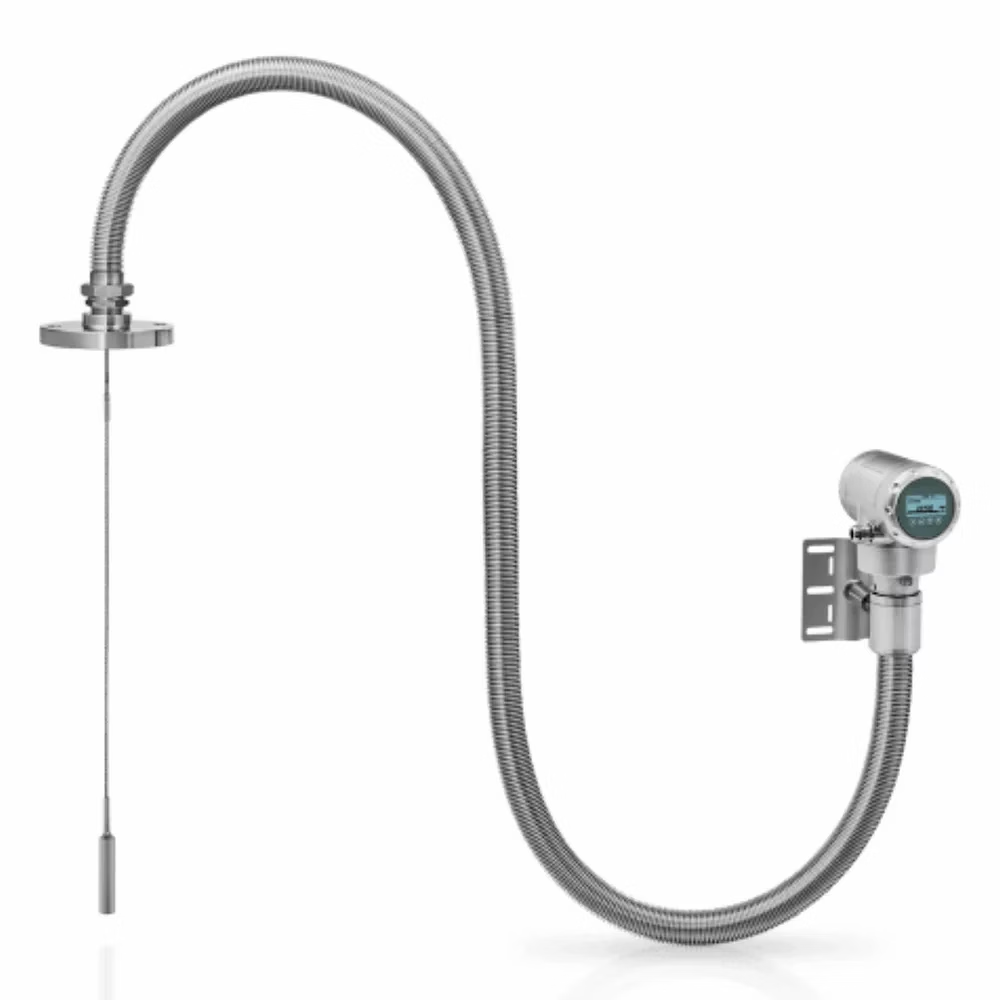
- What probe options are available? Selection include rigid rod, flexible cable, and coax probes to match vessel geometry and agitation levels.
- How is moisture risk managed in the head? The housing is IP66/68 rated with separate terminal and electronics compartments to prevent ingress during field wiring.
- What documentation accompanies shipments? Consignments include factory calibration certificates, material trace records (MTR), and functional test logs.
- Can it handle high pressures? Yes, the FMP54 is rated for pressurized vessels; verify specific flange ratings in the technical dossier.
Description provided by Shakti Power Solutions Pvt Limited.
Guided Wave Radar Level Measurement
Stainless Steel Construction
PN10, PN16, PN25, Class 150
API 609 Cat A, EN 593 (BS 5155), MSS SP 67
Integral elastomer seat with tight sealing
Corrosion-resistant stainless steel body
Integral actuator mounting platform
Fit-and-forget with no routine maintenance required
Specifications
Size Range
2" to 36" (50 mm to 900 mm)
Pressure Ratings
PN10, PN16, PN25, Class 150
Design Standards
API 609 Cat A, EN 593 (BS 5155), MSS SP 67
Body Materials
Cast Iron, SG Iron, Carbon Steel, SS 304/ CF8, SS 316/ CF8M
Elastomer Options
Black/ White Nitrile, EPDM, Viton, Hypalon, Silicon
End Connections
Wafer, Lugged, Flanged
Special Features
Long Neck, Extended Stem versions available
Pressure Classes
Varies from PN10 to Class 150
Actuation
Versatile options with integral actuator mounting platform
Flow Resistance
Low resistance due to contoured disc design