Tuning, Extension Mechanics and Damping-Based Detection of the 3300 Switch
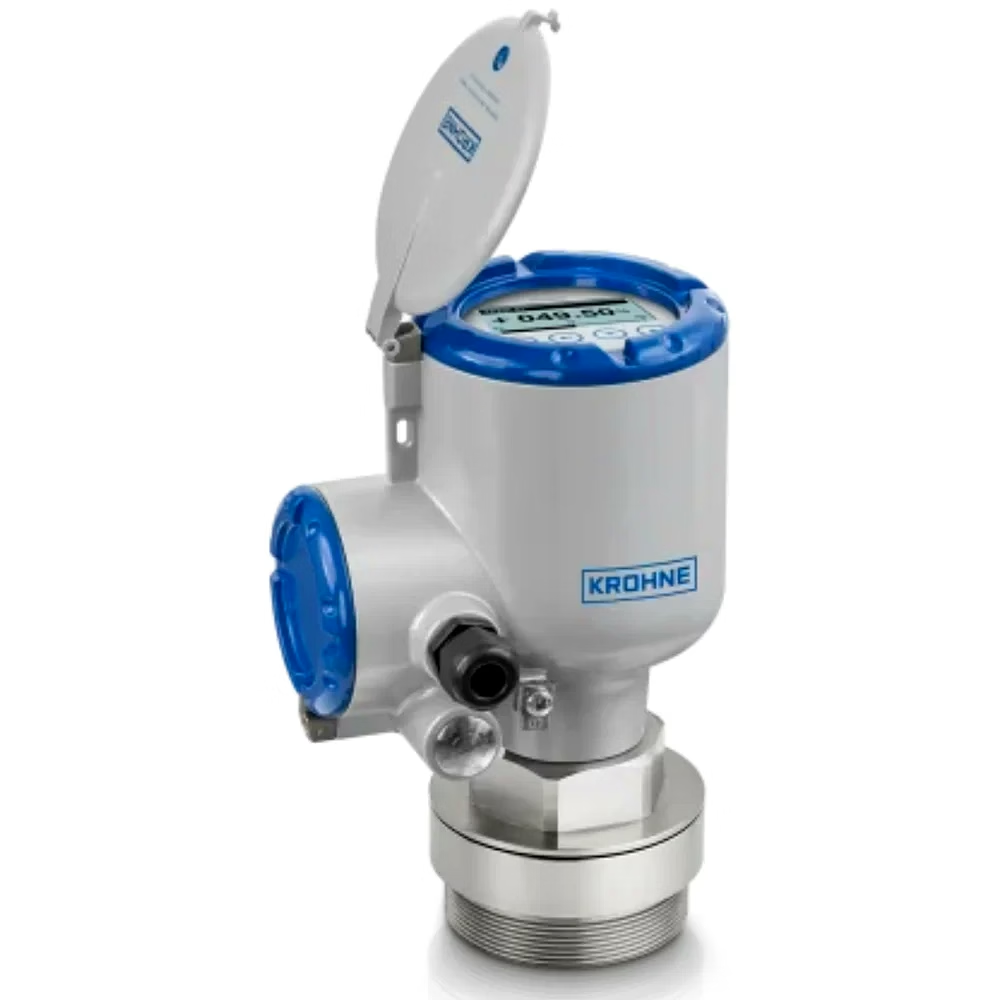
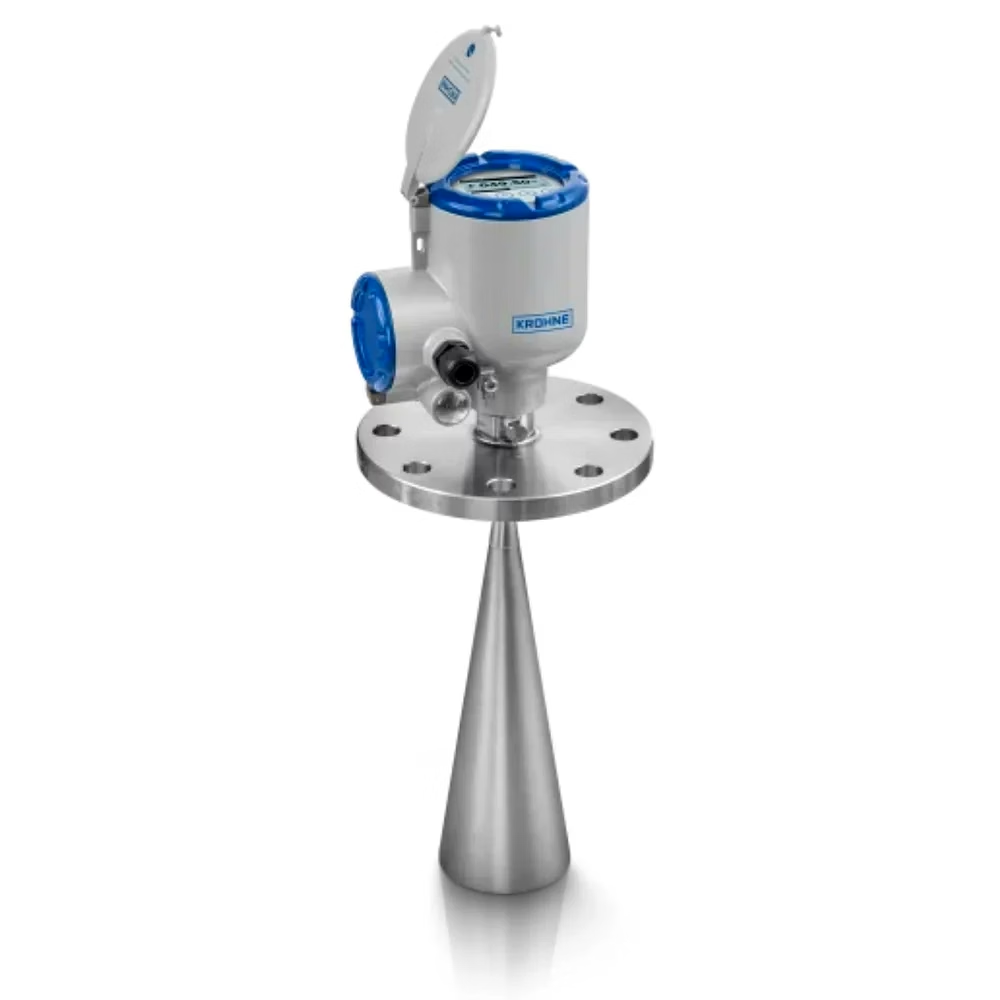
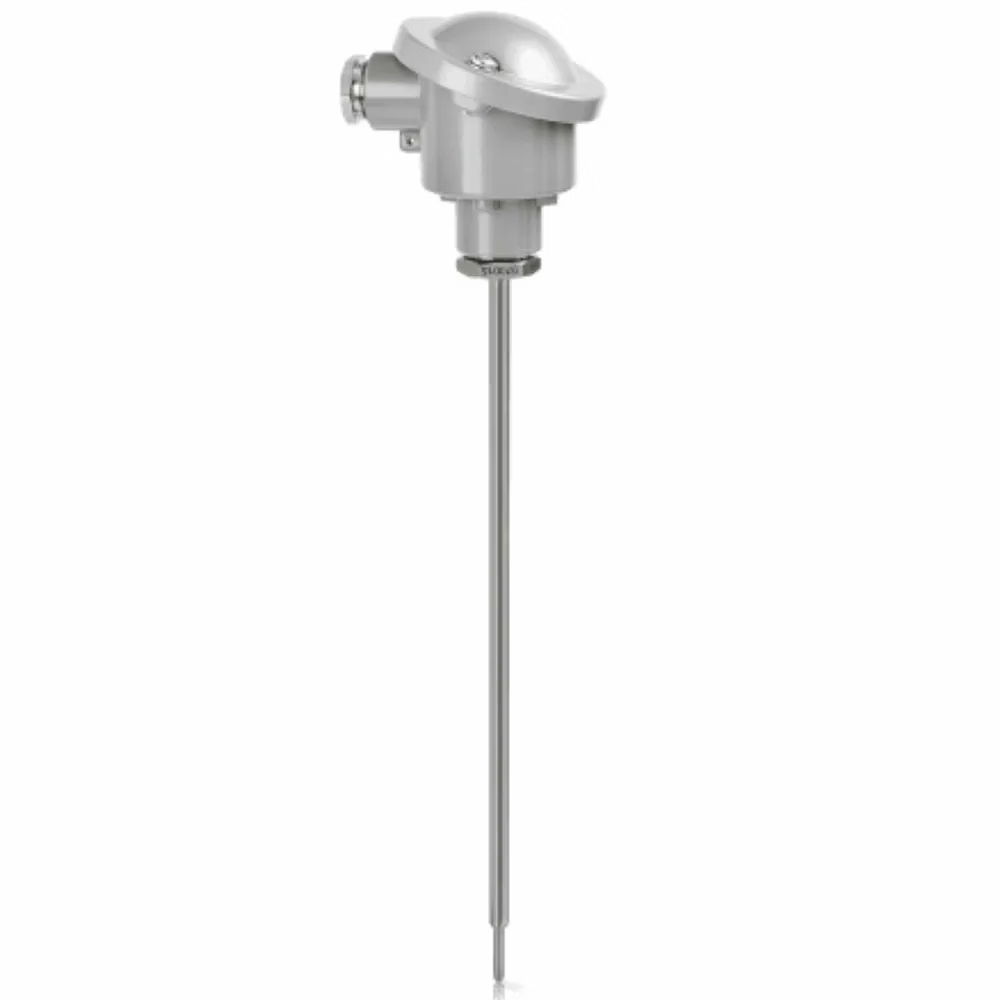
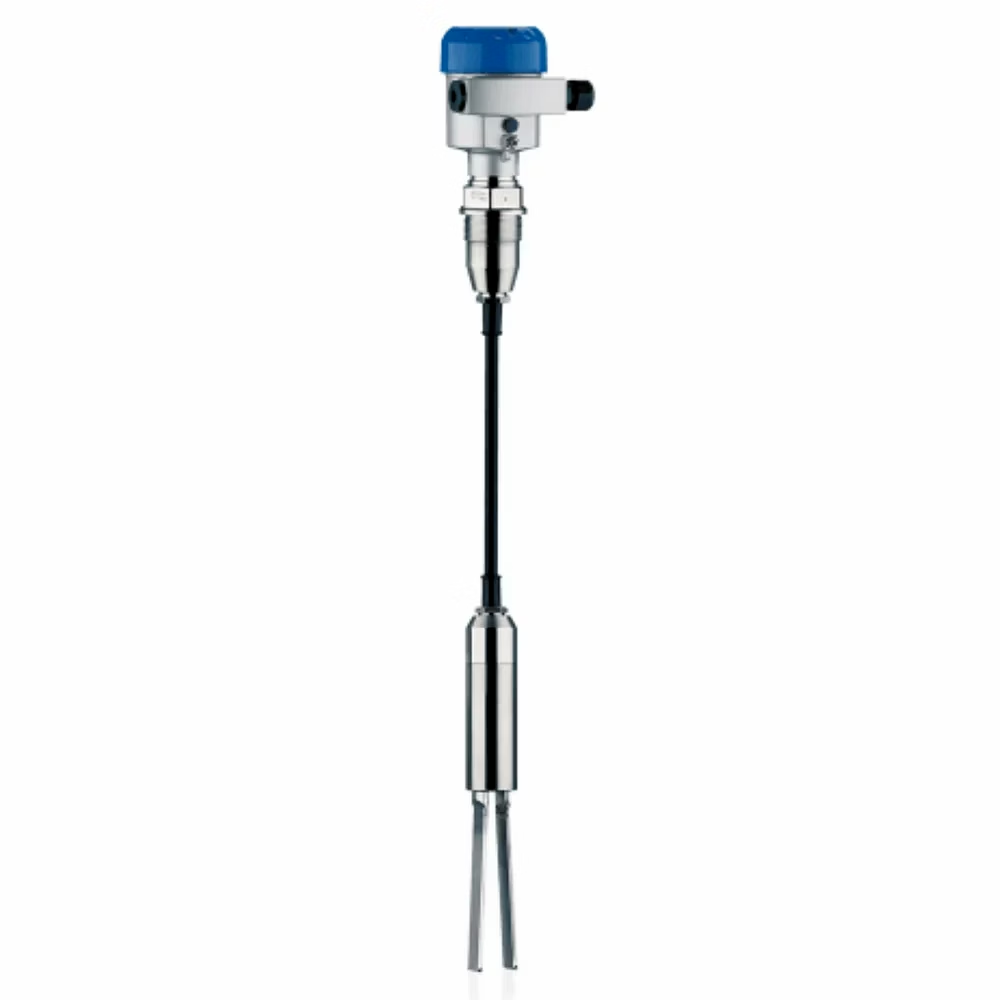
The 3300 Vibration level switch operates a mechanically resonant probe at its natural frequency (typically several hundred Hz) and monitors amplitude changes to detect material contact. The rigid extension maintains probe stiffness to preserve the resonant frequency over its length; length and mass distribution are controlled during manufacturing to ensure repeatable behavior. Electronic drive and signal-conditioning circuits separate true damping events from external vibration or transient loads. A failure in the structural integrity of the extension rod—due to improper mounting or excessive material side-loads—results in "modal shift," where the probe no longer vibrates at its calibrated frequency. This failure mode manifests as a "loss of signal" or a permanent alarm state, effectively decommissioning the solids-handling control loop. Quality consistency is managed through serialized resonance frequency checks, providing B2B buyers with a verifiable baseline of the sensor's mechanical health before site commissioning. The internal piezo-elements are high-temperature rated to ensure the resonant energy remains stable across the facility's operating envelope.
Functional Performance and Reliability Dynamics in Abrasive Solids
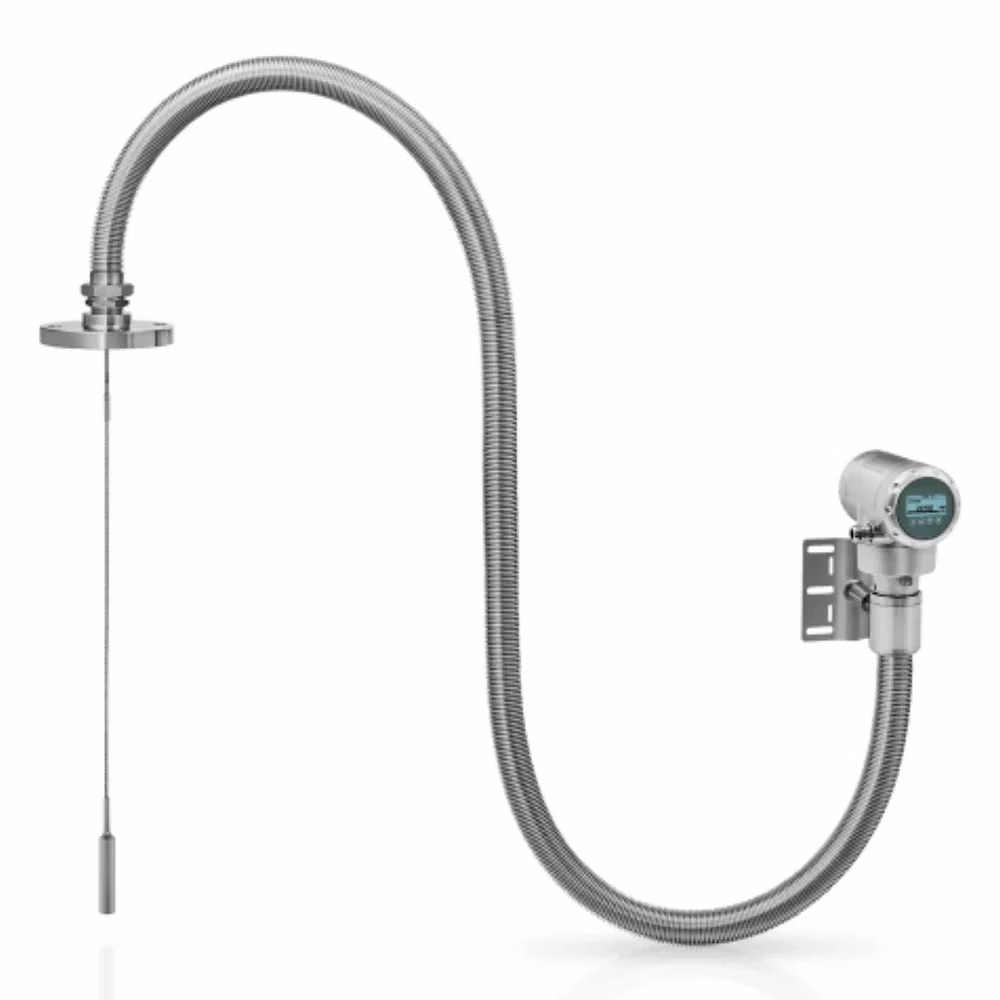
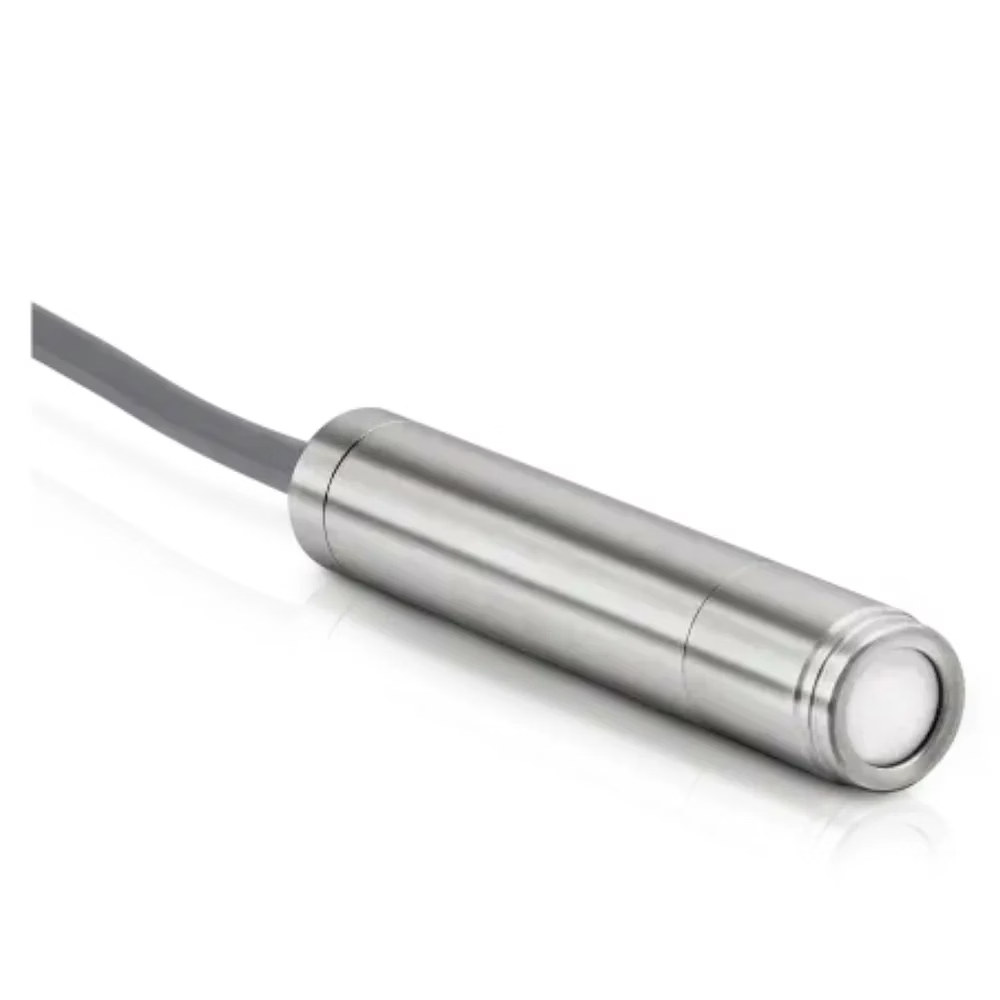
Switch reliability depends on correct probe tuning and installation. Long rigid extensions require consideration of modal bending and mounting stiffness to avoid frequency shift; factory-specified maximum extension lengths ensure the probe remains within its designed resonant envelope. Operational efficiency is enhanced by the switch’s ability to ignore dust clouds and material buildup—a critical operational standard for cement and grain silos where ultrasonic sensors often fail. If the probe tip becomes excessively worn due to abrasive media, the resonant mass changes, leading to sensitivity drift. In a real operational scenario, a failure to inspect the probe tip leads to "phantom triggers" or failure to alarm during overfill events, potentially causing structural damage to the hopper. The device architecture includes adjustable signal damping to prevent false trips from falling material or pneumatic filling pulses. By providing a deterministic level signal, the switch enables high-fidelity inventory management and overfill protection, effectively reducing the risk of environmental contamination and production downtime. Thermal management of the electronics is achieved via a thermally-decoupled housing, protecting the control logic from hot vessel walls.
Institutional Deployment and Logistical Readiness for Bulk Material Handling
Applicable to solids handling in hoppers, bins and silos, the 3300 integrates into material-handling control systems and OEM feeding equipment. Supply-readiness is supported through serialized damping-response reports and factory inspection certificates. For international procurement, export-ready documentation includes mounting templates, wiring diagrams, and compliance declarations documenting mechanical safety. Packaging for consolidated shipments utilize custom foam cradles and segmented protective tubing to prevent rod bending and tip damage during multimodal transit. Failure to use rigid packaging results in "rod racking," which introduces mechanical stress into the piezo-mounts, leading to premature failure weeks after installation. Packaging also includes moisture-barrier film to prevent the oxidation of the stainless steel probe during maritime transport. OEM customization options, such as specialized flange patterns and pre-set sensitivity levels, are available to align the switch with standardized equipment builds. This high-authority approach ensures that procurement teams receive verified, site-ready hardware that meet the rigorous technical and safety performance standards of global bulk-solid markets.
Frequently Asked Questions
- How is probe length selected without losing sensitivity? Manufacturer guidelines specify maximum lengths based on diameter to maintain resonant behavior.
- Are false trips from vibration common? No; adjustable filtering and high-frequency resonance allow the switch to discriminate between noise and contact.
- What packaging protects long extensions during shipping? Custom foam cradles and rigid protective tubing prevent bending and tip damage.
- Is maintenance required? Periodic visual inspection of the probe tip for abrasion and buildup is recommended to maintain calibration.
- What documentation is provided? Per-unit resonance frequency and damping-response logs are issued per shipment.
Description provided by shakti power solutions pvt limited.