Probe and Signal Strategy for Solids Measurement in the OPTIFLEX 6200
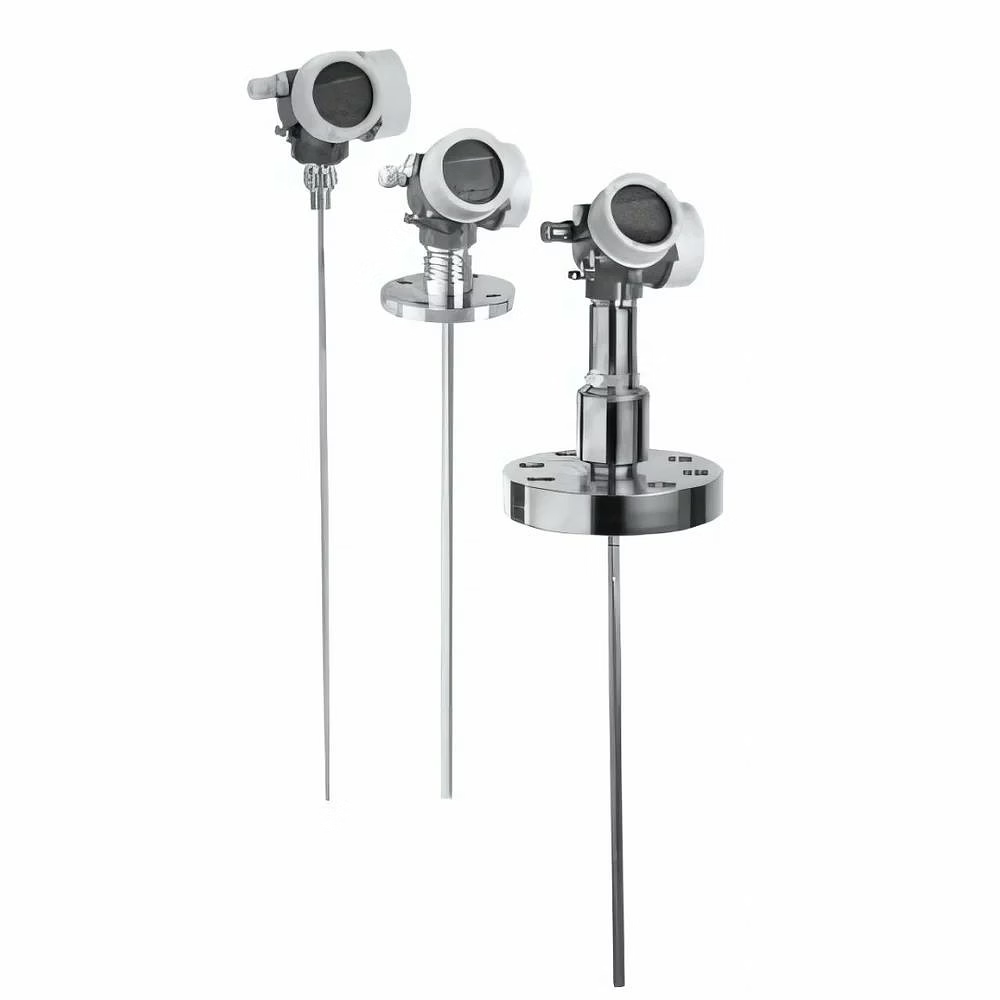
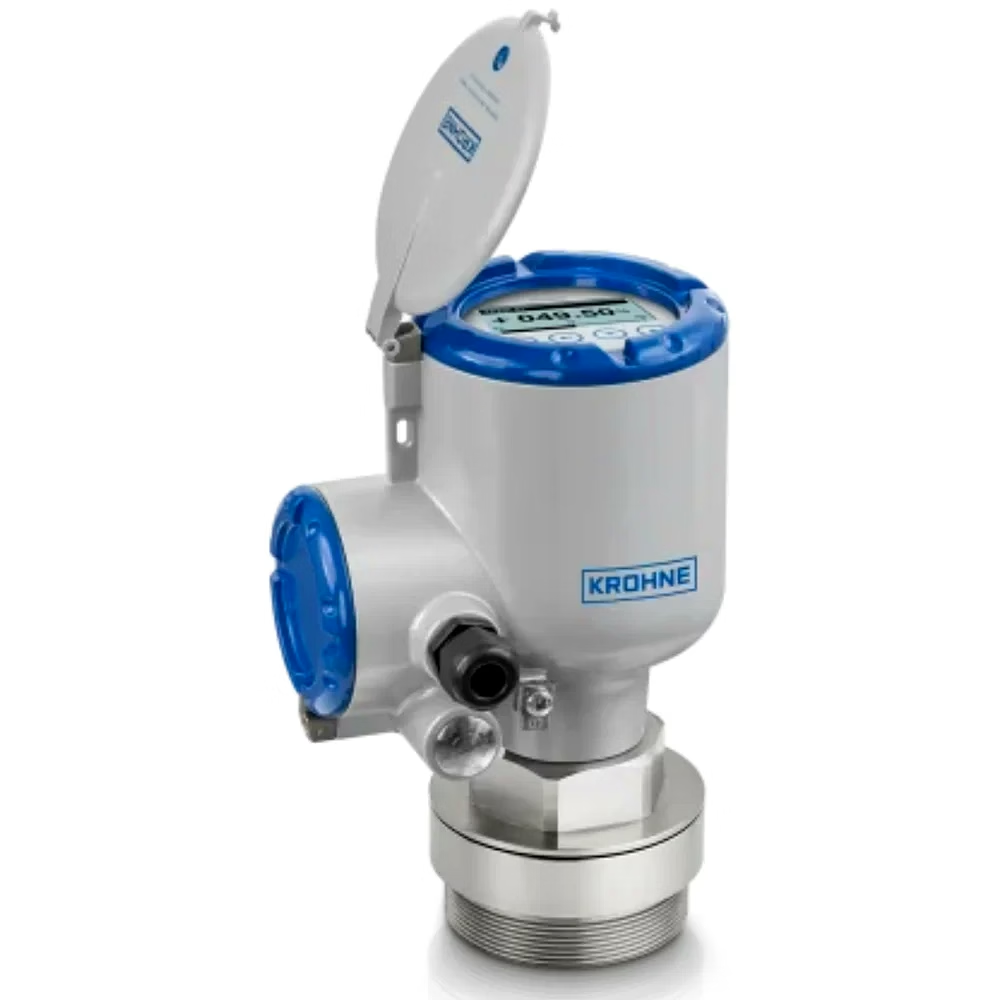
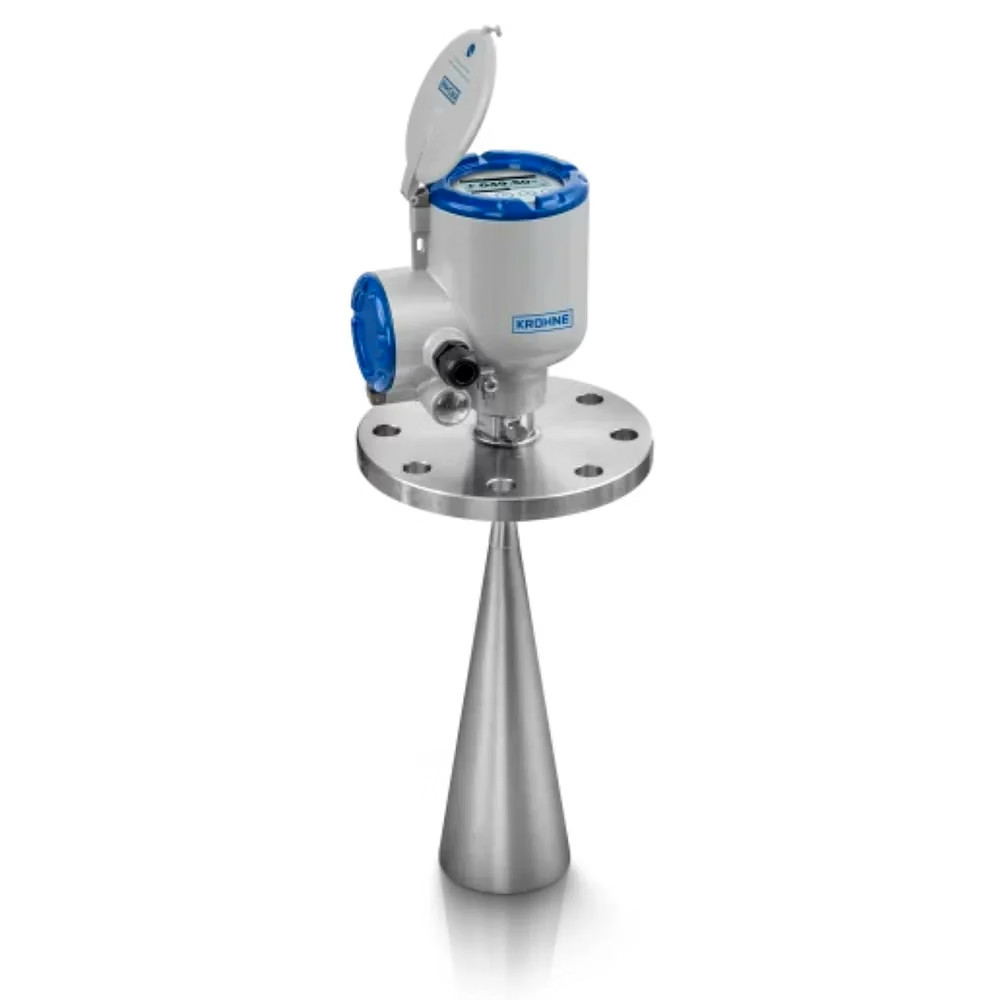
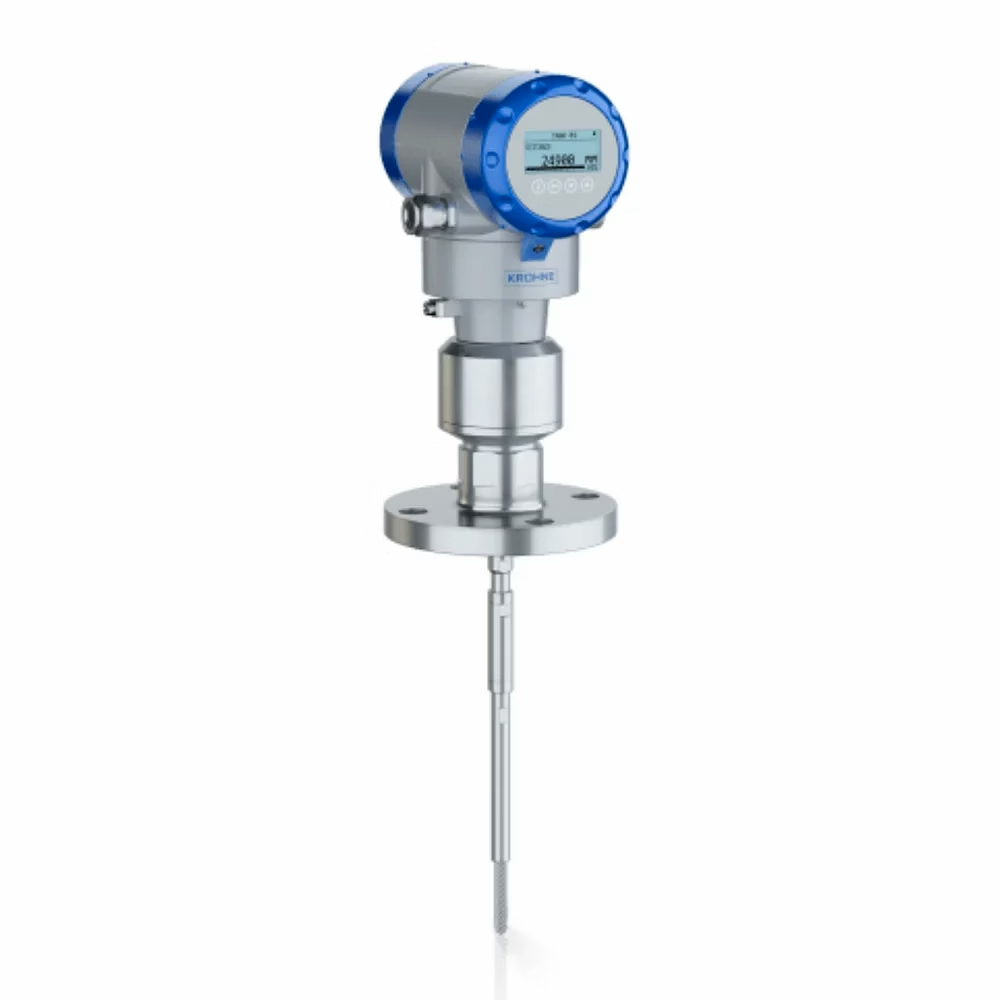
The technical framework of the OPTIFLEX 6200 Guided Radar Level Transmitter utilizes a Time-Domain Reflectometry (TDR) core designed to detect the surface of bulk solid media through a guided-wave probe. The structural reasoning for the guided approach in solids is to overcome the "low reflectivity" of materials like flour or plastic pellets—a failure to guide the pulse results in the energy being absorbed by the dust cloud, leading to "echo loss" and unmonitored silo filling. measurement physics rely on the change in impedance at the material interface; a failure in the probe anchor—due to the massive tensile forces of moving solids—results in "probe snapping," which manifests as a total loss of measurement and potential damage to downstream conveyor equipment. Quality consistency is managed through per-unit echo-profile reports that document the unit's signal-to-noise ratio under representative solids loading. The internal RF front-end utilizes gain-shaping and time-gating to extract the primary reflection from the background noise. This structural integrity is critical for preventing "false high" alarms caused by material bridging or dust buildup on the vessel ceiling.
Functional Performance and Operational Stability in Abrasive Solids
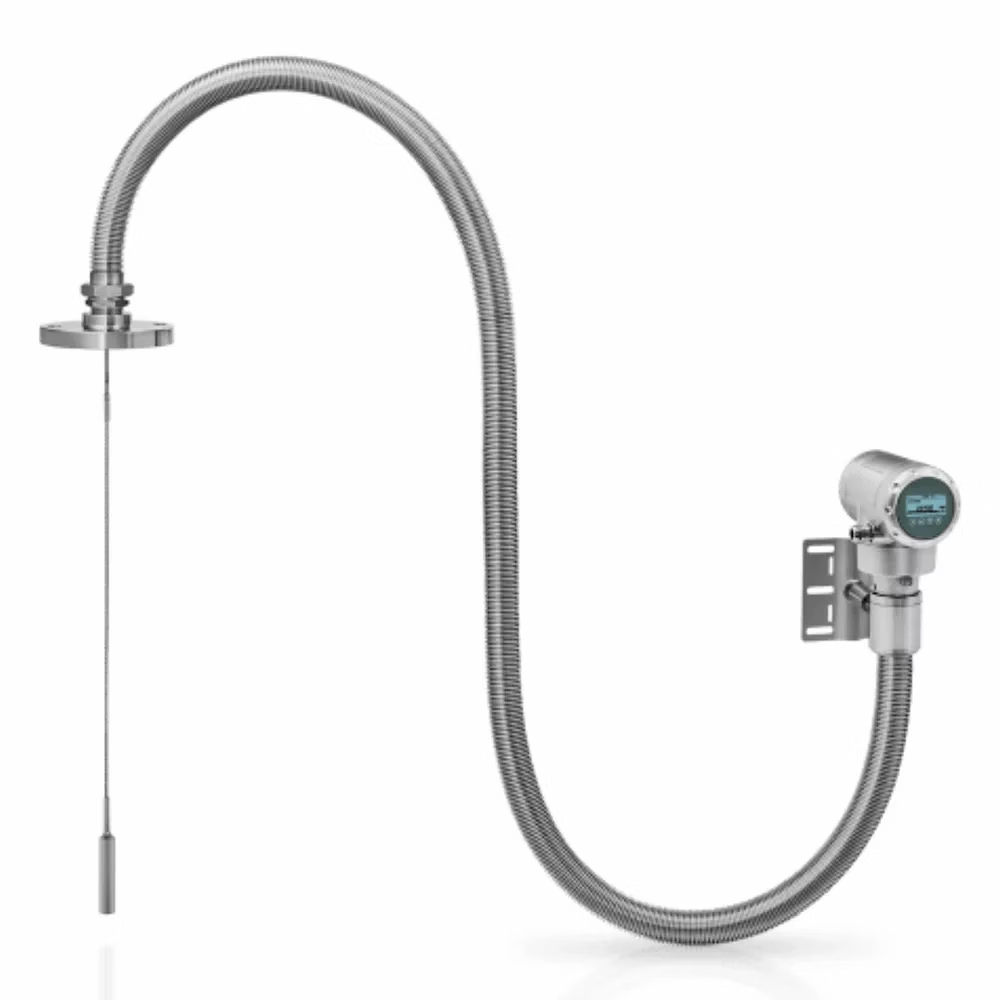
Operational efficiency is achieved through the device’s ability to provide reproducible level data in silos with internal bracing or non-vertical geometry where standard radar beams would fail. Functional performance centers on the unit’s resistance to the "drag forces" generated by solid material during silo emptying; the OPTIFLEX 6200 utilizes high-tensile stainless steel cable probes and heavy-duty ceiling mounts to resist these forces. In real operational scenarios, a failure to manage "static buildup"—common in dry powder transport—leads to electrical arcing inside the electronics housing, decommissioning the transmitter. The unit includes integrated static-mitigation circuits that shunt this energy to ground. If the transmitter detects a loss of signal strength—indicating significant probe wear or buildup—it triggers a diagnostic alarm via its digital interface, allowing for event-driven replacement. The modular probe kits allow B2B facility managers to replace a worn cable without removing the transmitter electronics, effectively lowering the mean time to repair (MTTR). By providing a stable and monitored signal, the radar improves the facility's inventory accuracy, reducing the need for hazardous manual tank sounding.
Institutional Deployment and Logistical Readiness for Bulk Solids Units
Designed for integration into silos, bunkers and processing hoppers, the OPTIFLEX 6200 is configured for the logistical requirements of multimodal procurement. Units ship with probes secured in protective sleeves and reinforced internal bracing to prevent mechanical damage to the cable geometry during transport. Failure to implement rod or cable protection results in "kinking," which creates false impedance points and renders the unit uncalibrated upon site arrival. For international procurement, supply-readiness is supported by lot-specific test certificates and compliance declarations (ATEX/IECEx). Export-ready documentation includes unit configuration snapshots and installation checklists provided with each shipment to facilitate customs review and institutional asset registration. Packaging utilizes moisture-barrier wrapping and desiccant to prevent internal component corrosion during sea freight. OEM branding and private-label firmware options are available for system builders delivering branded instrumentation for the cement or mineral sectors. This high-authority approach ensures the procurement team receives verified, site-ready hardware that meet the performance and safety requirements of global manufacturing markets, providing the transparency required for large-scale asset management.
Frequently Asked Questions
- How is abrasion handled in the probe design? The unit utilizes PTFE-coated or hardened stainless steel probes with heavy-duty anchors to withstand moving bulk solids.
- Can static charge affect the measurement? Integrated static-mitigation circuitry and grounding filters reduce the electrical noise common in powder applications.
- What diagnostics are provided? The transmitter reports signal strength, noise floor levels, and echo-profile spectrum for remote commissioning.
- How is the unit protected during shipping? Probes are shipped in protective sleeves with internal bracing and shock indicators to prevent transit damage.
- What documentation is included per lot? Deliveries include per-unit echo logs, factory test reports, and commissioning guides.
Description provided by Shakti Power Solutions Pvt Limited.
High precision continuous level measurement
Unaffected by dust, vapor, or changing dielectric
Easy mounting in silos and containers
Designed for harsh industrial environments
Analog and digital communication options
Low maintenance with no moving parts
Bulk solids storage, cement, food, chemical industries
Standard industrial power options
Specifications
Measurement Principle
Time Domain Reflectometry (TDR)
Measuring Range
Up to several meters depending on installation
Materials Measured
Dry solids, including granulates and powders
Process Connection
Flanges or threaded connection options
Operating Temperature
-40°C to +80°C (typical)
Process Pressure
Up to 10 bar (depending on model)
Output Signals
4-20mA, HART, Profibus available
Power Supply
24 V DC or 230 V AC options
Material Wetted Parts
Stainless steel or PTFE coated probes
Enclosure Rating
IP67 or higher for dust and water protection