Transducer Architecture and Acoustic Logic of the OPTISOUND 3020
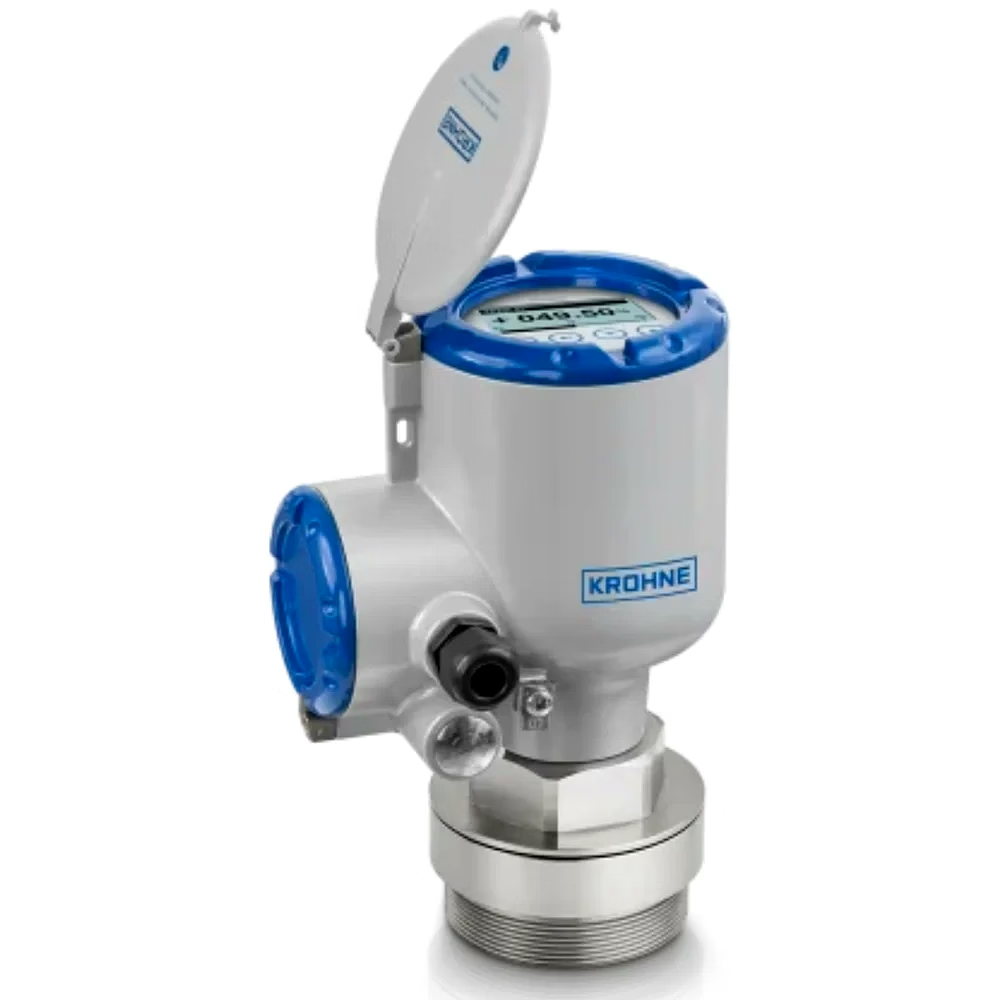
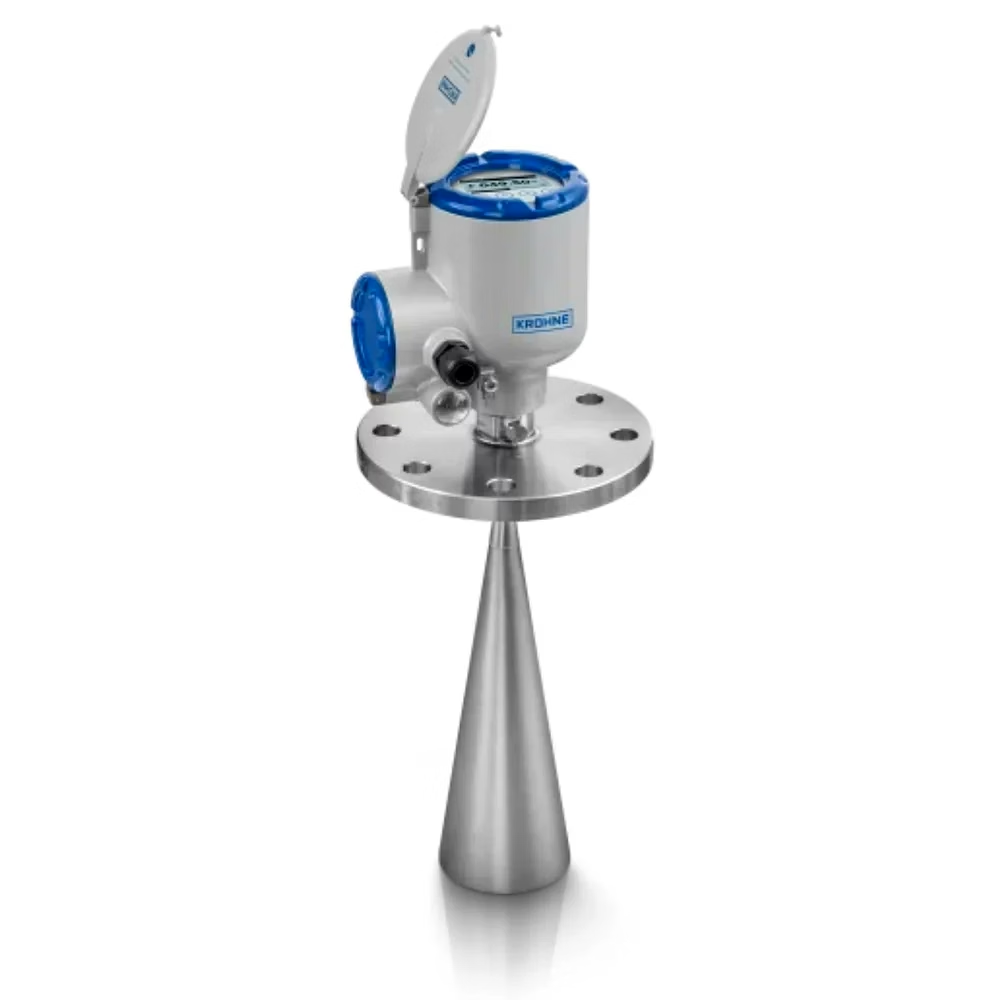
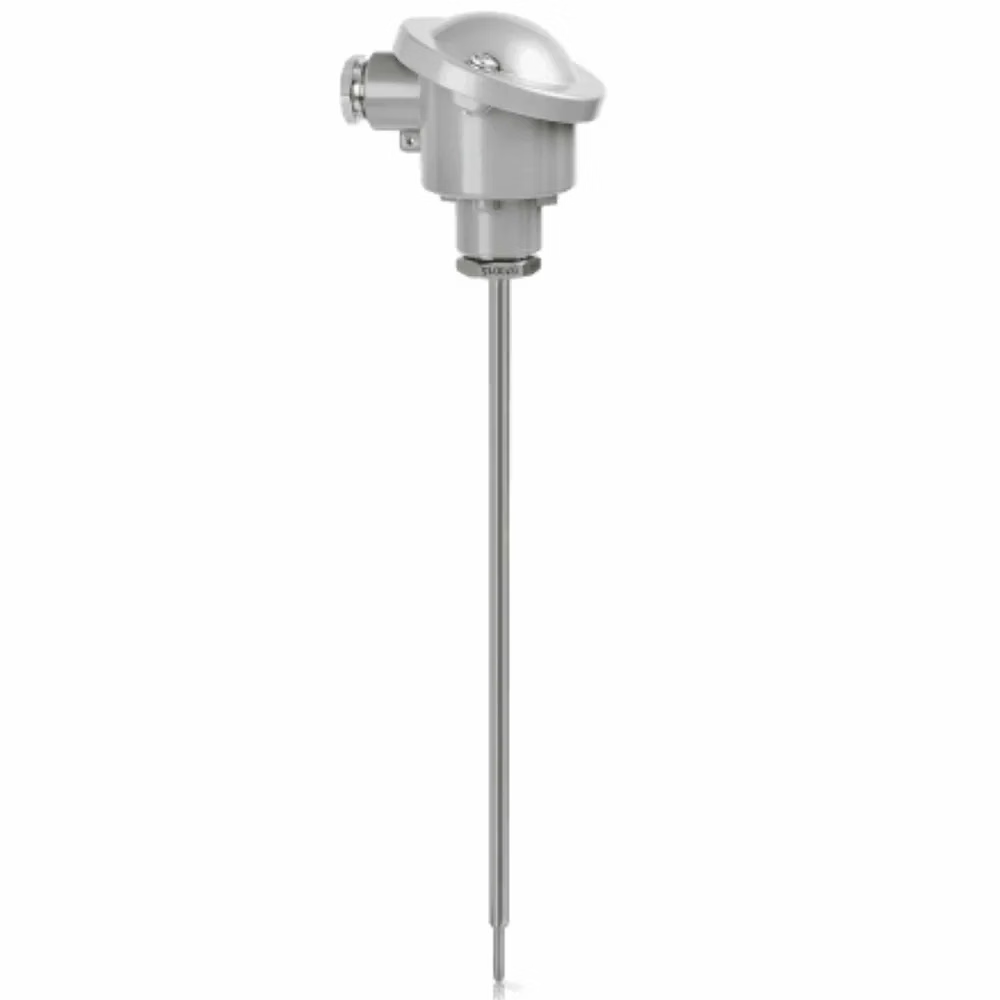
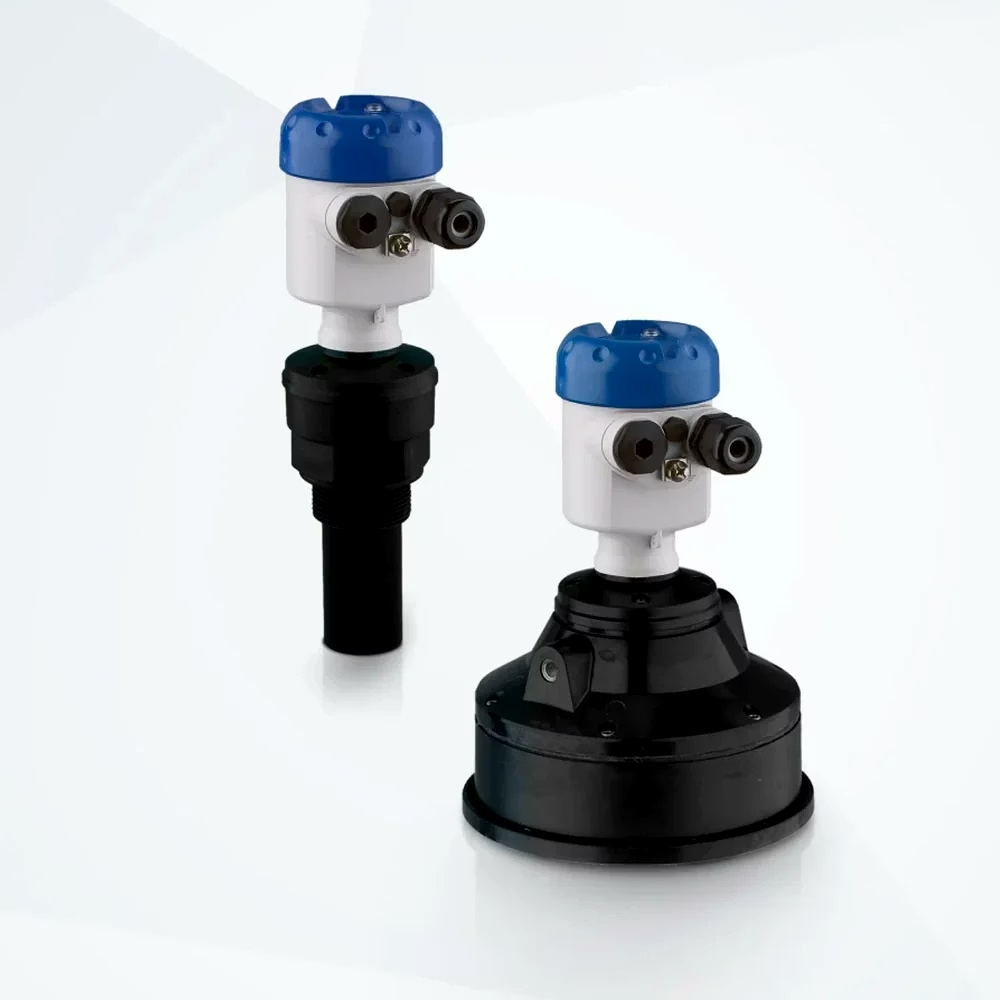
The technical framework of the OPTISOUND 3020 Ultrasonic Level Transmitter utilizes a high-efficiency piezoelectric element that serves as both a transmitter and receiver. The structural reasoning for the non-contact design is to provide a "zero-wear" measurement point for applications where chemical coating or particulate buildup would decommissioning mechanical sensors. measurement physics rely on the speed of sound through the headspace; a failure in the temperature compensation logic—due to internal sensor drift—leads to "range errors," where the transmitter reports inaccurate levels as ambient air temperatures fluctuate. Quality consistency is managed through serialized factory wet calibration capturing echo profiles under representative conditions. The mechanical layout features a separate electronics compartment with IP-rated connectors to prevent moisture ingress. failure to manage the "beam angle"—due to incorrect mounting proximity to the tank wall—results in false-echo locking, decommissioning the accuracy of the inventory totals. The unit utilizes "adaptive damping" to stabilize readings in moving or aerated fluids, an essential operational standard for municipal effluent channels.
Functional Performance and Operational Efficiency in Water Storage
Operational efficiency is achieved through the unit’s ability to provide high-resolution level data without requiring power-intensive probe heating or cleaning cycles. functional performance centers on the unit’s support for output scaling; facility managers can pre-set the 4-20mA span to match specific vessel depths. In a real operational scenario, a failure in the signal conditioning stage—due to localized electrical noise—leads to "reading jitter," where the control system triggers unnecessary pump alarms. The 3020 utilizes integrated RC filtering to suppress these disturbances. if the unit detects a total loss of echo—due to extreme foam density—it triggers a "fail-safe" output current, allowing B2B facility managers to implement manual process overrides. maintenance procedures are simplified by the unit's tool-free calibration interface, effectively lowering the mean time to repair (MTTR). By providing a clean and deterministic signal, the transmitter improves the situational awareness of the facility management team, ensuring that overfill and dry-run thresholds are accurately tracked for pump protection and environmental compliance.
Institutional Deployment and Logistical Readiness for Site Integration
Designed for open tanks, sumps, and process reservoirs, the OPTISOUND 3020 is configured for the logistical requirements of project-scale procurement. Units are packed in foam-molded inserts to protect the sensitive piezoelectric crystal from mechanical shock during road and sea transport. Failure to implement shock-mitigating packaging results in "crystal fracturing," manifesting as reduced signal gain or total sensor failure upon site commissioning. For international procurement, supply-readiness is supported throughserialized calibration records and compliance declarations (ISO/CE). Export-ready documentation include unit-level wiring diagrams and installation templates provided with each shipment to facilitate institutional asset registration. Packaging utilize vapor-barrier covers to prevent oxidation of the terminal contacts during maritime freight. OEM branding and custom firmware configurations are available under contract, allowing for branded measurement suites with serialized records. This high-authority approach ensures procurement teams receive verified hardware that meet the performance and safety requirements of global markets, providing the transparency required for large-scale instrumentation rollouts.
Frequently Asked Questions
- Is the 3020 suitable for outdoor sumps? Yes; the IP-rated enclosure and temperature-compensated transducer are designed for variable outdoor environments.
- How is the unit protected from moisture during transport? Packaging includes moisture-barrier film and desiccant pouches inside a foam-cradled carton.
- Can it measure through heavy foam? Ultrasonic signals are attenuated by foam; for high-foam applications, guided radar (TDR) may be more suitable.
- What documentation accompanies each unit? Every shipment includes a factory calibration certificate, lot inspection report, and technical datasheet.
- What mounting options are provided? Standard models include bracket or flange mount options to ensure correct beam alignment.
Description provided by Shakti Power Solutions Pvt Limited.
1/4" to 8" (8 mm to 200 mm)
ISO 17292, API 608, API 6D
High integrity with Belleville springs for wear and thermal compensation
ISO 10497 and API 607 certified
Mirror-finished solid stainless steel
Cavity pressure relief mechanism
Prevents static discharge
ISO 5211 compliant flange
Single, two and three piece constructions
Full-bore and regular-bore designs
Carbon steel, stainless steel, duplex stainless steel
Screwed, socket-weld and flanged ends
Specifications
Size
1/4" to 8" (8 mm to 200 mm)
ASME Class Range
150 to 2500
Design Standards
ISO 17292, API 608, API 6D
Stem Sealing
Belleville springs high integrity sealing
Fire Safety Certification
ISO 10497 and API 607
Ball
Mirror-finished solid stainless steel
Safety Mechanisms
Cavity pressure relief, blowout-proof stem, antistatic feature
Actuator Mounting Flange
ISO 5211 compliant
Construction Configurations
Single, two and three piece
Bore Options
Full-bore and regular bore
Material Types
Carbon steel, stainless steel, duplex stainless steel
Connection Types
Screwed, socket-weld, flanged