Probe Engineering and Signal Propagation Logic of POWERFLEX 2200 TDR Sensors
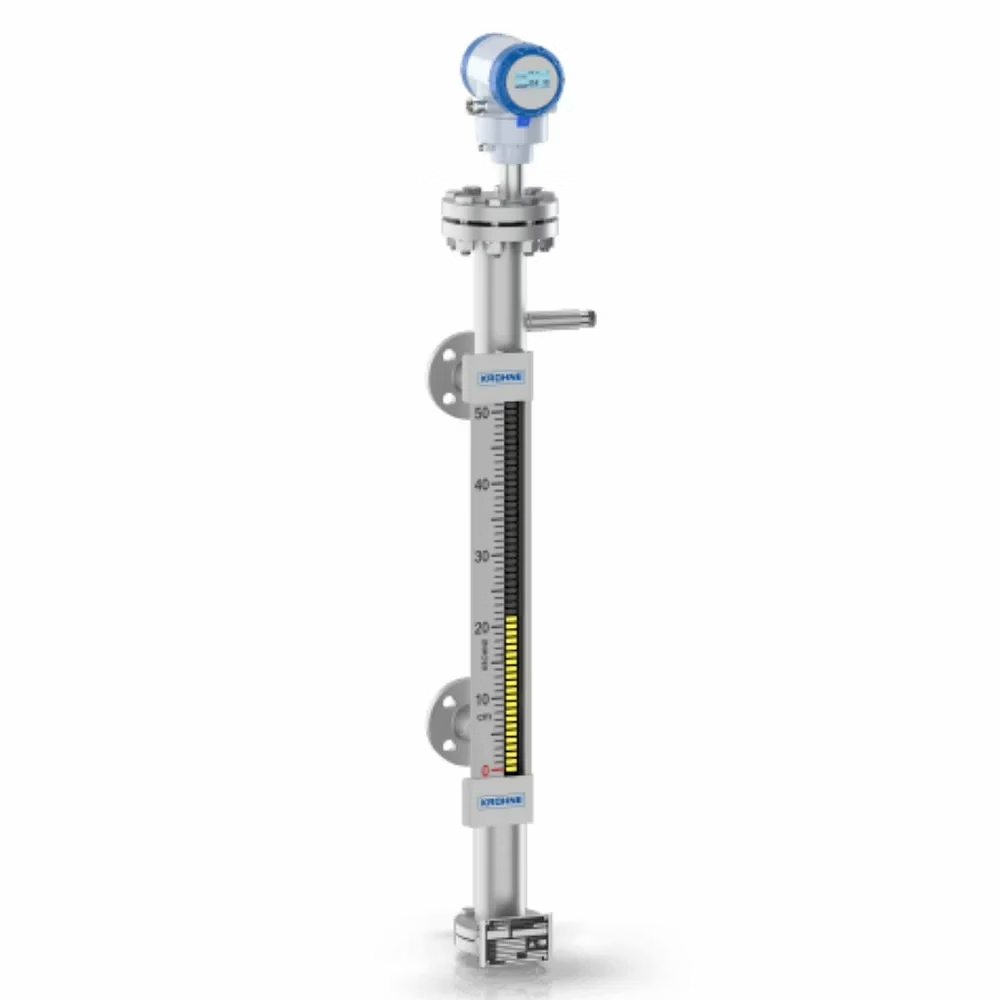
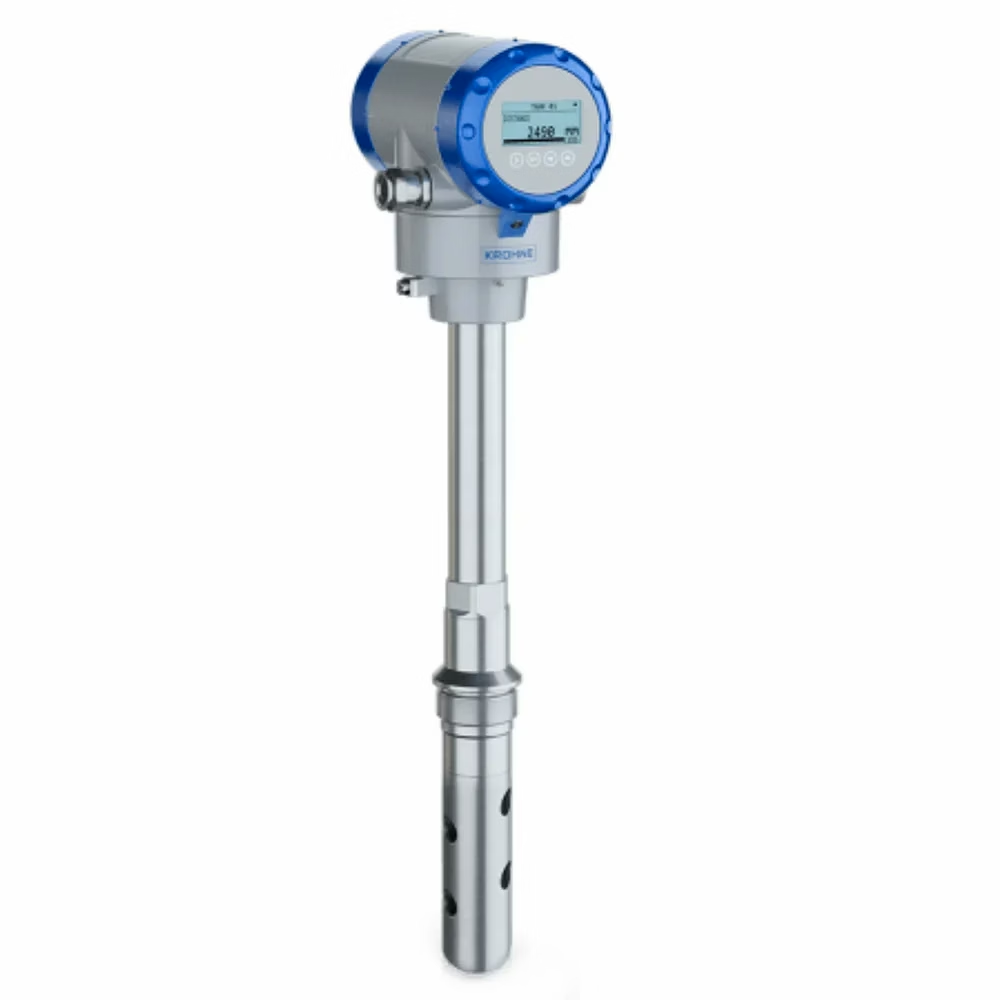
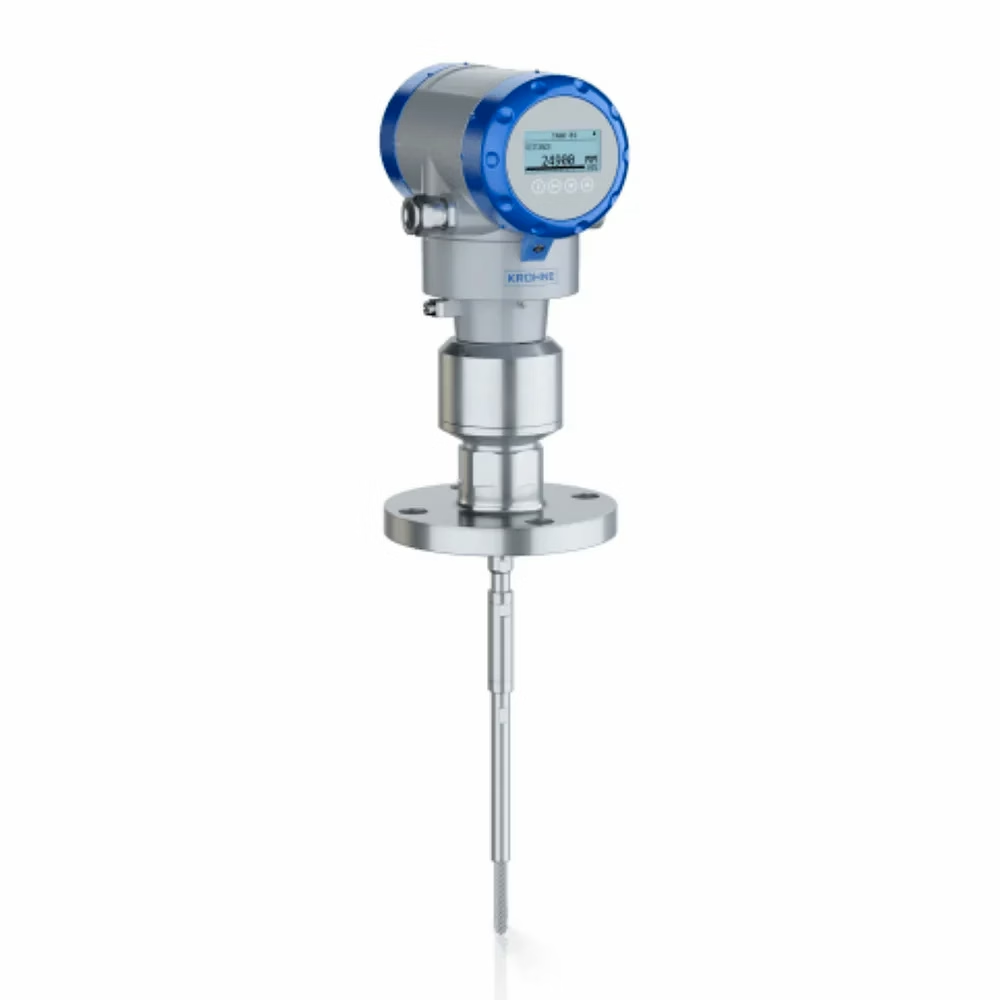
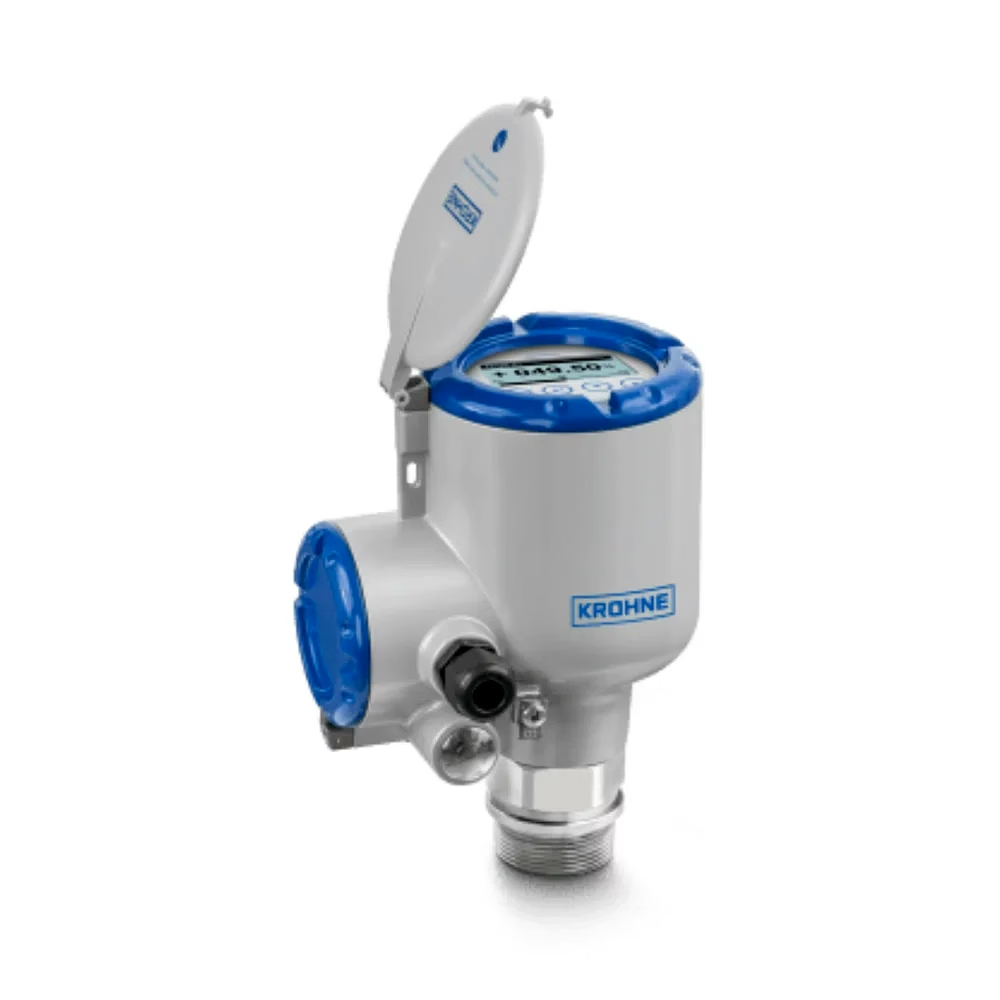
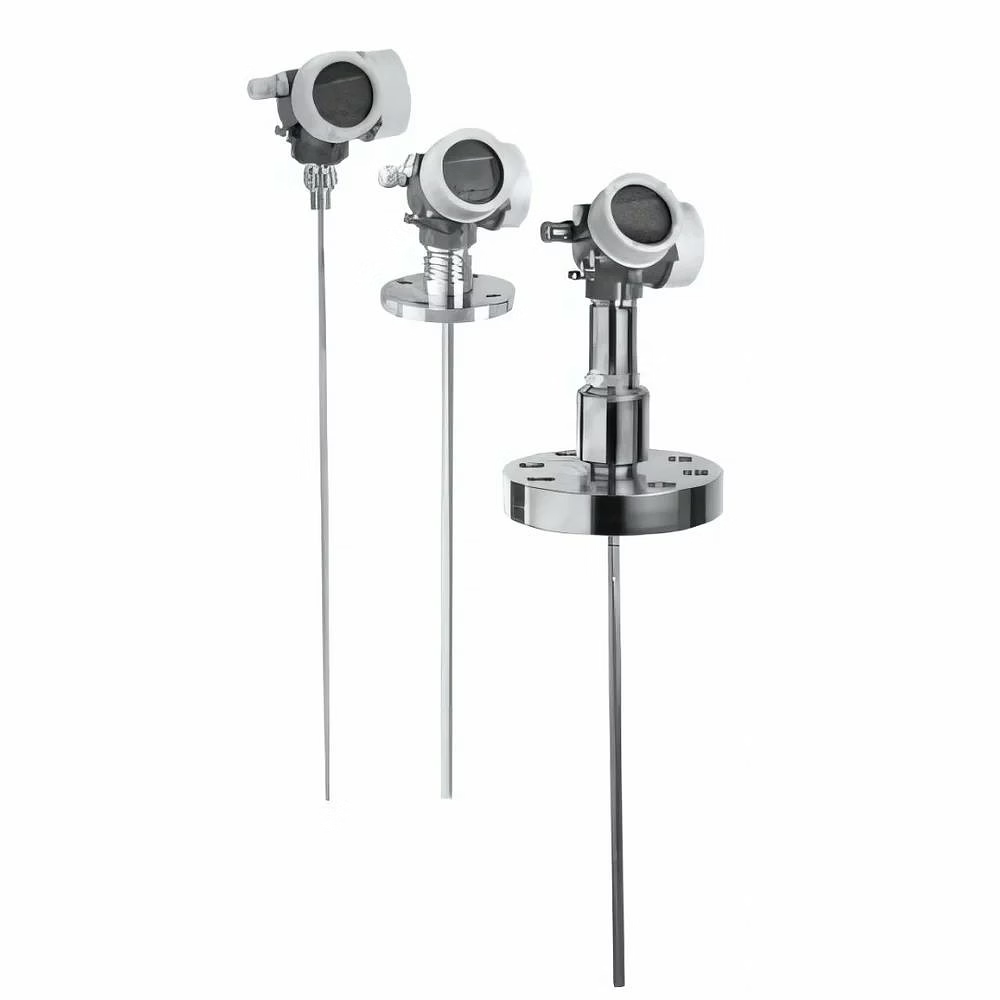
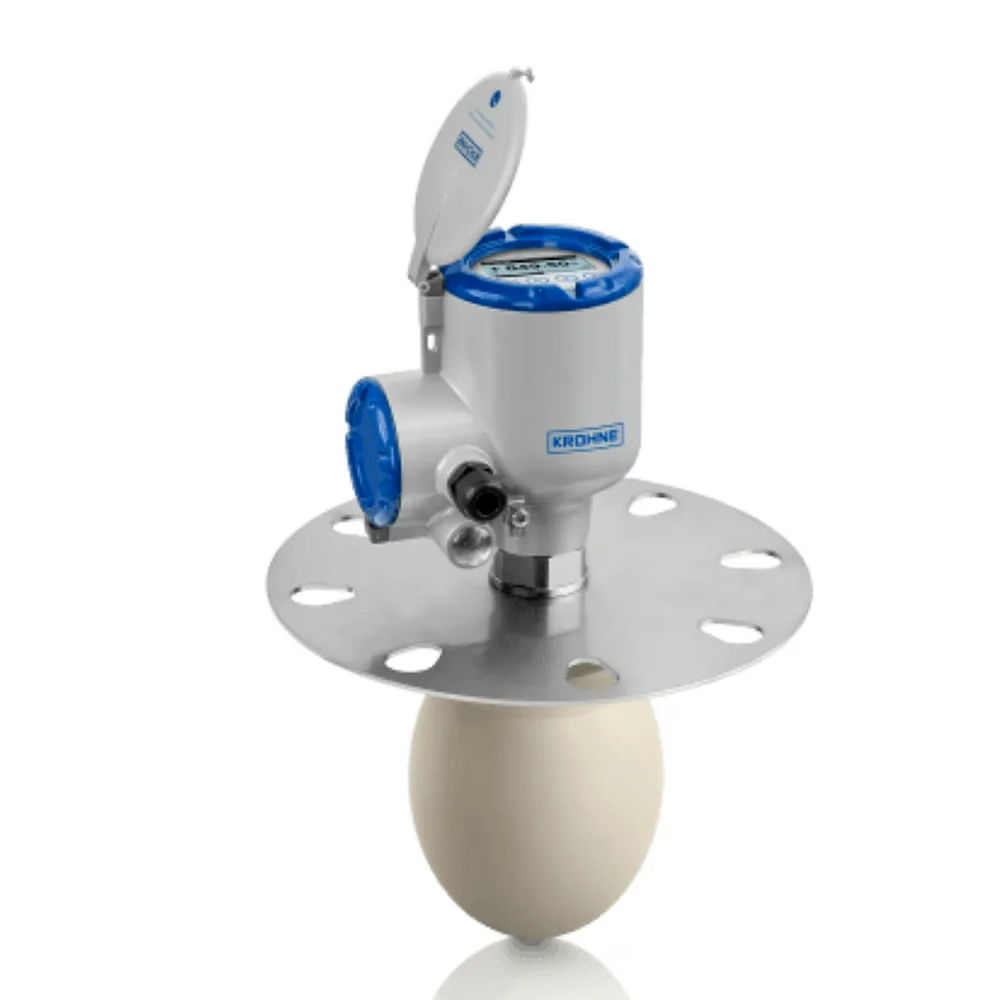
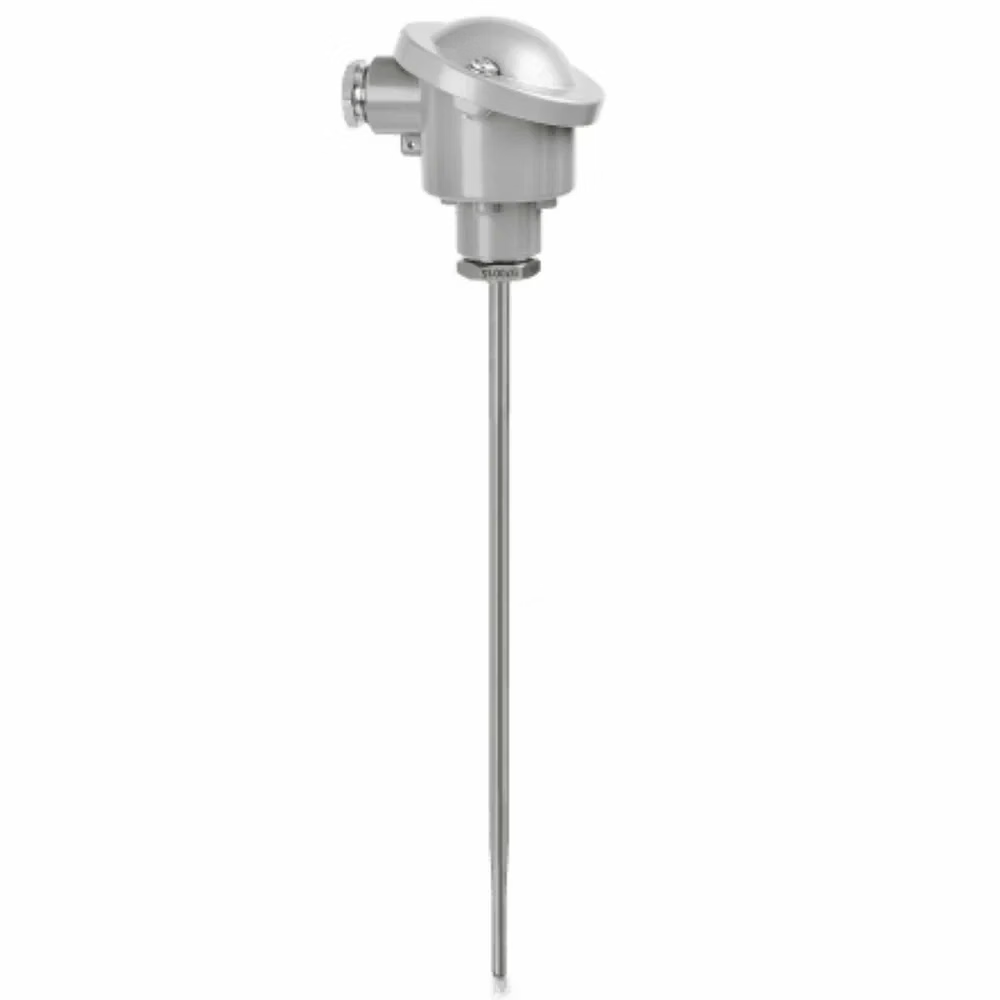
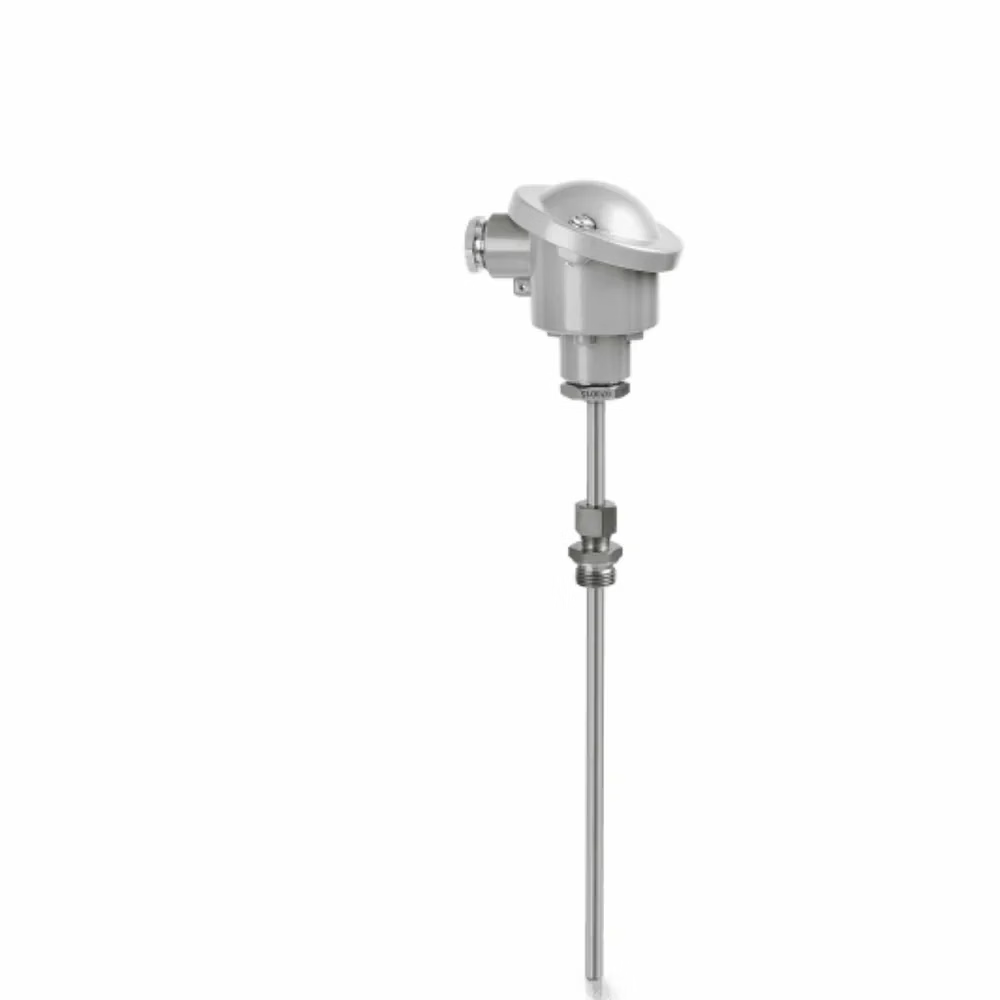
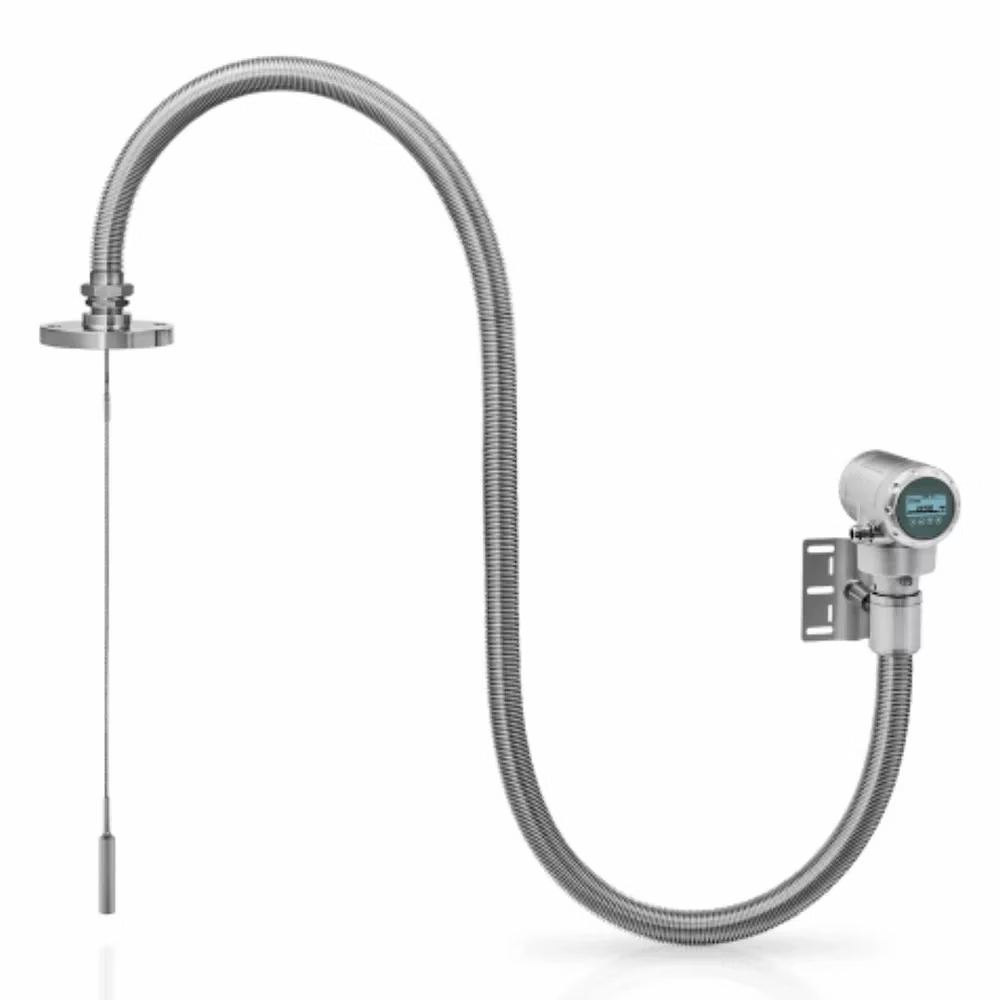
The technical framework of the POWERFLEX 2200 Guided Radar (TDR) level transmitter utilize a guided-wave probe that channels a nanosecond electromagnetic pulse along its length. When the pulse encounters a medium with a different dielectric constant (εr), a portion of the energy is reflected back to the transmitter electronics. This architecture allow the sensor to precisely calculate the "time-of-flight," converting it into a distance measurement with sub-millimeter repeatability. The structural reasoning for the guided-wave approach is to provide immunity to the "multipath reflections" and signal scattering that impair unguided radar in narrow vessels with internal piping. Without this confined signal path, measurement "dead zones" and false-level spikes would occur, potentially leading to tank overfills or dry-run pump damage—a failure mode that causes catastrophic production losses. Manufacturing include rigorous 100% functional verification of the timing electronics and dimensional inspection of the probe assembly. Quality consistency is maintained through traceable serial numbers that link each unit to its material certificates (EN 10204 3.1) and functional verification logs.
Functional Performance and Operational Stability in High-Safety Environments
Operational efficiency is achieved through the transmitter’s ability to deliver stable readings in environments where dielectric variability or foaming complicates unguided techniques. TDR measurement is minimally affected by buildup on the probe or vapor clouds in the headspace, reducing the frequency of on-site cleaning and manual verification. The electronics are housed in shielded, IP66/IP67 enclosures to limit electromagnetic interference (EMI) and to preserve signal integrity in dense instrumentation cabinets. If the probe insulation becomes compromised due to chemical attack or mechanical stress, the integrated diagnostics report a "signal strength" alarm, allowing for preventive maintenance before a complete loss of measurement occurs. In the nuclear and chemical industries, this predictive health monitoring is a critical safety standard. The transmitter supports remote configuration and diagnostics, enabling technicians to analyze pulse-echo profiles and tune the sensor from the safety of the control room. This systematic approach ensure the POWERFLEX 2200 provides a high-fidelity data stream for both safety interlocks and inventory management, effectively improving the overall reliability of the vessel control system.
Institutional Deployment and Logistics for High-Precision Sensors
Intended for safety-critical tanks and vessels, the POWERFLEX 2200 is configured for the logistical requirements of global infrastructure projects. Units are packed in reinforced crates with internal bracing to secure the long probes against bending and mechanical shocks during multimodal transport. Failure to implement probe stabilization in shipping can result in microscopic displacement of the coaxial feed, leading to signal attenuation and loss of calibration. For international procurement, supply-readiness is supported through lot-specific functional test reports and compliance declarations documenting electrical and functional tests. Export-ready documentation include packing manifests and material trace records to facilitate regulatory review and institutional asset registration. OEM configuration options address unique connector styles and labeling requirements, allowing system integrators to deliver branded, pre-configured measurement suites. This high-authority documentation ensures that the transmitter meets the technical performance and safety requirements of global industrial markets, providing a traceable and durable solution for high-accuracy level control in constrained or hazardous environments.
Frequently Asked Questions
- What technical variants are offered? Variants include different probe lengths (up to 60m), materials (SS316/Hastelloy), and enclosure ratings.
- What is the recommended storage life? Properly packaged units remain stable for years; manufacturer recommend a 24-month verification cycle for stored units.
- How is moisture managed in shipping? Vapor-barrier bags and desiccant limit moisture migration; outer crating protects against condensation risk.
- What packaging protection is standard? Reinforced crates with internal steel bracing secure probes against shock and bending.
- Which export documents are provided? Each shipment includes serialized functional test records and a compliance declaration.
Description provided by shakti power solutions pvt limited.