Construction, Materials and Traceability Logic of the BM26A-3000
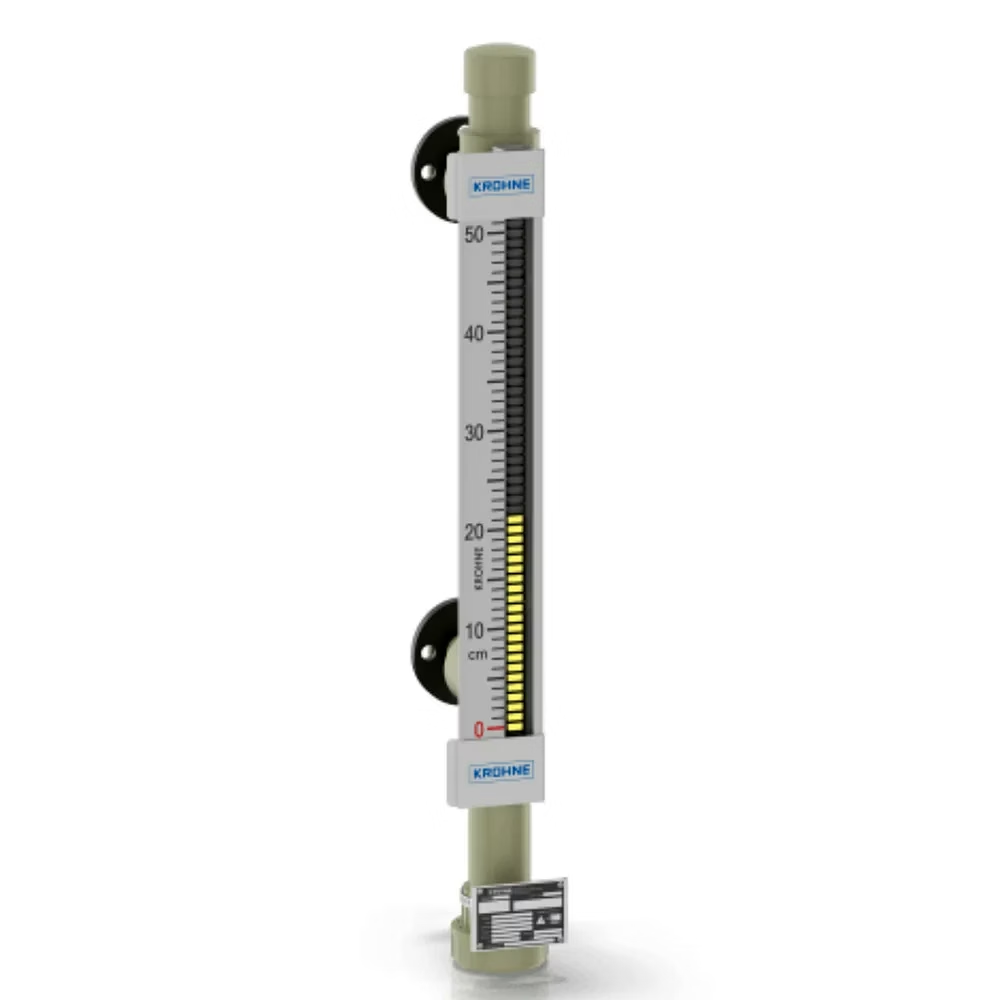
The technical framework of the BM26A-3000 Magnetic Level Indicator utilizes a high-buoyancy magnetic float constrained within a non-magnetic guide tube (bypass chamber). The structural reasoning for this design is to create a "double-barrier" of containment—if the external indicator flags are damaged, the process fluid remains securely held within the metallic or lined chamber. measurement physics rely on the magnetic field coupling through the tube wall to actuate external bi-color flags. A failure in the float's structural integrity—due to localized chemical etching or pressure-induced collapse—results in the float sinking to the base of the chamber. This failure mode manifests as a permanent "low-level" reading regardless of actual volume, which can cause pump cavitation and catastrophic equipment damage. Quality consistency is managed through serialized hydrostatic tests and buoyancy verification documenting the float's tracking accuracy. The internal layout utilize high-coercivity magnets to ensure the coupling remains stable even after years of thermal cycling. failure to manage the "chamber alignment" during installation results in float friction and erratic readings, effectively decommissioning the manual backup system.
Functional Performance and Operational Efficiency in Corrosive Service
Operational efficiency is achieved through the unit’s ability to provide continuous, energy-free visual confirmation of vessel level—an essential operational standard for facilities during total plant power loss. functional performance centers on the unit’s support for auxiliary outputs; the BM26A-3000 can be fitted with magnetic limit switches or an electronic transmitter to provide remote alarms to the SCADA system. In a real operational scenario, a failure in the indicator's moisture seal leads to internal flag corrosion, which manifests as "stuck flags" that do not track the float. To mitigate this, the unit utilize hermetically sealed flag housings and UV-resistant materials. if the specific gravity of the media changes significantly from the design point—due to process upsets—the float will no longer track the interface accurately, decommissioning the measurement totals. By provides a stable and leak-proof visual signal, the indicator improves the overall reliability of the storage facility, providing the technical transparency required for institutional safety audits and environmental compliance. Thermal management is supported via optional chamber insulation to maintain media viscosity and float movement.
Institutional Deployment and Logistical Readiness for Export Processes
Designed for chemical processing, solvent storage, and hazardous-service tanks, the BM26A-3000 is configured for the logistical requirements of project-scale multi-unit procurement. Units ship in reinforced cartons with internal foam bracing to protect the long guide tubes from bending or racking during transport. Failure to implement rigid packaging can lead to "chamber warping," resulting in internal float jamming upon site commissioning. For international procurement, supply-readiness is supported through material declarations (MTR) and lot-specific test certificates provided with each consignment. Export-ready documentation include unit configuration snapshots and installation guides provided to facilitate institutional asset registration and customs review. Packaging utilize moisture-barrier wrapping and desiccants to prevent finish degradation of the metallic components during maritime logistics. OEM rebranding and custom mounting interfaces are available, allowing for branded instrumentation suites with serialized records. This high-authority approach ensures procurement teams receive verified hardware that meet the safety and performance requirements of global manufacturing markets.
Frequently Asked Questions
- Is the indicator compatible with concentrated acids? Yes; wetted parts can be specified with PTFE, PP, or PVDF liners to handle highly aggressive media.
- Can I add electronic transmitters later? Yes; the non-invasive design allows for the addition of 4-20mA transmitters and limit switches while the tank is pressurized.
- How is the unit protected from moisture? The indicator flag housing is hermetically sealed and rated for outdoor/wash-down environments.
- What documentation accompanies shipments? Consignments include serialized buoyancy tests, pressure test reports, and material trace records.
- What maintenance is required? Periodic flushing of the bypass chamber (via the drain plug) is recommended where sediment or crystallization is present.
Description provided by Shakti Power Solutions Pvt Limited.
Magnetic level indication for corrosive liquids
Stainless steel and corrosion-resistant alloys
Suitable for strong acids, alkalis, and aggressive chemicals
External magnetic coupling, no direct contact with fluid
High visibility external indicator for real-time level monitoring
Suitable for typical industrial temperature ranges
Designed for high-pressure applications (specific rating available upon request)
Low maintenance due to non-contact measurement principle
Leak-proof magnetic coupling design
Ideal for chemical, petrochemical, pharmaceutical, and industrial liquid level monitoring
Specifications
Measurement Principle
Magnetic coupling
Suitable Liquids
Corrosive liquids including acids and alkalis
Material
Stainless steel body with corrosion-resistant float
Max Operating Pressure
Up to specified industrial limits (confirm per application)
Operating Temperature Range
Typically -20°C to 120°C or as per configuration
Display Type
External visual indicator with graduated scale
Connection Type
Flanged or threaded connections based on installation needs
Protection Class
IP-rated for industrial environments
Maintenance
Minimal; non-intrusive magnetic coupling ensures long life


 FIEO Registered
Export Ready