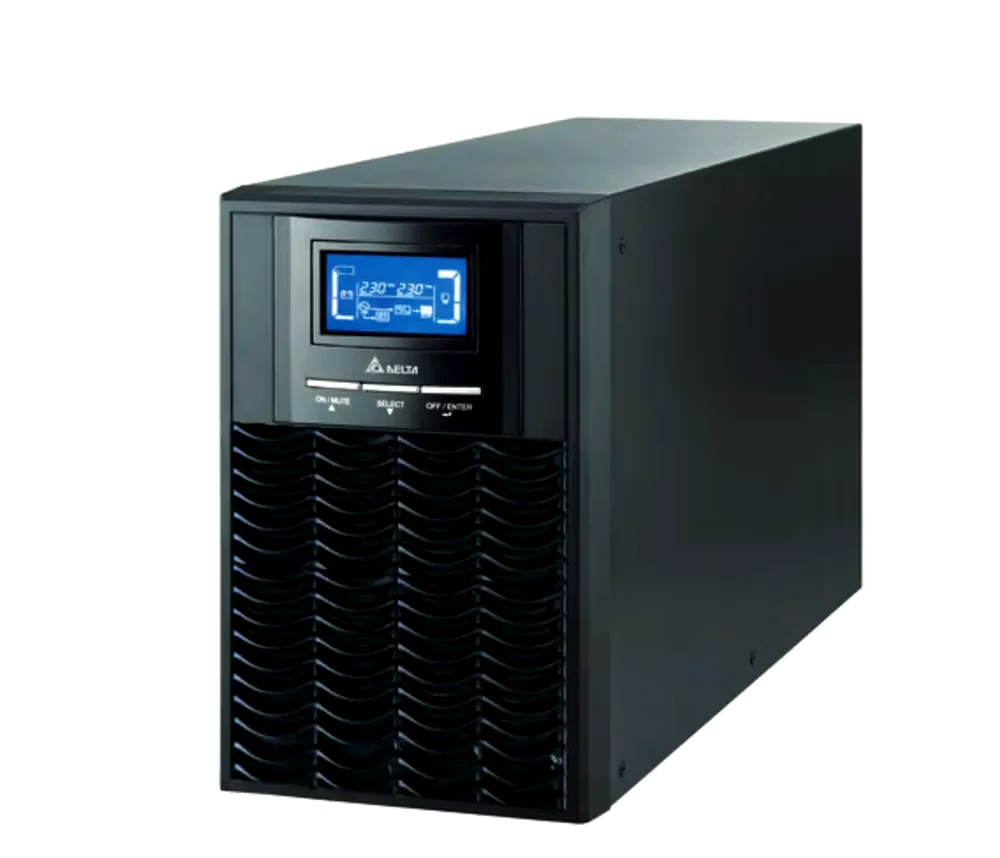
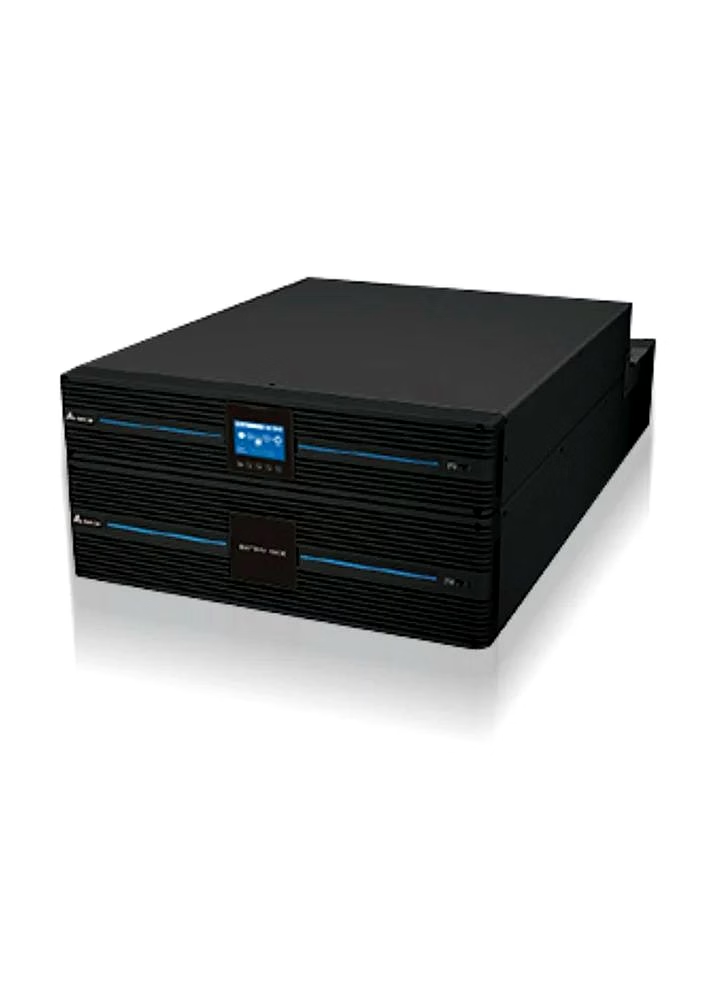
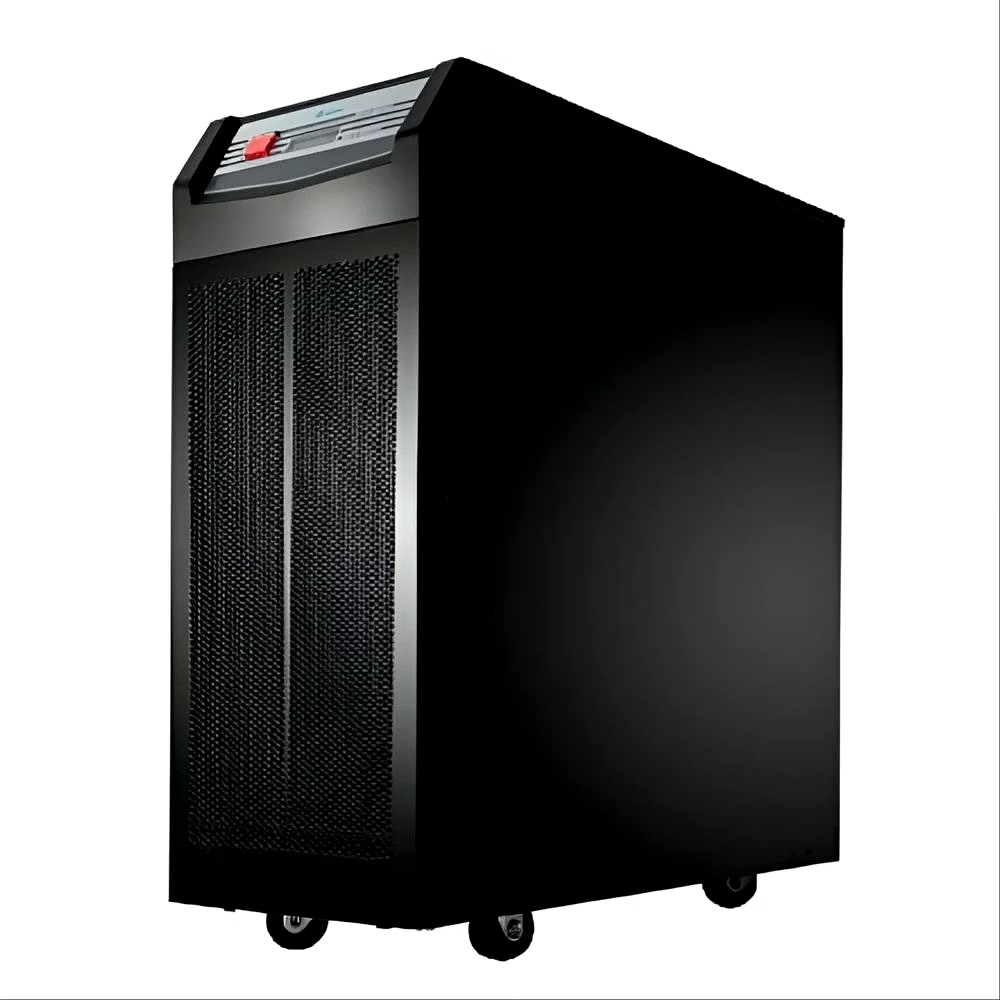
System Architecture and Control Logic of HBL DSP Controlled Rectifiers
The technical framework of the HBL DSP Controlled Rectifiers utilize a high-frequency Pulse Width Modulation (PWM) stage governed by a high-speed Digital Signal Processor. This architecture allow the unit to execute closed-loop voltage and current control algorithms at sub-millisecond intervals. Power semiconductors (IGBTs) are mounted on thermally efficient heat sinks with integrated temperature sensors. Input filtering and EMI attenuation modules are factory-integrated to meet industrial emission expectations (IEC 61000). In a real operational scenario, a failure in the DSP control loop—due to firmware corruption or sensor failure—can result in uncontrolled DC overvoltage, which can destroy expensive DC motors or plating tanks. Our manufacturing logic incorporates hardware-level overvoltage protection as a secondary fail-safe. PCB layouts segregate high-power switching zones from low-voltage logic paths to reduce electromagnetic crosstalk. Quality consistency is maintained through traceable serial numbers that link each unit to its functional test certificate and firmware version, providing B2B procurement teams with the documentation needed for safety audits and process validation.
Functional Performance and Thermal Efficiency in Industrial Power Systems
Operational efficiency is achieved through the rectifier’s fast transient response and programmable ramp control, which prevent inrush current issues during facility startups. Active power factor correction (PFC) options reduce the reactive power demand on the utility, effectively lowering energy costs. Thermal management employs controlled fan staging based on real-time heatsink temperature monitoring; this not only extends the life of the cooling fans but also maintains the DC output within rated tolerances even under varying ambient conditions. Failure to manage thermal loads in a rectifier leads to "thermal derating," where the unit automatically reduces its output current to protect the semiconductors, potentially stalling critical process machinery. The HBL design uses hot-swappable control modules to reduce maintenance window durations, allowing for firmware updates or module replacement without removing the heavy power components. This structural reasoning ensures that the rectifier remains a durable and reliable energy conversion component in high-uptime industrial plants, supporting continuous duty cycles with predictable thermal and electrical behavior.
Institutional Application and Logistics for Large procurement Runs
Suitable for electroplating, DC drives, and high-capacity battery charging stations, the HBL rectifier is configured for the logistical requirements of project-scale deployments. Units are packaged on vibration-damped pallets with crate bracing to protect the heavy heat-sink assemblies and internal busbars during multimodal transit. Failure to implement vibration-dampened shipping can result in microscopic fractures in the IGBT mounts, leading to premature failure months after site commissioning. For international projects, supply-readiness is documented through serialized functional test reports and compliance declarations (CE/IEC). Export-ready shipments include moisture-barrier film and desiccant to prevent corrosion of the high-current terminals during maritime transit. OEM and private-label assembly options are available for integrators requiring custom front-end interfaces or branded documentation. This high-authority approach ensures that the rectifier meets the technical performance and safety requirements of global industrial markets, providing a traceable solution for high-mass energy storage and process power systems. Every consignment includes a technical data pack with wiring diagrams and configuration profiles to expedite field installation and commissioning.
Frequently Asked Questions
- What technical variants are offered? Variants include different current ratings, PFC options, and forced-air vs. convection cooling.
- What is the recommended shelf-life? Stored in controlled dry conditions, modules retain stability for years; semiconductors have specific 12-month review cycles.
- How is moisture protected during transport? ESD-safe packaging with desiccant and sealed outer crates reduce humidity exposure during transit.
- What packaging strength is used? Vibration-damped pallets and rigid bracing protect heavy components from transport impacts.
- What export documentation is provided? Shipments include serialized functional test reports and a compliance declaration.
Description provided by Shakti Power Solutions Pvt Limited.
DSP (Digital Signal Processor) based
Adjustable DC output voltage
High power conversion efficiency
Fast dynamic response for process control
Supports continuous high-load operation
Optimized for minimal harmonic distortion
Versatile AC input compatibility
Robust industrial-grade design
Includes over-voltage, over-current, and thermal protection
Compatible with industrial automation systems
Specifications
Control Technology
Digital Signal Processor (DSP)
Output Voltage Range
Adjustable as per application needs
Input Voltage
Configured for standard industrial AC supply
Output Current
Rated as per model specifications
Efficiency
Typically > 95%
Protection
Over-voltage, over-current, thermal shutdown
Cooling
Forced air cooling or heat sinks depending on model
Installation Type
Panel mount or floor mount options available
Operating Temperature
-10°C to +50°C
Compliance
Meets industrial electrical and safety standards