Internal Conversion Architecture and Thermal Design of the ITA2 6 kVA UPS
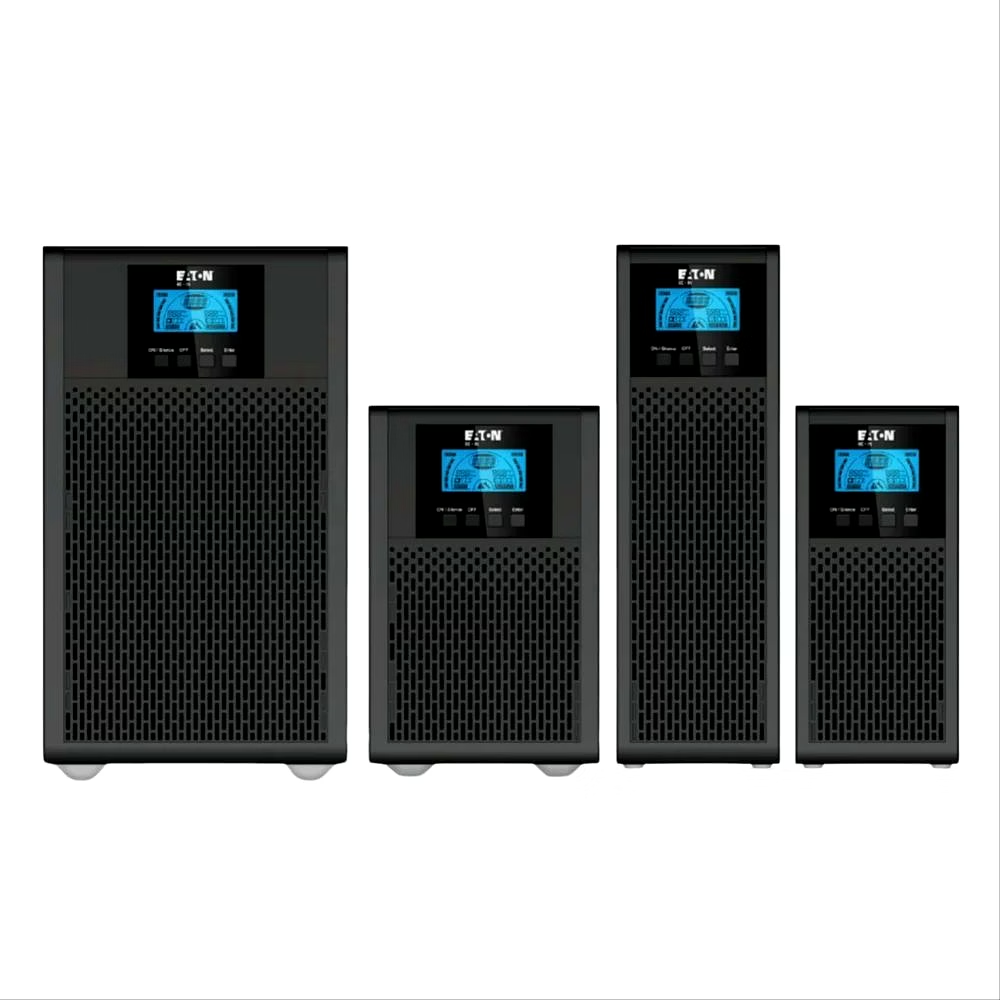
The technical framework of the VERTIV Liebert ITA2 6 kVA UPS System utilize a high-frequency double-conversion topology where the input AC is converted to DC and then synthesized into a clean AC sine wave. This architecture ensures that the load is isolated from common-mode noise and frequency shifts—a failure to maintain this isolation results in "clock drift" and processor errors in sensitive medical diagnostic gear. The internal build separates the power modules from the control electronics into discrete compartments to optimize thermal flow. High-performance IGBT stacks are cooled via dedicated variable-speed fans that modulate based on real-time heatsink temperature monitoring. If the fan system fails, the microprocessor triggers a thermal derating sequence to prevent the localized overheating that frequently destroys DC-link capacitors. Printed circuit assemblies are conformally coated to resist moisture-induced tracking, a critical standard for units stored in unconditioned regional warehouses. Quality consistency is managed through serialized performance test logs that record the unit's regulation accuracy and THD profile under 0% to 100% load variations, ensuring the UPS serves as a durable infrastructure component.

Operational Dynamics and Battery Lifecycle Management in Compact Online Units
Operational efficiency is enhanced through the use of synchronous rectification, which reduces internal heat losses and improves the overall conversion ratio compared to legacy analog designs. Functional performance centers on the unit’s ability to handle surge-tolerant loads typical of medical equipment. The integrated charger management system executes an adaptive multi-stage charging algorithm; failure to implement this results in electrolyte stratification and premature capacity fade in the battery modules. The UPS chassis supports the mounting of external battery packs via a standardized high-current connector, allowing B2B facility managers to scale runtime without full unit decommissioning. In the event of an internal inverter fault, the static bypass executes a transfer in under 4 milliseconds, ensuring continuity for loads that would otherwise crash during a mains interruption. Integrated telemetry provides event logging and state-of-charge (SoC) metrics, allowing for predictive maintenance scheduling. This systematic approach ensure that the UPS remains ready for emergency transitions, providing the data necessary for institutional asset management and lifecycle accounting in clinical and light industrial environments.
Institutional Deployment and Logistical Readiness for Regional Rollouts
Designed for medical clinics, small IT closets, and industrial control frames, the ITA2 6 kVA is configured for the logistical requirements of institutional procurement. Units are packed in shock-rated crates with internal bracing to protect the sensitive inverter alignment and transformer mounts from multimodal transit damage. Failure to implement shock-rated packaging can lead to microscopic fractures in the PCBA solder joints, resulting in intermittent power faults months after installation. For international projects, supply-readiness is supported through sequential serial tracking and lot-based electrical safety declarations. Export-ready documentation include unit configuration snapshots and environment manifests provided with each shipment. Packaging utilize vapor-barrier liners and moisture-absorbing media to prevent humidity-induced terminal oxidation during transit. OEM options permit customized front bezels and load management profiles for private-label deployments. This high-authority approach ensures that procurement teams receive verified, site-ready hardware that meet the technical performance and safety requirements of global markets (CE/IEC). Every delivery is accompanied by a commissioning guide and terminal pinout diagrams, providing the technical depth required for asset onboarding and rapid site integration.
Frequently Asked Questions
- Can the unit be expanded for longer runtime? Yes, the chassis features a standardized connector for adding external extended-runtime battery packs.
- What is the recommended storage interval? Batteries should be reconditioned after 6–9 months of storage to prevent capacity loss from self-discharge.
- How is moisture migration mitigated? Internal PCBA components feature conformal coating to protect against moisture-induced tracking.
- What evidence of quality is provided? Each lot includes serialized electrical test logs and factory inspection certificates to support procurement.
Description provided by Shakti Power Solutions Pvt Limited.
True Double Conversion Online UPS
305-478 VAC (3-phase) @ 100% load
208 / 220 / 230 / 240 VAC (Single phase)
UPS status, Load level, Battery level, Input/Output voltage, Discharge timer, Fault conditions
Total load isolation from mains
Hot standby configuration for critical applications
Specifications
Capacity
6000 VA / 5400 W
Input Voltage Range
305-478 VAC (3-phase)
Output Voltage Options
208 / 220 / 230 / 240 VAC (Single phase)
Output Configuration
3 Phase IN - 1 Phase OUT
Noise Level
< 58 dB at 1 meter
Dimensions (WxDxH)
592 x 250 x 576 mm
Display Type
LED indicators for UPS status, Load level, Battery status, Voltages, Discharge timer, Fault alerts
Application
Data networks, Small data centers, VOIP, Banks, and other critical IT infrastructure