Rainfed Agriculture (Hardback, R.K. Nanwal & G.A. Rajanna)

Nipa Genx Electronic Resources & Solutions
Service Provider , Manufacturer, Professional Services, Brand Owner, Distributor, Exporter, Importer, Wholesaler, Startup — North Delhi, Delhi, India · Replies in ~24–48 hours
Export Ready
₹ 285.00
/Unit
₹ 285.00
You save ₹ 0.00
In stock
Inclusive of all taxes
MOQ: 1 Unit
Lead time: On request
GST invoice
Origin: India
Export ready
Buyer protection
Interested in this product?
MOQ 1 Unit
Share your requirement and the seller will respond with a quote.
Comparing multiple suppliers?
Receive quotations from multiple verified suppliers and compare price & lead time.
Other buying options
Request sample — 0
Evaluate product quality before a bulk order.
Buyer-protected enquiry
Seller responds in ~24–48 hours
Freight & duties quoted separately
What similar products are available in this category?
Browse all →
Nipa Genx Electronic Resources & Solutions
From $ 99.00
MOQ 1 Unit

Nipa Genx Electronic Resources & Solutions
From $ 294.00
MOQ 1 Unit
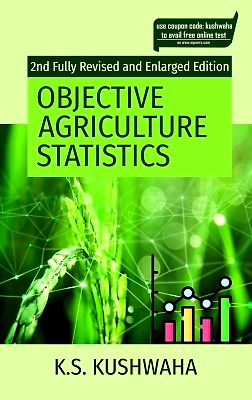
Nipa Genx Electronic Resources & Solutions
From $ 62.00
MOQ 1 Unit

Nipa Genx Electronic Resources & Solutions
From $ 294.00
MOQ 1 Unit
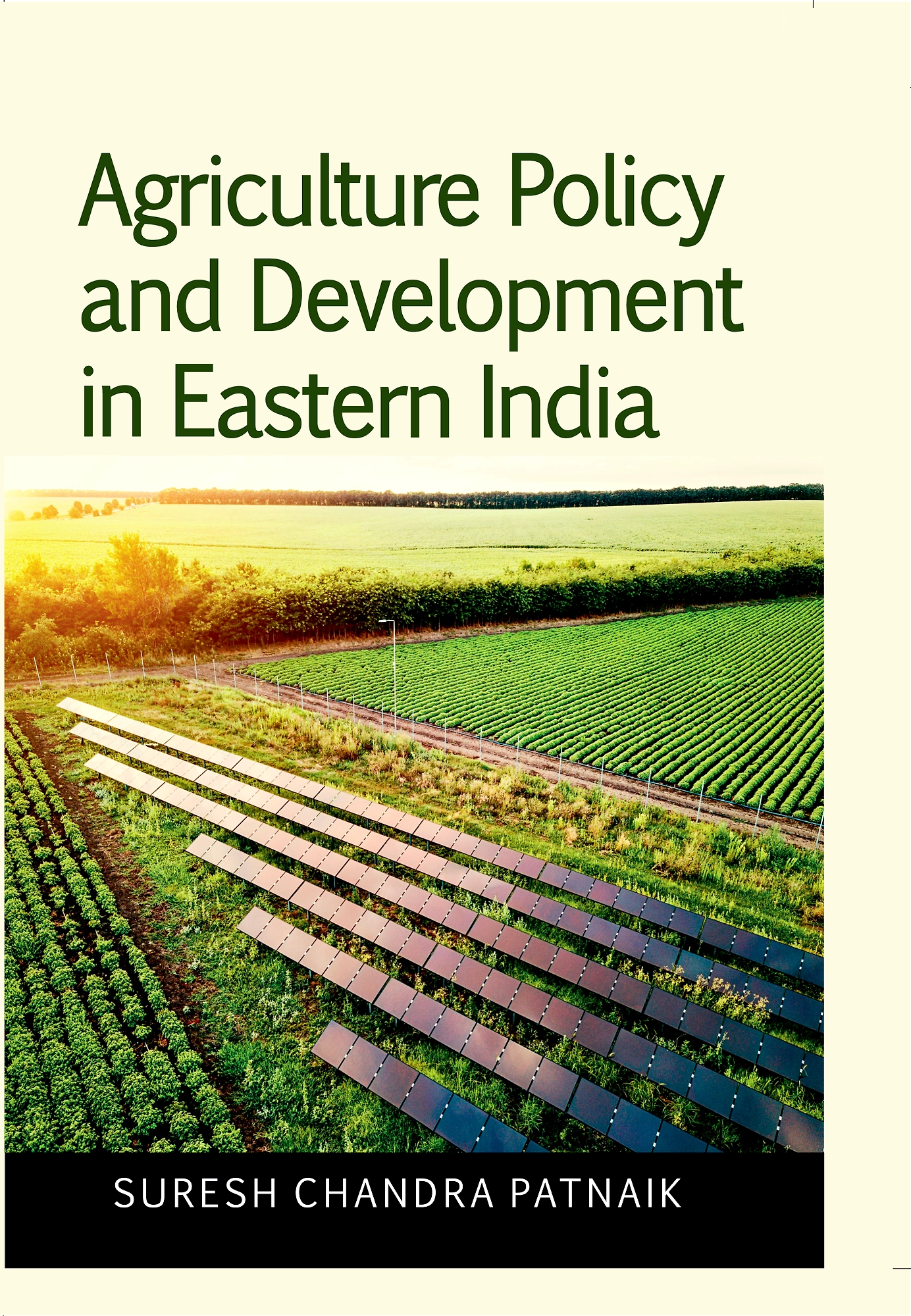
Nipa Genx Electronic Resources & Solutions
From $ 295.00
MOQ 1 Unit

Nipa Genx Electronic Resources & Solutions
From $ 194.00
MOQ 1 Unit
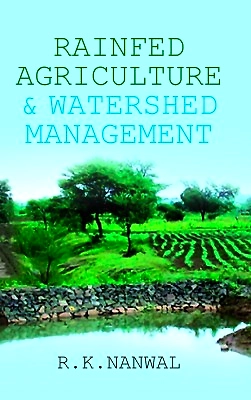
Nipa Genx Electronic Resources & Solutions
From $ 202.00
MOQ 1 Unit
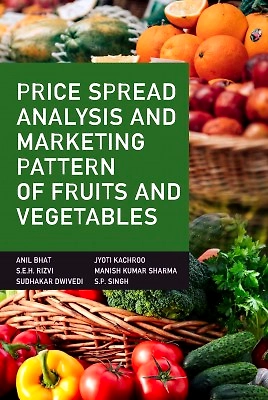
Nipa Genx Electronic Resources & Solutions
From $ 90.00
MOQ 1 Unit