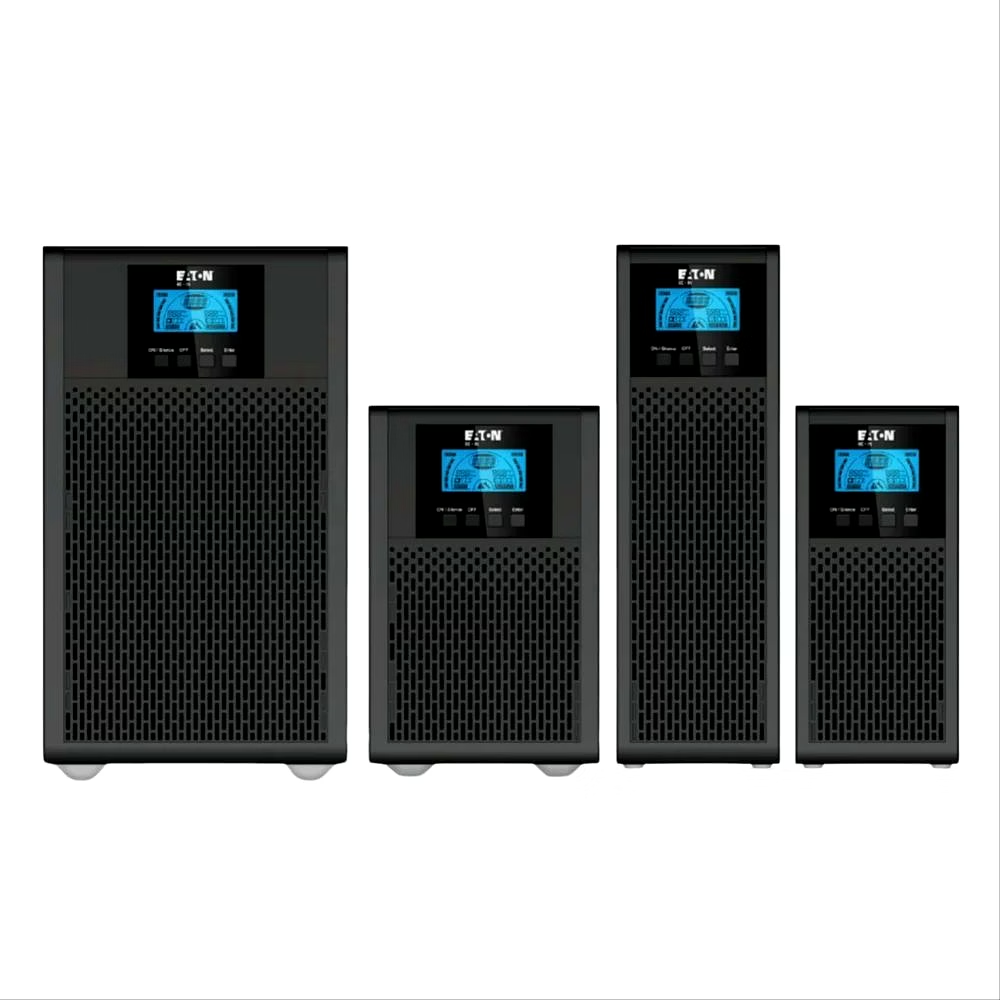
System Composition and Thermal Design Logic of the Eaton 93E
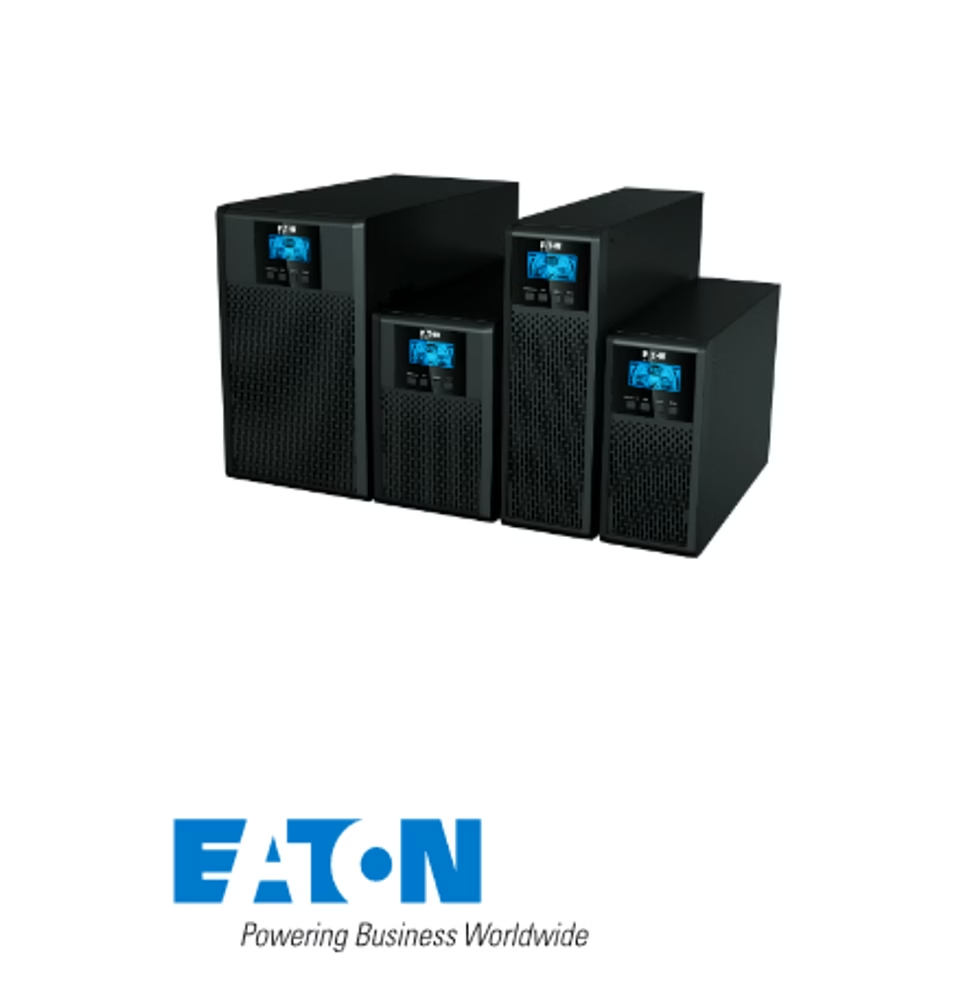
The technical framework of the Eaton 20 kVA 93E 3:3 utilizes an online double-conversion architecture where the input rectifier and output inverter are decoupled by a high-capacity DC bus. This structure ensures that the load is isolated from input frequency variations and voltage sags, providing a consistent 208V supply with ±1% regulation. The internal layout is specifically engineered to minimize conductor lengths, reducing electromagnetic interference (EMI) and improving overall conversion efficiency. Without this specific structural reasoning, the unit would suffer from internal heat accumulation, which accelerates the aging of the semiconductor gate drives. Quality consistency is maintained through serialized factory acceptance tests (FAT) that validate the inverter's efficiency at 25%, 50%, 75%, and 100% load points. In a real operational scenario, a failure in the phase-synchronization logic leads to "circulating currents" between the UPS and the grid, which can cause upstream breaker tripping and complete facility blackouts. Our manufacturing logic employs redundant sensing transformers to ensure the UPS remains perfectly synchronized with the mains frequency during load transfer events.
Functional Performance and Battery Isolation Dynamics in 20 kVA Platforms
Operational efficiency is achieved through the 93E’s intelligent charging circuitry, which isolates the charge and discharge paths to permit safe battery maintenance without exposing the inverter to impulsive surges. This design allows technicians to perform individual cell swaps or impedance tests while the UPS continues to protect the critical load. The thermal management system utilizes speed-controlled fans with filtered intakes; a failure to maintain these filters leads to "hotspot" formation on the IGBT modules, triggering an automatic transfer to bypass to prevent component rupture. Functional stability is further enhanced by the integrated maintenance bypass switch, which allows for full-system servicing without powering down the connected equipment racks. If the UPS detects a DC bus overvoltage—often caused by regenerative loads from elevators or large motors—it executes an emergency shutdown to prevent the bus capacitors from failing catastrophically. The on-board diagnostics report real-time load profiles and runtime estimates, providing the B2B operator with the data needed for proactive capacity planning and battery replacement scheduling, effectively lowering the long-term total cost of ownership (TCO).
Institutional Deployment Logistics and Cross-Border Export Standards
Intended for healthcare centers, industrial control rooms, and medium data halls, the Eaton 20 kVA 93E is configured for the logistical requirements of global infrastructure projects. Units are shipped in reinforced enclosures secured to heavy-duty crates with internal steel bracing to prevent mechanical damage to the transformer mounts during sea transit. Failure to implement rigid bracing in shipping results in "chassis torque," which causes internal cable fatigue and potential short-circuits upon site commissioning. For international procurement, supply-readiness is supported through lot-specific test reports, wiring diagrams, and compliance declarations documenting electrical performance standards (UL/IEC). Export-ready documentation include configuration files and serialized acceptance records to facilitate customs clearance and institutional asset registration. Packaging utilize vapor-barrier wrapping and desiccant to mitigate moisture-induced corrosion on the copper busbars during long-distance multimodal transport. OEM labeling and custom front-panel layouts are supported for integrated delivery projects requiring branded power protection. This systematic approach ensures that the UPS arrives in a production-ready state, ready for rapid site integration and high-availability operational service.
Frequently Asked Questions
- What technical variants are available? Variants include parallel-ready frames, different communication cards, and battery cabinet configurations.
- What is the recommended storage life? Electronics maintain stability for 18–24 months if stored dry; batteries require recharge cycles every 6 months.
- How is moisture migration handled? Crated units use vapor-barrier wrapping and desiccant liners to reduce internal humidity exposure.
- Which documentation accompanies exports? Shipments include serialized test reports, wiring diagrams, and compliance declarations.
Description provided by Shakti Power Solutions Pvt Limited.
Yes, IP Network Manager Compatible
Advanced Temperature Control with ±1 Degree Precision
Suitable for Data Centers, Small to Medium Computer Rooms, UPS and Battery Rooms, Communication Equipment Rooms
High Efficiency for Reduced Power Consumption
Uninterruptible Power Supply Ensuring Continuous Operation
Compatible with Liebert DM Thermal Management Solutions
Specifications
Model Name/Number
Eaton 93E 20 kVA 3:3
Phase Type
Three-Phase Input and Output
Network Manager
IP Network Manager Support
Temperature Control Precision
±1 Degree Celsius
Usage/Application
Thermal Management for IT Rooms and Electrical Equipment
Compatibility
Compatible with Liebert DM Cooling Systems