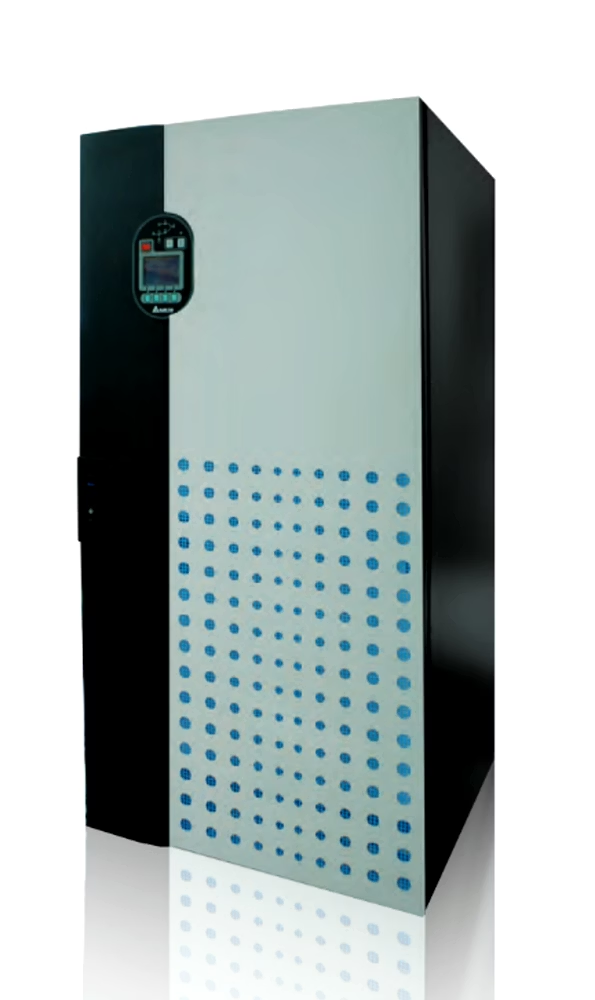
Mechanical and Electrical Architecture of the DPS 160-500kVA Series
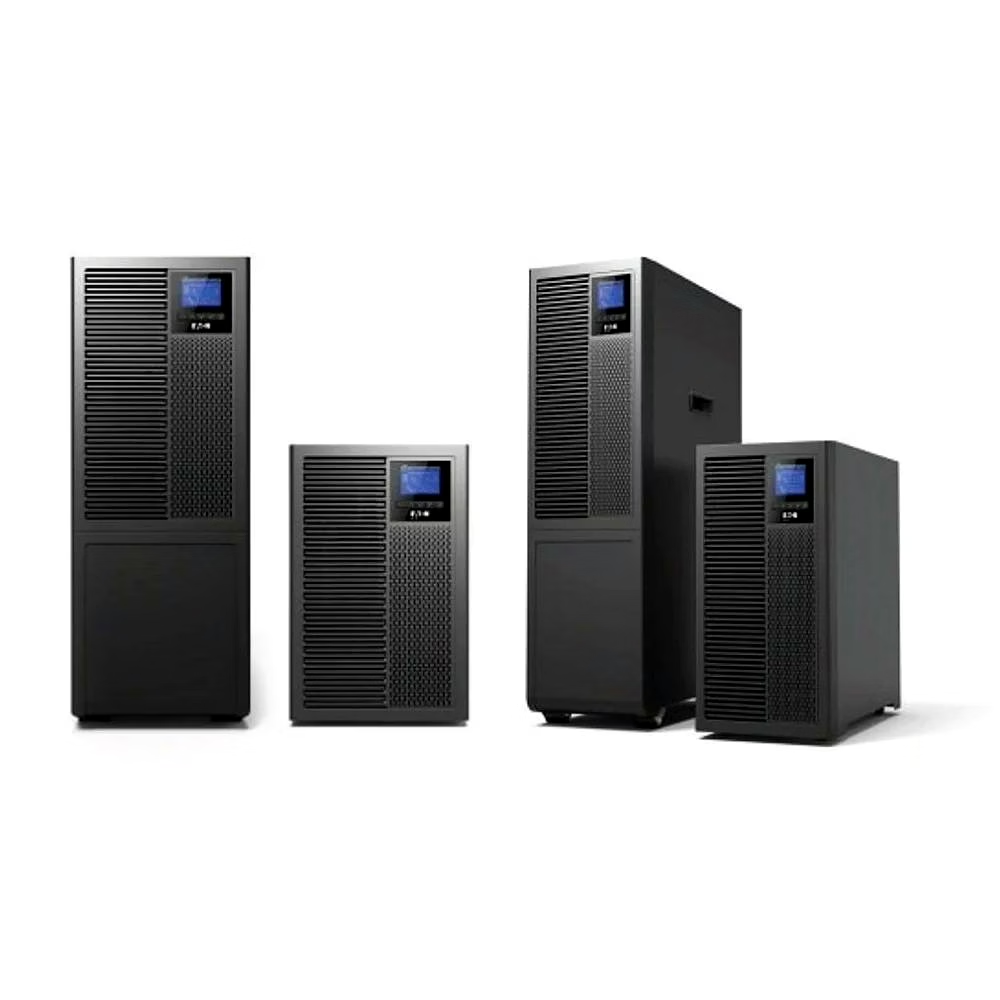
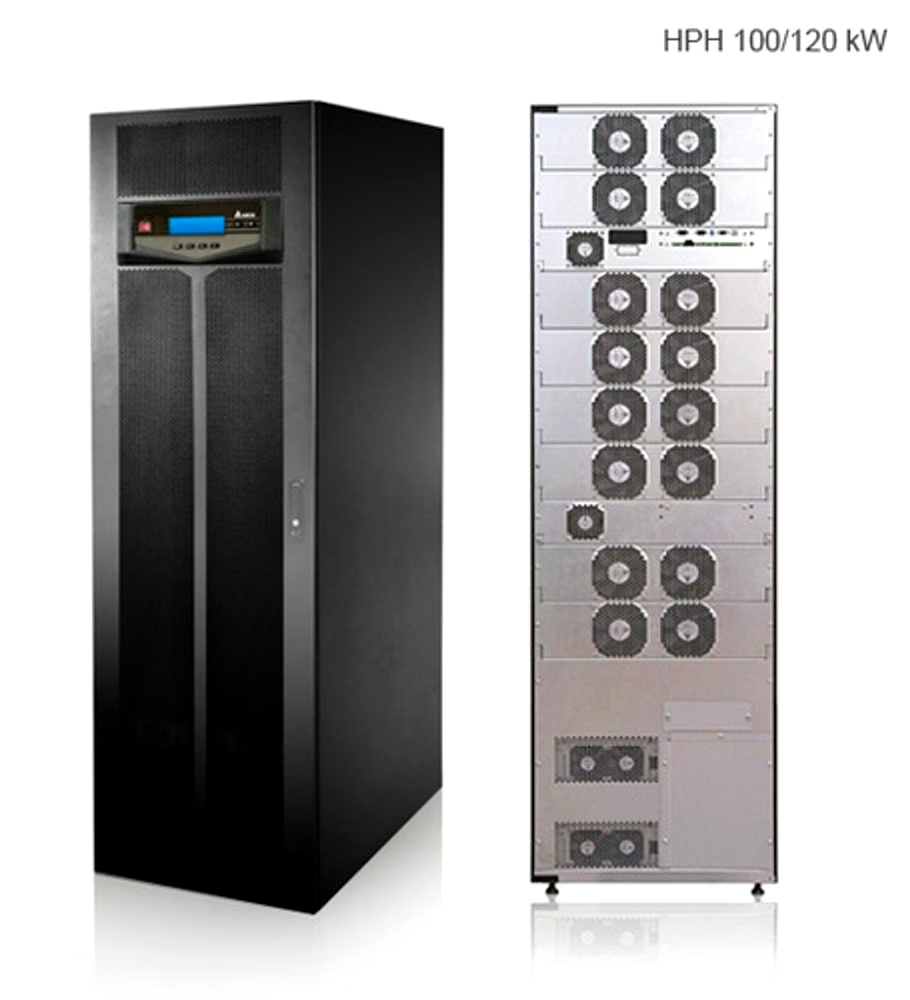
The technical framework of the Delta - DPS Series, Three Phase From 160 to 500kVA utilize a high-density modular aisle architecture where discrete rectifier and inverter modules are integrated into a common high-current DC busbar chassis. The structural reasoning for this modularity is to provide "fault containment"—a failure in one module—due to IGBT breakdown or capacitor dry-out—can be isolated immediately, allowing the remaining modules to maintain the full facility output. Without this specific architecture, a single component fault in a three-phase system would decommission the entire load, leading to catastrophic production loss. Measurement physics rely on high-speed synchronization buses that negotiate current sharing across the modules to within ±5%. A failure in the load-sharing control results in "circulating currents" that generate excessive heat in the busbars and manifest as localized thermal hotspots. Quality consistency is managed through serialized FAT reports that record harmonic emission levels and high-speed transfer times. The internal chassis utilizes insulated bus-duct technology to prevent arc-flash propagation between modules, a critical safety standard for live-service data halls.

Functional Performance and Operational Efficiency in Hyperscale Sites
Operational efficiency is achieved through the system’s "Intelligent Module Management," which optimizes the number of active modules relative to the total load to maximize conversion efficiency. Functional performance centers on the unit’s support for active thermal management; partitioned hot and cold aisles within the rack maintain component integrity under sustained heavy loading. In a real operational scenario, a failure in the fan modulation logic—due to sensor drift—leads to localized overheating of the power semiconductors, triggering an automatic move to the static bypass. The DPS series utilize redundant cooling fans in every module; if a fan fails, the module can continue to operate at a derated capacity until a swap occurs, effectively reducing the risk of a "thermal trip." If the system detects a catastrophic bus fault, the high-speed static bypass executes a zero-break transfer to utility mains. By providing detailed telemetry on harmonic distortion and load profiles, the UPS allows B2B facility managers to accurately account for energy throughput and implement predictive maintenance routines before a component failure occurs.
Institutional Deployment and Logistical Readiness for Large Power Cores
Suitable for manufacturing cores, large data centers, and hospital central feeds, the DPS Series is configured for the logistical requirements of multimodal multi-site procurement. Units ship in reinforced skid-mounted crates with internal mechanical restraints to protect the sensitive power electronics during the high-G loads of transport. Failure to implement shock-monitored palletization can result in "busbar misalignment," leading to high-impedance joints and potential localized fires upon site commissioning. For international procurement, supply-readiness is supported through serialized test records and certificates of conformity (CE/UL). Export-ready documentation includes unit configuration snapshots and commissioning checklists provided with each shipment to facilitate institutional asset registration. Packaging utilize vapor-barrier covers and desiccants to prevent terminal oxidation during maritime transit. OEM branding and custom HMI settings are supported, allowing facility operators to standardize their appearance across global portfolios. This high-authority approach ensures procurement teams receive verified, site-ready hardware that meet the performance and safety requirements of global manufacturing markets, providing the technical transparency required for large-scale energy infrastructure rollouts.
Frequently Asked Questions
- How is module parity ensured? Active current-sharing control and digital synchronization maintain balanced loading across all active modules.
- What pre-shipment testing is performed? Every lot includes factory acceptance tests (FAT) documenting load-transfer efficiency and harmonic emissions.
- How are units protected from moisture in transit? Units are sealed with vapor-barrier liners and desiccant pouches within reinforced export-ready crates.
- Can the system be expanded in the field? Yes; the modular chassis allows for incremental capacity growth by adding power modules as facility demand increases.
- What documentation accompanies each shipment? Consignments include serialized test reports, wiring diagrams, and specific configuration records.
Description provided by Shakti Power Solutions Pvt Limited.
Strong protection against inrush current
Optimized for harsh Indian environmental and power conditions
Space-saving footprint for high power delivery
Mission-critical applications such as data centers, manufacturing, infrastructure
Specifications
Model Series
Delta DPS Series
Power Rating
160kVA to 500kVA
Input Voltage
100VAC to 300VAC
UPS Type
Online Double Conversion
Protection Features
Inrush current protection, voltage regulation
Design
Compact and robust for industrial environments
Application Domain
Industrial, commercial, and mission-critical power backup