Electrical Topology and Control Logic of the 6 kVA Industrial UPS
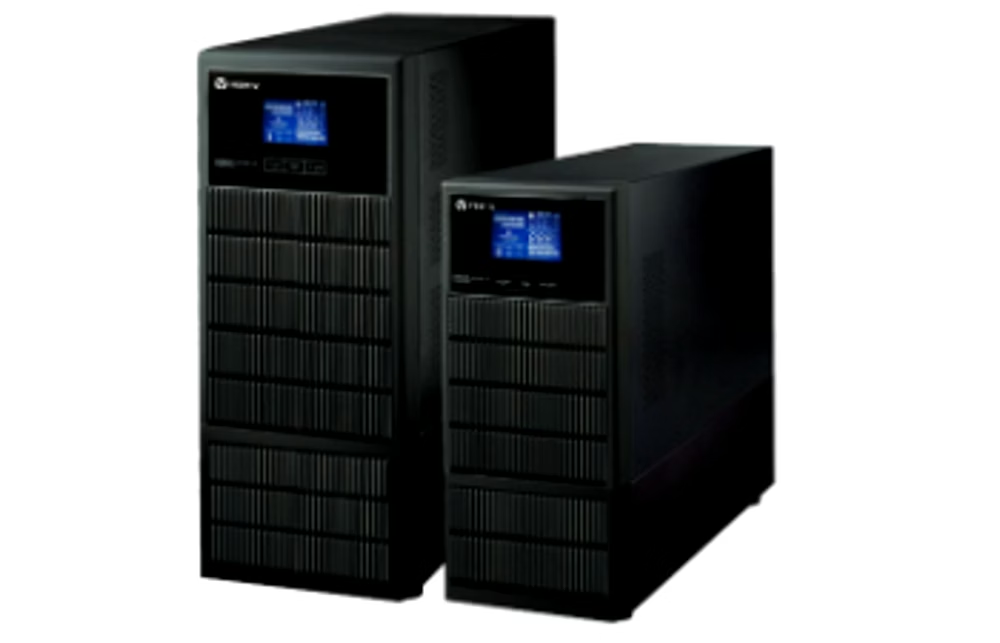
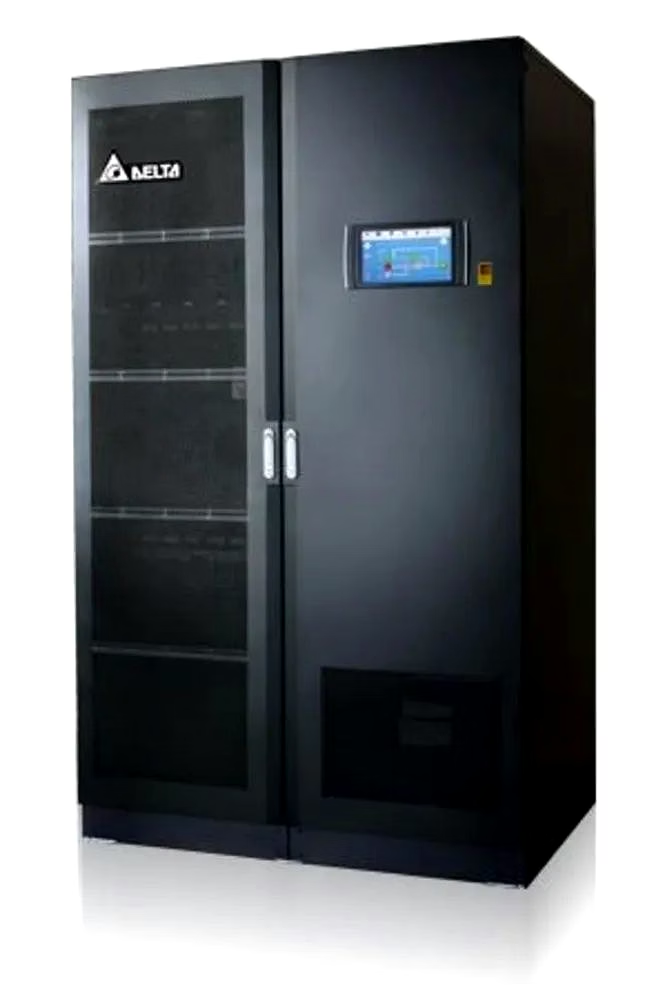
The technical framework of the Delta N series 6-10kVA UPS 6kVA utilize an inverter-rectifier architecture where high-frequency PWM switching synthesize a pure AC sine wave. The structural reasoning for this double-conversion logic is to provide "safe-state isolation"—at all times, the load is fed by a regulated DC bus, shielding it from mains sags, surges, and frequency fluctuations. measurement physics rely on a high-speed feedback loop; a failure in the voltage regulation circuit—due to component drift—leads to "waveform distortion," manifesting as harmonic heating in downstream server power supplies. This failure mode results in a 20% increase in energy waste and potential hardware failures. Quality consistency is managed through serialized performance curves that document the unit's regulation accuracy under 0% to 100% load variations. The internal control system partition protection logic from communication logic to prevent "firmware hang" failure modes from decommissioning the power path. If the unit detects an internal bus fault, the high-speed static bypass executes a zero-break transfer to mains, ensuring load continuity while the fault is remediated.
Functional Performance and operational stability in High-Density Racks
Operational efficiency is achieved through the UPS’s high-efficiency ECO mode and intelligent fan speed control, which reduce the facility’s localized heat load and energy overhead. functional performance centers on the unit’s ability to handle high motor-start inrush currents; failure to provide sufficient current-shaping results in "bypass trips" during equipment startup—effectively decommissioning the protection for all other rack modules. The 6 kVA unit utilize integrated thermal sensors that monitor IGBT and heatsink temperatures; if temperatures exceed safe thresholds—due to a fan failure—the unit triggers a "thermal alarm" and executes a controlled shutdown to prevent semiconductor rupture. In a real operational scenario, a failure to configure the charger profile correctly for the external Exide bank leads to "electrolyte dry-out" or sulfation, manifesting as a sudden loss of backup minutes during a grid outage. Integrated diagnostics report battery state-of-health (SoH) via the SNMP interface, enabling B2B facility managers to implement event-driven maintenance schedules. By establish a documented baseline of THDi (Total Harmonic Distortion), the operator effectively improves the facility's power quality, reducing utility penalties and energy costs.
Institutional Deployment and Logistical Readiness for Infrastructure Rollouts
Intended for medium data rooms, industrial control hubs, and clinical support circuits, the 6 kVA module is configured for the logistical requirements of multimodal multi-site procurement. Units ship in palletized crates with anti-vibration inserts and moisture-barrier film to protect the delicate logic boards and power modules during transport. Failure to implement shock-mitigating packaging can lead to "transformer humming" and loose electrical joints, manifesting as high-impedance faults weeks after installation. For international procurement, supply-readiness is supported through serialized test certificates and wiring diagrams (CE/IEC). Export-ready documentation include technical manuals and commissioning checklists provided with each lot to facilitate institutional asset registration and customs review. Packaging utilize humidity-control liners to prevent terminal oxidation during maritime transit. OEM branding and private-label firmware profiles are available for system builders requiring branded power protection. This high-authority approach ensure procurement teams receive verified, site-ready hardware that meet the performance and safety requirements of global manufacturing and healthcare markets, providing the logistical transparency needed for large-scale asset management.
Frequently Asked Questions
- How is the autonomy runtime configured? Autonomy is achieved by selecting an external battery capacity (26Ah to 150Ah) and adjusting the charger setpoints in the firmware.
- Which communication interfaces are standard? The unit includes SNMP, USB, RS232, and dry-contact relay outputs for comprehensive monitoring.
- What cooling requirements exist for the rack? Forced convection with front-to-back airflow is required; ensure specified clearances are maintained for thermal derating compliance.
- What documentation is supplied with shipments? Deliveries include serialized performance test logs, wiring schematics, and lot-level inspection certificates.
- Are formal standard references provided? Yes, batch test reports and conformity documents (IEC/ISO) accompany all lots.
Description provided by Shakti Power Solutions Pvt Limited.
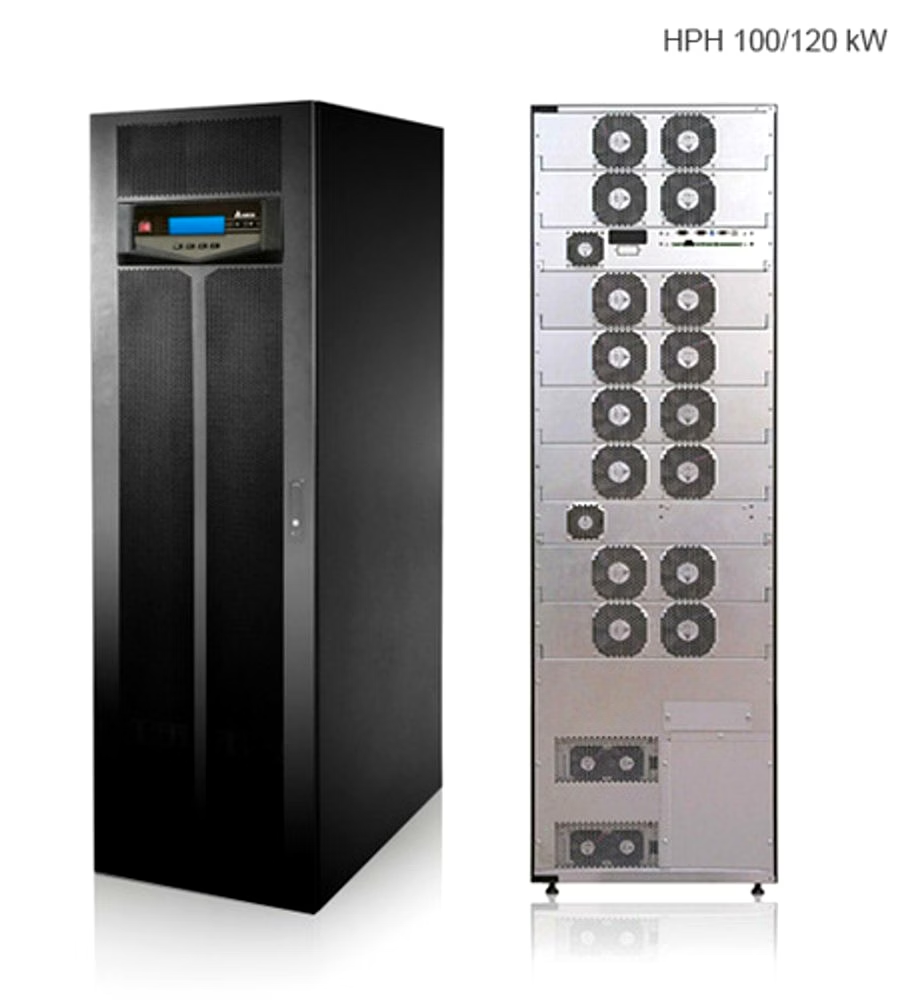
N+X module and system level redundancy
Ensures uninterrupted operation during maintenance
Output power factor up to 0.9
Multi-language LCD, LED status indicators
Two smart slots, six programmable dry contact outputs
Inbuilt maintenance and static bypass switch
External battery cabinet for longer backup time
Specifications
Model Name/Number
Delta NH Plus Series
Power Rating (kW)
18-108 kW
Configuration
3 Phase IN - 3 Phase OUT
Usage/Application
Industrial
Dimensions (W x D x H)
520 x 975 x 1695 mm
Relative Humidity
0 ~ 90% (non-condensing)
Power Quality
94% efficiency, iTHD 0.99, PF up to 0.9
Redundancy
N+X redundancy at module and system level
Maintenance
Hot-swappable modules, inbuilt maintenance bypass
Display and Control
Multi-language LCD, LED indicators, smart slots, programmable contacts