1/4
Export Ready

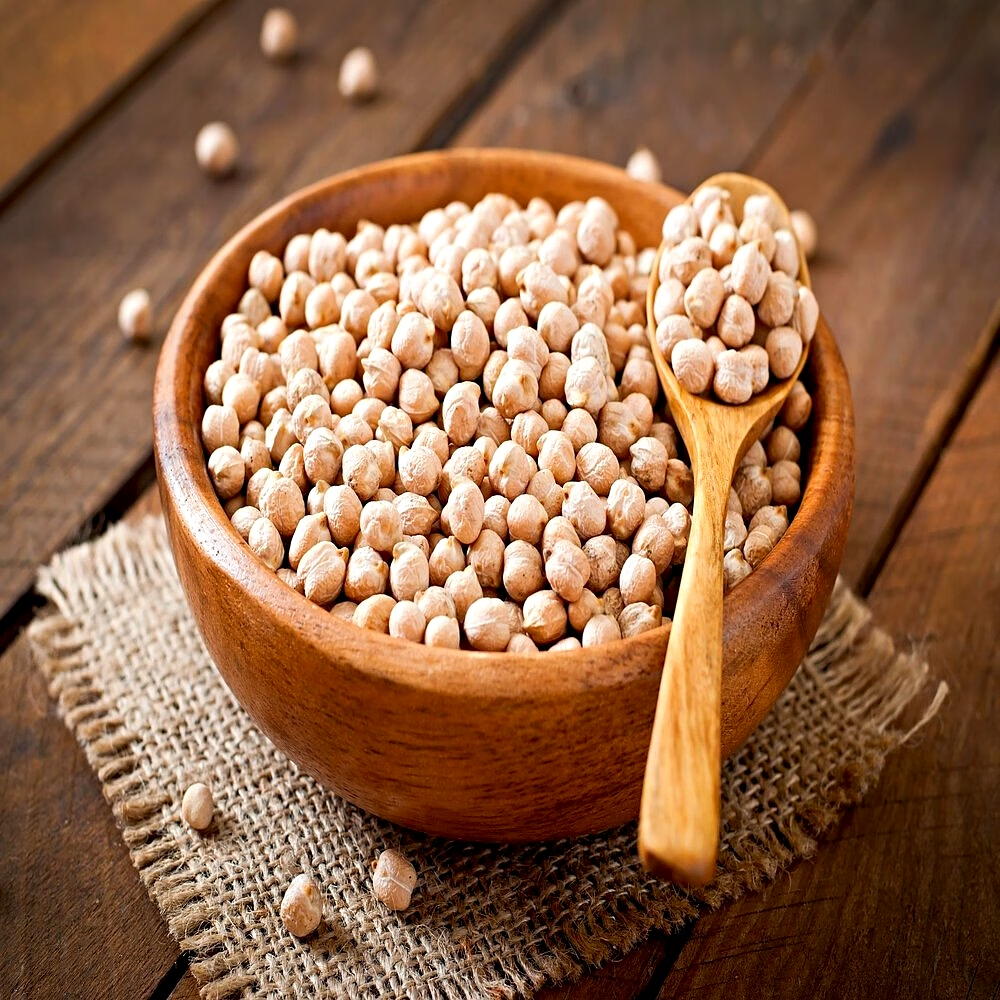
COWPEA

Sold by native product exports · Manufacturer, Distributor, Exporter, Importer, Wholesaler, Women Entrepreneur, Startup · Vadodara, Gujarat, India

Price
Price on request
In stock
Inclusive of all taxes
Minimum order: 1 Centimetre

Export Snapshot

MOQ
1 Centimetre
Lead time
On request
Packaging
Standard export packaging
Shelf life / longevity
As per product specification
HS Code
071331
Origin
India
Port of dispatch
On request
Export markets served
Australia flag AU Bahamas The flag BS Bahrain flag BH Belgium flag BE Brazil flag BR +61 others
Values shown are for native product exports.
Compliance & Certifications
Suitable for

Importers · Distributors · Wholesalers

Know your supplier

native product exports is a Manufacturer, Distributor, Exporter, Importer, Wholesaler, Women Entrepreneur, Startup based in Vadodara Gujarat India.

Vadodara Dispatch on request Verified seller
native product exports logo

Manufacturer, Distributor, Exporter, Importer, Wholesaler, Women Entrepreneur, Startup · Vadodara, Gujarat, India

Native Product Exports Private Limited is an innovative and dynamic startup based in India, committed to the import and export of high-quality agricultural, herbal, and spice products. With a deep-rooted focus on authenticity and sustainability, our mission is to bring the rich heritage and natural bounty of India’s diverse regions to the global community. At Native Product Exports, we specialize in offering a wide range of premium products, including spices, herbal ingredients, medicinal plants, grains, pulses, and other agricultural commodities. We carefully source each product from traditional farming communities in regions known for their unique agricultural practices and rich natural resources. This approach ensures that every product we export is of the highest quality, authentic in flavor, and deeply connected to the cultural and ecological diversity of its origin. Our diverse portfolio includes some of the most sought-after and revered products, such as the finest turmeric from India, rare Himalayan herbs, aromatic spices from Southeast Asia, and organic grains and pulses. Each product reflects not only the craftsmanship of local producers but also the unique soil, climate, and agricultural practices of its region. Through this commitment to authenticity, we bring the true essence of native agricultural and herbal goods to international markets.

Registered address: Vadodara, India. Industry: Agriculture & Agri Products > Agri Produce & Finished Products.

Established
2024
Employees
1–10
GST
24AAJCN6605J1ZC
IEC code
AAJCN6605J
Export markets
Australia flag AU Bahamas The flag BS Bahrain flag BH Belgium flag BE Brazil flag BR +61 others
GlobalLinker Member Since
Dec 2024
Turnover
10000001 - 50000000.
Incorporation Type
On request
Product details

What are the specifications of this product?

Overview

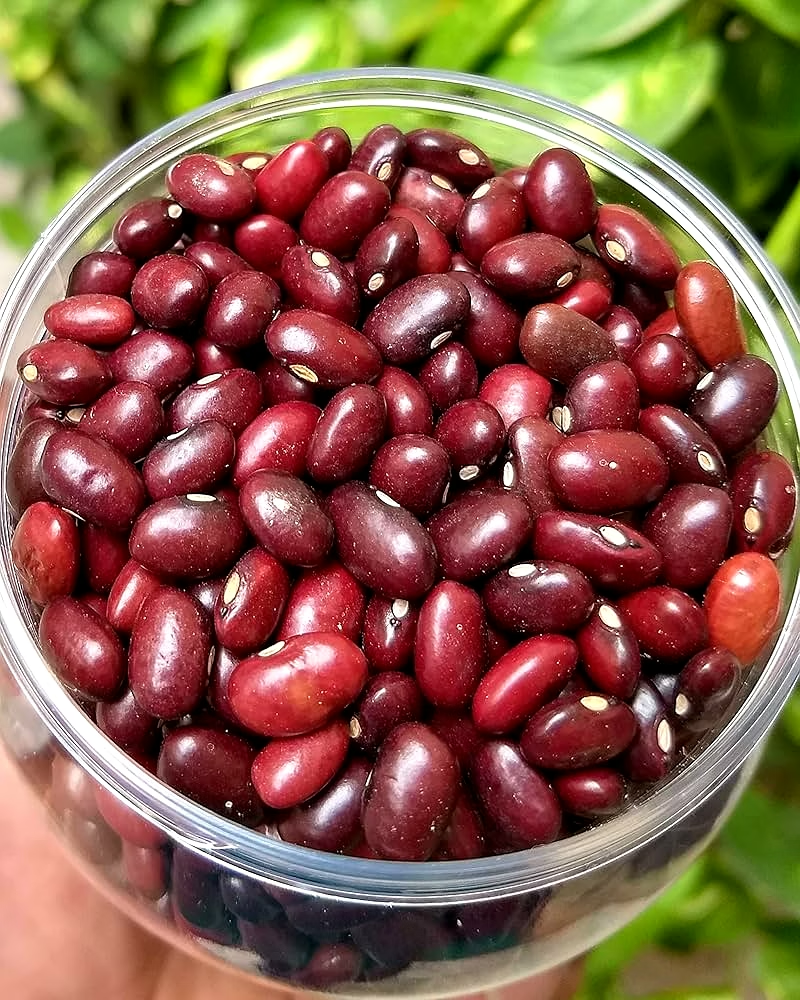
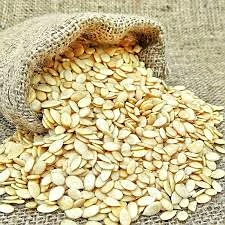
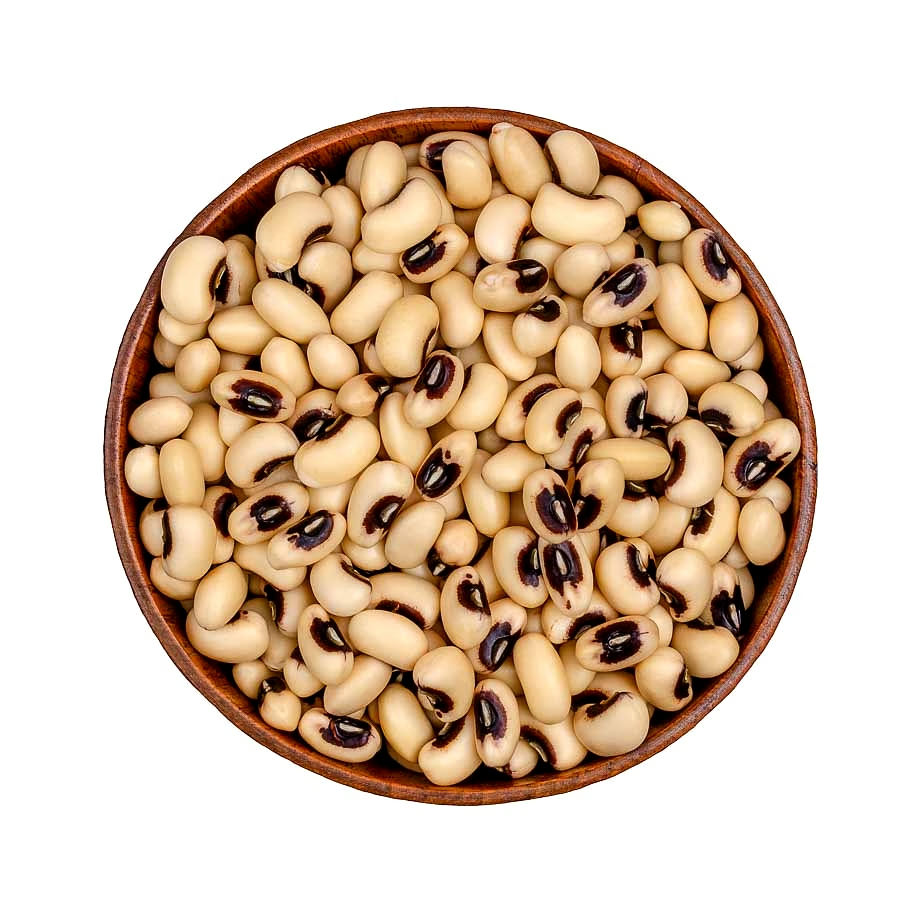
Cowpea, also known as black-eyed pea, is a versatile legume with multiple uses, including human food, animal feed, green manure, and forage. It is a nutritious crop, rich in protein, fiber, and essential minerals like iron and potassium. Cowpea is drought-resistant and can thrive in various climates, making it a valuable crop in many regions, especially in sub-Saharan Africa. 

Product Description

Key Features:

Nutritious: Cowpea is a good source of protein, fiber, and essential minerals.

Versatile: It can be consumed as a vegetable (immature pods and leaves) and as a grain (dried seeds).

Feed Source: Cowpea is a valuable feed for livestock, particularly during dry seasons.

Soil Improvement: Cowpea can be used as a cover crop and green manure, improving soil health.

Drought-resistant: It can tolerate dry conditions and is well-suited to arid and semi-arid regions.

Dual-purpose: Some varieties can be used for both human consumption (pods) and animal feed (stems and leaves).

Diverse Varieties: Cowpea exhibits significant genetic diversity, with various growth habits, leaf shapes, and seed characteristics.

Global Importance: It's a major crop in sub-Saharan Africa, with increasing production in other parts of the world. 

Description provided by native product exports.

Specifications

Scientific Name Vigna unguiculata
Common Names Cowpea, Black-eyed pea
Plant Type Annual legume
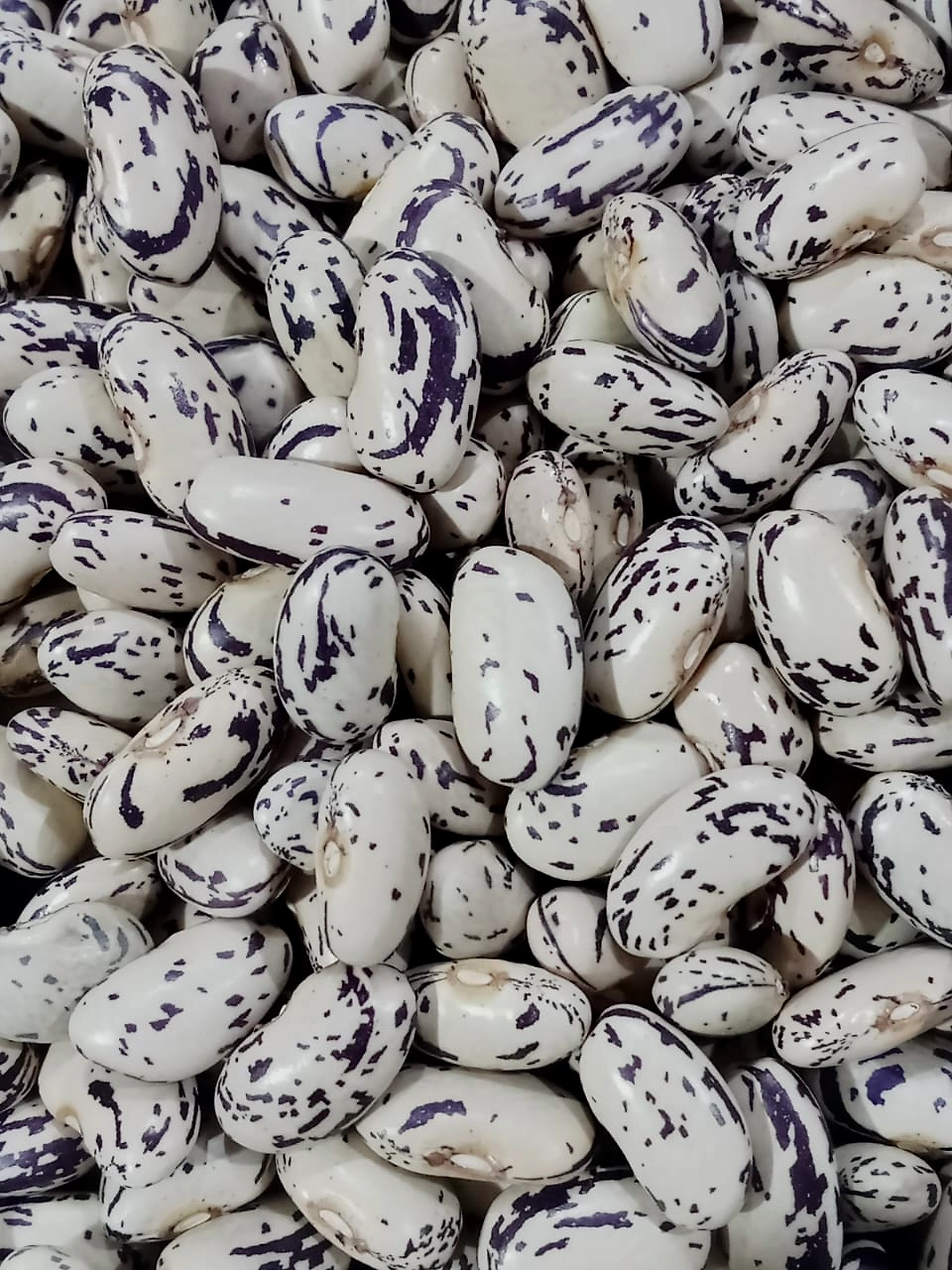
Seed Color Typically cream with black eye markings, varies by variety
Growth Habit Bush or climbing varieties available
Climate Adaptability Tolerates arid, semi-arid, and tropical climates
Soil Requirements Well-drained soils with moderate fertility
Harvest Time Varies by cultivar, generally 60 to 90 days after planting
Primary Uses Human consumption, animal feed, soil enhancement
Nutritional Components Protein (approx. 23-25%), fiber, iron, potassium

Use cases

Category food and beverage > cereals; pulses and food grains
Primary application Wholesale, distribution, and international sourcing
Brand native product exports
Product type Product

Logistics & handling

Lead time On request
Packaging As per buyer requirement
Storage condition As recommended by supplier
Origin India
Form As listed by supplier

Commercials (this seller)

Minimum order 1 Centimetre
Lead time On request
Payment terms As per negotiated commercial agreement.
Checkout type enquiry
Buyer questions

Frequently asked by buyers

Common questions B2B buyers ask before sourcing COWPEA. Answers compiled from verified sellers' commercial terms and platform data.

Q: How does cowpea contribute to improving soil fertility in farming systems?
A: Cowpea acts as a green manure and cover crop, fixing atmospheric nitrogen through symbiosis with Rhizobium bacteria, enhancing soil nitrogen levels and organic matter content, which improves soil fertility naturally without synthetic fertilizers.
Q: What makes cowpea particularly suitable for cultivation in drought-prone regions?
A: Cowpea’s deep root system and physiological adaptations enable it to tolerate low moisture conditions, making it resilient in arid and semi-arid environments where other crops might fail, thus ensuring crop productivity under drought stress.
Q: Which cowpea varieties are best suited for dual-purpose use for both human food and animal feed?
A: Certain bush-type cowpea varieties produce tender edible pods and leaves suitable for human consumption, while their stems and foliage serve efficiently as high-protein fodder for livestock, facilitating dual-purpose farming systems.
Q: What is the typical protein content in cowpea seeds, and how does it compare to other legumes?
A: Cowpea seeds contain approximately 23-25% protein, which is comparable to many common legumes, making it a valuable protein source in both human diets and animal nutrition.
Q: Can cowpea cultivation be integrated into crop rotation systems to enhance sustainable farming?
A: Yes, due to its nitrogen-fixing ability and soil-improving properties, cowpea fits well in crop rotation, reducing dependency on chemical fertilizers and improving subsequent crop yields.
Question not answered? Ask sellers directly — typical response within 4 hours.
COWPEA
COWPEA
Price on request · MOQ 1Centimetre