1/5
FIEO Registered FIEO Registered Export Ready

SAFFRON

Sold by indian xporter · Service Provider , Brand Owner, Distributor, Exporter, Importer, Wholesaler, Startup · Mumbai, Maharashtra, India

Price
Price on request
In stock
Inclusive of all taxes
Minimum order: 1 unit

Export Snapshot

MOQ
1 unit
Lead time
On request
Packaging
Standard export packaging
Shelf life / longevity
As per product specification
HS Code
0810
Origin
India
Port of dispatch
On request
Export markets served
Australia flag AU Canada flag CA France flag FR Turkey flag TR United Arab Emirates flag AE +2 others
Values shown are for indian xporter.
Compliance & Certifications
FIEO Registered FIEO Registered
Suitable for

Importers · Distributors · Wholesalers

Know your supplier

indian xporter is a Service Provider , Brand Owner, Distributor, Exporter, Importer, Wholesaler, Startup based in Mumbai Maharashtra India.

Mumbai Dispatch on request FIEO member
indian xporter logo

Service Provider , Brand Owner, Distributor, Exporter, Importer, Wholesaler, Startup · Mumbai, Maharashtra, India

Indian Xporter is a trusted merchant export company delivering high-quality food products, FMCG goods, medical consumables, industrial supplies and general merchandise to global markets. With a strong network of verified manufacturers across India, we offer competitive pricing, consistent quality and reliable end-to-end export solutions. Our operations focus on transparent sourcing, strict quality control, professional documentation and on-time shipping for both LCL and FCL orders. Whether supplying cashews, rice, spices, healthcare products or customized OEM/white-label goods, Indian Xporter serves as a dependable global sourcing partner for importers, distributors, retailers and wholesalers worldwide.

Registered address: Navi Mumbai, India. Industry: Agriculture & Agri Products > Agri Produce & Finished Products.

Established
2022
Employees
11–30
GST
27AAJCT2452P1ZR
IEC code
AAJCT2452P
Export markets
Australia flag AU Canada flag CA France flag FR Turkey flag TR United Arab Emirates flag AE +2 others
GlobalLinker Member Since
May 2023
Turnover
50000001 - 100000000.
Incorporation Type
On request
Product details

What are the specifications of this product?

Overview

Saffron, scientifically known as Crocus sativus, is a spice derived from the flower of the saffron crocus. It is one of the most expensive and sought-after spices in the world. Here are some key aspects of saffron: Botanical Source: Saffron comes from the stigma (the female reproductive part) of the flower Crocus sativus, commonly known as the saffron crocus. Geographic Origin: Saffron is believed to have originated in Southwest Asia, but it is now cultivated in various countries, including Iran, India, Spain, Greece, and Morocco. Harvesting Process: Saffron is harvested by carefully plucking the red stigmas from the flowers. Each flower produces only a few threads, and a large number of flowers are required to obtain a significant quantity of saffron. Appearance: Saffron threads are deep red in color with an orange-red hue at the tips. The threads are delicate and need to be handled with care. Flavor and Aroma: Saffron imparts a unique flavor and aroma to dishes. It has a subtle, floral, and slightly sweet taste with a hint of bitterness. The aroma is often described as earthy and hay-like. Culinary Uses: Saffron is used as a spice and coloring agent in various cuisines, particularly in Middle Eastern, Indian, and Mediterranean dishes. It is a key ingredient in dishes such as paella, biryani, and risotto. Coloring Properties: Saffron is known for its vibrant coloring properties. It can impart a rich golden-yellow hue to food, making it visually appealing. Medicinal Uses: Traditionally, saffron has been used in traditional medicine for its potential health benefits. It is believed to have antioxidant and anti-inflammatory properties. It has also been used in some cultures to address conditions like insomnia and mood disorders. Expensive Spice: Saffron is one of the most expensive spices by weight due to the labor-intensive process of harvesting and the large quantity of flowers needed to produce a small amount of saffron. Saffron Cultivation: Saffron cultivation requires specific environmental conditions, including well-drained soil and a dry climate with hot summers and cold winters. The flowers bloom in the fall, and the saffron threads are harvested during this period. Grade of Saffron: Saffron is graded based on factors such as color, aroma, and length of the threads. The highest quality saffron is often referred to as "red gold." Substitutes: While there is no exact substitute for saffron, turmeric or safflower (Carthamus tinctorius) can be used to provide a similar yellow color in dishes. However, they do not replicate the unique flavor of saffron. Storage: Saffron should be stored in an airtight container away from light and moisture to preserve its flavor and color

Product Description

Saffron, scientifically known as Crocus sativus, is a spice derived from the flower of the saffron crocus. It is one of the most expensive and sought-after spices in the world. Here are some key aspects of saffron:


Botanical Source:


Saffron comes from the stigma (the female reproductive part) of the flower Crocus sativus, commonly known as the saffron crocus.

Geographic Origin:


Saffron is believed to have originated in Southwest Asia, but it is now cultivated in various countries, including Iran, India, Spain, Greece, and Morocco.

Harvesting Process:


Saffron is harvested by carefully plucking the red stigmas from the flowers. Each flower produces only a few threads, and a large number of flowers are required to obtain a significant quantity of saffron.

Appearance:


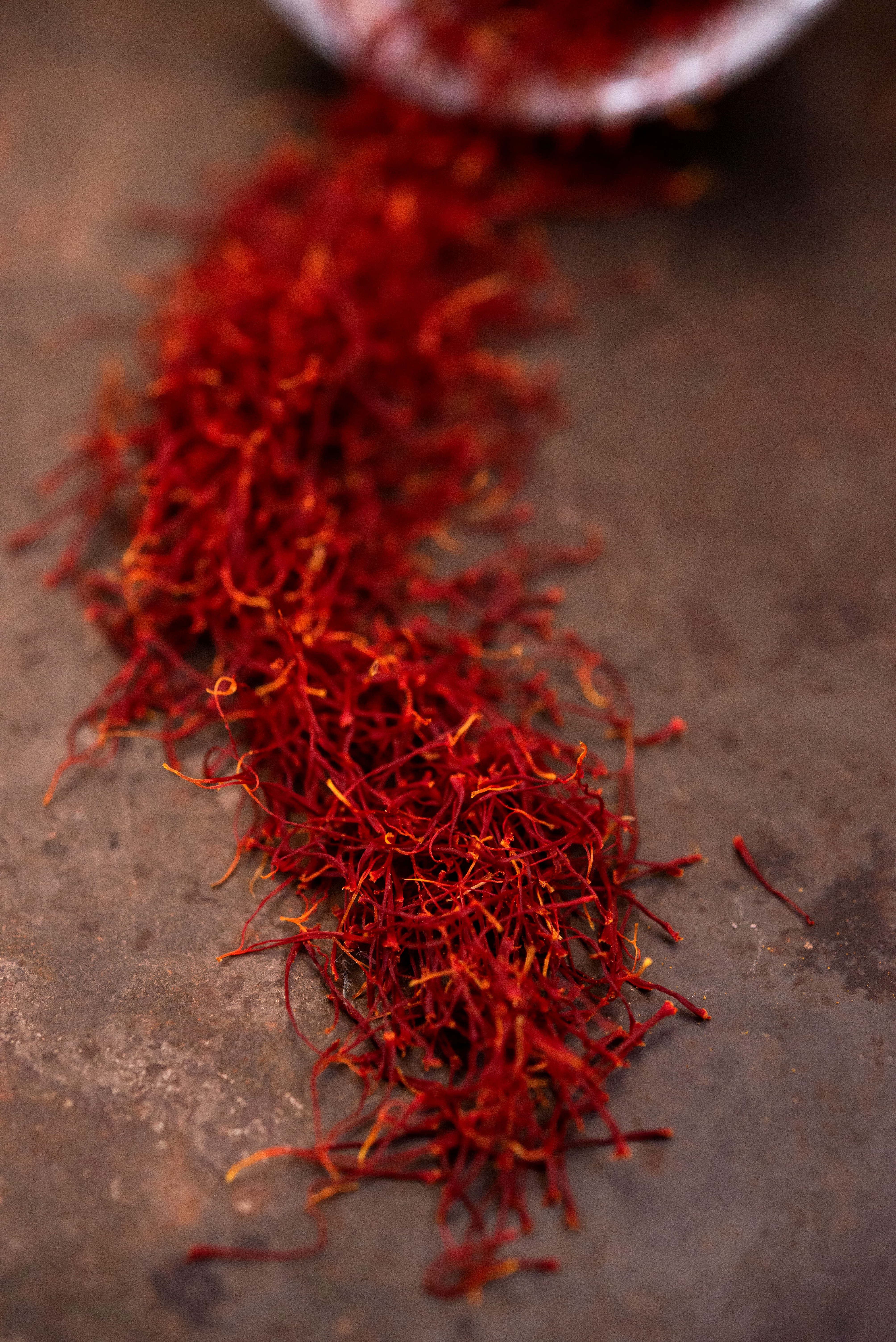
Saffron threads are deep red in color with an orange-red hue at the tips. The threads are delicate and need to be handled with care.

Flavor and Aroma:


Saffron imparts a unique flavor and aroma to dishes. It has a subtle, floral, and slightly sweet taste with a hint of bitterness.

The aroma is often described as earthy and hay-like.

Culinary Uses:


Saffron is used as a spice and coloring agent in various cuisines, particularly in Middle Eastern, Indian, and Mediterranean dishes.

It is a key ingredient in dishes such as paella, biryani, and risotto.

Coloring Properties:


Saffron is known for its vibrant coloring properties. It can impart a rich golden-yellow hue to food, making it visually appealing.

Medicinal Uses:


Traditionally, saffron has been used in traditional medicine for its potential health benefits. It is believed to have antioxidant and anti-inflammatory properties.

It has also been used in some cultures to address conditions like insomnia and mood disorders.

Expensive Spice:


Saffron is one of the most expensive spices by weight due to the labor-intensive process of harvesting and the large quantity of flowers needed to produce a small amount of saffron.

Saffron Cultivation:


Saffron cultivation requires specific environmental conditions, including well-drained soil and a dry climate with hot summers and cold winters.

The flowers bloom in the fall, and the saffron threads are harvested during this period.

Grade of Saffron:


Saffron is graded based on factors such as color, aroma, and length of the threads. The highest quality saffron is often referred to as "red gold."

Substitutes:


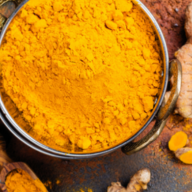
While there is no exact substitute for saffron, turmeric or safflower (Carthamus tinctorius) can be used to provide a similar yellow color in dishes. However, they do not replicate the unique flavor of saffron.

Storage:


Saffron should be stored in an airtight container away from light and moisture to preserve its flavor and color

Description provided by indian xporter.

Specifications

Scientific Name Crocus sativus
Part Used Dried stigmas
Origin Countries Iran, India, Spain, Greece, Morocco
Harvest Season Fall (Autumn)
Cultivation Requirements Well-drained soil, dry climate, hot summers, cold winters
Typical Thread Length About 2-3 cm
Coloring Strength High
Recommended Storage Airtight container, dark, cool, dry place
Grade Classification Based on ISO saffron standards
Common Substitutes Turmeric, Safflower (color only, no flavor replication)

Use cases

Category Food Ingredients > Spices > Saffron
Primary application Wholesale, distribution, and international sourcing
Brand Not specified
Product type Product

Logistics & handling

Lead time On request
Packaging As per buyer requirement
Storage condition As recommended by supplier
Origin India
Form As listed by supplier

Commercials (this seller)

Minimum order 1 unit
Lead time On request
Payment terms As per negotiated commercial agreement.
Checkout type enquiry
Buyer questions

Frequently asked by buyers

Common questions B2B buyers ask before sourcing SAFFRON. Answers compiled from verified sellers' commercial terms and platform data.

Q: What distinguishes high-grade saffron from lower quality variants?
A: High-grade saffron threads exhibit deep vivid red color with longer, unbroken threads, possess stronger aroma and flavor intensity, and are free of yellow or white styles. Authentic grading includes ISO standards based on crocin, picrocrocin, and safranal content.
Q: How should saffron be stored to preserve its quality over time?
A: Saffron must be stored in airtight, opaque containers, in a cool, dry place away from direct sunlight and humidity. Proper storage prevents degradation of color and aroma and extends shelf life significantly.
Q: Can saffron be used as both a flavoring and a coloring agent in food products?
A: Yes, saffron uniquely imparts a subtle floral flavor with bitter undertones while simultaneously providing a vibrant golden-yellow hue to various dishes, making it ideal for multi-sensory culinary enhancement.
Q: What environmental conditions are necessary for optimal saffron cultivation?
A: Saffron requires well-drained soils, a dry climate with hot summers and cold winters, and seasonal flowering in autumn for successful stigma harvesting. These conditions ensure high-quality thread development.
Q: What is the average yield of saffron threads from saffron crocus flowers during harvesting?
A: On average, it takes around 150,000 flowers to produce one kilogram of dried saffron threads due to each flower only yielding three vivid red stigmas.
Question not answered? Ask sellers directly — typical response within 4 hours.
SAFFRON
SAFFRON
Price on request · MOQ 1unit