1/2
Export Ready

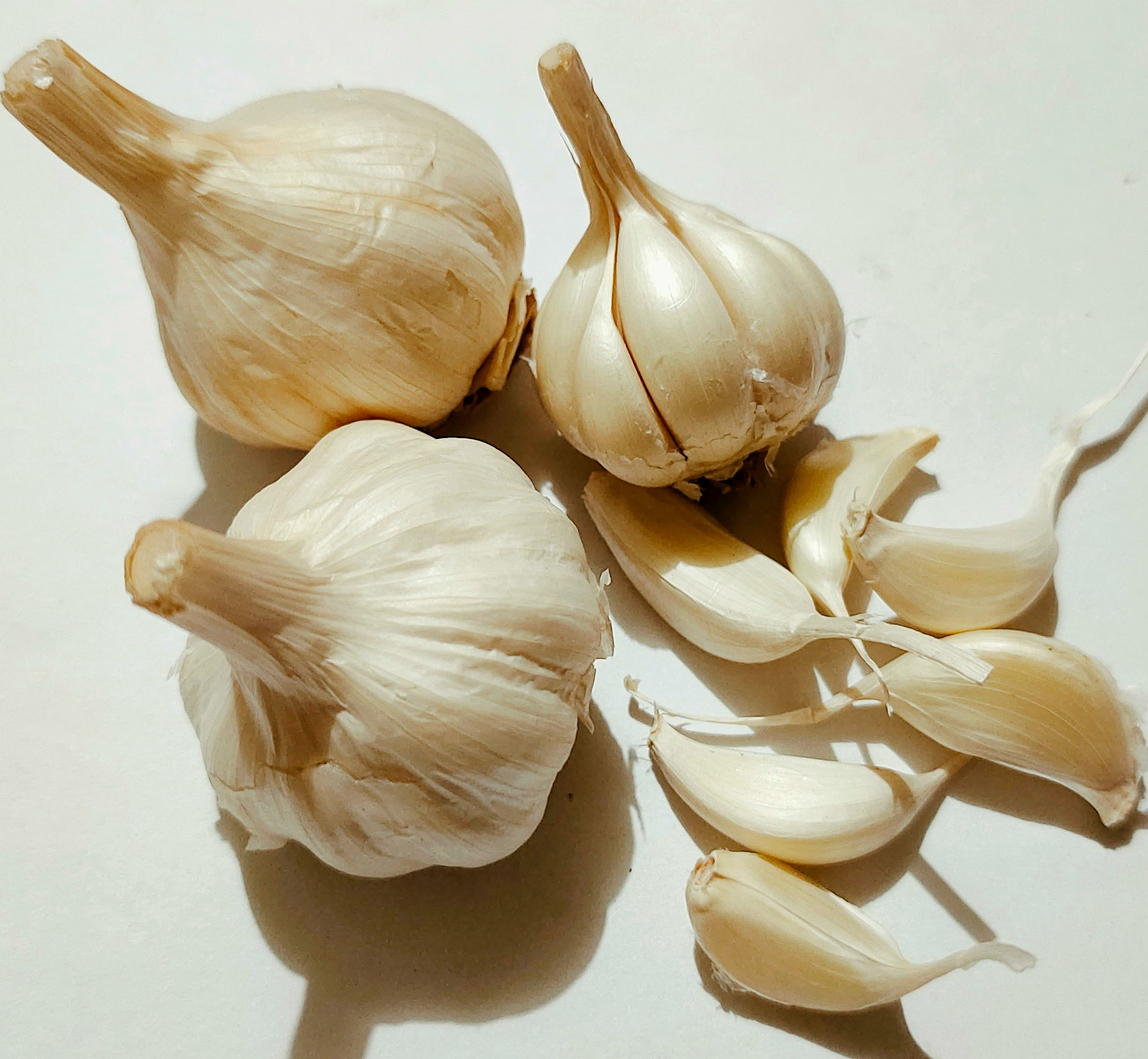
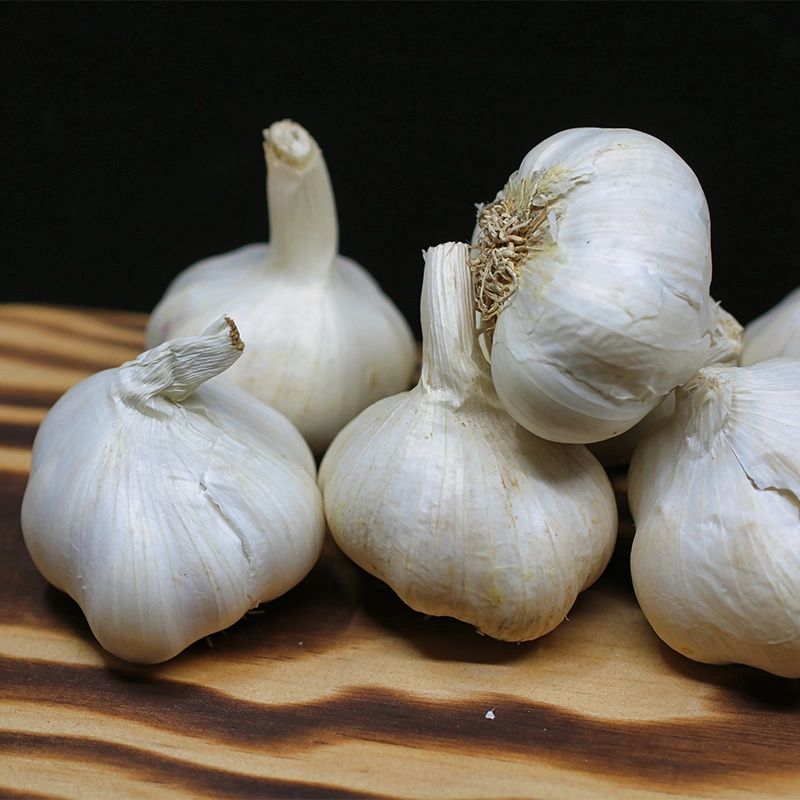
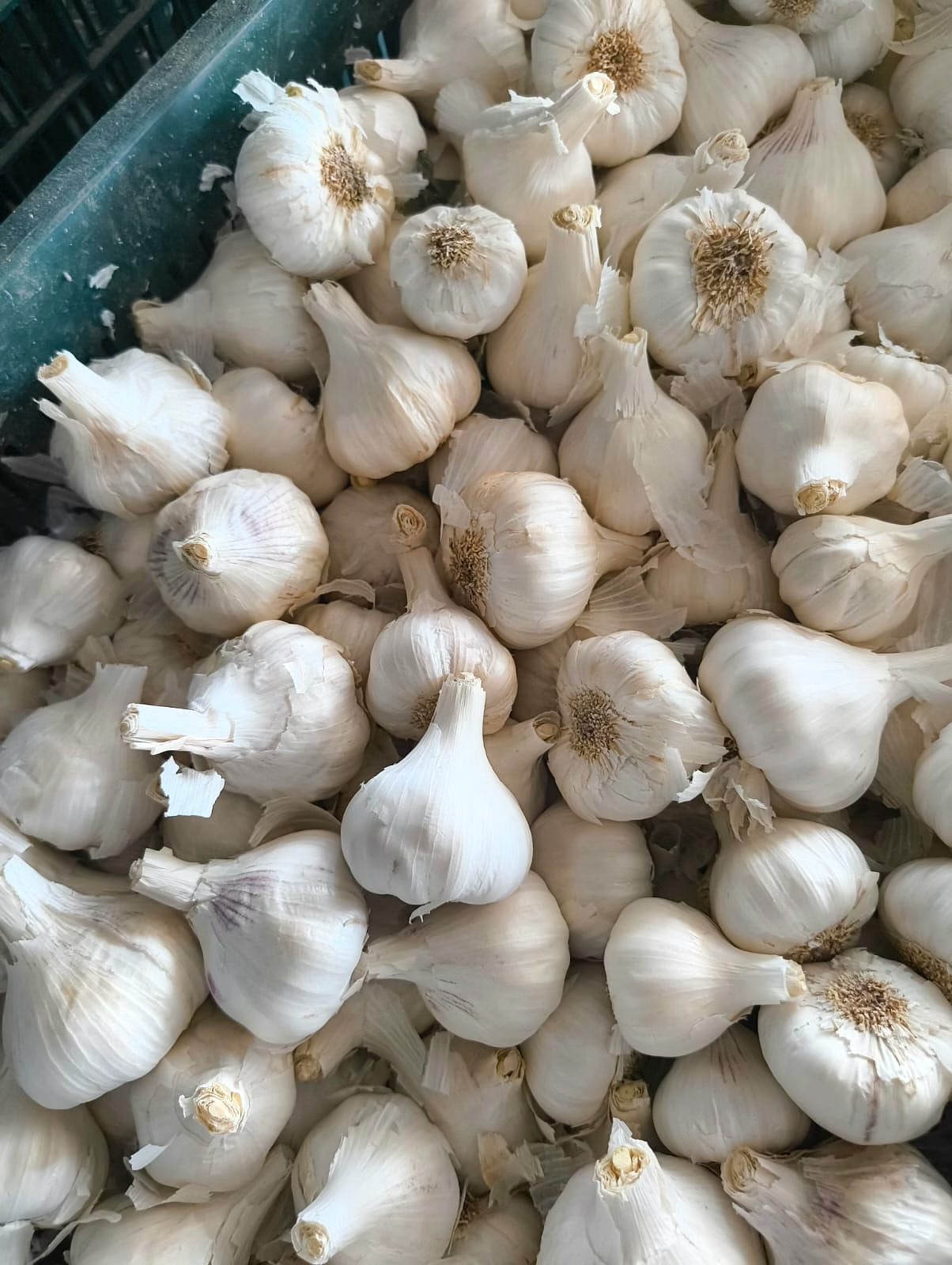
Garlic

Sold by chaitanya agro exports · Manufacturer, Retailer, Distributor, Exporter, Wholesaler, Startup · Kotah City, Rajasthan, India

Price
Price on request
In stock
Minimum order: 1 Kilogram

Export Snapshot

MOQ
1 Kilogram
Lead time
On request
Packaging
Standard export packaging
Shelf life / longevity
As per product specification
HS Code
0709
Origin
India
Port of dispatch
On request
Export markets served
Global markets
Values shown are for chaitanya agro exports.
Compliance & Certifications
Suitable for

Importers · Distributors · Wholesalers

Know your supplier

chaitanya agro exports is a Manufacturer, Retailer, Distributor, Exporter, Wholesaler, Startup based in Kotah City Rajasthan India.

Kotah City Dispatch on request Verified seller
chaitanya agro exports logo

Manufacturer, Retailer, Distributor, Exporter, Wholesaler, Startup · Kotah City, Rajasthan, India

Registered address: Kota, India. Industry: Agriculture & Agri Products > Agri Produce & Finished Products.

Established
Not shared
Employees
GST
NOT SHARED
IEC code
AIBPJ2692N
Export markets
Global markets
GlobalLinker Member Since
Mar 2025
Turnover
Incorporation Type
On request
Product details

What are the specifications of this product?

Overview

Garlic grown in the Hadoti area of Rajasthan, particularly in districts like Chittorgarh, Pratapgarh, and Kota, is a significant agricultural product known for its culinary and medicinal uses. Overview of Garlic Cultivation in Hadoti Climatic Conditions Garlic (Allium sativum) thrives in the temperate climate of Rajasthan, which features cold winters ideal for its growth. The region's soil conditions, primarily loamy and well-drained soils, further enhance garlic cultivation. Production Statistics Rajasthan is one of the leading states for garlic production in India, with significant contributions from the Hadoti region. The area under garlic cultivation in Rajasthan is approximately 112,891 hectares, yielding around 755,350 metric tons annually. Specific districts like Baran and Jhalawar are notable for their high production levels, with Baran alone producing over 292,000 metric tons. Varieties Grown Several garlic varieties are cultivated in the Hadoti region: Yamuna Safed (G-1): Known for its adaptability to North Indian climates. Agrifound White (G-41): Popular for its high yield and quality. Godavari: Another variety favored for its robust growth characteristics. Cultivation Practices Farmers in the Hadoti region employ both traditional and modern farming techniques to optimize yield. These include: -Soil preparation and fertilization tailored to garlic's nutrient needs. -Pest management strategies to combat common garlic pests. -Irrigation practices that ensure adequate moisture without waterlogging. Economic Importance Garlic plays a crucial role in the local economy, providing livelihoods for many farmers. Its demand extends beyond domestic markets to international exports, particularly as consumers increasingly seek organic and value-added garlic products. Health Benefits Garlic is not only valued for its flavor but also for its health benefits. It contains compounds like allicin, known for their antibacterial properties and potential health benefits including anti-inflammatory effects and support for cardiovascular health. In summary, garlic cultivation in the Hadoti region of Rajasthan is characterized by favorable climatic conditions, diverse varieties, and significant economic impact, making it a vital crop for both local consumption and export markets.

Product Description

Garlic grown in the Hadoti area of Rajasthan, particularly in districts like Chittorgarh, Pratapgarh, and Kota, is a significant agricultural product known for its culinary and medicinal uses.


Overview of Garlic Cultivation in Hadoti


Climatic Conditions

Garlic (Allium sativum) thrives in the temperate climate of Rajasthan, which features cold winters ideal for its growth. The region's soil conditions, primarily loamy and well-drained soils, further enhance garlic cultivation.


Production Statistics

Rajasthan is one of the leading states for garlic production in India, with significant contributions from the Hadoti region.

The area under garlic cultivation in Rajasthan is approximately 112,891 hectares, yielding around 755,350 metric tons annually.

Specific districts like Baran and Jhalawar are notable for their high production levels, with Baran alone producing over 292,000 metric tons.


Varieties Grown

Several garlic varieties are cultivated in the Hadoti region:

Yamuna Safed (G-1): Known for its adaptability to North Indian climates.

Agrifound White (G-41): Popular for its high yield and quality.

Godavari: Another variety favored for its robust growth characteristics.


Cultivation Practices

Farmers in the Hadoti region employ both traditional and modern farming techniques to optimize yield. These include:

-Soil preparation and fertilization tailored to garlic's nutrient needs.

-Pest management strategies to combat common garlic pests.

-Irrigation practices that ensure adequate moisture without waterlogging.


Economic Importance

Garlic plays a crucial role in the local economy, providing livelihoods for many farmers. Its demand extends beyond domestic markets to international exports, particularly as consumers increasingly seek organic and value-added garlic products.


Health Benefits

Garlic is not only valued for its flavor but also for its health benefits. It contains compounds like allicin, known for their antibacterial properties and potential health benefits including anti-inflammatory effects and support for cardiovascular health.


In summary, garlic cultivation in the Hadoti region of Rajasthan is characterized by favorable climatic conditions, diverse varieties, and significant economic impact, making it a vital crop for both local consumption and export markets.

Description provided by chaitanya agro exports.

Specifications

Scientific Name Allium sativum
Package Type Bulk supply or custom packaging options available as per buyer requirements
Shelf Life 6-9 months when stored under recommended conditions
Quality Grade Premium grade suitable for culinary, medicinal, and processing uses
Moisture Content Typically 60-65% fresh weight
Bulb Size Medium to large sized bulbs depending on variety
Harvest Season Primarily winter season harvest
Pest Management Integrated pest management including organic options
Irrigation Type Drip and furrow irrigation methods employed
Export Readiness Meets quality standards for international food markets

Use cases

Category Agricultural Products > Fresh Vegetables > Allium Vegetables > Garlic
Primary application Wholesale, distribution, and international sourcing
Brand Not specified
Product type Product

Logistics & handling

Lead time On request
Packaging As per buyer requirement
Storage condition As recommended by supplier
Origin India
Form As listed by supplier

Commercials (this seller)

Minimum order 1 Kilogram
Lead time On request
Payment terms As per negotiated commercial agreement.
Checkout type enquiry
Buyer questions

Frequently asked by buyers

Common questions B2B buyers ask before sourcing Garlic. Answers compiled from verified sellers' commercial terms and platform data.

Q: Which garlic varieties are predominant in the Hadoti region?
A: The main garlic varieties cultivated in the Hadoti region include Yamuna Safed (G-1), Agrifound White (G-41), and Godavari, chosen for their adaptability and yield performance.
Q: What climatic conditions make Hadoti suitable for garlic cultivation?
A: Hadoti's temperate climate with cold winters and well-drained loamy soils provide an ideal environment for garlic growth and bulb development.
Q: How do farmers in Hadoti manage pests in garlic cultivation?
A: Farmers use integrated pest management strategies combining traditional knowledge with modern techniques, including organic pest control measures.
Q: Is the Hadoti garlic suitable for export markets?
A: Yes, the garlic produced meets international quality standards, making it suitable for export alongside domestic consumption.
Q: What economic role does garlic play in the Hadoti region?
A: Garlic cultivation supports many farmers' livelihoods and contributes significantly to the local economy through both domestic sales and exports.
Q: What are the primary uses of Hadoti garlic in industries?
A: Hadoti garlic is mainly used in the culinary sector, pharmaceuticals for its medicinal properties, and in value-added garlic-based products.
Q: What is the typical shelf life of garlic grown in Hadoti under proper storage?
A: When stored under recommended cool and dry conditions, Hadoti garlic typically has a shelf life of 6 to 9 months.
Question not answered? Ask sellers directly — typical response within 4 hours.
No additional products available right now.
Garlic
Garlic
Price on request · MOQ 1Kilogram