
Our Products
Latest
Name (A-Z)
Name (Z-A)
Showing 1-10 of 10 products
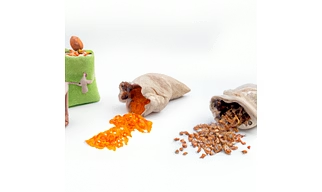
Wheat Flour
Wheat flour is a fundamental ingredient in baking and cooking, derived from finely ground wheat grains. It is essential for making bread, pastries, cakes, and other baked goods. The protein content in wheat flour determines its gluten strength, influencing the texture of the final product. High-protein flours are preferred for bread due to their structural support, while low-protein flours are better for delicate pastries. Enriched wheat flour contains added nutrients like iron and B vitamins, enhancing its health benefits. To preserve its quality and prevent spoilage, wheat flour should be stored in a cool, dry environment.
Price on Request
1 KG
MOQ
Whole Wheat Flour
Whole wheat flour is a nutritious flour made by grinding the entire wheat kernel, preserving all its natural components: bran, germ, and endosperm. This results in a flour rich in fiber, vitamins, and minerals, offering health benefits over refined flours. It imparts a denser texture and a nutty flavor to baked goods, making it ideal for bread, muffins, and pancakes. The high fiber content supports digestive health and promotes satiety, aiding in weight control. However, the natural oils present can lead to a shorter shelf life, necessitating proper storage to maintain freshness and prevent spoilage.
Price on Request
1 KG
MOQ
Wheat Bran
Wheat bran, the outer layer of the wheat kernel, is a nutrient-dense byproduct of the milling process. It is exceptionally high in dietary fiber, which supports digestive health and regularity. Additionally, wheat bran contains essential fatty acids, proteins, B vitamins, and minerals such as iron and magnesium. Regular consumption can contribute to heart health by reducing cholesterol levels and assist in weight management by inducing satiety. Wheat bran is versatile and can be incorporated into various foods, including cereals, baked goods, smoothies, and yogurt, to boost their nutritional value.
Price on Request
1 KG
MOQ
Wheat Semolina
Wheat semolina, commonly referred to as 'suji' or 'rava' in India, is a coarse flour derived from durum wheat. It serves as a key ingredient in numerous dishes, including pasta, couscous, upma, and halwa. Semolina is valued for its high protein content and complex carbohydrates, which provide long-lasting energy. Additionally, it offers essential nutrients such as iron, magnesium, and B vitamins. Its coarse texture contributes to the distinctive consistency of certain baked goods and makes it suitable as a thickening agent in various recipes. To preserve its quality and prevent contamination, semolina should be stored in airtight containers.
Price on Request
1 KG
MOQ
Wheat Germ
Wheat germ, the embryo of the wheat kernel, is packed with essential nutrients such as vitamin E, folic acid, phosphorus, thiamine, zinc, and magnesium. It also provides a good amount of protein and healthy fats, contributing to overall health. Wheat germ can be easily added to various foods, including cereals, yogurt, salads, smoothies, and baked goods, to boost their nutritional value. However, its high oil content makes it susceptible to rancidity, so proper storage in a refrigerator is recommended to preserve its freshness and prevent spoilage.
Price on Request
1 KG
MOQ
Wheat Dalia
Wheat dalia, or cracked wheat, is produced by coarsely grinding whole wheat grains, retaining all their nutritional components. It is commonly used in Indian dishes such as porridge, upma, and khichdi. High in dietary fiber, wheat dalia supports digestive health and helps regulate blood sugar levels. It is also a good source of iron, magnesium, and B vitamins. With a low glycemic index, it is beneficial for individuals with diabetes and those aiming for weight management. Its chewy texture and mild, nutty flavor make it adaptable for various culinary applications, both sweet and savory.
Price on Request
1 KG
MOQ
Wheat Rava
Wheat rava, commonly referred to as semolina or 'suji', is a coarse flour derived from durum wheat. It serves as a key ingredient in numerous Indian dishes, including upma, halwa, and idli. Wheat rava is valued for its high protein content and complex carbohydrates, which provide long-lasting energy. Additionally, it offers essential nutrients such as iron, magnesium, and B vitamins. Its coarse texture contributes to the distinctive consistency of certain baked goods and makes it suitable as a thickening agent in various recipes. To preserve its quality and prevent contamination, wheat rava should be stored in airtight containers.
Price on Request
1 KG
MOQ
Wheat Maida
Wheat maida, or all-purpose flour, is a refined and bleached wheat flour widely used in baking and cooking. It serves as the base ingredient for various products, including bread, pastries, cakes, and noodles. Maida's soft texture and neutral flavor make it suitable for a range of culinary applications. However, the refining process strips away most of the fiber and some nutrients, reducing its nutritional value compared to whole wheat flour. To address this, maida is often fortified with essential vitamins and minerals. Storing it in a cool, dry environment is crucial to preserve its quality and prevent deterioration.
Price on Request
1 KG
MOQ
Wheat Suji
Wheat suji, commonly referred to as semolina, is a coarse flour derived from durum wheat. It serves as a key ingredient in numerous Indian dishes, including upma, halwa, and idli. Suji is valued for its high protein content and complex carbohydrates, which provide long-lasting energy. Additionally, it offers essential nutrients such as iron, magnesium, and B vitamins. Its coarse texture contributes to the distinctive consistency of certain baked goods and makes it suitable as a thickening agent in various recipes. To preserve its quality and prevent contamination, suji should be stored in airtight containers.
Price on Request
1 KG
MOQ

Wheat Grains
Wheat grains are versatile and nutritious, serving as a primary ingredient in numerous food products. They are rich in carbohydrates and essential nutrients, making them a staple in diets worldwide. The grains can be processed into flour for baking bread, making pasta, and producing cereals. Additionally, they play a role in brewing and distilling industries. The quality of wheat grains is influenced by protein content, moisture levels, and kernel hardness. Proper storage is essential to preserve their quality and prevent spoilage. Cultivated in diverse regions, different wheat varieties are adapted to specific climates and soils.
Price on Request
1 Kilogram
MOQ

 GL Trustmark