SOYA BEAN
Sold by indian xporter · Service Provider , Brand Owner, Distributor, Exporter, Importer, Wholesaler, Startup · Mumbai, Maharashtra, India
AU
CA
FR
TR
AE
+2 others
Importers · Distributors · Wholesalers
indian xporter is a Service Provider , Brand Owner, Distributor, Exporter, Importer, Wholesaler, Startup based in Mumbai Maharashtra India.
Service Provider , Brand Owner, Distributor, Exporter, Importer, Wholesaler, Startup · Mumbai, Maharashtra, India
Indian Xporter is a trusted merchant export company delivering high-quality food products, FMCG goods, medical consumables, industrial supplies and general merchandise to global markets. With a strong network of verified manufacturers across India, we offer competitive pricing, consistent quality and reliable end-to-end export solutions. Our operations focus on transparent sourcing, strict quality control, professional documentation and on-time shipping for both LCL and FCL orders. Whether supplying cashews, rice, spices, healthcare products or customized OEM/white-label goods, Indian Xporter serves as a dependable global sourcing partner for importers, distributors, retailers and wholesalers worldwide.
Registered address: Navi Mumbai, India. Industry: Agriculture & Agri Products > Agri Produce & Finished Products.
AU
CA
FR
TR
AE
+2 others
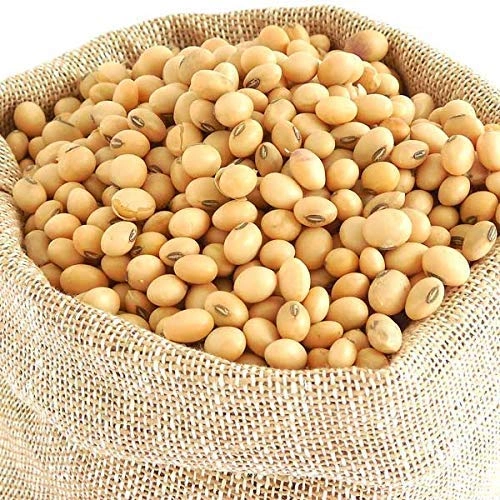
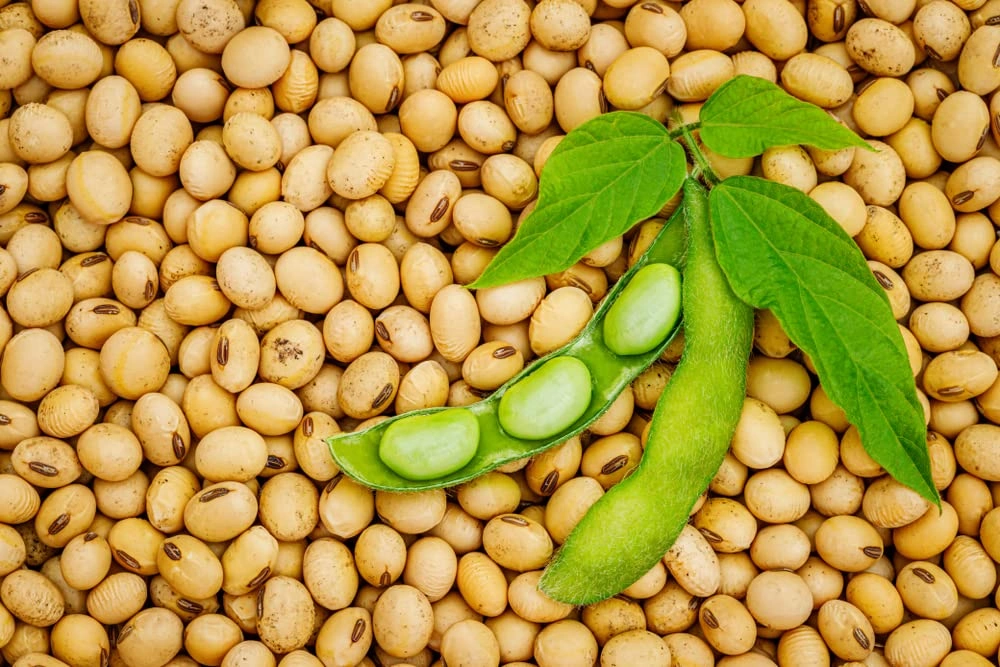
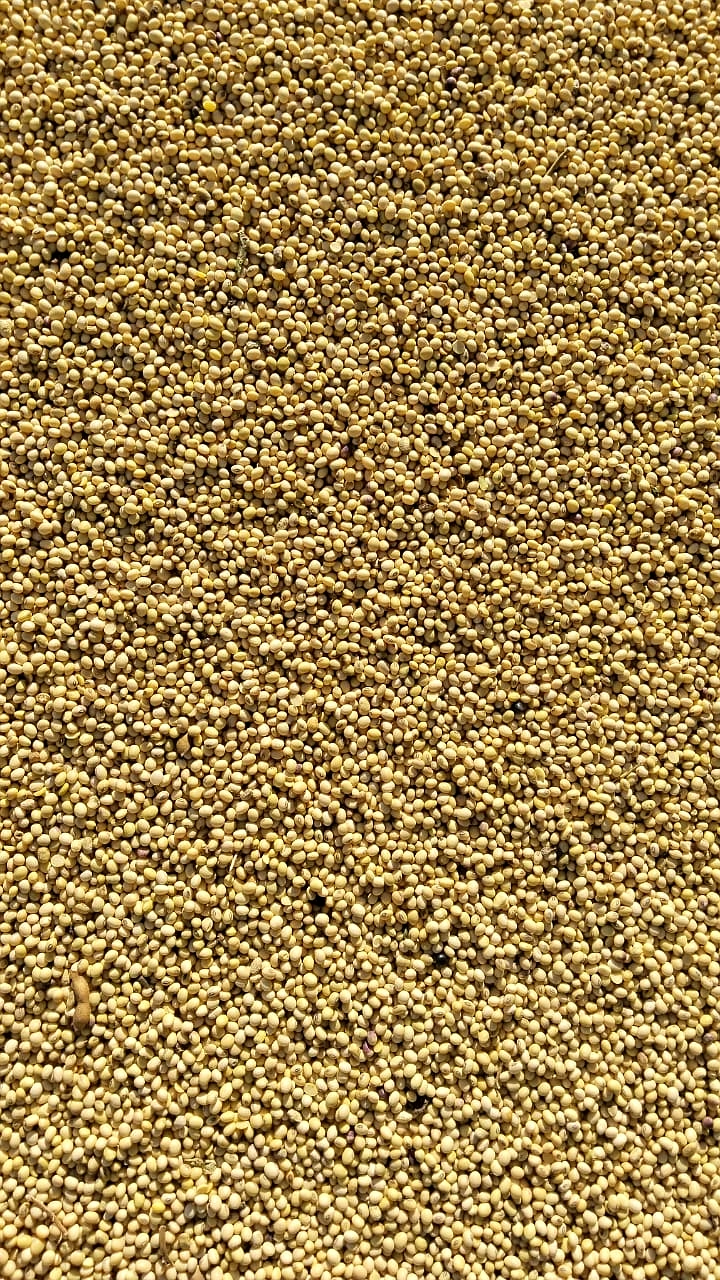
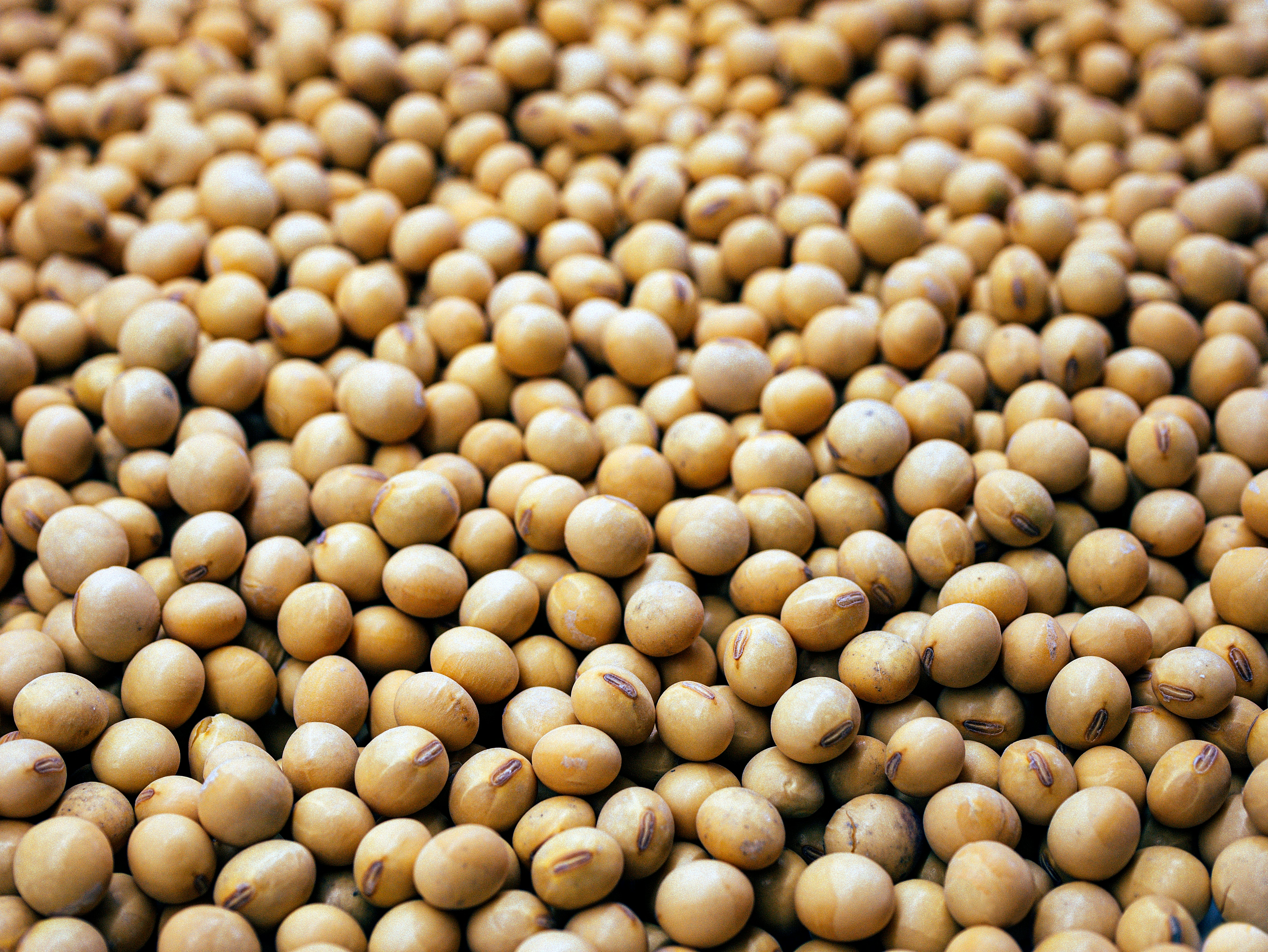
Soybeans, often referred to as soya beans, are a legume native to East Asia. They have become one of the most widely cultivated and consumed crops globally. Here are key points about soybeans: Nutritional Content: Soybeans are highly nutritious and are considered a good source of protein, healthy fats, vitamins, and minerals. They are particularly rich in protein, making them a valuable plant-based protein source. Protein Source: Soybeans are unique among plant-based foods because they contain all the essential amino acids, making them a complete protein source. This makes soy a popular choice for vegetarians and vegans. Uses: Soybeans have a wide range of uses. They can be consumed in various forms, including whole soybeans, soy milk, tofu, tempeh, miso, and soy sauce. Additionally, soy protein isolate and soy protein concentrate are used as ingredients in many processed foods. Tofu: Tofu, also known as bean curd, is a popular soy product. It is made by coagulating soy milk and pressing the resulting curds into soft, white blocks. Tofu has a neutral taste and absorbs the flavors of the ingredients it is cooked with. Soy Milk: Soy milk is a plant-based alternative to cow's milk. It is produced by soaking, grinding, and boiling soybeans. Soy milk is commonly used as a dairy milk substitute in beverages, cereals, and cooking. Tempeh: Tempeh is a traditional Indonesian fermented soy product. It is made by fermenting cooked soybeans with a tempeh culture. Tempeh has a firm texture and a nutty flavor. Miso: Miso is a traditional Japanese seasoning produced by fermenting soybeans with salt and koji (a type of fungus). It is commonly used in soups, sauces, and marinades. Edamame: Edamame are young, green soybeans still in the pod. They are often boiled or steamed and served as a snack or appetizer. Edamame is a popular and nutritious food in many cultures. Soybean Oil: Soybean oil is extracted from soybeans and is widely used in cooking and food processing. It is a versatile oil with a high smoke point. Environmental Impact: Soybeans are a major crop worldwide and have raised environmental concerns, particularly related to deforestation. In some regions, soy cultivation is associated with clearing land for agriculture, leading to habitat loss. Genetically Modified (GM) Varieties: A significant portion of commercially grown soybeans is genetically modified to enhance traits such as resistance to pests or herbicides. This has led to debates and concerns regarding the environmental and health impacts of genetically modified organisms (GMOs). Soybeans play a crucial role in global food production, providing a sustainable source of protein and serving as a versatile ingredient in various cuisines. However, it's essential to be mindful of the environmental and social considerations associated with soy cultivation, especially in regions where its production has led to deforestation and other ecological issues.
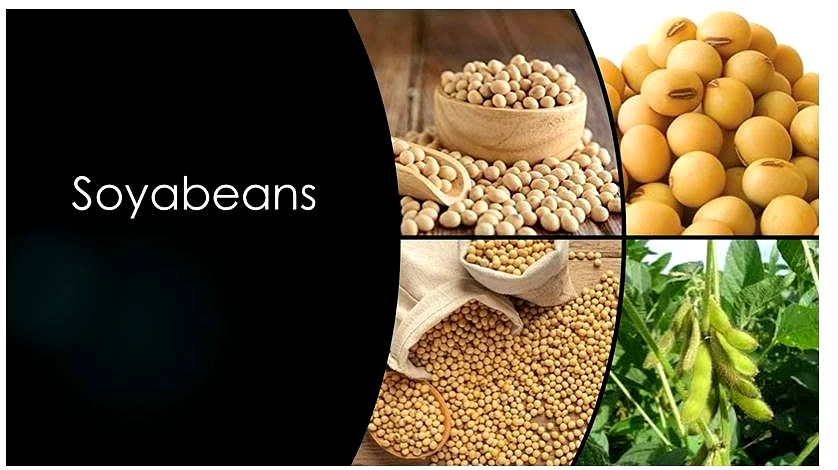
Soybeans, often referred to as soya beans, are a legume native to East Asia. They have become one of the most widely cultivated and consumed crops globally. Here are key points about soybeans:
Nutritional Content: Soybeans are highly nutritious and are considered a good source of protein, healthy fats, vitamins, and minerals. They are particularly rich in protein, making them a valuable plant-based protein source.
Protein Source: Soybeans are unique among plant-based foods because they contain all the essential amino acids, making them a complete protein source. This makes soy a popular choice for vegetarians and vegans.
Uses: Soybeans have a wide range of uses. They can be consumed in various forms, including whole soybeans, soy milk, tofu, tempeh, miso, and soy sauce. Additionally, soy protein isolate and soy protein concentrate are used as ingredients in many processed foods.
Tofu: Tofu, also known as bean curd, is a popular soy product. It is made by coagulating soy milk and pressing the resulting curds into soft, white blocks. Tofu has a neutral taste and absorbs the flavors of the ingredients it is cooked with.
Soy Milk: Soy milk is a plant-based alternative to cow's milk. It is produced by soaking, grinding, and boiling soybeans. Soy milk is commonly used as a dairy milk substitute in beverages, cereals, and cooking.
Tempeh: Tempeh is a traditional Indonesian fermented soy product. It is made by fermenting cooked soybeans with a tempeh culture. Tempeh has a firm texture and a nutty flavor.
Miso: Miso is a traditional Japanese seasoning produced by fermenting soybeans with salt and koji (a type of fungus). It is commonly used in soups, sauces, and marinades.
Edamame: Edamame are young, green soybeans still in the pod. They are often boiled or steamed and served as a snack or appetizer. Edamame is a popular and nutritious food in many cultures.
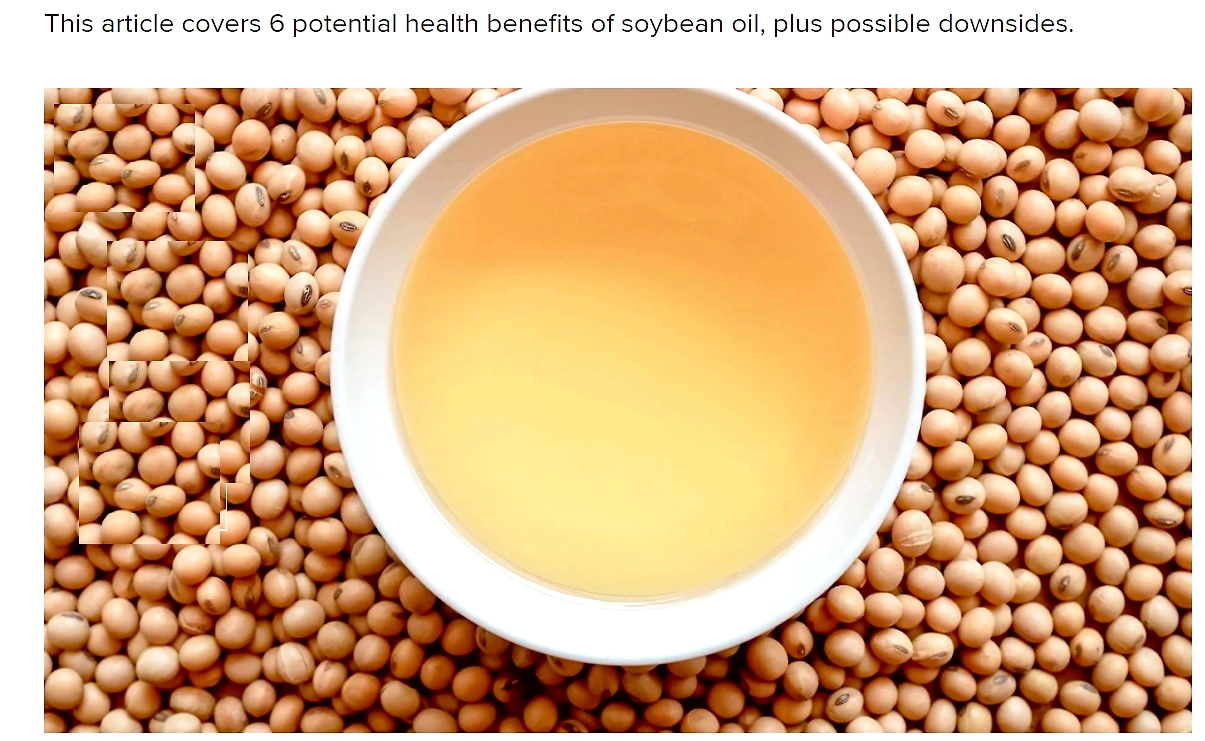
Soybean Oil: Soybean oil is extracted from soybeans and is widely used in cooking and food processing. It is a versatile oil with a high smoke point.
Environmental Impact: Soybeans are a major crop worldwide and have raised environmental concerns, particularly related to deforestation. In some regions, soy cultivation is associated with clearing land for agriculture, leading to habitat loss.
Genetically Modified (GM) Varieties: A significant portion of commercially grown soybeans is genetically modified to enhance traits such as resistance to pests or herbicides. This has led to debates and concerns regarding the environmental and health impacts of genetically modified organisms (GMOs).
Soybeans play a crucial role in global food production, providing a sustainable source of protein and serving as a versatile ingredient in various cuisines. However, it's essential to be mindful of the environmental and social considerations associated with soy cultivation, especially in regions where its production has led to deforestation and other ecological issues.
Description provided by indian xporter.
| Scientific Name | Glycine max |
|---|---|
| Origin | East Asia |
| Protein Content | Approximately 36-40% by weight |
| Fat Content | 18-20% mainly unsaturated fats |
| Common Forms | Whole beans, soy milk, tofu, tempeh, miso, edamame, soybean oil |
| Cultivation Type | Annual leguminous crop |
| Environmental Impact | Potential deforestation and habitat loss in some cultivation areas |
| GM Status | Many commercial varieties genetically modified |
| Shelf Life | Varies by product form; whole beans typically up to 12 months if stored properly |
| Protein Quality | Complete protein source with all essential amino acids |
| Category | Agricultural Products > Legumes > Soybeans |
|---|---|
| Primary application | Wholesale, distribution, and international sourcing |
| Brand | Not specified |
| Product type | Product |
| Lead time | On request |
|---|---|
| Packaging | As per buyer requirement |
| Storage condition | As recommended by supplier |
| Origin | India |
| Form | As listed by supplier |
| Minimum order | 1 unit |
|---|---|
| Lead time | On request |
| Payment terms | As per negotiated commercial agreement. |
| Checkout type | enquiry |
Common questions B2B buyers ask before sourcing SOYA BEAN. Answers compiled from verified sellers' commercial terms and platform data.
Post one RFQ and get quotes from all verified sellers within 48 hours. No commitment, no spam.
Post a RFQ