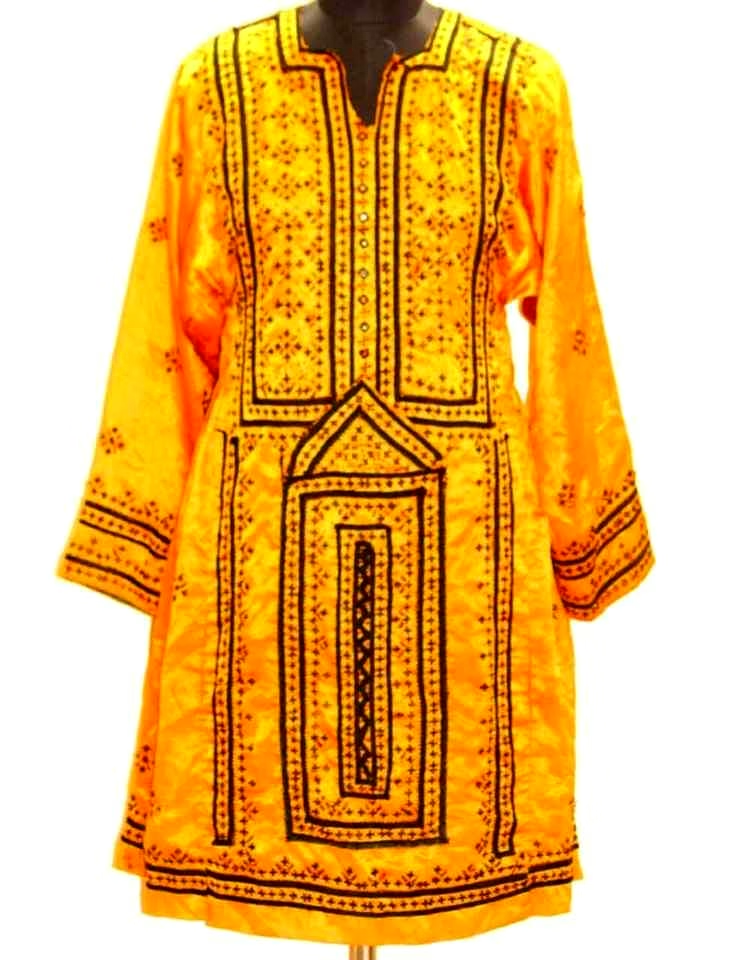
Product Composition & Structure
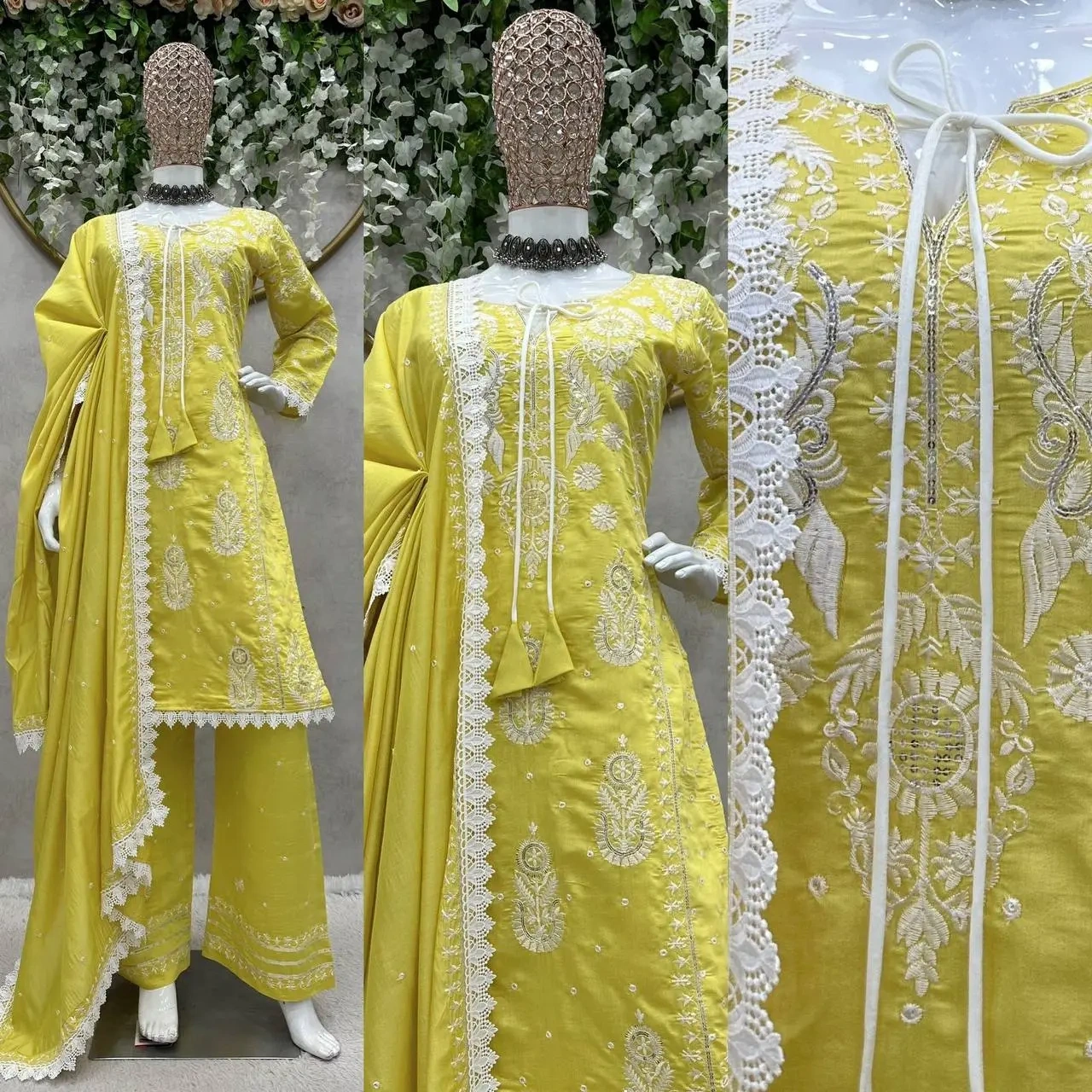
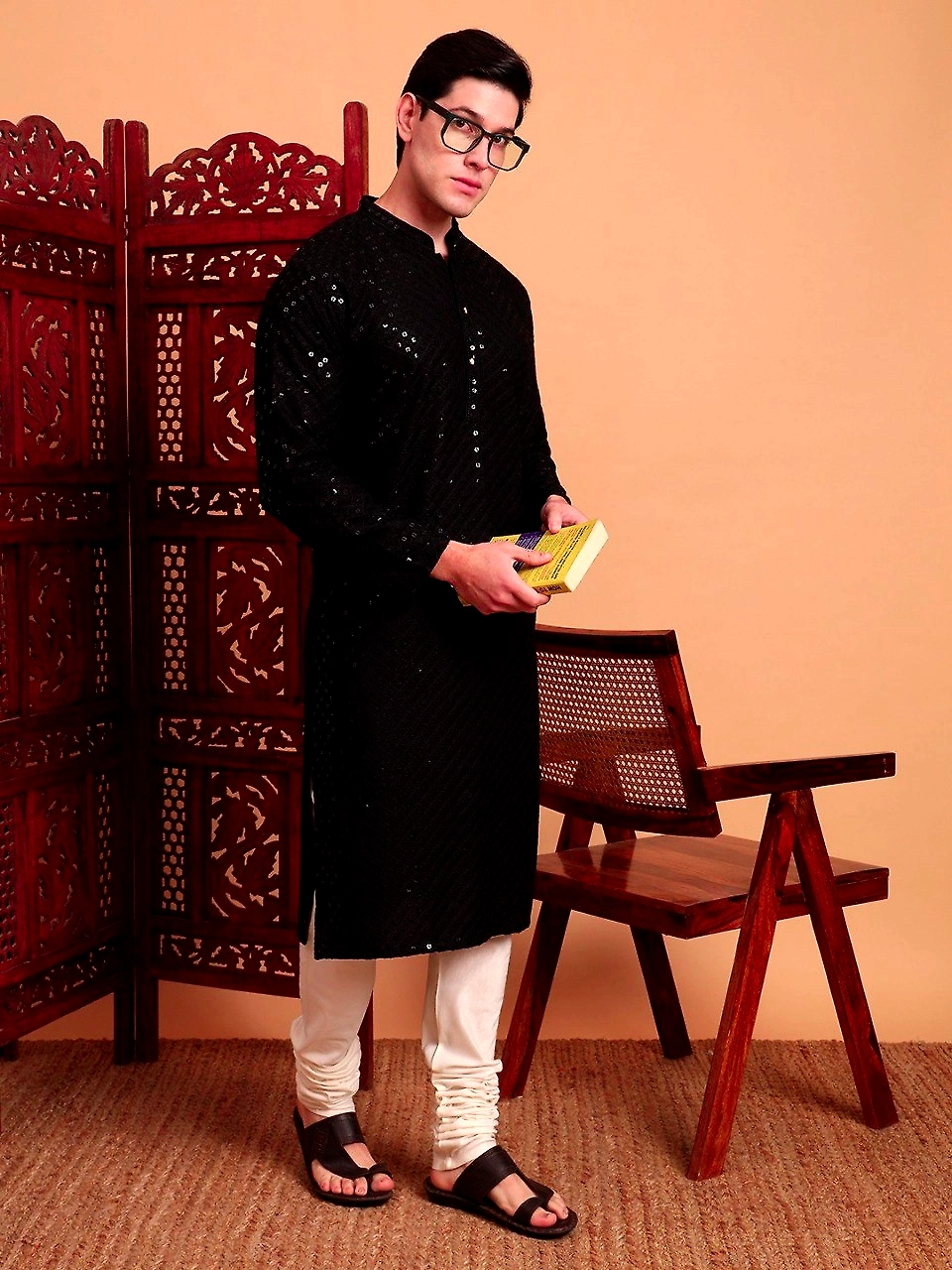
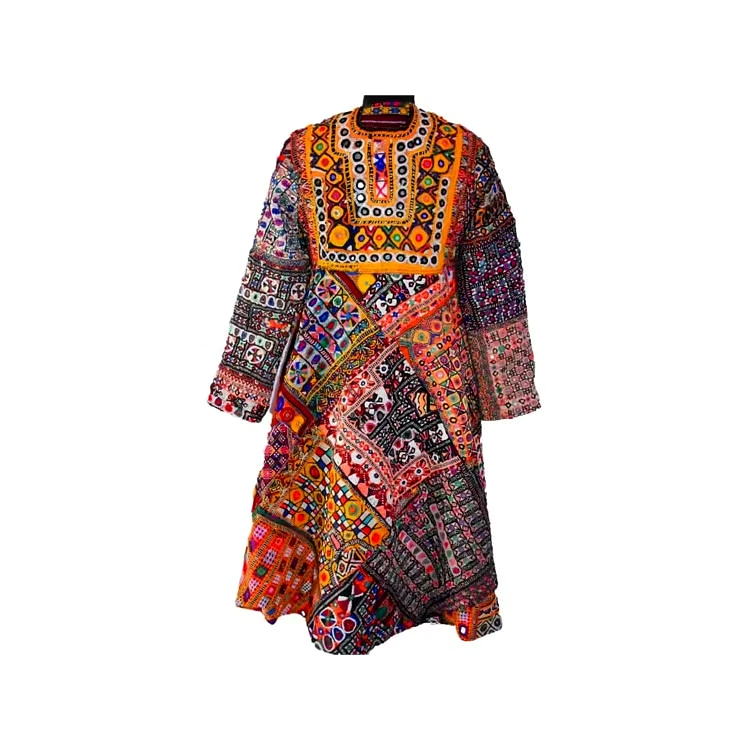
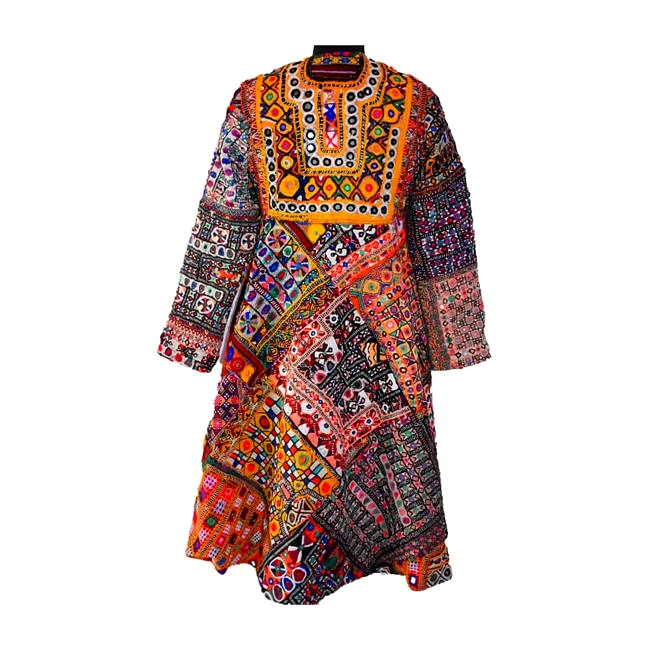
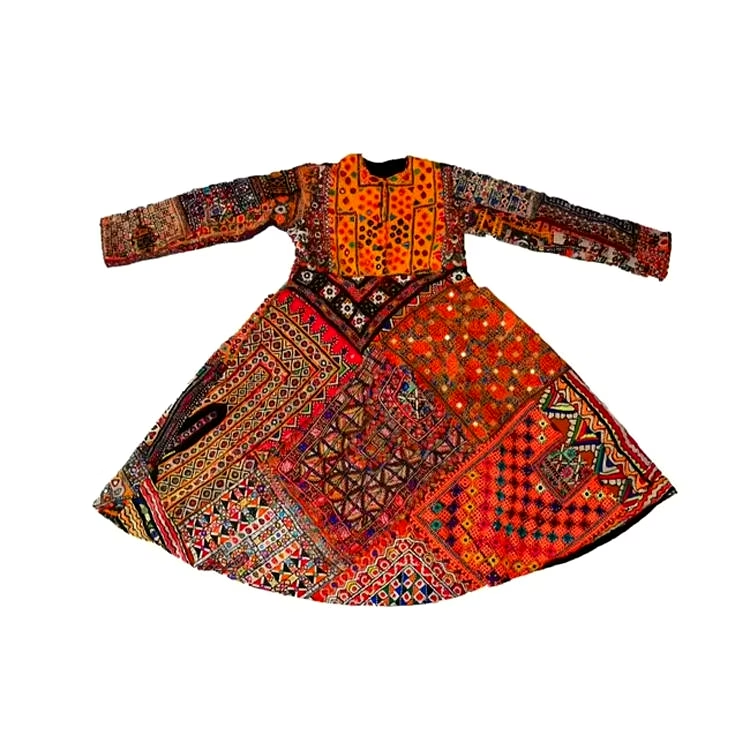
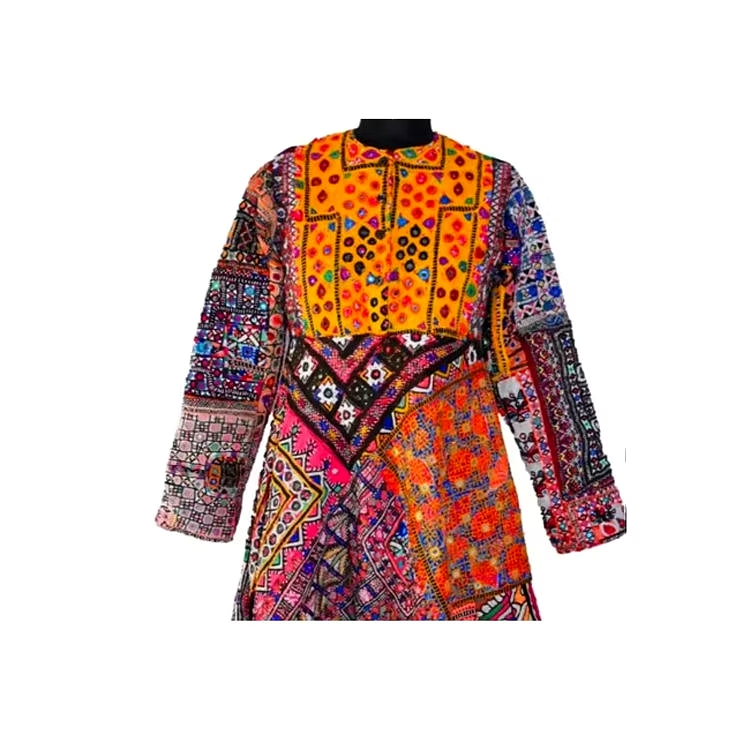
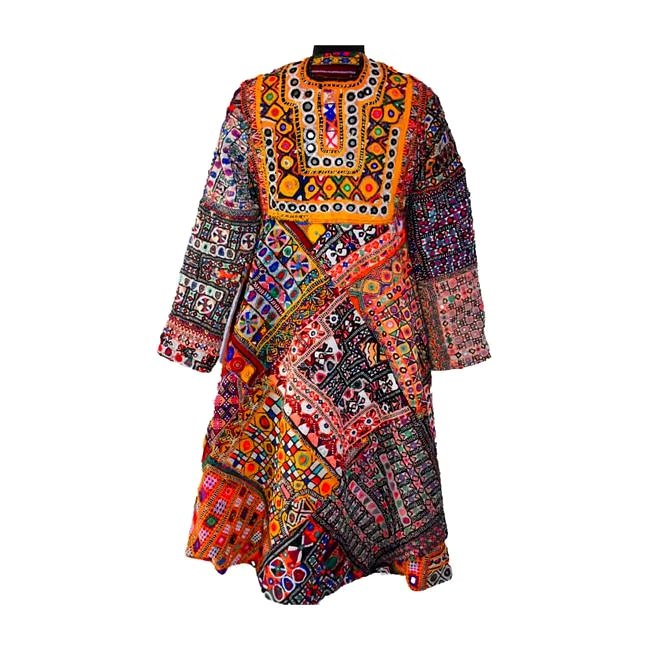
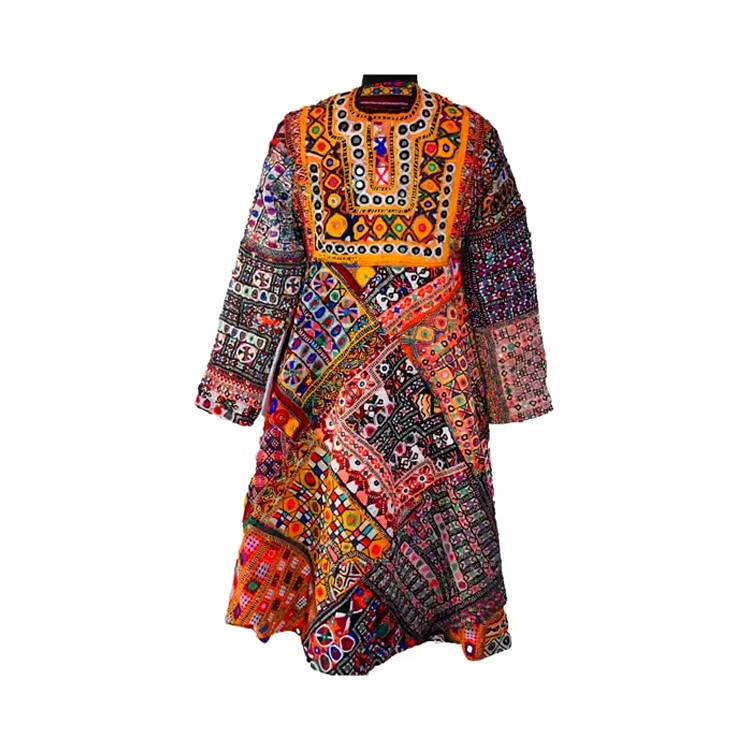
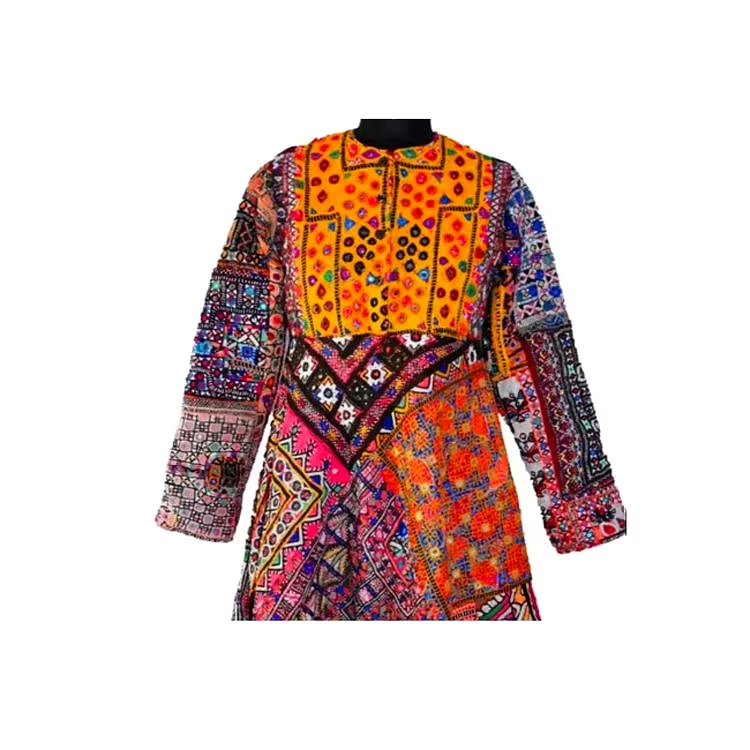
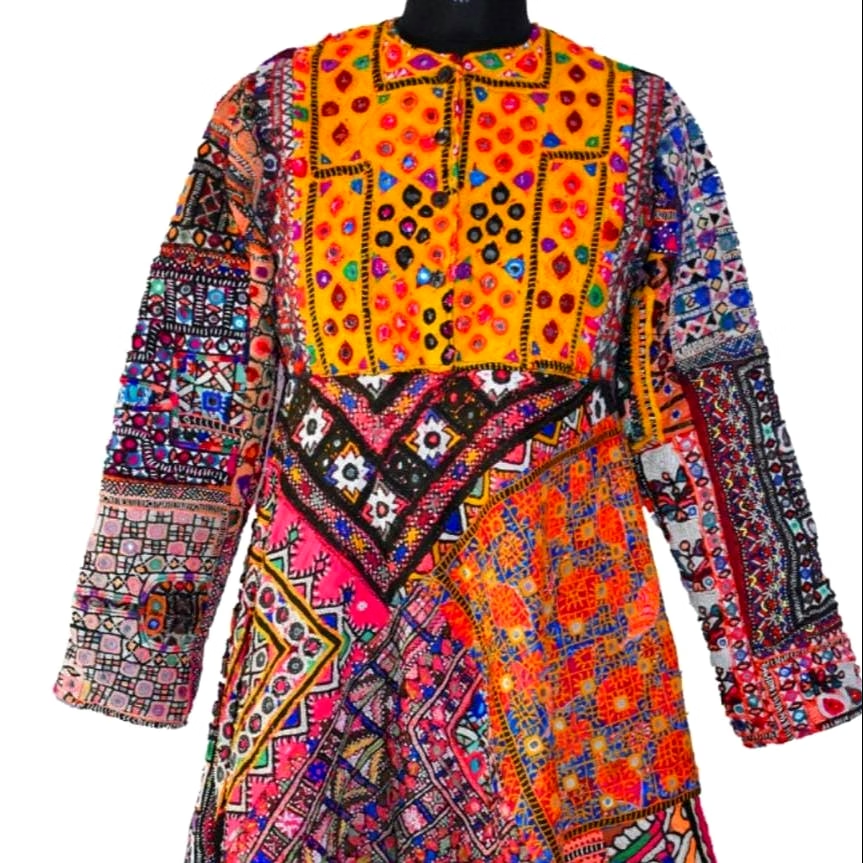
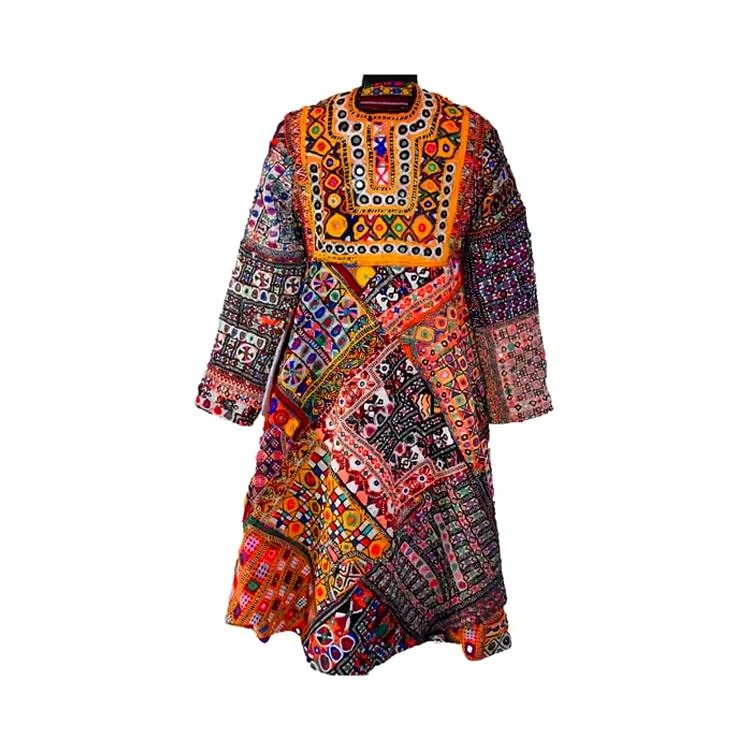
This dress pairs a woven base with hand-applied sequins, beads, and buttons. The base fabric is selected for dimensional stability and low-fray behavior to withstand surface application. Embellishments are applied after base construction to avoid distortion during assembly.
Functional Performance & Operational Efficiency
Sequins and buttons add surface weight and affect drape; buyers should specify acceptable drape and hand-feel. High sequin density increases production time and requires additional finishing checks. To minimise returns, include sequin retention limits and button security criteria in the purchase agreement.
Processing Insight
Standard workflow: sample and sequin selection -> base garment construction -> embellishment application -> reinforced finishing -> QC sequin adhesion tests -> packaging. Recommended tests include a sample tumble/abrasion check and spot-checks for attaching thread knot security. When private-label packaging is requested, tagging occurs post-QC to preserve embellishments.
Application & Industry Deployment
Distributor restock
Buyer role: restock coordinator. Constraint: consistent sequin density across replenishment lots. Outcome: predictable visual presentation and lower defect rate when sequin retention standards are maintained.
Retail chain stocking
Buyer role: retail merchandising lead. Constraint: in-store handling durability. Outcome: reduced in-store damage and clearer return metrics when reinforced attachments are specified.
Seasonal distribution planning
Buyer role: seasonal buyer. Constraint: launch date and high embellishment lead time. Outcome: production scheduled with sequin and button application bands to meet seasonal windows.
Differentiation Hook
This SKU is specified for higher sequin density with defined retention testing to reduce surface failure in bulk pack and retail handling scenarios.
Request for Quotation (RFQ) Inputs
- Style tech pack or sample with sequin/bead references
- Fabric composition and target gsm
- Size-set and tolerance band
- Labeling/packaging and private-label requirements
- Quantity and target delivery window
Frequently Asked Questions
- What is the MOQ for sequined banjara dresses intended for distributor supply? MOQ varies with embellishment density and button work; submit the tech pack or sample to receive MOQ tiers and lead-time guidance.
- How does sequin and beadwork affect pricing for these vintage banjara dresses? Pricing is driven by sequin type, density, and manual application time. Provide a sample or sequin count reference for accurate unit pricing by quantity band.
- What compliance or quality documentation is available for sequined and beaded dresses? Lot-level QC reports, bead/sequin retention checks, and certificate downloads such as the IEC Export License and GST Registration Certificate are provided for shipment processing.
- What are the lead times and recommended packaging formats for sequined dress bulk shipments? Lead times depend on sequin density; recommended packing uses padded inner layers and carton separators to prevent surface abrasion during transit.
Description provided by Fashion Mart.
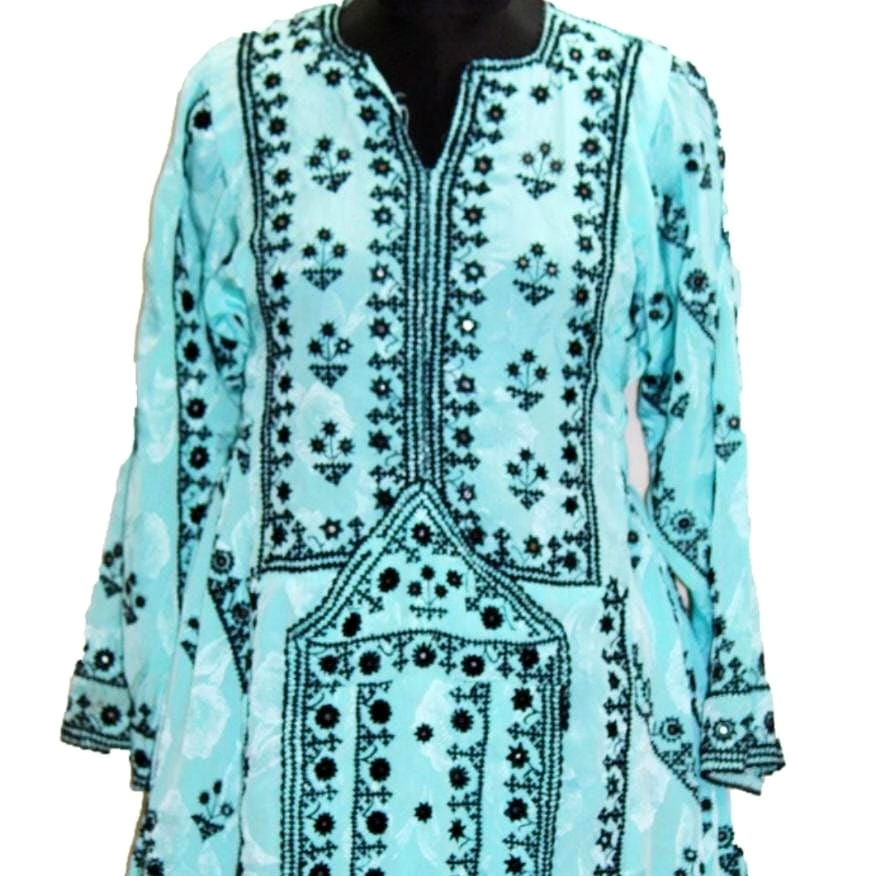
Intricately hand-embroidered with traditional Afghani motifs
Hand-applied glass beads and sequins provide a shimmering finish
Crafted using sustainable and environmentally responsible techniques
Secured beads and stitching ensure durability for kids’ active wear
Unique Bohemian vintage Banjara style targeting niche kids fashion
Suitable for special occasions, boutiques, and festive events
Wholesale and bulk ready with standardized sizing
Developed with packaging and quality standards for international markets
Specifications
Material
Glass Beads, Sequins, Buttons, Eco-friendly fabrics
End Use
Kids Fashion Apparel, Special Occasion Wear
Supply Type
Bulk and Wholesale Ready
Target Market
International B2B buyers, export distributors
Craftsmanship
Hand embroidery with hand-applied bead embellishments
Packaging
Bulk packaging suitable for export

 FIEO Registered
Export Ready
FIEO Registered
Export Ready