Product Composition / Structure
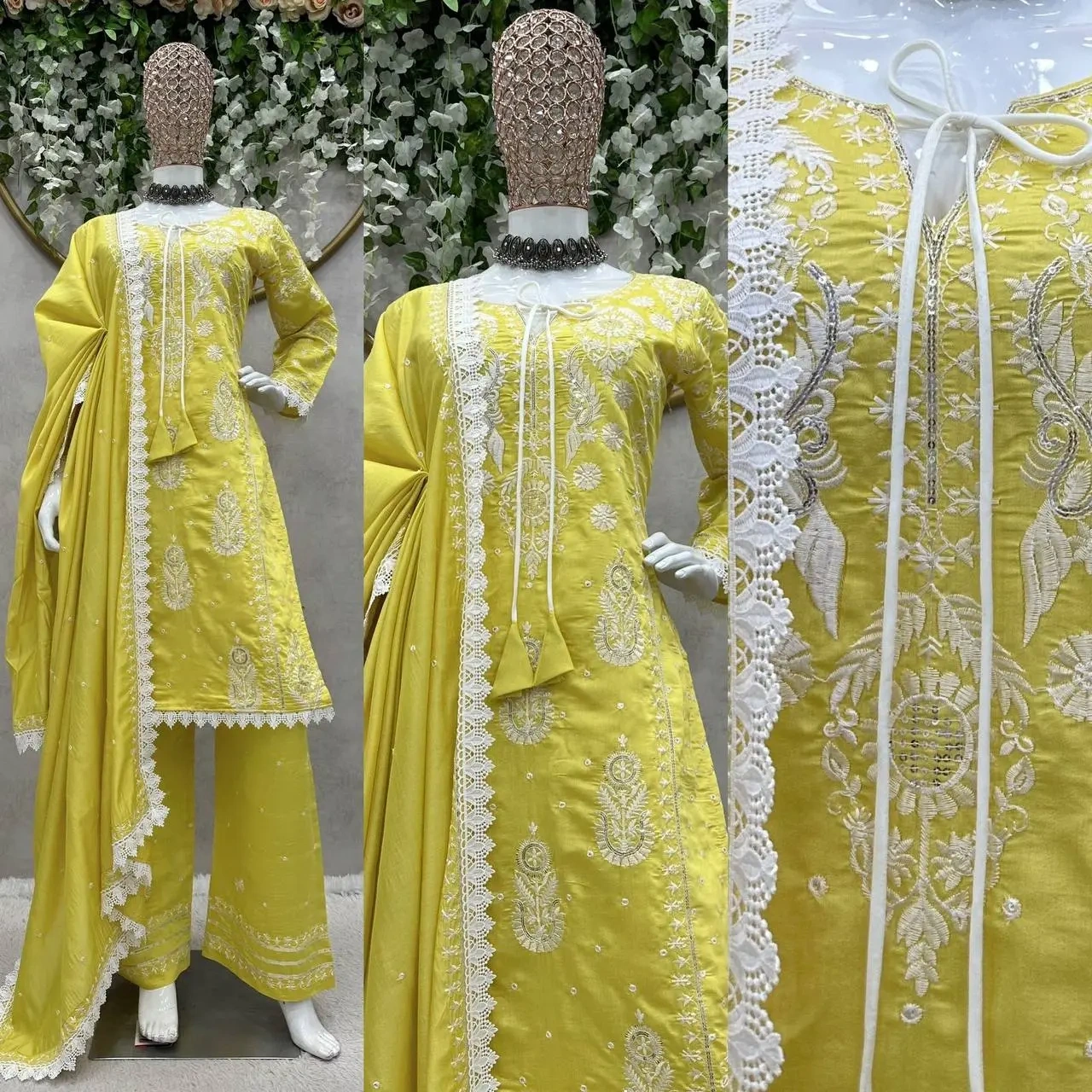
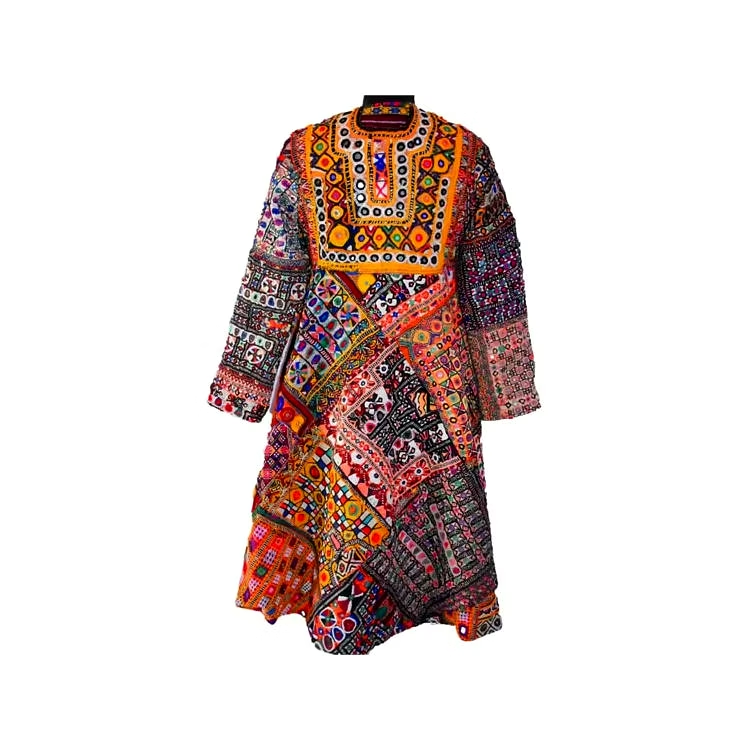
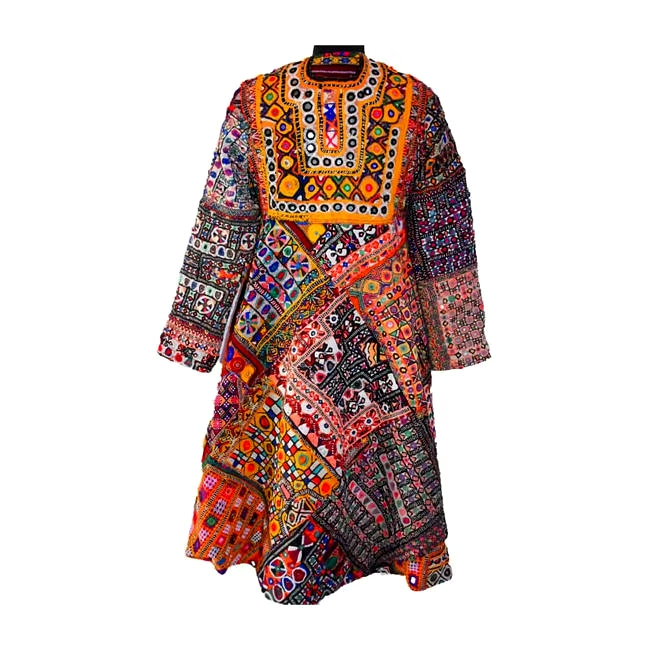
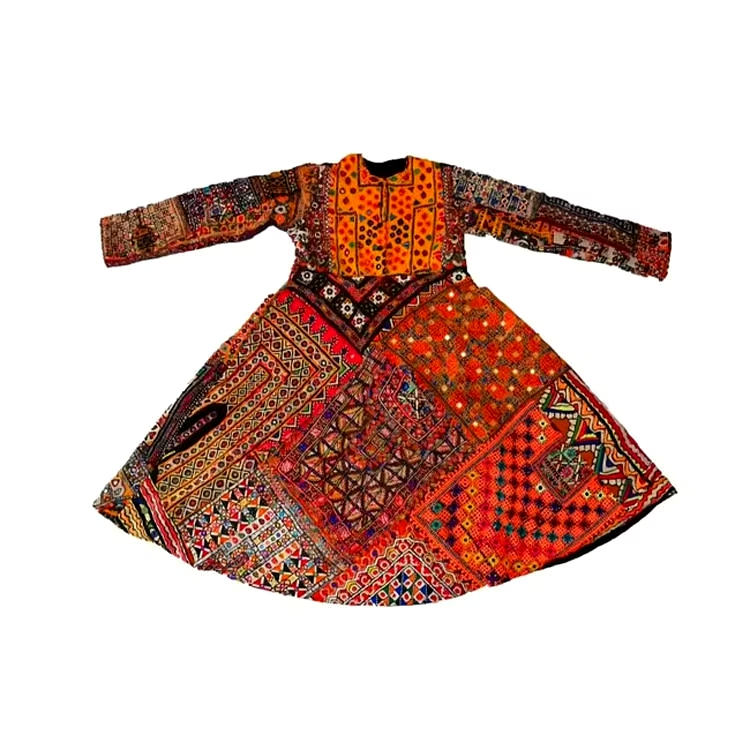
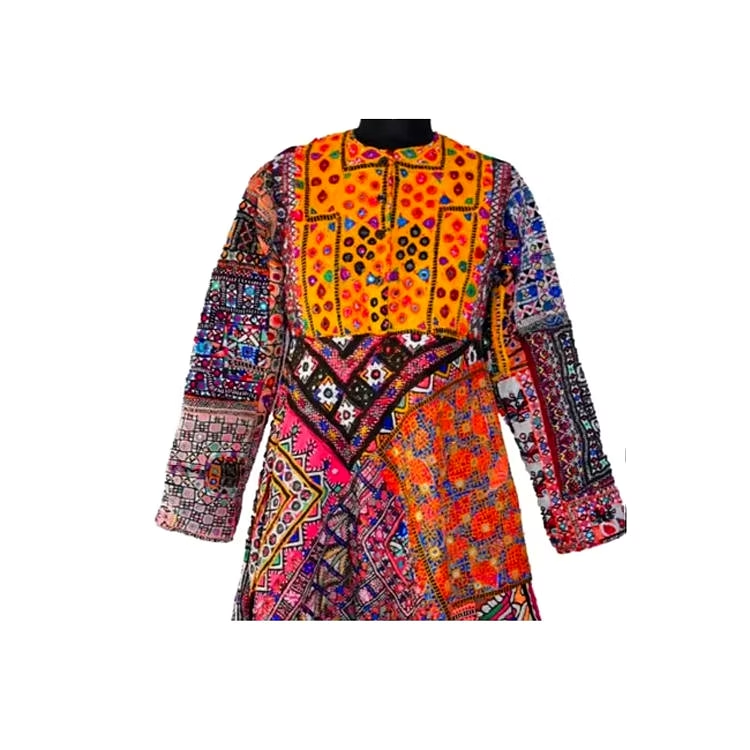
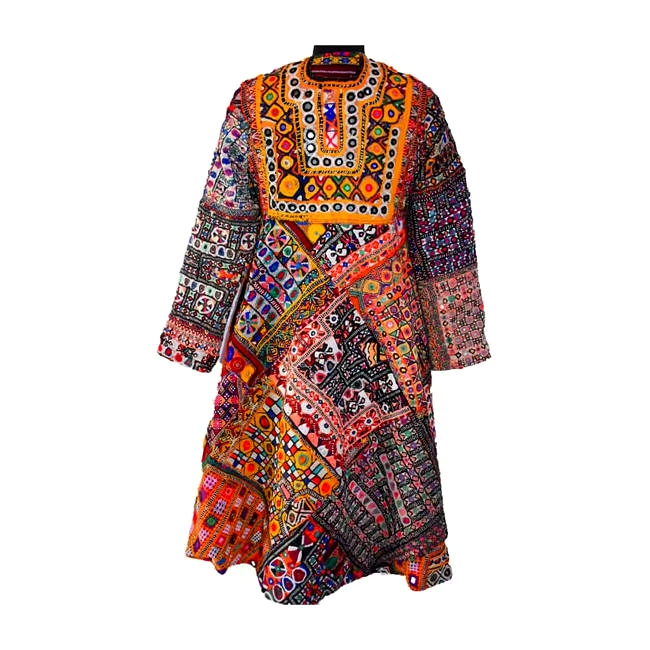
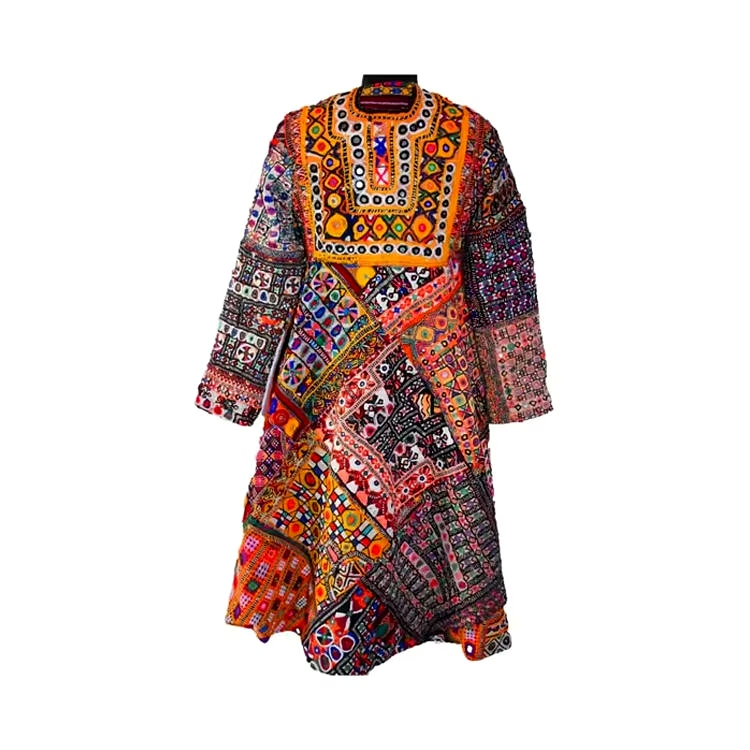
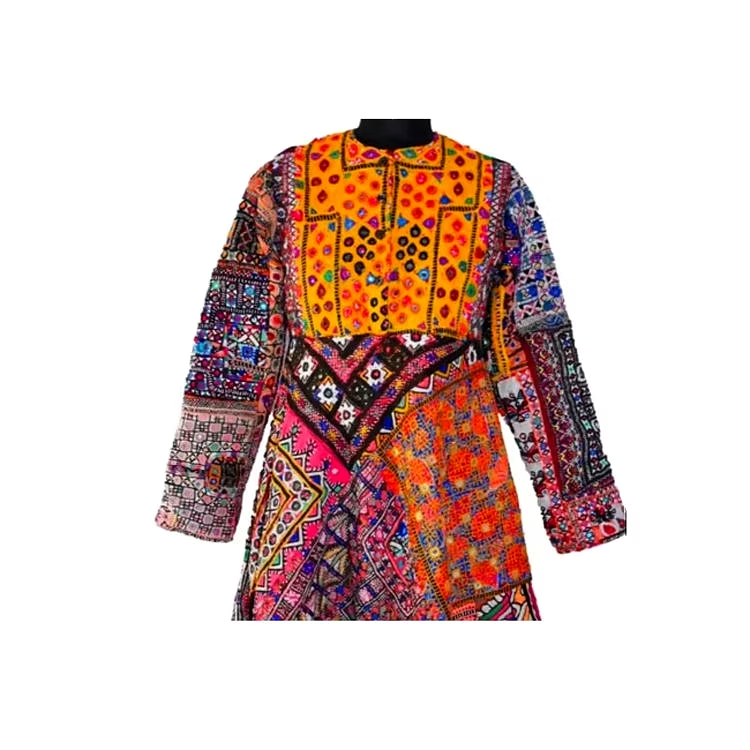
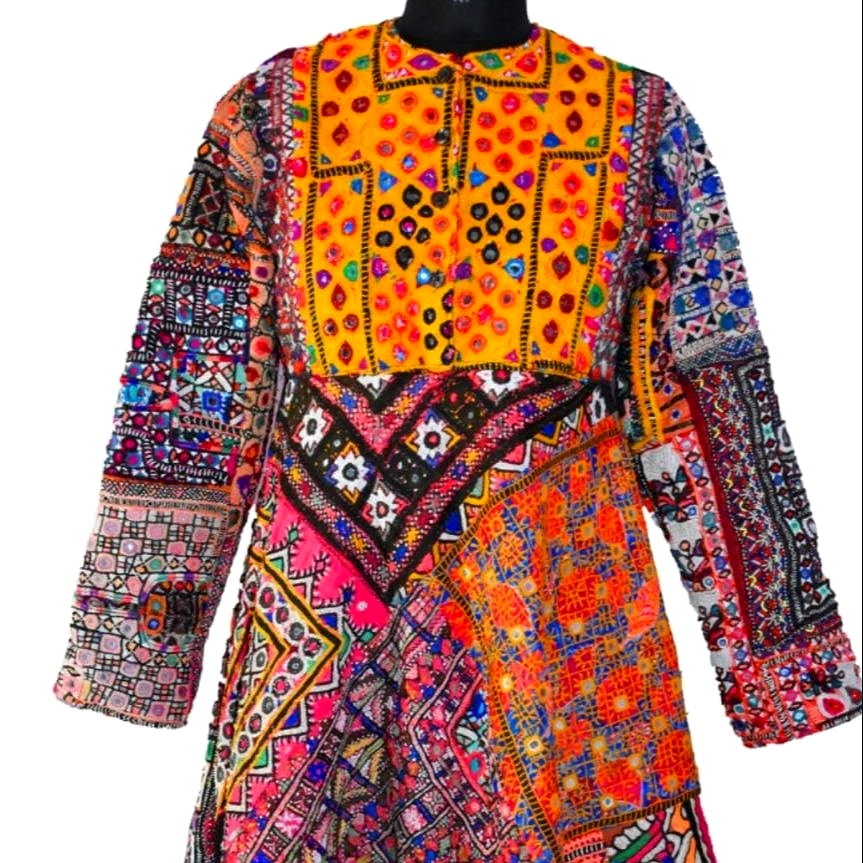
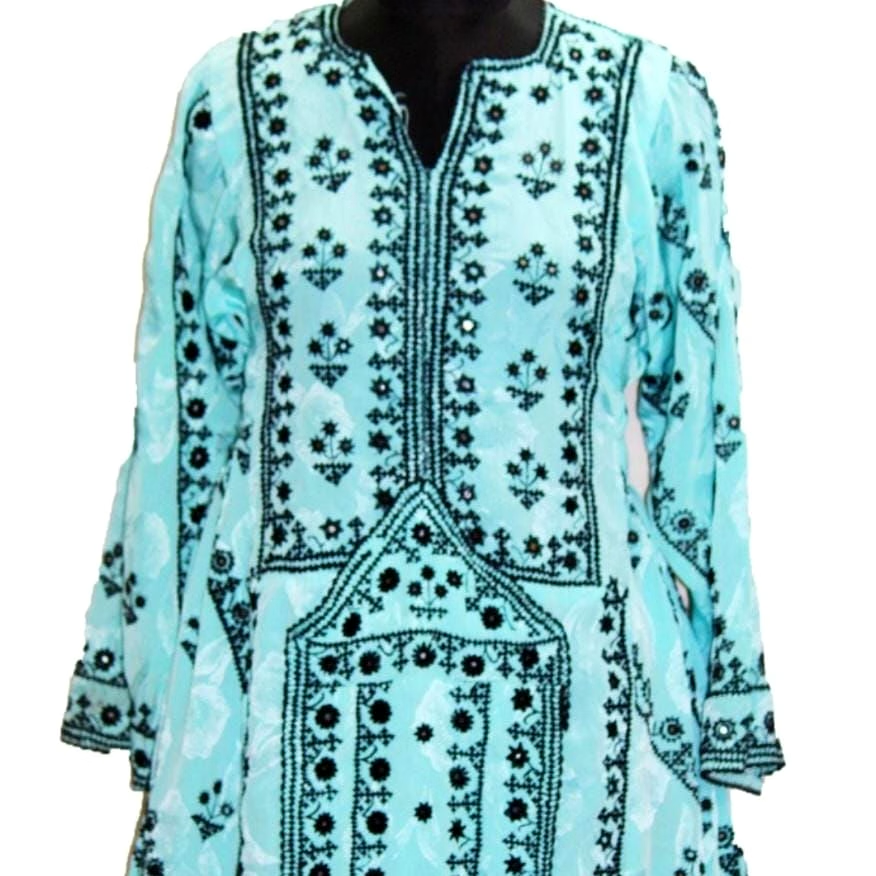
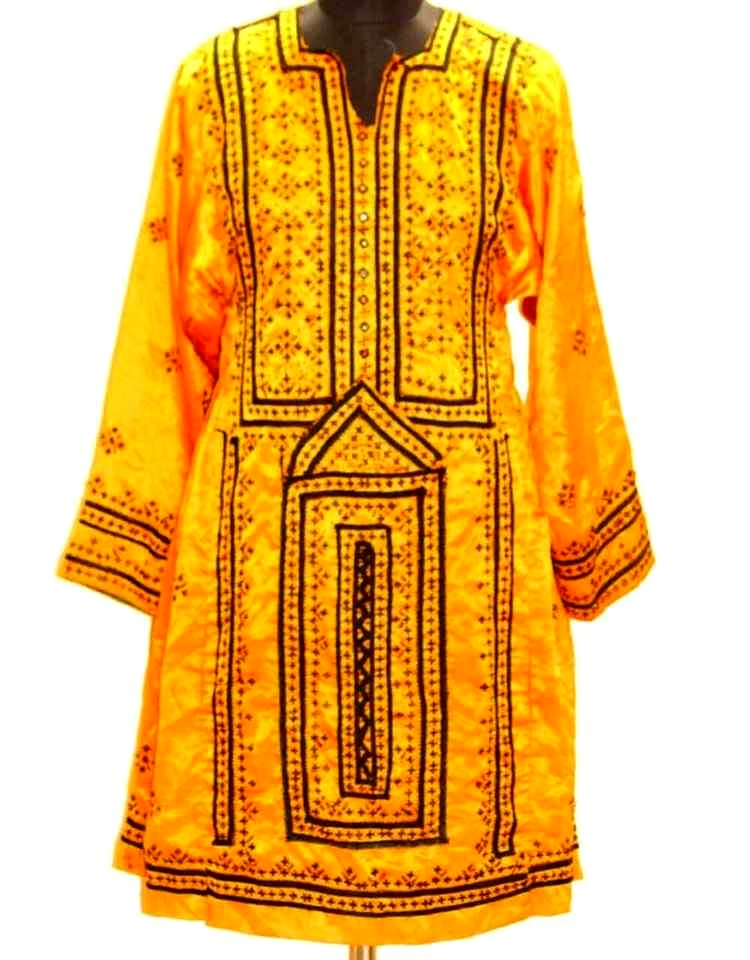
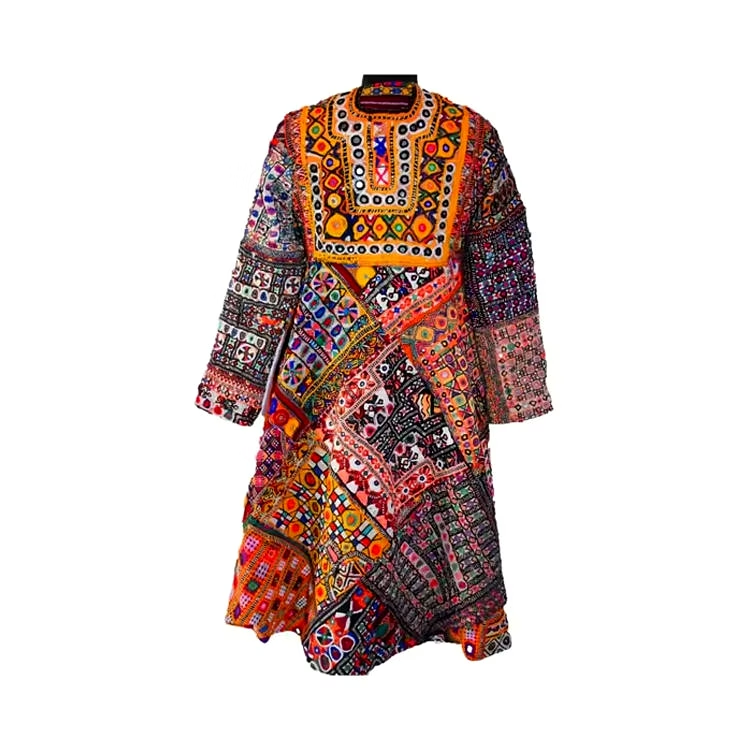
Antique-styled Afghani dresses combine a woven base with surface treatments to create a worn aesthetic. The base fabric choice favors stable weaves that accept aging and wash treatments without excessive dimensional change. Hand embroidery is applied after base finishing in controlled runs so that the antique finish does not interfere with thread adhesion.
Functional Performance & Operational Efficiency
The antique process introduces variation; therefore, production uses tight process controls and sample approval gates to ensure lot-to-lot consistency. Post-finishing checks include visual matching and light crock tests where appropriate. Operationally, antique finishes add handling steps; batching by finish type improves throughput and reduces rework.
Processing Insight
Typical flow: fabric preparation -> base finishing -> prototype for antique finish approval -> embroidery application -> finishing and inspection. Embellishment runs are grouped to control development costs and quality variance. Pre-shipment inspection emphasizes match to approved antique sample and secure embroidery attachments.
Application & Industry Deployment
Distributor restock
Buyer role: replenishment planner for curated collections. Constraint: maintain antique appearance consistency across restock. Outcome: batch-level finishing logs and sample comparisons reduce acceptance friction.
Retail chain stocking
Buyer role: buyer for boutique retail chains. Constraint: limited returns due to artisanal finish variability. Outcome: clearly documented sample approvals and care instructions lower return rates and support consumer expectations.
Seasonal distribution planning
Buyer role: seasonal merchandiser planning limited-edition drops. Constraint: coordinated finish and embroidery timelines. Outcome: scheduled runs and consolidated finishing slots enable timed launches.
Request for Quotation (RFQ) Inputs
- Prototype or reference sample with antique finish
- Fabric preference and finish tolerance notes
- Embroidery placement and density details
- Packaging, labeling, and quantity band
Frequently Asked Questions
- What minimum order quantities apply for hand-embroidered antique afghani dresses? MOQ is 50 units per style; handwork intensity can affect minimum charge and lead time.
- What drives wholesale pricing on antique hand-embroidered dresses? Pricing reflects finishing steps, embroidery hours, and fabric selection; antique processes add per-unit labor cost.
- Is there any quality or material documentation available for antique pieces? Yes — finishing procedure notes, sample approval records, and batch inspection reports accompany shipments when requested.
- How are bulk antique dress orders packaged and what are typical lead times? Packaged in bulk cartons with inner protection; lead time 15–25 days after sample and finish approval. IEC Export License and GST Registration Certificate can be provided with shipment docs.
Description provided by Fashion Mart.
High-grade hand-applied glass bead embellishments for a consistent decorative finish
Antique Afghani Banjara inspired vintage style with cozy comfort
Kids fashion apparel suitable for festive, boutique, and special occasion wear
Secure bead attachment ensuring long-lasting wear and handling endurance
Bulk and wholesale ready, optimized for export and international distribution
Fashion Mart - specialized in kids apparel with export-grade quality
Standardized bulk packaging supporting easy wholesale distribution
Meets international fashion retail standards for consistent quality
Standardized sizing adapted for global markets
Ideal for distributors, importers, and online marketplace vendors