1/2
Export Ready

PBAT can be used for Manufacturing Bio degradable Polybag, flexible packaging, Straws, Spoons, Fork, Biodegradable: PBAT is designed to break down naturally under specific conditions like composting, leaving behind no harmful residues. Applications: Food Packaging: PBAT is a popular choice for packaging various food items, including films, trays, and containers. Agricultural Films: It's used for mulch films and other agricultural applications where biodegradability is desired. Compos

Sold by SANTULAL AND SONS · Brand Owner, Exporter, Wholesaler, Startup · Indore, Madhya Pradesh, India

Price
₹ 1.47 /unit
In stock
Inclusive of all taxes
Minimum order: 1 unit

Export Snapshot

MOQ
1 unit
Lead time
On request
Packaging
Standard export packaging
Shelf life / longevity
As per product specification
HS Code
39079900
Origin
India
Port of dispatch
On request
Export markets served
Rwanda flag RW
Values shown are for SANTULAL AND SONS.
Compliance & Certifications
Suitable for

Importers · Distributors · Wholesalers

Know your supplier

SANTULAL AND SONS is a Brand Owner, Exporter, Wholesaler, Startup based in Indore Madhya Pradesh India.

Indore Dispatch on request Verified seller
SANTULAL AND SONS logo

Brand Owner, Exporter, Wholesaler, Startup · Indore, Madhya Pradesh, India

Registered address: Indore, India. Industry: Rubber, Plastics & Polymers > Plastic Products.

Established
2008
Employees
1–10
GST
23ABBPJ7383F1ZT
IEC code
Not shared
Export markets
Rwanda flag RW
GlobalLinker Member Since
Jun 2025
Turnover
10000001 - 50000000.
Incorporation Type
On request
Product details

What are the specifications of this product?

Overview

PBAT, or Polybutylene Adipate Terephthalate, is a biodegradable plastic, often used as a substitute for conventional plastics, particularly in films. It's a copolymer composed of adipic acid, 1,4-butanediol, and terephthalic acid. PBAT is known for its flexibility and is commonly used in applications like food packaging, shopping bags, and agricultural films.

Product Description

PBAT, or Polybutylene Adipate Terephthalate, is a biodegradable plastic, often used as a substitute for conventional plastics, particularly in films. It's a copolymer composed of adipic acid, 1,4-butanediol, and terephthalic acid. PBAT is known for its flexibility and is commonly used in applications like food packaging, shopping bags, and agricultural films.

Description provided by SANTULAL AND SONS.

Specifications

Chemical Name Polybutylene Adipate Terephthalate (PBAT)
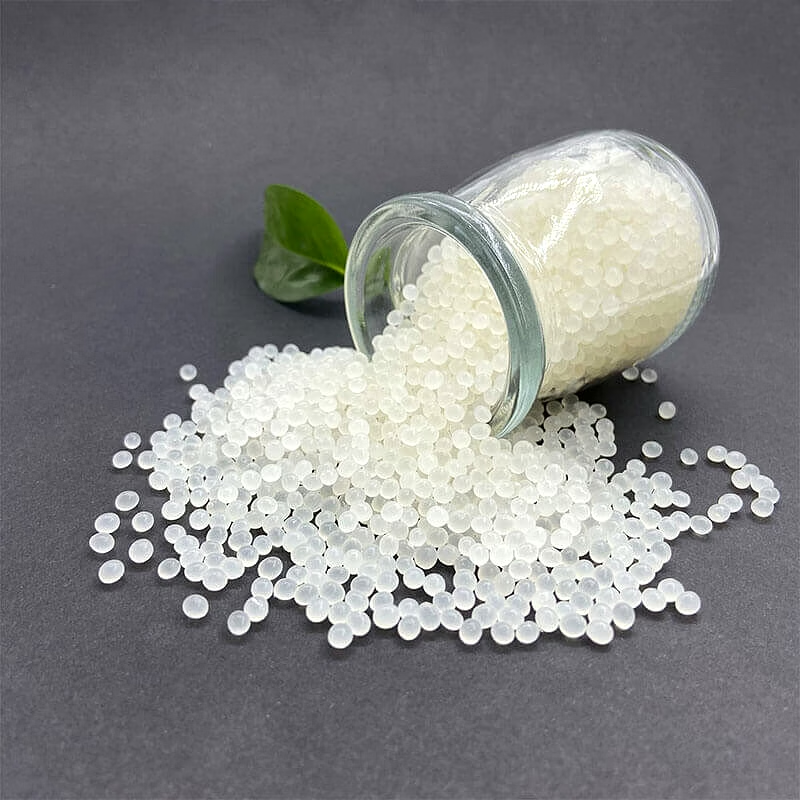
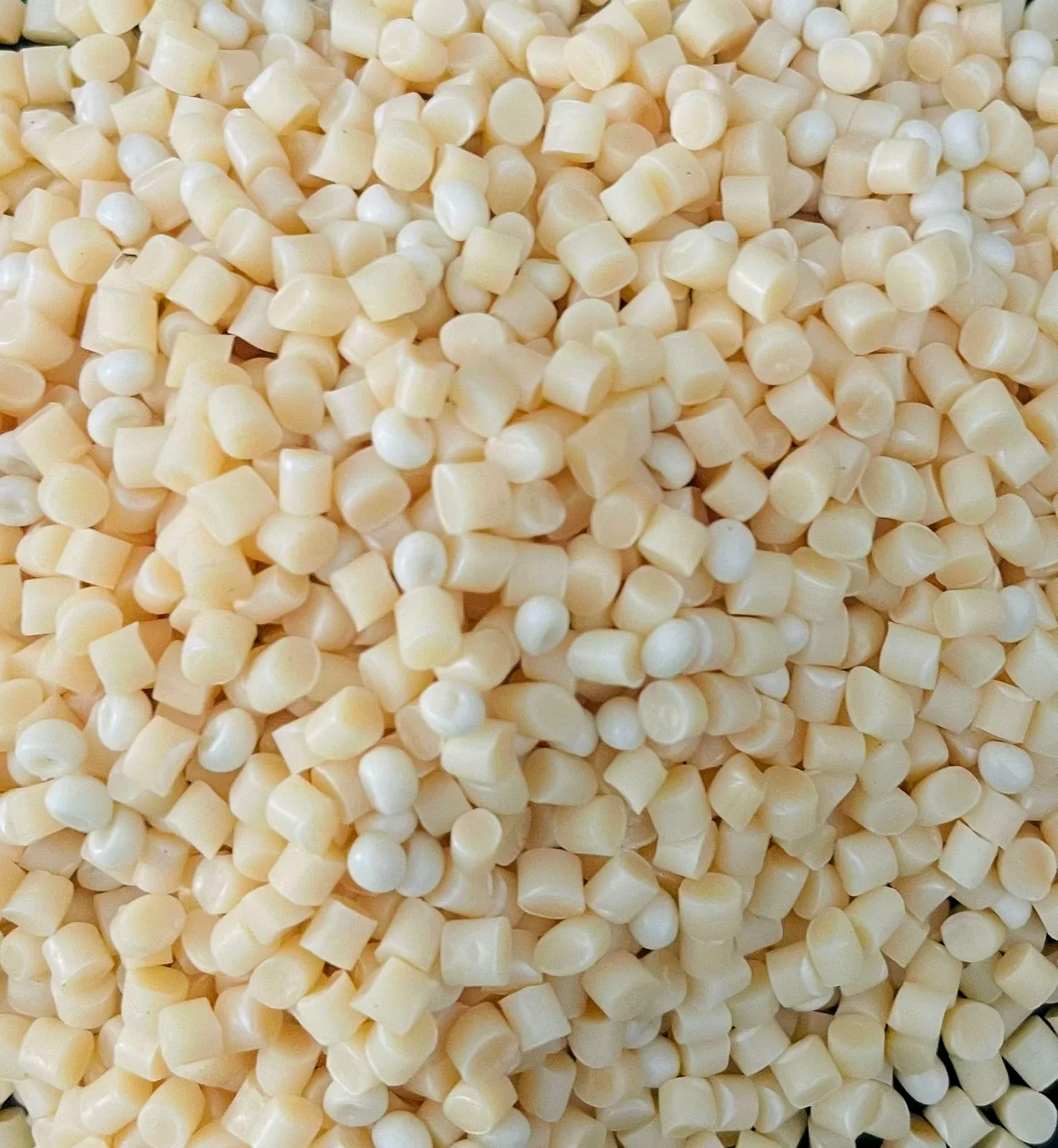
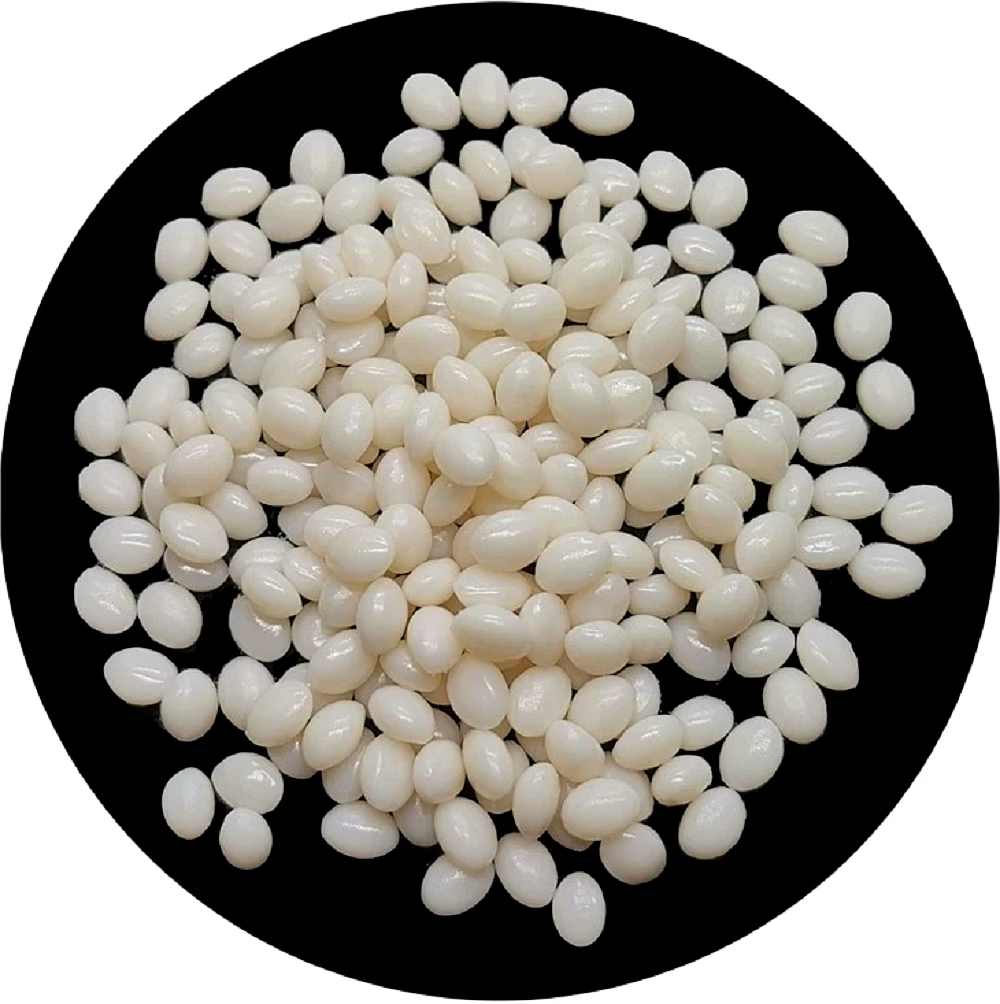
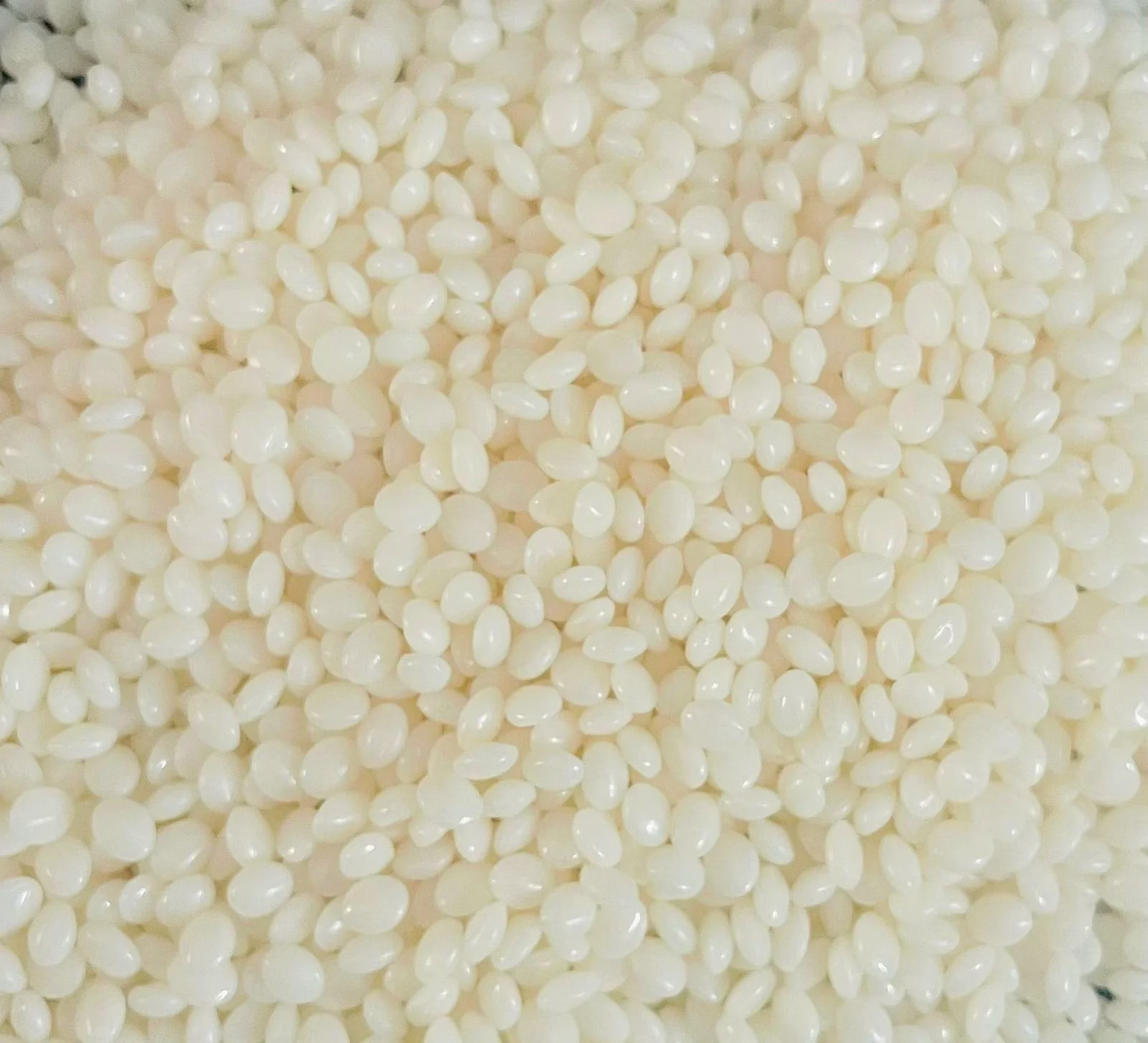
Physical Form Pellets/Granules for processing
Decomposition Time Typically degrades within 3-6 months under industrial composting
Color Off-white translucent pellets
Melting Point Approximately 110-120°C
Density Approximately 1.25 g/cm³
Processing Methods Extrusion, blown film, injection molding
Shelf Life 12 months when stored in a cool, dry place
Compliance Compliant with food safety regulations for indirect and direct food packaging

Use cases

Category Plastic Raw Materials > Bioplastics > PBAT Biopolymer
Primary application Wholesale, distribution, and international sourcing
Brand Not specified
Product type Product

Logistics & handling

Lead time On request
Packaging As per buyer requirement
Storage condition As recommended by supplier
Origin India
Form As listed by supplier

Commercials (this seller)

Minimum order 1 unit
Lead time On request
Payment terms As per negotiated commercial agreement.
Checkout type enquiry
Buyer questions

Frequently asked by buyers

Common questions B2B buyers ask before sourcing PBAT can be used for Manufacturing Bio degradable Polybag, flexible packaging, Straws, Spoons, Fork, Biodegradable: PBAT is designed to break down naturally under specific conditions like composting, leaving behind no harmful residues. Applications: Food Packaging: PBAT is a popular choice for packaging various food items, including films, trays, and containers. Agricultural Films: It's used for mulch films and other agricultural applications where biodegradability is desired. Compos. Answers compiled from verified sellers' commercial terms and platform data.

Q: What makes PBAT suitable for food packaging applications?
A: PBAT is flexible, durable, and complies with food safety regulations, making it safe for direct contact with food while being fully biodegradable under composting conditions.
Q: Can PBAT be processed using standard plastic manufacturing methods?
A: Yes, PBAT can be processed through conventional methods such as extrusion, blown film, and injection molding, enabling easy integration into existing manufacturing lines.
Q: What is the typical degradation time for PBAT in composting environments?
A: Under industrial composting conditions, PBAT typically decomposes completely within 3 to 6 months, breaking down into non-toxic byproducts.
Q: Is PBAT suitable for agricultural film applications?
A: Yes, PBAT is widely used in mulch films due to its biodegradability, eliminating the need for film removal after crop harvest and reducing environmental impact.
Q: Does PBAT leave any harmful residues after degradation?
A: No, PBAT degrades fully into natural substances without leaving any toxic residues or microplastics, ensuring environmental safety.
Question not answered? Ask sellers directly — typical response within 4 hours.
PBAT can be used for Manufacturing Bio degradable Polybag, flexible packaging, Straws, Spoons, Fork,   Biodegradable:  PBAT is designed to break down naturally under specific conditions like composting, leaving behind no harmful residues.   Applications:  Food Packaging:  PBAT is a popular choice for packaging various food items, including films, trays, and containers.   Agricultural Films:  It's used for mulch films and other agricultural applications where biodegradability is desired.   Compos
PBAT can be used for Manufacturing Bio degradable Polybag, flexible packaging, Straws, Spoons, Fork, Biodegradable: PBAT is designed to break down naturally under specific conditions like composting, leaving behind no harmful residues. Applications: Food Packaging: PBAT is a popular choice for packaging various food items, including films, trays, and containers. Agricultural Films: It's used for mulch films and other agricultural applications where biodegradability is desired. Compos
₹ 1.47/unit · MOQ 1unit