Composition and Process Design of Stainless Steel R.O. Plants
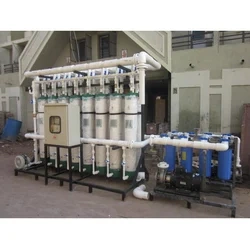
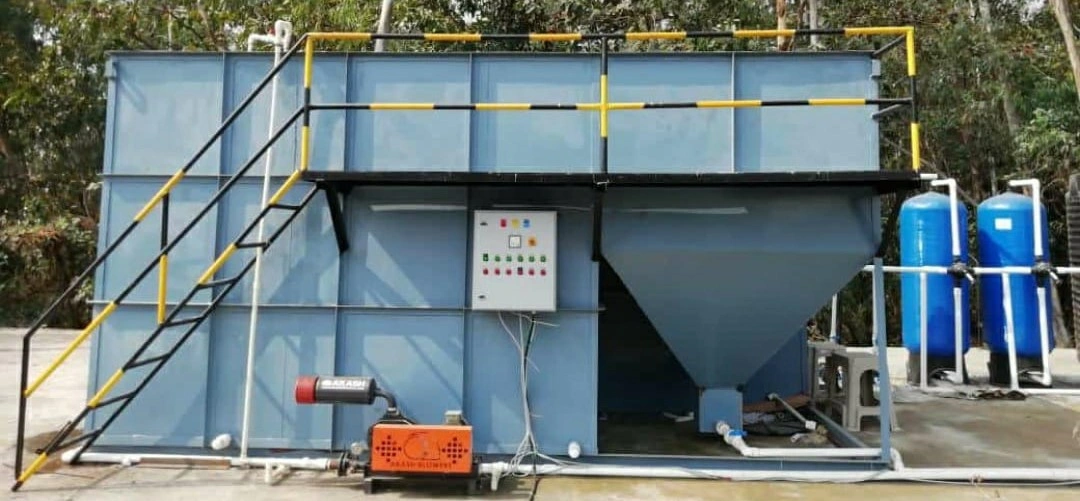
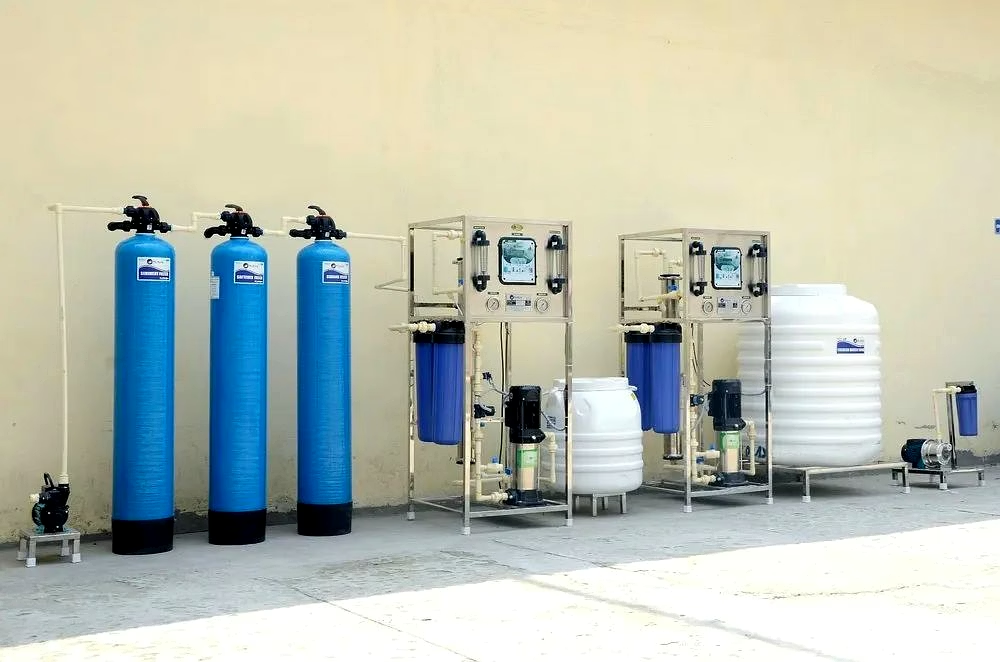
The technical framework of the R.O. Plant 250 LPH utilize a 316L stainless steel framework that houses high-rejection polyamide membranes and industrial-grade pre-filtration stages. The structural reasoning for the stainless steel construction is to minimize biofilm accumulation and microbial harborage, which are primary failure points in polymer-based systems used for medical-grade water. Pipework and membrane housings are welded and polished to prevent localized crevice corrosion. measurement physics rely on the differential pressure across the membrane; a failure in the pre-filtration housing—due to particulate bypass—leads to "membrane fouling," where mineral deposits block the pores. This failure mode results in a 40% reduction in permeate flow and a catastrophic increase in energy consumption. The skid include instrumentation for feed/permeate pressure and conductivity monitoring, providing the real-time data needed for automated flush control. Quality consistency is managed through serialized hydrostatic tests and factory calibration of all flow and conductivity meters, ensuring the plant meets the purity standards required for clinical and laboratory makeup water.
Functional Performance and Operational Stability in Purified Water Production
Operational efficiency is achieved through the unit’s automated flush logic, which issues controlled cleaning sequences to maintain membrane flux during periods of high feedwater TDS. functional performance centers on the high-pressure axial pump; a failure in the pump’s soft-start sequence leads to "water hammer" events that can rupture membrane seals or crack internal fittings. In a real operational scenario, a failure to monitor conductivity leads to permeate contamination, effectively decommissioning the batch for laboratory use. The 250 LPH plant utilize a modular skid layout that permit the replacement of filter cartridges and membrane elements without disassembling the entire frame, effectively lowering the mean time to repair (MTTR). The PLC system manages alarm thresholds for pressure and quality, providing B2B facility managers with event-driven diagnostic logs. This systematic approach ensure the plant provides a steady 250 LPH output under nominal feed conditions, providing the technical transparency required for risk-assessment workflows in healthcare and process-control environments. Thermal management is governed by the feedwater temperature; the unit include thermal cutoffs to protect the membranes from high-temperature degradation.
Institutional Deployment and Logistical Readiness for Cross-Border Logistics
Intended for clinics, laboratories, and small manufacturing process lines, the R.O. Plant 250 LPH is configured for the logistical requirements of global multi-site procurement. Skids ship in modular crates with humidity-control liners to prevent atmospheric contamination of the wetted surfaces during transit. Failure to implement shock-mitigating packaging can lead to the displacement of the sensitive membrane housings, resulting in internal bypass and failed site validation. For international procurement, supply-readiness is supported through material declarations and lot-specific test certificates that facilitate regulatory review and customs clearance. Export-ready documentation include technical dossiers and wiring diagrams provided with each shipment to support facility commissioning. OEM private-label manufacturing options allow system builders to deliver branded water treatment solutions with adapted HMI interfaces. This high-authority approach ensure procurement teams receive verified, site-ready hardware that meet the rigorous performance and safety requirements of global water purification markets. Each consignment include a commissioning kit and material trace records, providing the technical depth required for institutional asset registration and long-term maintenance tracking.
Frequently Asked Questions
- What material grade is used for the wetted components? 316L stainless steel is utilized for all membrane housings and pipework to ensure maximum corrosion resistance.
- How is membrane life maintained? The system execute automated flush cycles and conductivity monitoring to prevent fouling; scheduled CIP is also supported.
- What documentation is provided for medical use? Shipments include material declarations, calibration certificates for meters, and factory hydrostatic test reports.
- How is the unit protected during export? Each skid is secured to custom pallets, encased in shock-absorbent foam, and fitted with humidity-barrier liners inside a modular crate.
- Can it integrate into a building management system? Yes, the PLC include digital I/O and Modbus-compatible interfaces for facility-level system integration.
Description provided by Shakti Power Solutions Pvt Limited.
250 Liters Per Hour (LPH)
Stainless Steel Construction
Automatic Pass with Relay-Controlled Safe-Area Outputs
One Channel for Safe-Area Load Control
Suitable for Zone 0, IIC, T6 Hazardous Area, Div.1, Group A
User-selectable with LED Indicator and Relay Signal
Inputs conform to BS EN60947-5-6 NAMUR Standards
Phase Reversal Selection and Line Fault Detection Enable
Brand Eaton Components Installed
Specifications
Location of Switch
Zone 0, IIC, T6 Hazardous Area Div. 1, Group A
Location of Proximity Detector
Zone 0, IIC, T4-T6 Hazardous Area, if certified
Input/Output Characteristics
Outputs closed if input > 2.1 mA; Outputs open if input < 1.2 mA
Hysteresis
200 µA (650 Ω nominal)
Line Fault Detection
Selectable with LED indicator; Relays signal line faults
Open-circuit Alarm Threshold
On if input current < 50 µA, off if > 250 µA
Short-circuit Alarm Threshold
On if resistance < 100 Ω, off if > 360 Ω
Safety Compliance
BS EN60947-5-6:2001 NAMUR Proximity Detector Standard


 FIEO Registered
Export Ready