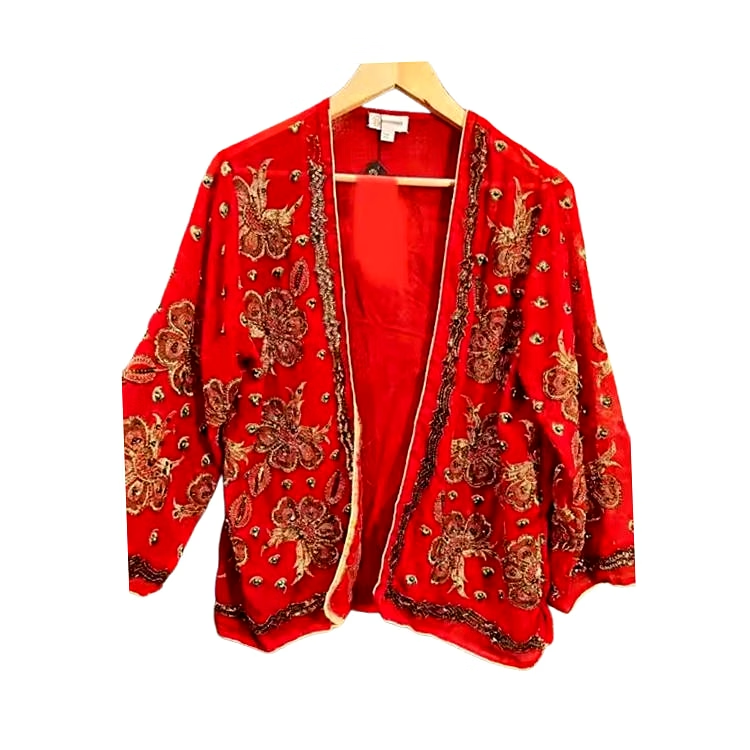
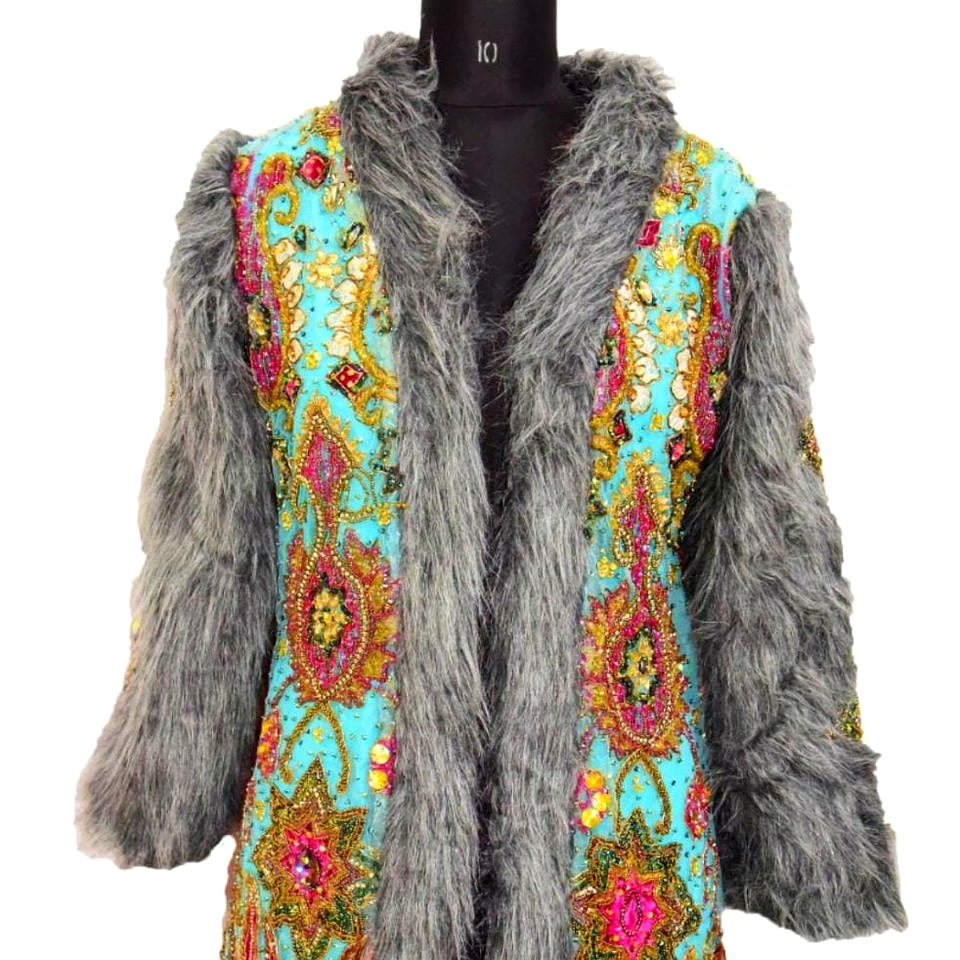
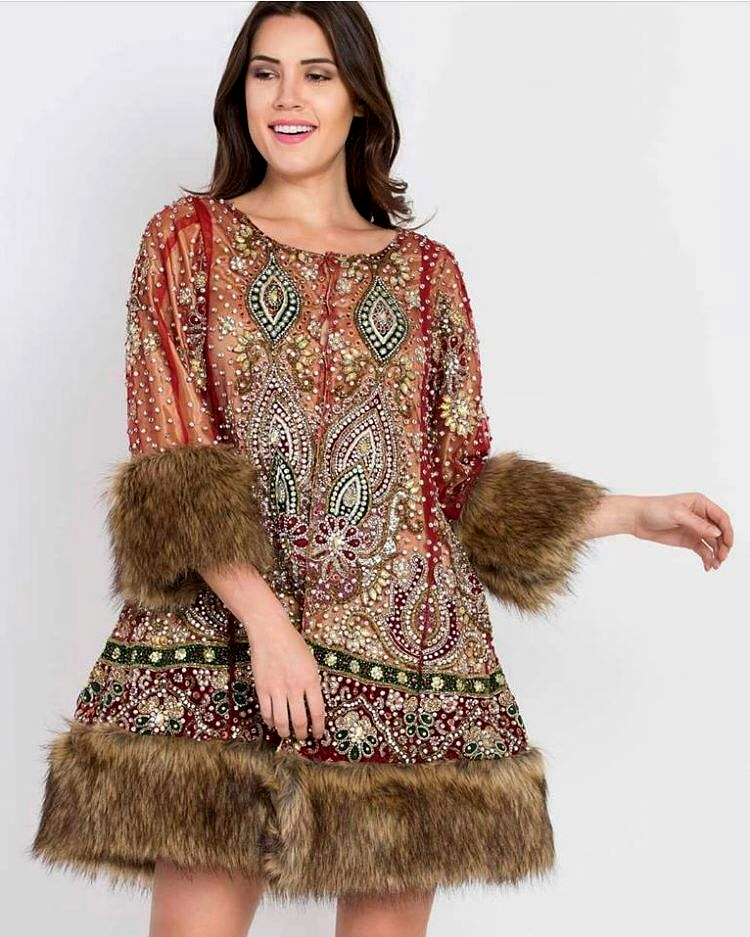
Product Composition and Structure
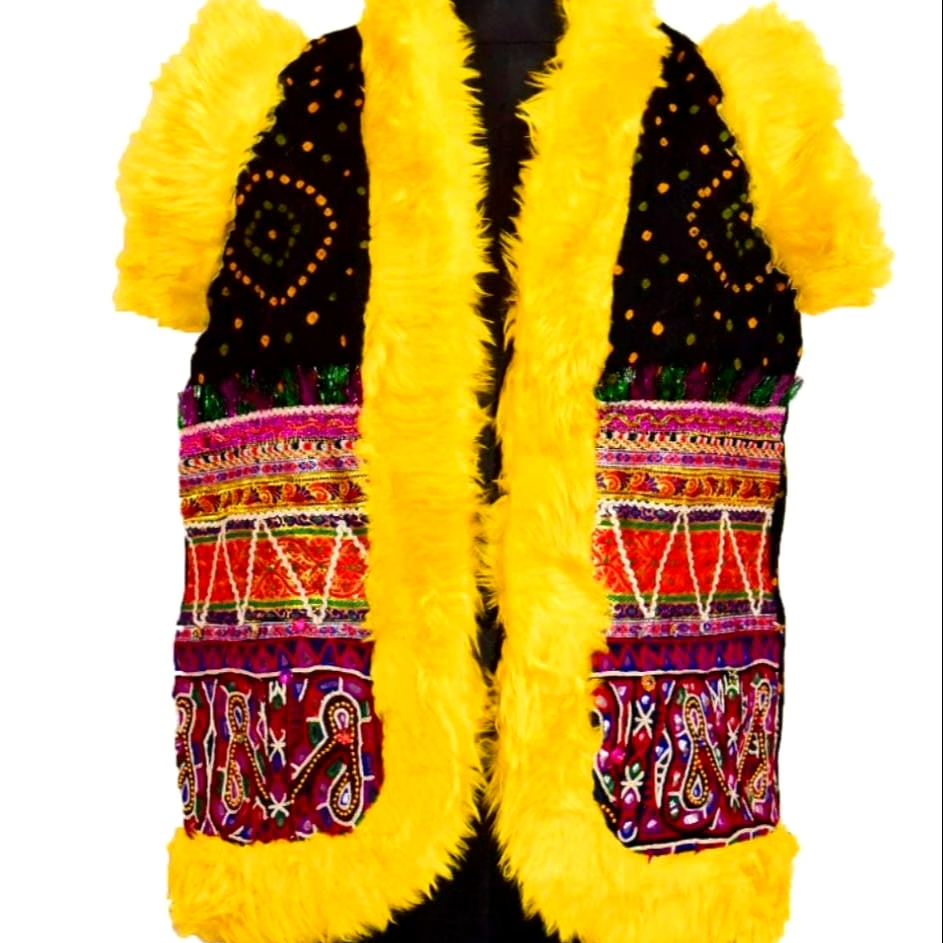
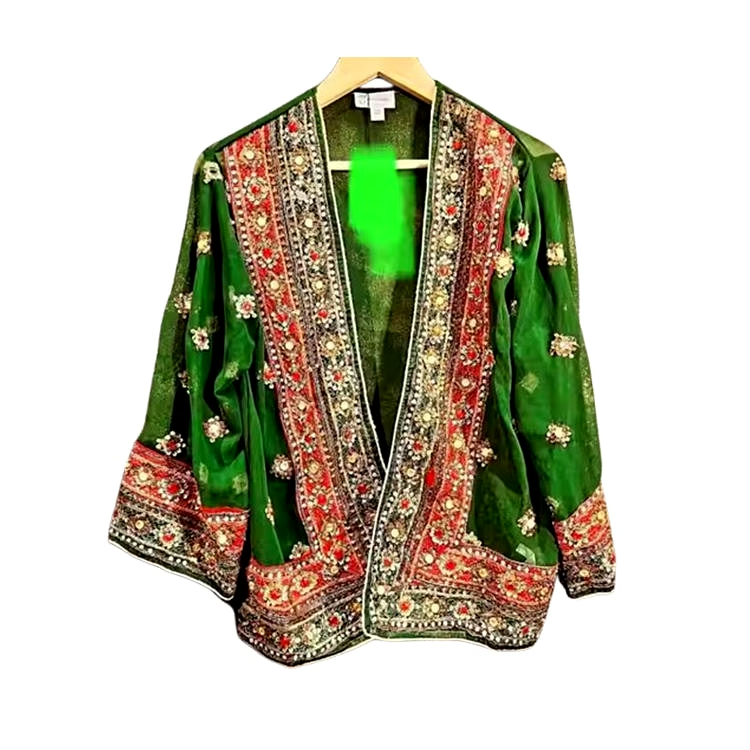
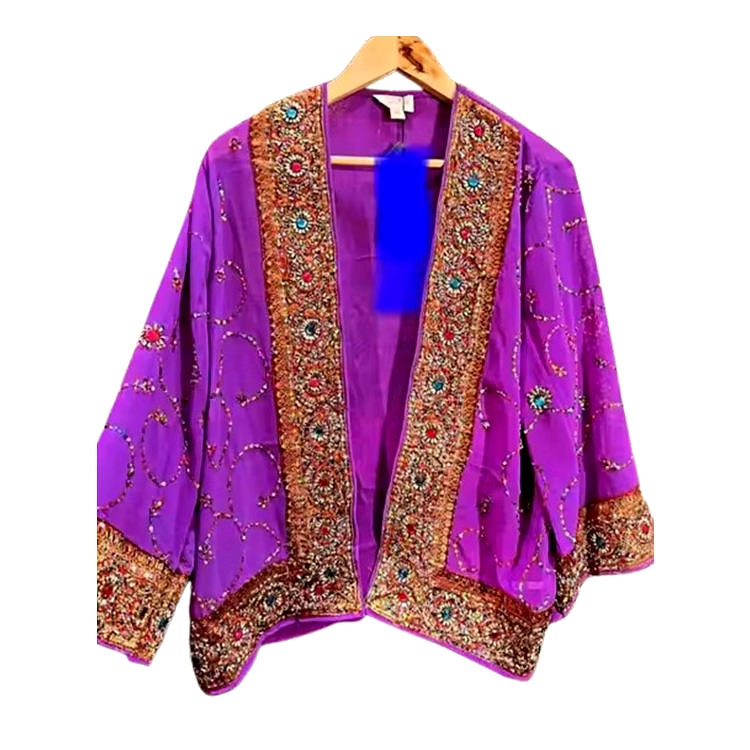
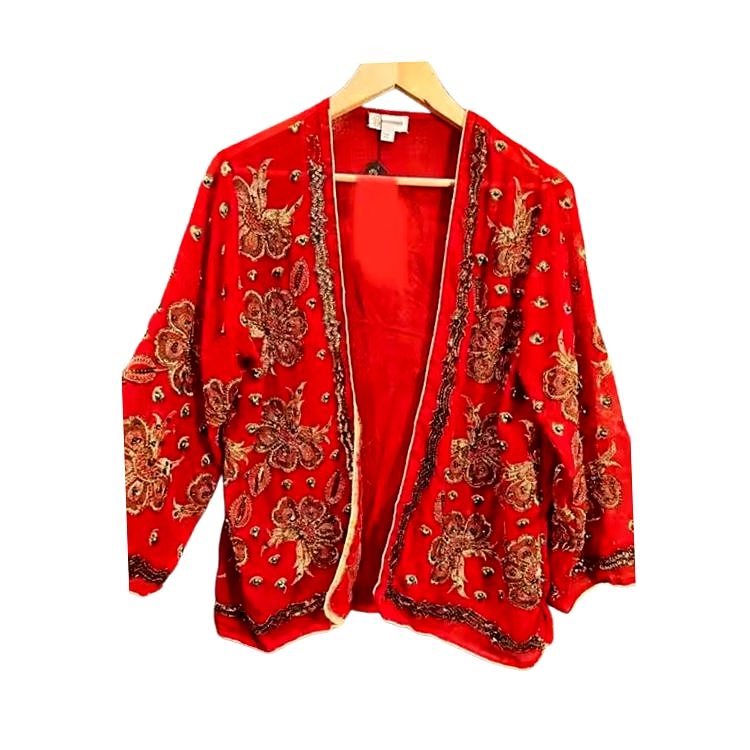
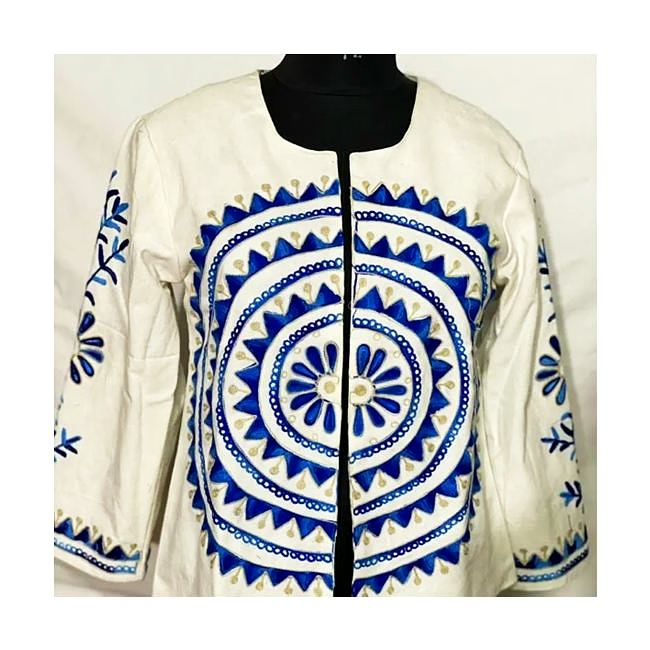
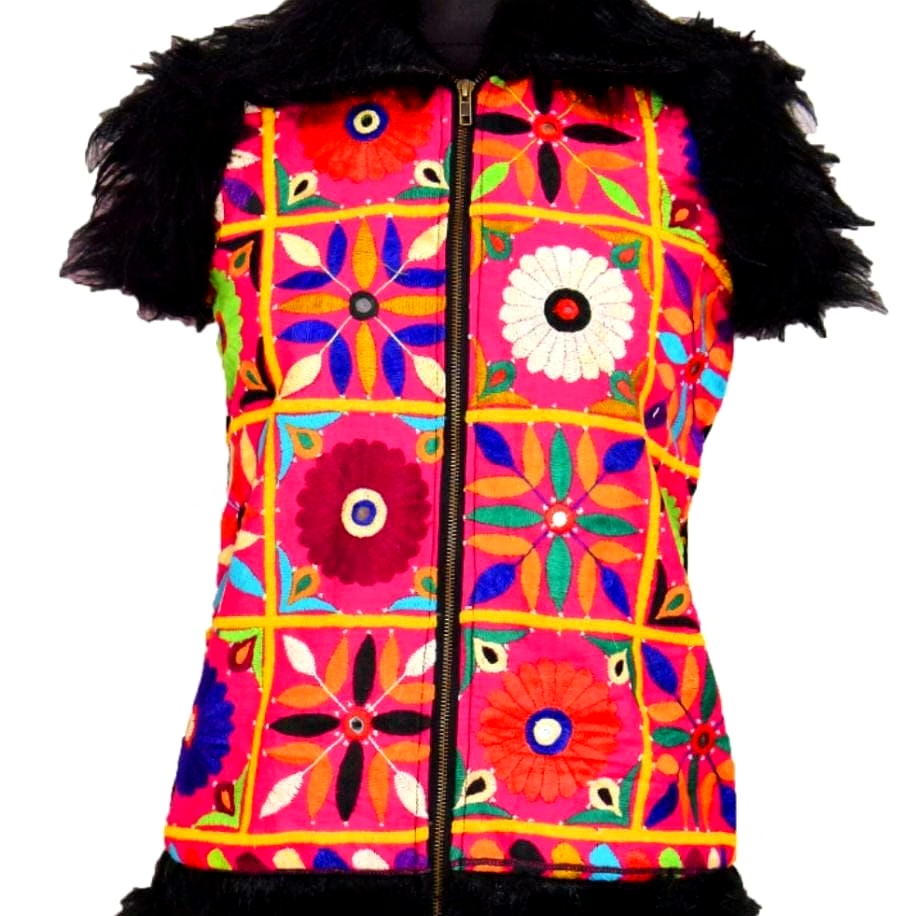
The fur banjara jacket combines fur panels with structured patchwork and a tailored lining. Fur sections are mounted on stable backing and integrated with seam allowances sized to avoid pile compression. Inner linings and interlinings are chosen to support thermal retention while preserving garment drape and mobility.
Functional Performance & Operational Efficiency
Key buyer outcomes include thermal performance, dimensional stability, and pack-handling resilience. Fur grade selection impacts insulation value and appearance retention. Production includes trimming and de-furring stages followed by gentle finishing to preserve pile and reduce shedding. Buyers should specify acceptable fur grade bands to align pricing and appearance expectations.
Processing Insight
Fur handling requires dedicated workstreams: pelting inspection, nap alignment, and controlled stitching to avoid pile distortion. Critical quality checks: pile evenness, seam integrity where fur meets fabric, and post-process visual inspection. Export documentation and material declarations should be planned early for cross-border shipments of animal-fibre goods.
Application & Industry Deployment
Distributor restock
Buyer role: inventory planner for seasonal outerwear; Constraint: lot-level fur grade consistency; Outcome: reliable seasonal stock with predictable thermal performance when grade bands are defined prior to order.
Retail chain stocking
Buyer role: retail merchandiser; Constraint: in-store handling and display durability; Outcome: improved display life and lower return rates when packing and hang-tag care instructions are enforced.
Seasonal distribution planning
Buyer role: seasonal collection manager; Constraint: lead-time and sourcing window for specific fur grades; Outcome: on-shelf availability for the season when procurement windows align with lead-time (20–30 days typical).
Differentiation Hook
This SKU is specified for fur-grade selection and pile management; buyers may request pre-shipment inspection for pile evenness and a sample for approval to lock fur grade and trimming style.
Frequently Asked Questions
- What is the MOQ for fur banjara jackets (loose and fitted sizes)? Indicative MOQ is 50 units. Size-set planning and fur-grade selection should be confirmed during sampling to align pricing and fit.
- How does fur grade influence pricing for fur banjara jackets? Fur grade affects price through pelting quality, pile length, and batch availability. Higher-grade pelts increase unit cost and may extend lead times due to sourcing constraints.
- Is material testing or inspection available for fur garments on request? Yes. Buyers can request pile-evenness inspection, seam integrity checks, and pre-shipment visual approvals. Certificate downloads such as IEC Export License and GST Registration Certificate are provided for shipment documentation.
- What are lead times, packing and shipping options for bulk fur jacket orders? Typical lead time is 20–30 days. Packing includes moisture-control pouches, protective inners, and cartonization; custom branded packaging is possible under private-label arrangements after sample approval.
Description provided by Fashion Mart.
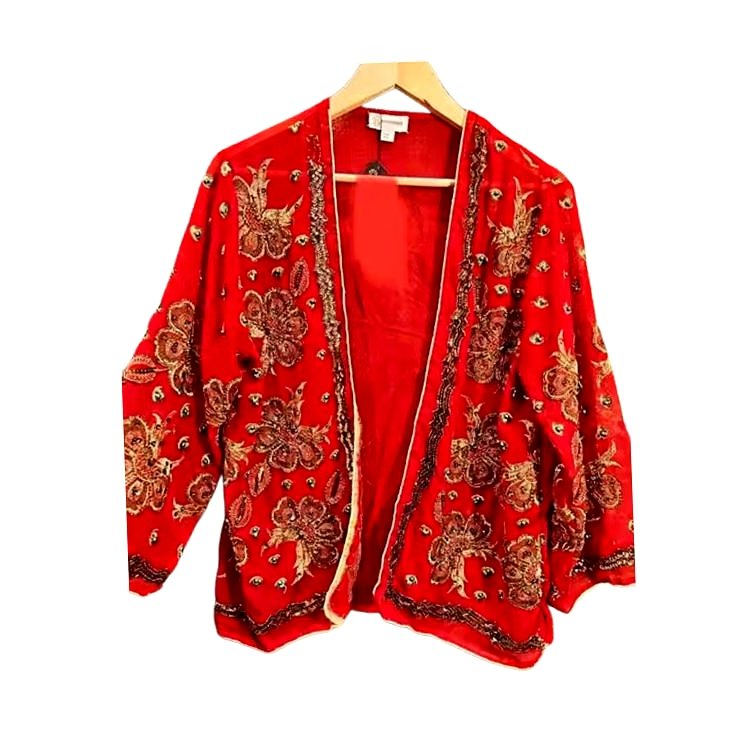
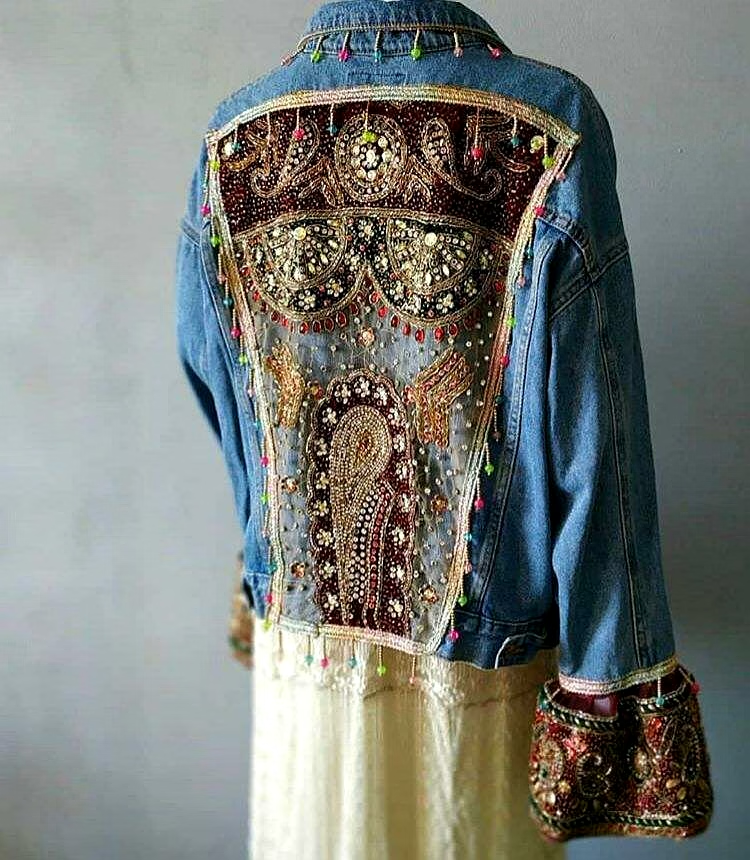
Glass beads applied by hand for a consistent and durable finish
Authentic boho-style vintage patchwork enhancing ethnic appeal
Soft fur incorporated to amplify premium feel and warmth
Kids festive and special occasion wear
Constructed to endure regular wear and bulk packaging
Finished to international fashion retail standards
1 piece for flexible wholesale and bulk orders
Bulk, wholesale, and export distribution
Specifications
Material
Glass beads and fur accents on base fabric
Target Market
Kids fashion apparel, boutique and festive wear
Category
Banjara Jackets and Bags
End Use
Wholesale and export supply for international buyers
Manufacturing Quality
Hand-applied beadwork with export-ready finishing

 FIEO Registered
Export Ready