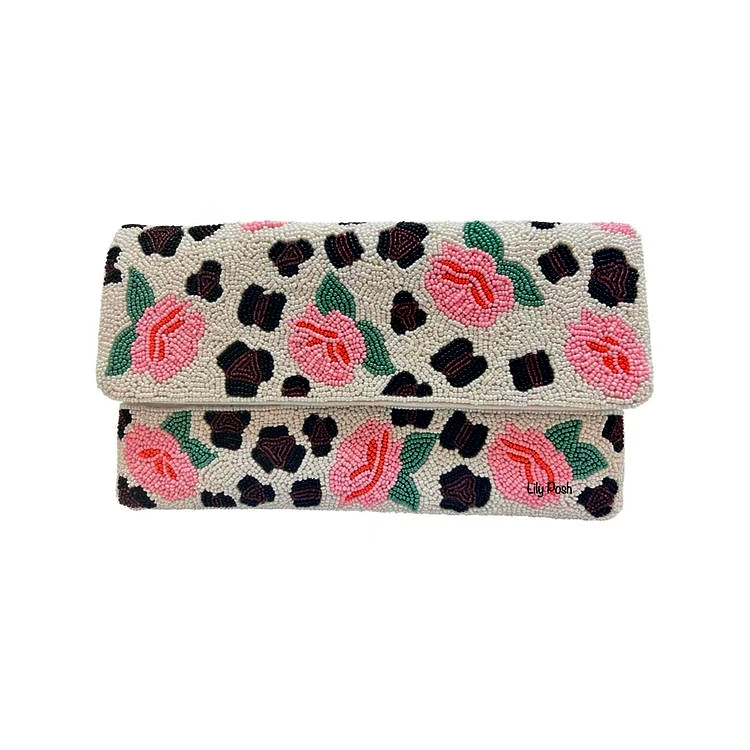
Product Composition & Structure
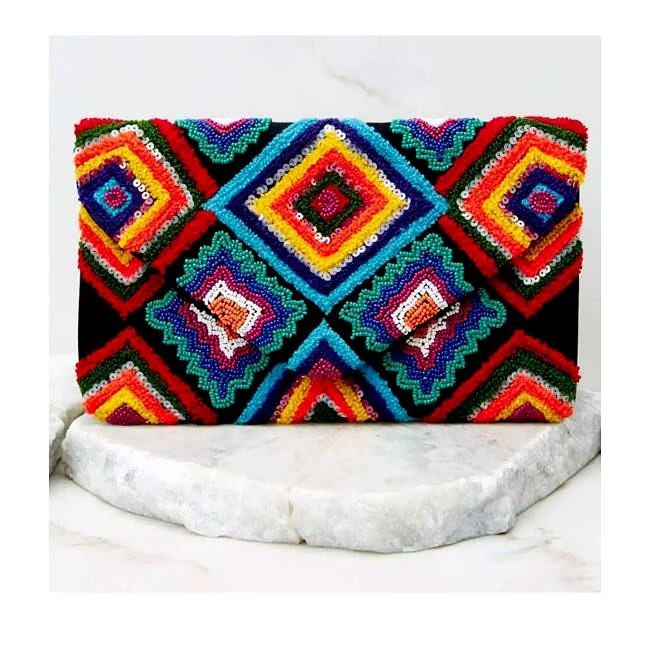
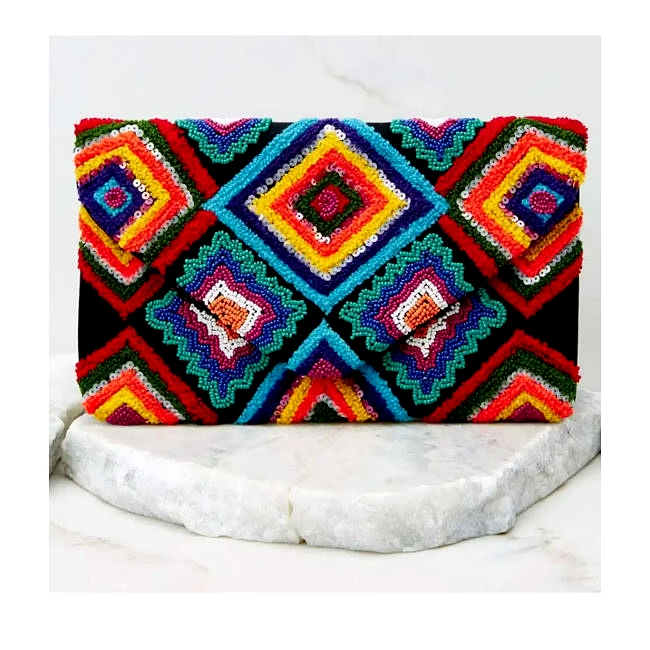
This clutch combines bead embroidery with a satin or fabric lining and a rigid clutch frame. Stitch density and backing reinforcement are specified to minimize bead loosening under handling. Closure systems are chosen for wedding use—secure and discreet—so closure operation tests are part of pre-production validation.
Functional Performance & Operational Efficiency
Embroidery density impacts both visual resolution and production throughput. Bridal pieces typically have higher stitch density and choice of lining; this increases manual time and marginal cost. Buyers should lock in embroidery samples early to align timing and pricing with campaign dates.
Processing Insight
Embroidery workflows are scheduled in batches to preserve motif consistency. QC checkpoints include motif dimensional checks, bead retention pull-tests, and frame attachment inspections. For private‑label projects, label art and placement are confirmed at the same stage to prevent delays at packing.
Application & Industry Deployment
Distributor restock — Buyer role: replenishment coordinator; constraint: motif fidelity and bead retention criteria; outcome: steady restock ability after an approved lot and acceptance thresholds are set.
Retail chain stocking — Buyer role: bridal category buyer; constraint: finishing and presentation suitable for wedding retail; outcome: product shipped retail-ready when packaging and labeling specifications are finalized pre-production.
Seasonal distribution planning — Buyer role: seasonal campaign manager; constraint: production lead time tied to embroidery detail; outcome: delivery aligned to bridal season after sample approval and slot allocation.
Differentiation & Buyer Pain Point
Precision embroidery and a controlled sample-approval workflow reduce lot variability. The major buyer pain—motif inconsistency—is addressed by defined visual acceptance and a pre-shipment inspection protocol focused on bead retention and closure durability.
Frequently Asked Questions
- What is the MOQ and lead time for embroidered pink roses beaded clutches? MOQ is 100 units; lead time usually 15–25 days. Denser embroidery increases lead time—confirm timing at sample approval.
- How does embroidery complexity affect pricing for the beaded clutch? Pricing is driven by stitch-hours, bead count and finishing. Provide motif artwork or a sample to receive accurate tiered pricing by quantity band.
- Is there any documentation available on bead or thread materials for embroidered clutches? Batch inspection records and bead retention checks can be supplied. Export paperwork and tax registration documents are available during procurement discussions.
- What packaging formats and delivery timelines are typical for wholesale shipments? Standard packing is bulk cartons; retail-ready inner packs and branded cartons are provided after label and artwork approval. Final packing specs and timelines are confirmed at PO.
Description provided by Fashion Mart.
Embroidered pink roses floral envelope pattern
Hand-applied glass bead embellishments for consistent finish
High-quality cotton fabric with glass beads
Suitable for kids' parties, festive occasions, and special events
Structured clutch bag designed for durability and comfort
Wholesale ready and export compliant for international buyers
Controlled hand-beading techniques ensuring resilient bead attachment
Bulk packing with standardized sizing for easy distribution
Kids fashion accessory for evening and party wear
Specifications
Product Type
Evening Clutch Bag
Material
Cotton with Glass Bead Embellishments
Design Pattern
Pink Roses Floral Envelope
Crafting Technique
Hand-beaded embroidery
Target Market
Kids Fashion Apparel
Usage Occasion
Parties, Boutique, Special Occasions
Supply Type
Bulk and Wholesale Ready
Durability
High - Secure bead attachment
Color
Pink with Multi-colored Beads

 FIEO Registered
Export Ready