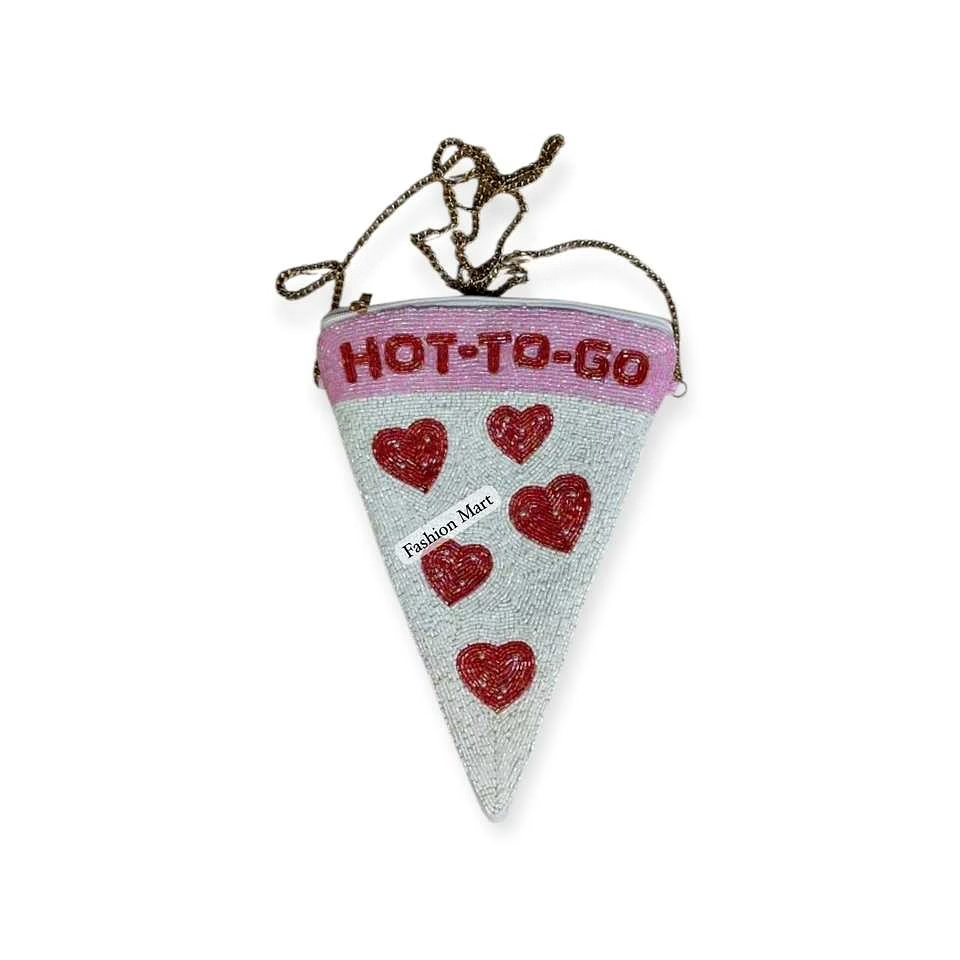
Product Composition & Structure
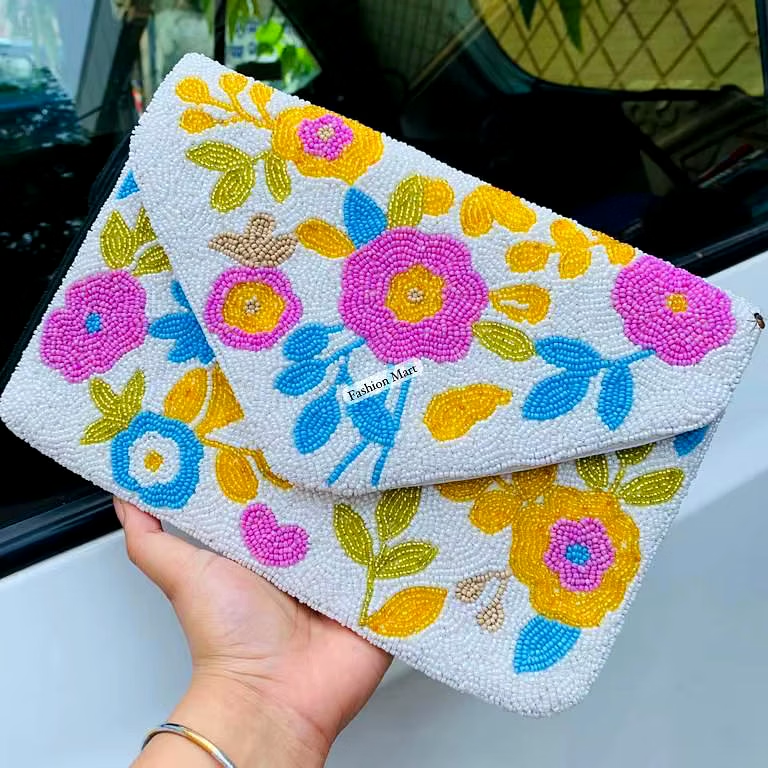
The coin purse is constructed around a base substrate (fabric or canvas) with hand-embroidered motifs and bead overlays. Beads are affixed with lock-stitch beadwork to reduce slippage; embroidery thread selection impacts abrasion resistance. Closure components—zippers or snaps—are specified in procurement to align with expected duty cycles during retail handling.
Functional Performance & Operational Efficiency
Key selection parameters are stitch density and closure class. Higher stitch density improves motif clarity but increases hand-labor and inspection. Closure selection affects lifecycle: #3–#5 coil zippers are typical for small accessories; buyers should specify corrosion-resistant metal finishes if exposed to coastal retail environments. Unit packing choices affect in-store readiness: inner polybags and swing tags reduce shelf prep time.
Processing Insight & Quality Controls
Production steps: substrate cutting → embroidery layout → bead attachment → closure fitment → trimming and final inspection. Control points include stitch-count verification against the tech pack, pull testing for bead attachment, and zipper cycle testing (recommended 100 cycles for retail accessories). Lot marking at carton level supports shade and motif repeatability across re-orders.
Application & Industry Deployment
Distributor restock
Buyer role: category buyer restocking seasonal event accessories. Constraint: consistent motif and unit-ready packing. Outcome: carton-level packing with inner protection reduces quality rejects at receipt.
Retail chain stocking
Buyer role: retail merchandiser. Constraint: ready-to-shelf presentation and barcode labeling. Outcome: private-label swing tags and inner polybagging allow direct shelf placement with minimal in-store prep.
Seasonal distribution planning
Buyer role: promotions planner. Constraint: lead-time tied to embroidery complexity. Outcome: specifying stitch-band during RFQ secures production windows aligned with event dates.
Differentiation Hook
This SKU is specified for hand-embroidery clarity and bead retention by using lock-stitch bead attachment and closure class options. Buyers can request a pre-production sample to lock stitch counts and closure finish before bulk runs.
Frequently Asked Questions
- What is the MOQ and are repeat orders supported? Indicative MOQ starts at 100 units and repeat runs are supported with lot marking for motif and shade continuity.
- How does embroidery complexity affect pricing? Pricing is linked to stitch-count and bead density; provide a motif sample or stitch-band to obtain accurate costing.
- Are material and compliance documents available? Export documentation such as the IEC Export License and GST Registration Certificate can be provided during commercial negotiation; bead and thread material declarations are available on request for inspections.
- What are lead times and packaging options? Typical lead time 15–25 days; standard packing is bulk carton packing with options for retail-ready inner polybags and branded swing tags after sample sign-off.
Description provided by Fashion Mart.
Intricate ethnic hand embroidery with 'Game Day' motif
Hand-finished durable glass bead embellishments
Kids boutique, festive occasions, and themed events
Robust construction suitable for regular use and transport
Bulk supply and packaging designed for export
Ethnic, festive, and playful kids accessory
High-quality glass beads and fabric base
Standardized sizing ideal for international resale
Export-ready for global B2B fashion buyers
Specifications
Category
Beaded Box Clutch Bags
Material
Glass Beads and Fabric
Application
Kids Fashion Accessory
Design
Hand Embroidered with 'Game Day' Text
Embellishments
Hand-applied Glass Beads
Supply Type
Bulk and Wholesale
Usage
Kids boutique, festive, occasion wear
Durability
High durability for wear and transport
Packaging
Bulk packaging suitable for export


 FIEO Registered
Export Ready