Product Composition / Structure
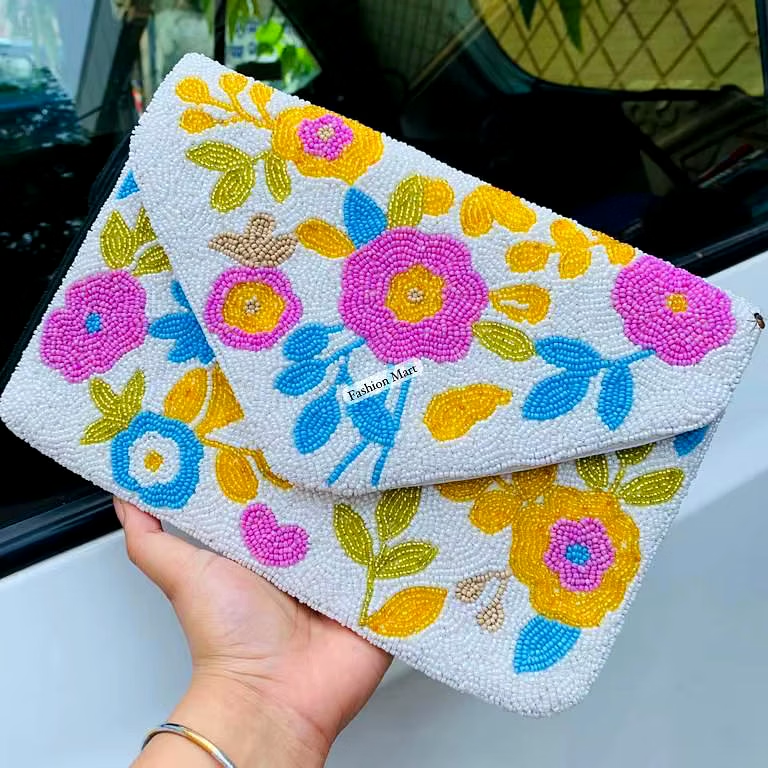
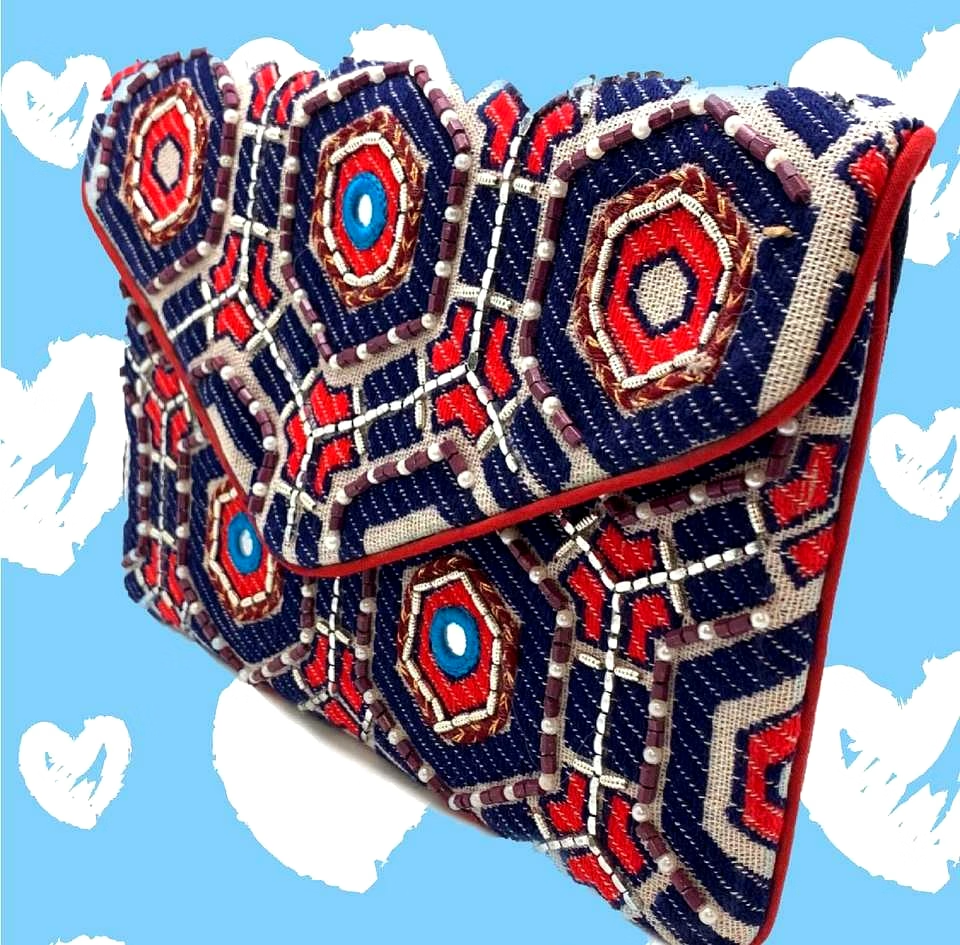
The embroidered velvet purse bulk supply uses a velvet face material over a stabilizing interlining to maintain shape and prevent pile flattening from embroidery tension. Embroidery is applied with a backing or soluble stabilizer removed post-stitch where applicable. Internal lining is a low-friction woven to reduce abrasion on threads and beads if combined with mixed embellishments. Edge binding and seam allowances are reinforced to prevent distortion during handling.
Functional Performance & Operational Efficiency
Velvet pile and embroidery require controlled tension during stitching to avoid pull-through or pile crushing. Embroidery placement near seams is avoided or supported with additional backing to preserve seam integrity. Packing strategies limit direct pressure on embroidered zones; units are tested in sample cartons to validate packing specs against pallet stacking patterns common to retail chain shipping.
Processing Insight
Embroidery introduces color-change overheads and thread management steps. Production batches are planned to reduce thread changes and to improve throughput; this affects lead-time estimation and unit pricing. Quality checkpoints include stitch density verification, thread tension inspection, and seam allowance checks. Shade consistency for dyed velvet is validated via lot sampling and delta-E checks when required for strict visual matching.
Application & Industry Deployment
Distributor restock — Buying teams prioritizing consistent shelf presentation will use sample-matched embroidery and packing specs; constraint: color and thread-change overhead; outcome: predictable replenishment with controlled pile and stitch finish.
Retail chain stocking — Merchandisers needing minimal store prep will opt for retail-ready packing and approved hang/display fixtures; constraint: carton depth and display face requirements; outcome: immediate floor-ready units.
Seasonal distribution planning — Planners coordinating seasonal collections will schedule production considering embroidery stitch counts as the decision variable; constraint: batch size vs thread-change efficiency; outcome: staged deliveries aligned to seasonal windows.
Frequently Asked Questions
- What are the MOQ options for embroidered velvet purses for distributor and bulk purchases? MOQ bands are set after sample approval and depend on embroidery complexity; buyers typically align MOQ with carton-optimization bands to keep per-unit packing consistent.
- What pricing factors should buyers expect for embroidered velvet purses? Pricing is driven by embroidery stitch count, color changes, and any additional surface treatments on velvet. Increased stitch density and multiple thread-color changes raise unit labor and thread consumption cost.
- Are there any material or textile compliance checks available for velvet purses? Fabric fastness and shrinkage checks are performed at lot stage. Batch QC reports can include color fastness and dimensional stability data on request.
- How are embroidered velvet purses packaged and what are typical lead times for bulk orders? Units are packed with tissue and dividers within export cartons; indicative lead times are 3–7 weeks depending on embroidery volume and finish approvals. Private-label packaging options are coordinated during tech-pack sign-off.
Description provided by Fashion Mart.
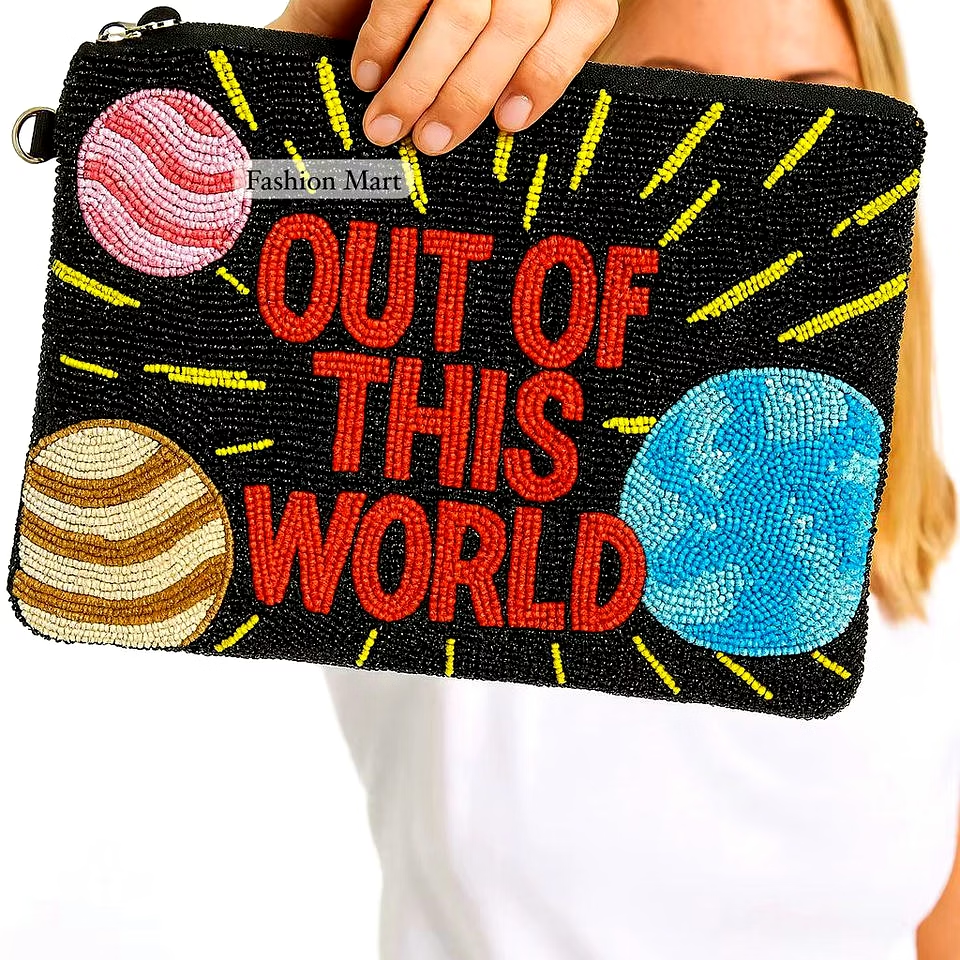
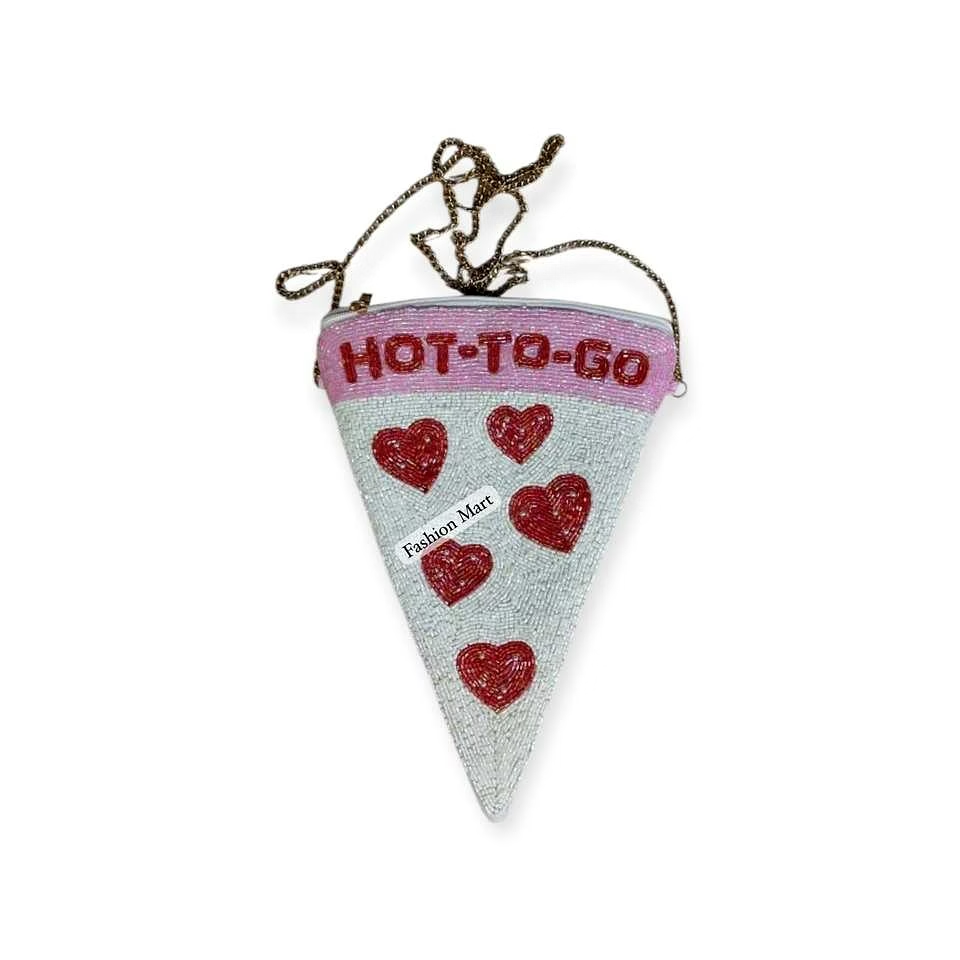
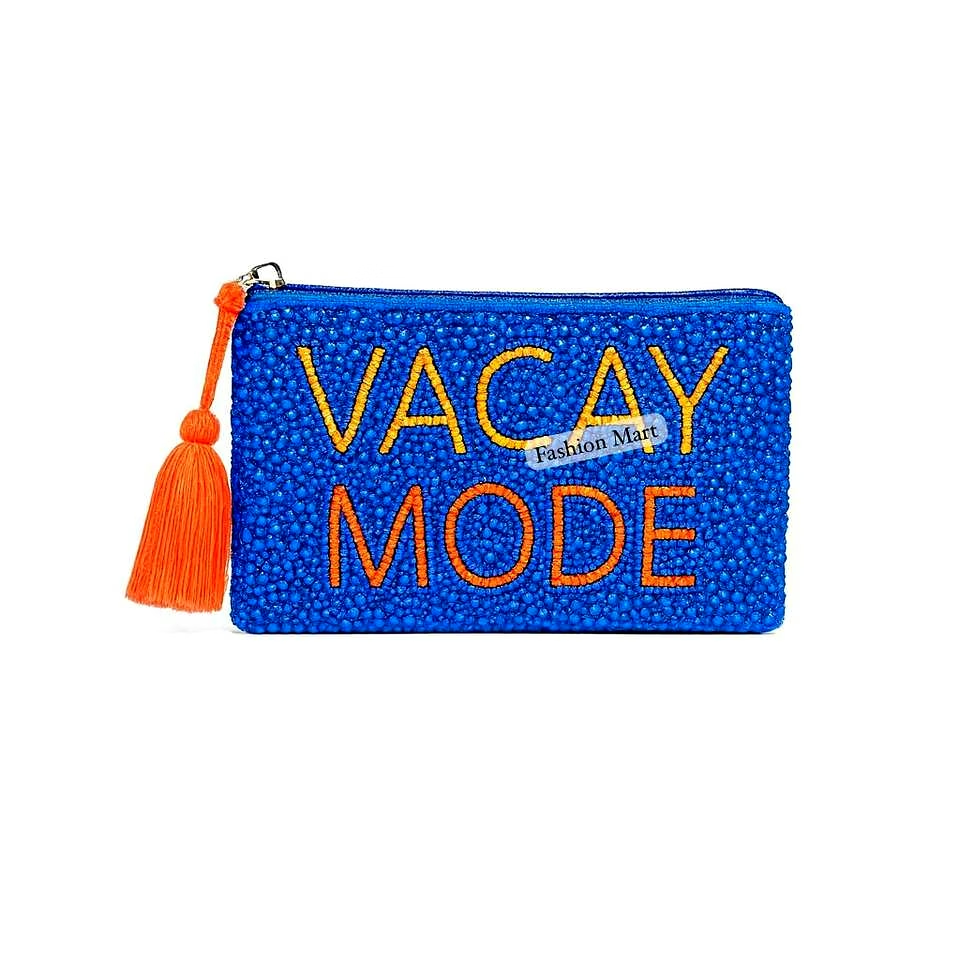
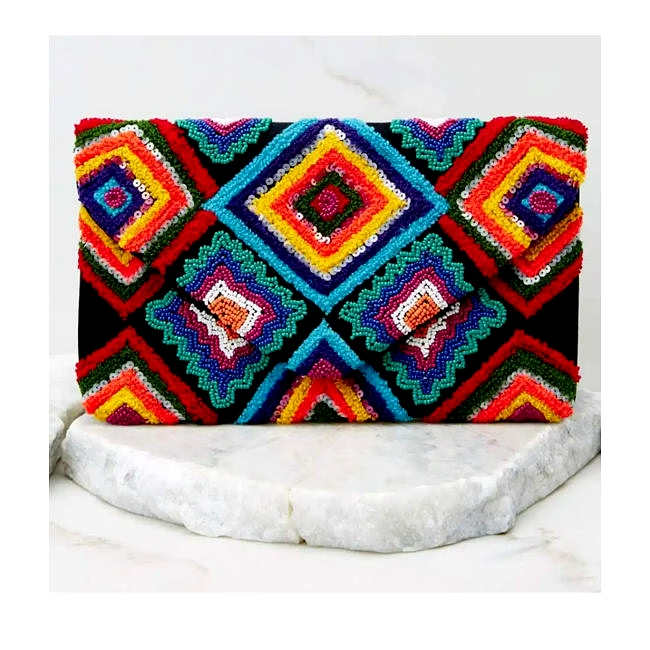
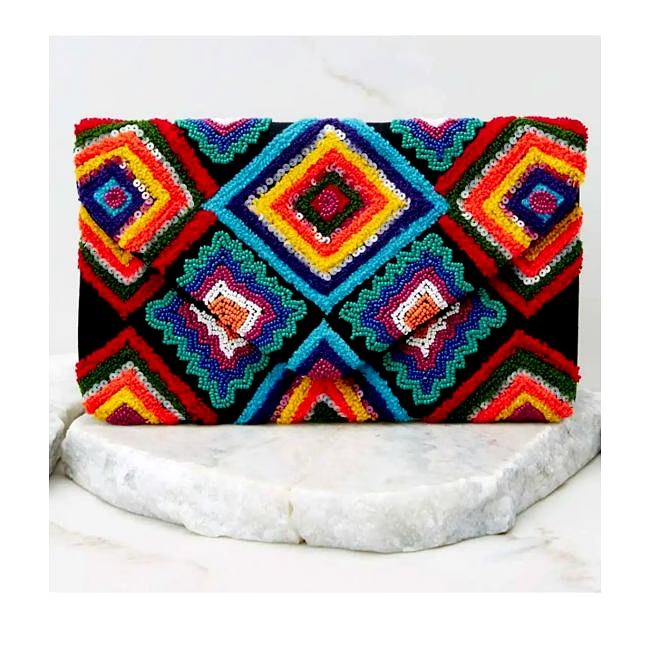
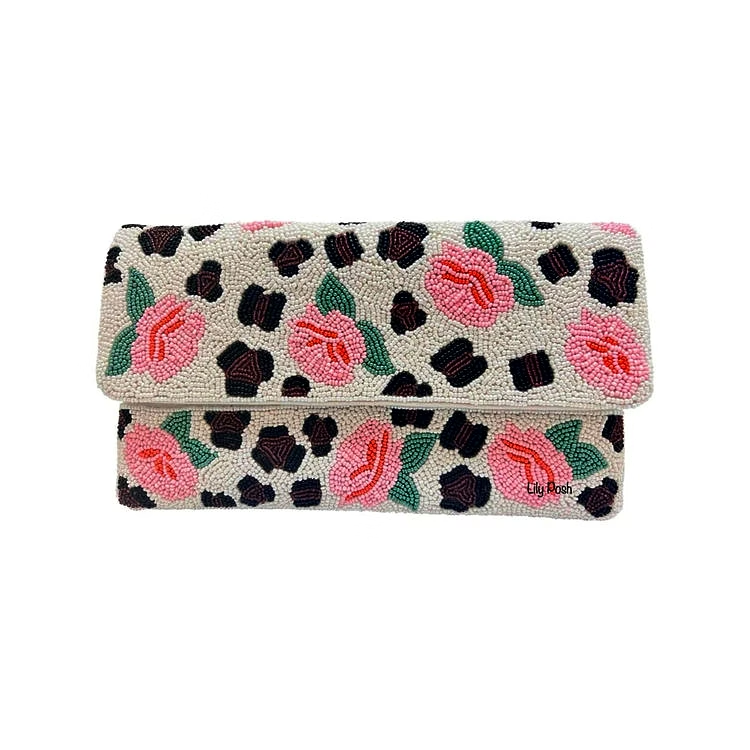
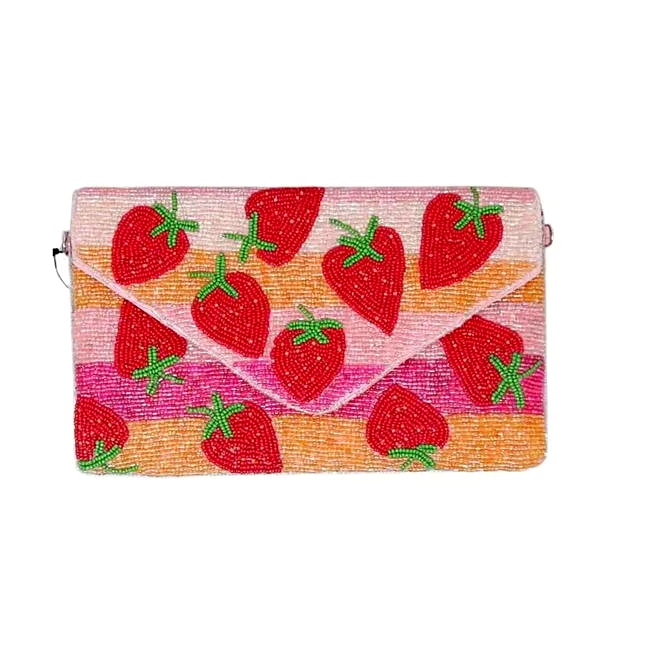
Premium Velvet with Glass Bead Embellishments
Hand-applied Glass Bead Embellishments
Wedding and Special Occasion Kids Purse
Structured for Comfort and Long-lasting Use
Suitable for Wholesale and Export Markets
Bulk and Wholesale Ready with Export Standards
Kids Boutique, Festive and Themed Events
Specifications
Product Type
Wedding Clutch Bag
Material
Velvet with Glass Beads
Embellishment
Diamonds and Hand Beaded Glass Elements
Usage Occasion
Wedding, Festive, Special Occasion
Supply Type
Bulk, Wholesale, Export Ready
Export Compliance
Meets International Fashion Retail Standards

 FIEO Registered
Export Ready
FIEO Registered
Export Ready