1/3
Export Ready

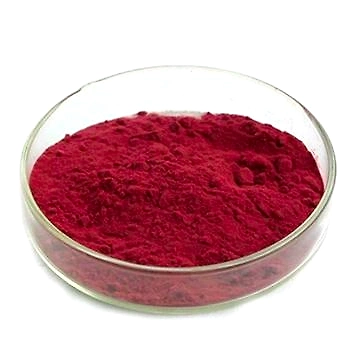
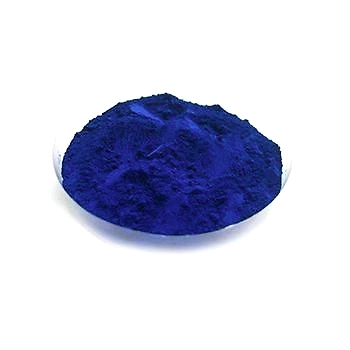
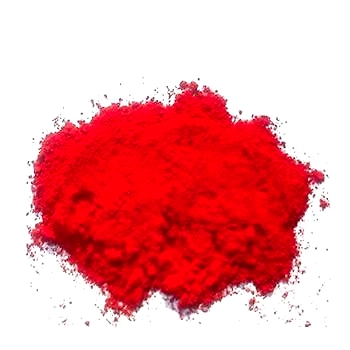
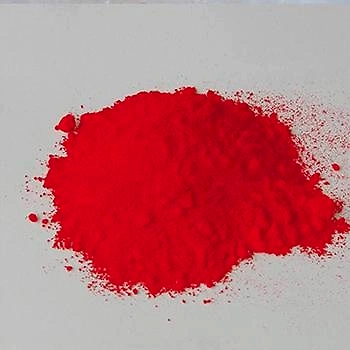
DIRECT DYES

Sold by kartikeya overseas · Manufacturer, Retailer, Brand Owner, Distributor, Exporter, Importer, Wholesaler · Delhi, Delhi, India

Price
₹ 2.27 /Kilogram
In stock
Inclusive of all taxes
Minimum order: 1 Kilogram

Export Snapshot

MOQ
1 Kilogram
Lead time
On request
Packaging
Standard export packaging
Shelf life / longevity
As per product specification
HS Code
32041111
Origin
India
Port of dispatch
On request
Export markets served
 flag
Values shown are for kartikeya overseas.
Compliance & Certifications
Suitable for

Importers · Distributors · Wholesalers

Know your supplier

kartikeya overseas is a Manufacturer, Retailer, Brand Owner, Distributor, Exporter, Importer, Wholesaler based in Delhi Delhi India.

Delhi Dispatch on request Verified seller
kartikeya overseas logo

Manufacturer, Retailer, Brand Owner, Distributor, Exporter, Importer, Wholesaler · Delhi, Delhi, India

Specialized in chemicals for over 35 years and has a strong grip over the market. Our products have a very good reputation in the market and we have a sale of around 200 tons/month in our hand. We are technology-focused company with a high investment in R&D, offering excellent technical service and customised products, providing solutions that make sense. We deal in all types of raw materials - COLORS, INKS, DYES, CHEMICALS, ADHESIVES, SPECIALTY CHEMICALS for 13 different industries - - PLASTICS - PAPER - COSMETICS - PLYWOOD - PERSONAL CARE & HOME CARE - AGRO-CHEMICALS - TEXTILE - LEATHER & REXINE - RUBBER - PAINT - NON-WOVEN, JUTE, COTTON - TILE & MARBLE - CONSTRUCTION

Registered address: Delhi, India. Industry: Chemicals, Dyes & Paints > Dyes, Pigments & Inks.

Established
Not shared
Employees
GST
07ABAFK5290K1Z3
IEC code
Not shared
Export markets
 flag
GlobalLinker Member Since
Feb 2025
Turnover
Incorporation Type
On request
Product details

What are the specifications of this product?

Overview

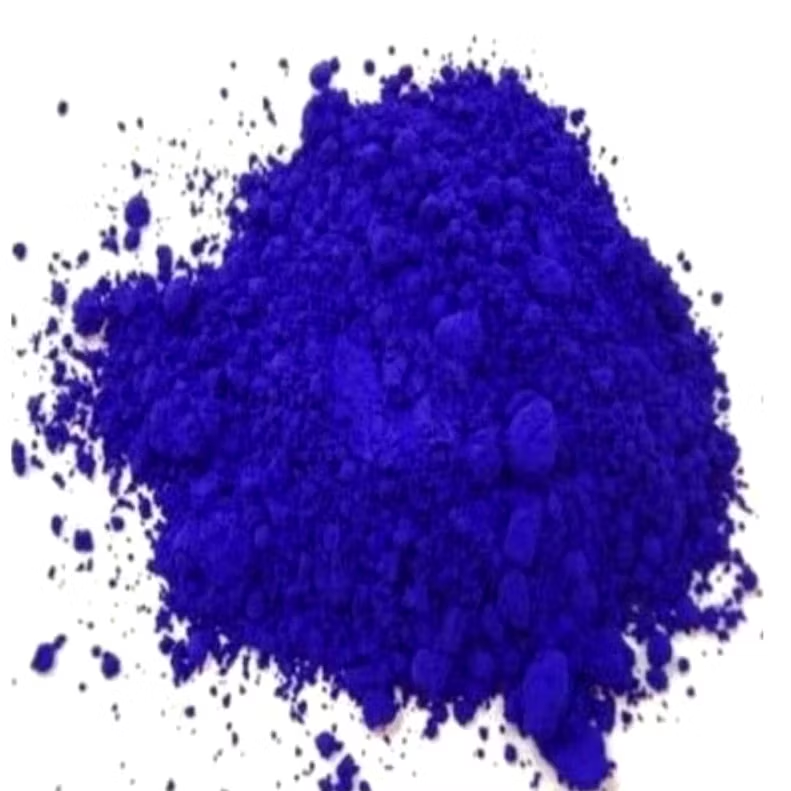
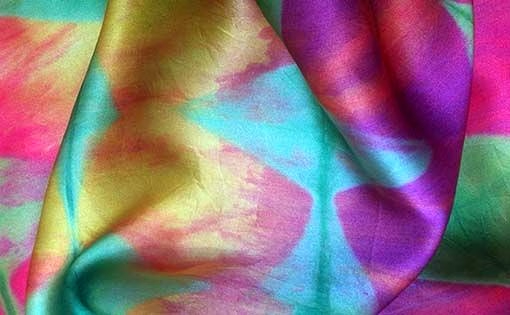
Direct dyes are anionic dyes substantive to cellulosic fibers when applied from an aqueous bath containing electrolyte. Many of them also dye protein fibers. Direct Dye is a class of dyestuffs that are applied directly to the substrate in a neutral or alkaline bath. They produce full shades on cotton and linen without mordanting and can also be applied to rayon, silk, and wool. Direct dyes give bright shades but exhibit poor wash fastness. Various after treatments are used to improve the wash fastness of direct dyes, and such dyes are referred to as “after treated direct colors.”Direct Dyes are molecules that adhere to the fabric molecules without help from other chemicals. Direct dyes are defined as anionic dyes with substantivity for cellulosic fibers, normally applied from an aqueous dyebath containing an electrolyte, either sodium chloride (NaCl) or sodium sulfate (Na2SO4).

Product Description

APPLICATION:

Direct dyes are usually applied with the addition of electrolyte at or near the boil in the machines capable of running at atmospheric pressure. But in HTHP dyeing machines it is carried out at temperatures above the boil in case of pure as well as blended yarns.

An addition of alkali, usually sodium carbonate, may be made with acid-sensitive direct dyes and with hard water as well as to enhance the dye solubilisation. When cellulose is immersed in a solution of a direct dye it absorbs dye from the solution until equilibrium is attained, and at this stage most of the dye is taken up by the fibre. The rates of absorption and equilibrium exhaustion vary from dye to dye. The substantivity of the dye for cellulose is the proportion of the dye absorbed by the fiber compared with that remaining in the dyebath.

*Please refer to our technical for further information.

Properties:-

1. Water soluble dyes

2. Anionic nature

3. Needs electrolyte for exhaustion.

4. Dyeing process is carried out in alkaline condition.

5. Generally applied for cellulosic as well as protein fibers.

6. Fastness properties are average specially wet fastness.

7. Fastness properties are improved by after treatment.

8. It is not widely used as compared with reactive dyes.

9. Comparatively cheap in price.

10. Direct dyes are used for cheap goods for local market.


Description provided by kartikeya overseas.

Specifications

Dye Type Direct Dye (Anionic)
Electrolytes Used Sodium Chloride (NaCl), Sodium Sulfate (Na2SO4)
Dye Bath pH Neutral to alkaline
Fiber Compatibility Cotton, Linen, Rayon, Silk, Wool
Dyeing Temperature Range Atmospheric boiling point (~100°C) to above boiling (>100°C) in HTHP machines
Fastness Rating Average wet fastness; improved with after-treatment
Physical State Water-soluble powder or liquid (depending on supplier)
Typical Uses Dyeing of cellulosic textiles for economical local market goods
Alkali Addition Sodium carbonate added for acid-sensitive dyes or hard water
Mordanting Not required

Use cases

Category Textile Chemicals > Dyes & Pigments > Direct Dyes
Primary application Wholesale, distribution, and international sourcing
Brand rdc/ko/aaa/national
Product type Product

Logistics & handling

Lead time On request
Packaging As per buyer requirement
Storage condition As recommended by supplier
Origin India
Form As listed by supplier

Commercials (this seller)

Minimum order 1 Kilogram
Lead time On request
Payment terms As per negotiated commercial agreement.
Checkout type enquiry
Buyer questions

Frequently asked by buyers

Common questions B2B buyers ask before sourcing DIRECT DYES. Answers compiled from verified sellers' commercial terms and platform data.

Q: Can direct dyes be used for dyeing blended yarns with cellulosic and protein fibers?
A: Yes, direct dyes can be applied to blended yarns containing cellulosic fibers and protein fibers such as silk and wool, typically using high-temperature high-pressure (HTHP) dyeing machines to achieve better uptake.
Q: How is the wash fastness of direct dyes improved?
A: Wash fastness can be enhanced by subjecting dyed fabric to after-treatment processes, leading to 'after treated direct colors' which exhibit improved color durability.
Q: Is mordanting necessary when using direct dyes on cotton fabrics?
A: No mordanting is required for direct dyes when applied on cotton or other cellulosic fibers as these dyes substantively adhere to fibers in an electrolyte containing alkaline dyebath.
Q: What electrolytes are commonly used in the direct dyeing process?
A: Sodium chloride (NaCl) and sodium sulfate (Na2SO4) are the commonly used electrolytes to promote exhaustion of direct dyes on fabric.
Q: Are direct dyes suitable for acid-sensitive dyeing applications?
A: Direct dyes that are acid sensitive may require the addition of alkali such as sodium carbonate in the dye bath to ensure proper solubilisation and uptake by fibers.
Question not answered? Ask sellers directly — typical response within 4 hours.
DIRECT DYES
DIRECT DYES
₹ 2.27/Kilogram · MOQ 1Kilogram