Fishnets, cordages, and twines are typically manufactured from synthetic materials like nylon, polyethylene (PE), or HDPE through processes involving extrusion, twisting, braiding, and netting formation. These products are essential for fishing, aquaculture, and marine applications due to their strength, UV resistance, and durability.
Raw Materials:
Production starts with polymers like nylon (from diamine and dicarboxylic acids) or polyethylene (via ethylene polymerization). These are melted and extruded through dies to form monofilament or multifilament yarns, often UV-treated for outdoor use.
Twine Production:
Yarns undergo doubling (joining strands into slivers), then twisting or braiding.
Twisting: Machines apply S/Z twists to create multifilament twines (e.g., 210D/2-ply to 120-ply), producing knotless packages up to 3kg with energy-efficient systems like TPRS-19.
Braiding: A core yarn is wrapped with filaments and an optional intermediate film; heating seals gaps for stiffness and mud resistance.
Netting Formation:
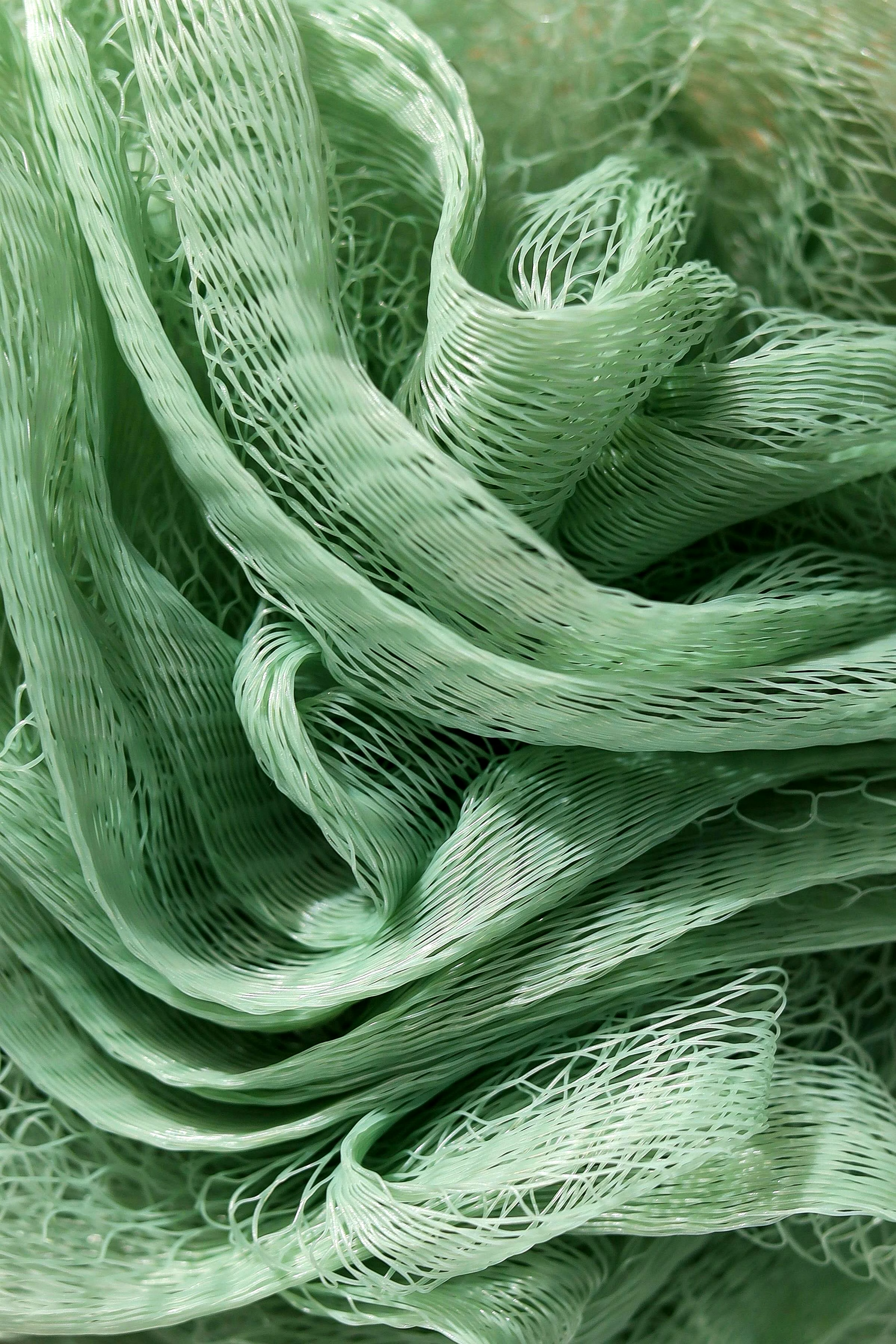
Twines are knotted or woven on special looms into meshes (half-inch intervals). Knotted nets use nylon/HDPE twines; knotless types offer smoother finishes for trawls or cages.
Description provided by indian stalwart global sourcing company.