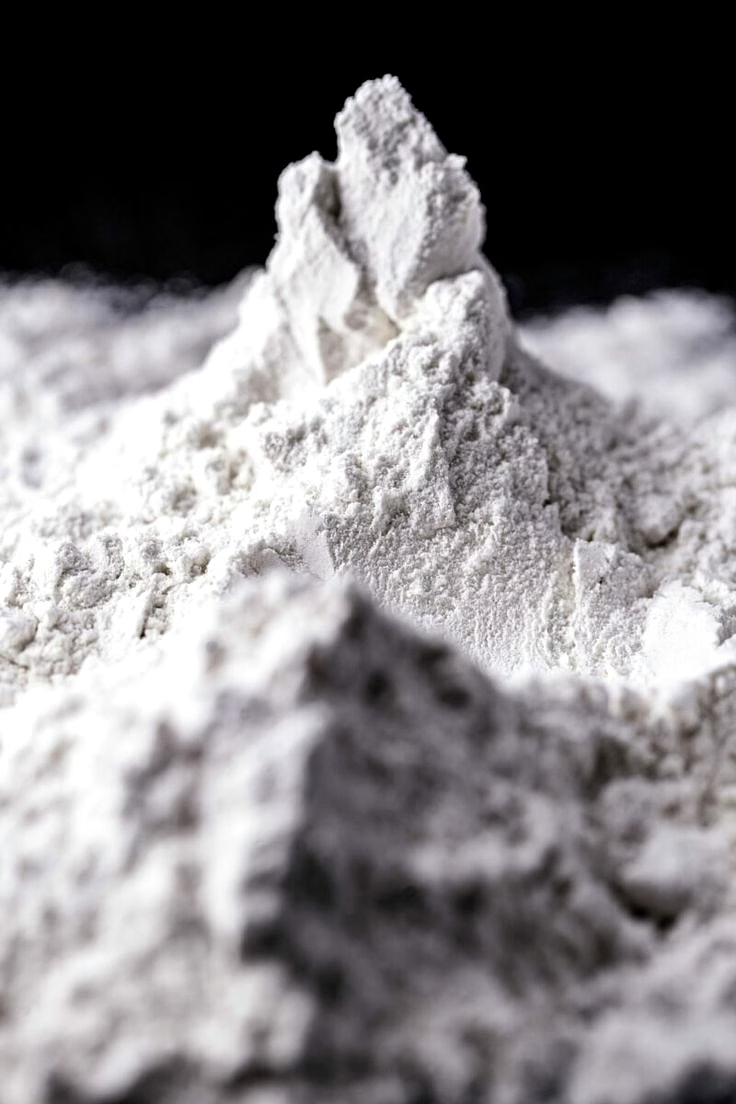
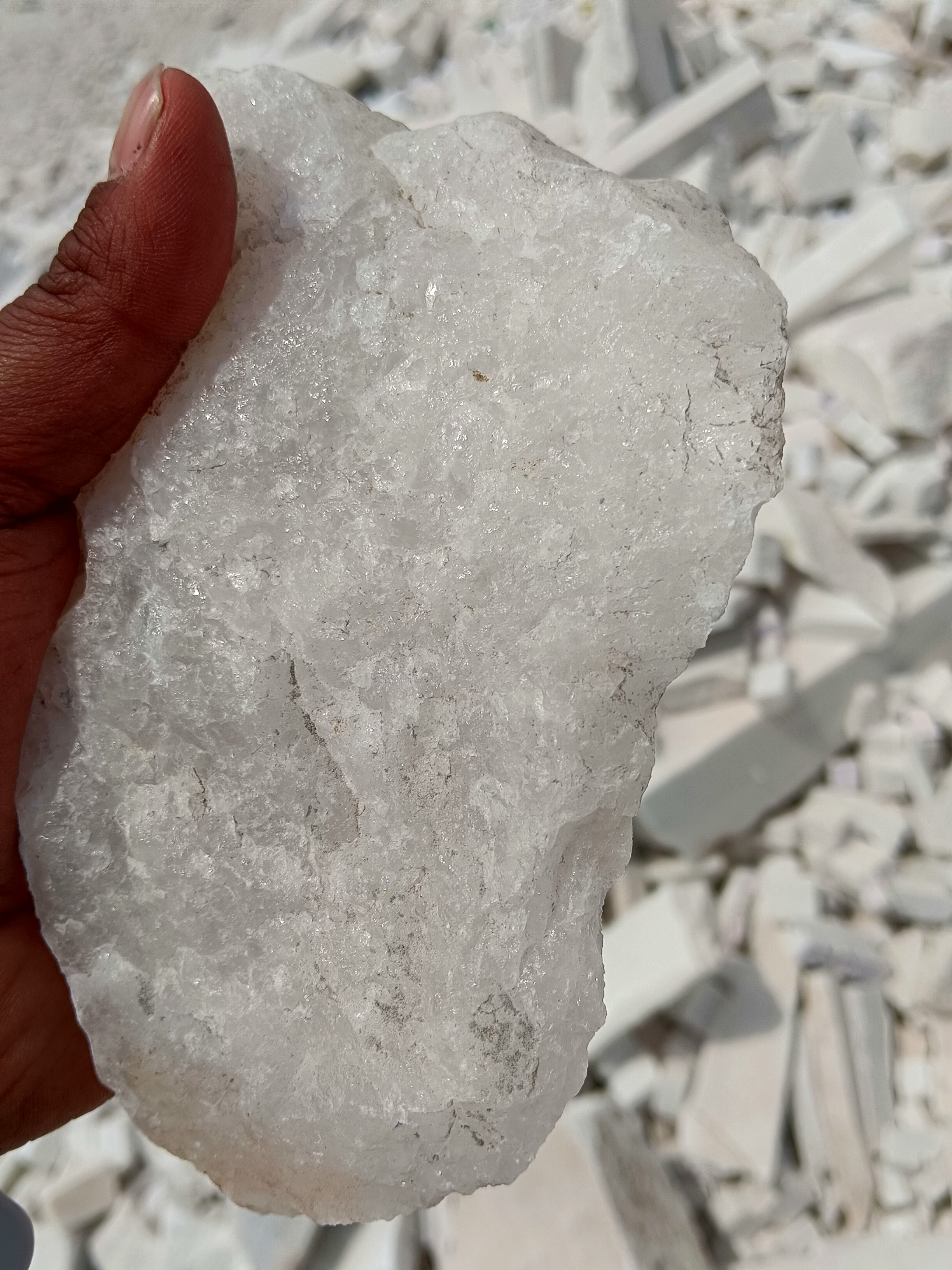
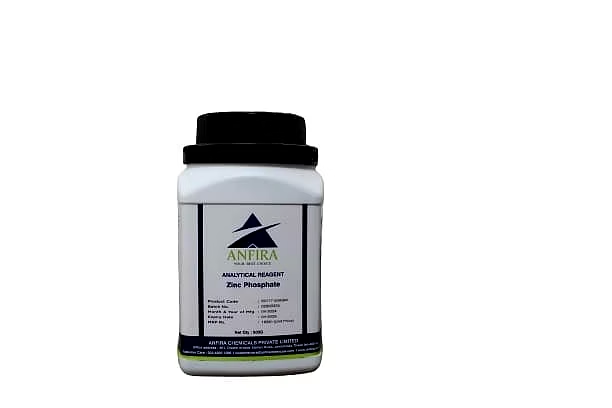
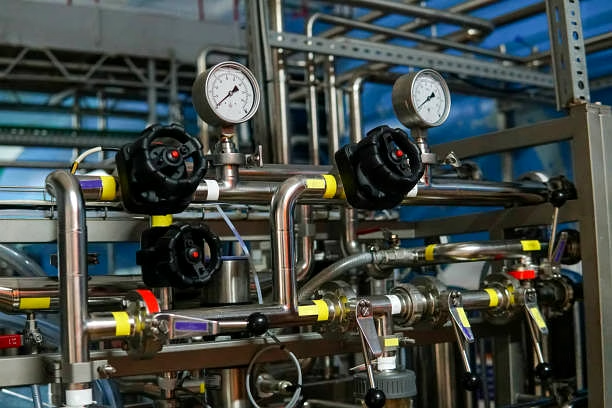
Inorganic chemicals are essential in:
Fertilizers (ammonia, ammonium nitrate, phosphates).
Acids and alkalis for industrial processes (sulfuric acid, caustic soda).
Materials like cement, ceramics, glass, and pigments.
Electronics and materials science (silicon compounds, metal oxides).
Inorganic chemicals offer strong value through their stability, versatility, and cost-effectiveness in industrial applications. They serve as essential building blocks for products across sectors like manufacturing, agriculture, and electronics.
Key Applications
These compounds, including acids, bases, salts, and oxides, support critical processes such as fertilizers in agriculture, catalysts in pharmaceuticals, and materials in electronics and construction. Their production via mineral extraction or synthesis ensures reliable supply for high-volume needs.
Market Drivers
Demand grows from technological advancements and expanding industries, with the global market valued at USD 1.5 billion in 2023 and projected to reach USD 3.8 billion by 2030 at a 3.1% CAGR. Companies like BASF emphasize quality and reliability for functional uses in nutrition and industrial processes.
Challenges and Opportunities
Production faces raw material volatility and regulations, but opportunities lie in eco-friendly methods and renewable energy applications. Sustainability innovations help maintain competitive edges amid high market competition.
Description provided by indian stalwart global sourcing company.