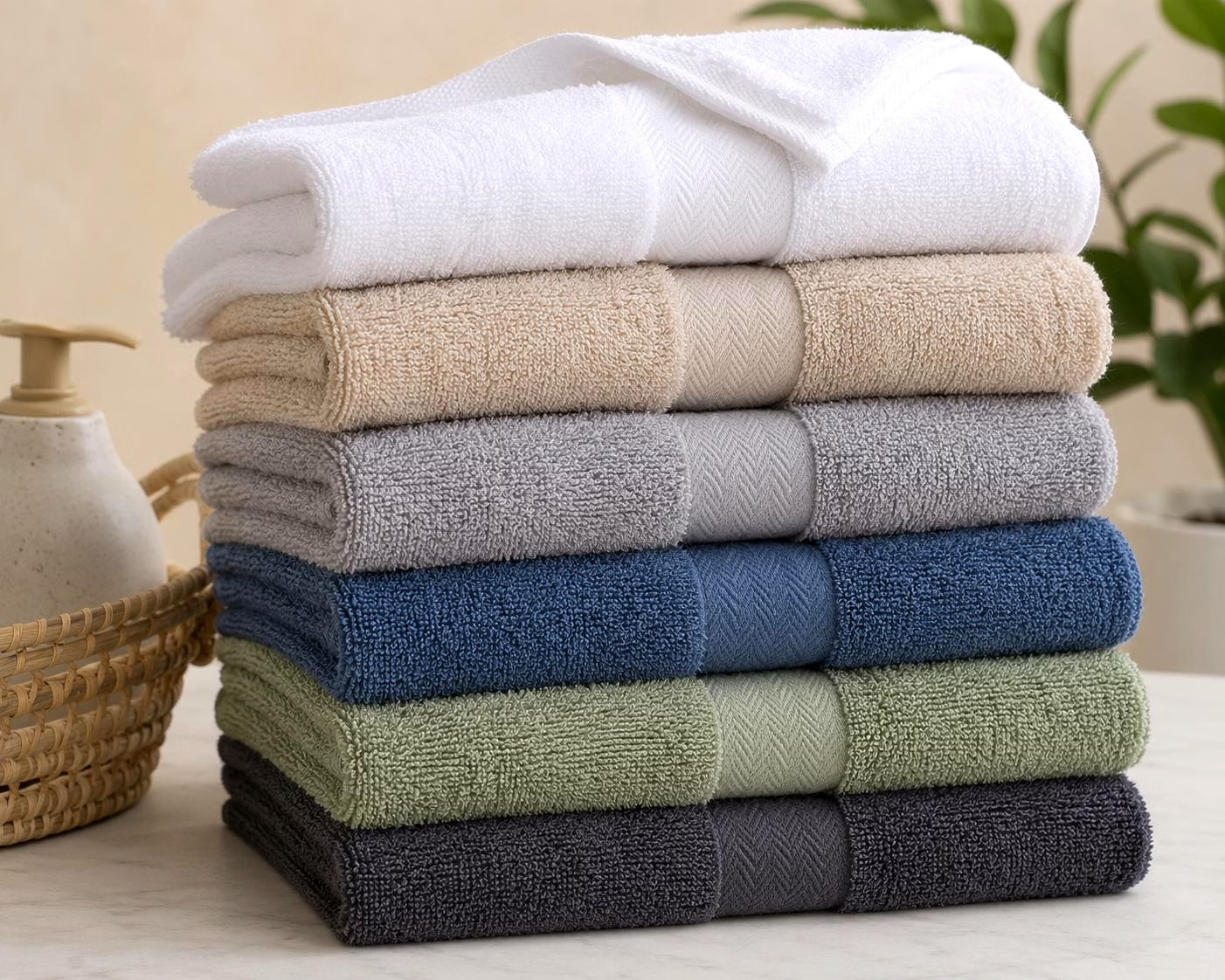
1/2
Export Ready

Blended Fabrics

Sold by ONEINEX · Distributor, Exporter, Wholesaler · Rupnagar, Punjab, India

Price
Price on request
In stock
Inclusive of all taxes
Minimum order: 1 Meter

Export Snapshot

MOQ
1 Meter
Lead time
On request
Packaging
Standard export packaging
Shelf life / longevity
As per product specification
HS Code
On request
Origin
India
Port of dispatch
On request
Export markets served
Global markets
Values shown are for ONEINEX.
Compliance & Certifications
IEC
Suitable for

Importers · Distributors · Wholesalers

Know your supplier

ONEINEX is a Distributor, Exporter, Wholesaler based in Rupnagar Punjab India.

Rupnagar Dispatch on request Verified seller
ONEINEX logo

Distributor, Exporter, Wholesaler · Rupnagar, Punjab, India

ONEINEX exports is emerging export company committed to delivering reliable, high-quality commodities  to international markets.

Registered address: Rupnagar, India. Industry: Agriculture & Agri Products > Agri Supplies, Materials & Equipment.

Established
2026
Employees
1–10
GST
03ABDPJ0943R2ZJ
IEC code
ABDPJ0943R
Export markets
Global markets
GlobalLinker Member Since
May 2026
Turnover
2500001 - 10000000.
Incorporation Type
On request
Product details

What are the specifications of this product?

Overview

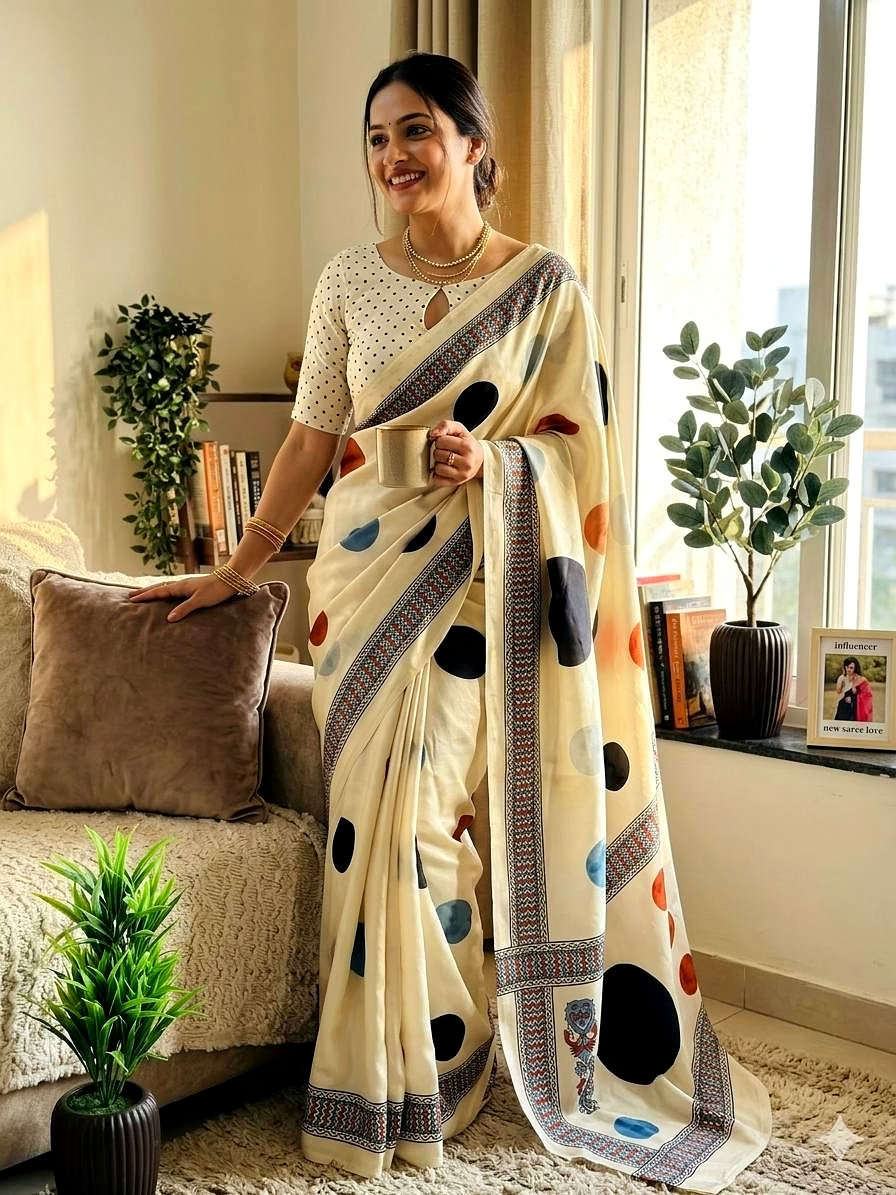
Blended fabrics are textiles created by combining different types of fibers to achieve enhanced qualities. Common combinations include cotton-polyester and wool-silk blends. These fabrics aim to merge the best attributes of each fiber, such as comfort and durability. They are utilized in various clothing items and home furnishings. The production process involves spinning mixed fibers into yarns, which are then crafted into fabric. Blended fabrics provide benefits like increased strength and reduced wrinkling, making them favored in the textile sector.

Product Description

Blended fabrics are textiles made by combining two or more different types of fibers to create a material with enhanced properties. Common blends include cotton-polyester, wool-silk, and cotton-spandex. The purpose of blending fibers is to combine the desirable characteristics of each fiber, such as the comfort of cotton with the durability of polyester. Blended fabrics are used in a wide range of clothing items, including shirts, trousers, dresses, and activewear. They are also used in home furnishings like bed linens and curtains. The blending process involves spinning fibers together to create yarns, which are then woven or knitted into fabric. Blended fabrics offer advantages such as improved strength, wrinkle resistance, and ease of care, making them popular choices in the textile industry.

Description provided by ONEINEX.

Specifications

Product Name Blended Fabrics
Product Category fabric and textile raw material > fabric > mixed fabric
Material Composition Two or more fiber types combined
Common Blend Types Cotton-polyester, wool-silk, cotton-spandex
Production Method Fibers spun into yarns, then woven or knitted
Application - Apparel Shirts, trousers, dresses, activewear
Application - Home Furnishings Bed linens, curtains
Performance Benefits Improved strength, wrinkle resistance, ease of care
MOQ 1 Meter
Store Name ONEINEX

Use cases

Category Mixed Fabric
Primary application Wholesale, distribution, and international sourcing
Brand Not specified
Product type Product

Logistics & handling

Lead time On request
Packaging As per buyer requirement
Storage condition As recommended by supplier
Origin India
Form As listed by supplier

Commercials (this seller)

Minimum order 1 Meter
Lead time On request
Payment terms As per negotiated commercial agreement.
Checkout type enquiry
Buyer questions

Frequently asked by buyers

Common questions B2B buyers ask before sourcing Blended Fabrics. Answers compiled from verified sellers' commercial terms and platform data.

Q: What fiber blends are commonly available for this fabric?
A: The product description mentions cotton-polyester, wool-silk, and cotton-spandex as common blend types.
Q: What are the main performance benefits of blended fabrics?
A: They are designed to improve strength, reduce wrinkling, and provide easier care compared with many single-fiber fabrics.
Q: How is blended fabric manufactured?
A: The fibers are spun together into yarns and then woven or knitted into the final fabric.
Q: What are the main commercial applications for this fabric?
A: It is used in shirts, trousers, dresses, activewear, bed linens, and curtains.
Q: Is this suitable for OEM garment production?
A: Yes. The fabric is positioned as a textile raw material for apparel manufacturing and OEM sourcing.
Q: What is the minimum order quantity?
A: The MOQ is 1 meter.
Q: Is this fabric suitable for wholesale and bulk sourcing?
A: Yes. It is appropriate for wholesale textile buyers, bulk order programs, and factory direct procurement.
Q: Which industries typically source this product?
A: It is commonly sourced by apparel manufacturers, textile buyers, and home furnishing producers.
Question not answered? Ask sellers directly — typical response within 4 hours.
Blended Fabrics
Blended Fabrics
Price on request · MOQ 1Meter