Our Products
Latest
Name (A-Z)
Name (Z-A)
Showing 1-11 of 11 products

Natural Honey
Natural honey is a sweet, viscous substance produced by bees from plant nectar. It is composed of sugars, vitamins, minerals, and antioxidants, offering various health benefits. The flavor and color of honey depend on the floral sources visited by the bees. Commonly used as a natural sweetener, honey is also utilized in traditional medicine and skincare. Its antibacterial and anti-inflammatory properties make it a popular remedy for wounds and burns. Additionally, honey's natural sugars provide a quick source of energy, making it a favored choice among athletes and health-conscious individuals.
Price on Request
1 KG
MOQ
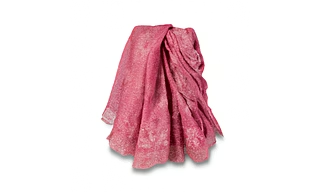
Silk Fabrics
Silk fabrics are high-quality textiles derived from the protein fibers produced by silkworms. Renowned for their softness, luster, and durability, silk fabrics have a long history of use in luxury garments and furnishings. The process of making silk involves rearing silkworms, harvesting their cocoons, and extracting the fibers to be spun and woven into fabric. Silk's natural properties make it suitable for various climates, offering comfort and elegance. Its production also supports traditional sericulture and provides economic opportunities for artisans involved in the craft.
Price on Request
1 Meter
MOQ

Woolen Fabrics
Woolen fabrics are textiles crafted from the fleece of sheep or other animals, valued for their warmth and durability. The process includes shearing, cleaning, carding, spinning, and weaving or knitting the fibers into fabric. These fabrics are commonly used in garments like suits, coats, and sweaters, as well as in home furnishings. Wool's natural insulating and moisture-absorbing properties make it suitable for diverse climates, offering comfort and protection. The production of woolen fabrics also supports traditional farming and textile practices, contributing to the preservation of these industries.
Price on Request
1 Meter
MOQ
Synthetic Fabrics
Synthetic fabrics are textiles produced from artificial fibers derived from petrochemicals, including materials like polyester, nylon, and acrylic. These fabrics are appreciated for their strength, wrinkle resistance, and low maintenance. They are widely used in various clothing items and home furnishings. The manufacturing process involves chemical synthesis to create fibers, which are then processed into fabric. While offering practical advantages, synthetic fabrics also raise environmental issues due to their non-biodegradability and reliance on non-renewable resources.
Price on Request
1 Meter
MOQ
Organic Honey
Organic honey is harvested from the nectar of organically cultivated plants, adhering to strict organic beekeeping practices that exclude synthetic chemicals and antibiotics. This ensures a pure product with natural flavors and beneficial nutrients. Organic honey serves as a wholesome sweetener and is utilized in various culinary and medicinal applications. Its production supports sustainable farming methods and contributes to the well-being of bee colonies, aligning with environmental conservation efforts.
Price on Request
1 KG
MOQ
Flavored Honey
Flavored honey is created by infusing natural honey with ingredients like cinnamon, vanilla, or ginger to enhance its taste. This process results in a versatile product suitable for various culinary uses, such as spreads, sweeteners, or glazes. Flavored honey maintains the health benefits of natural honey, including its antioxidant and antibacterial properties. Offering diverse taste options, flavored honey caters to consumers seeking variety while preserving the nutritional value of traditional honey.
Price on Request
1 KG
MOQ
Raw Honey
Raw honey is unprocessed and unpasteurized, maintaining all the natural nutrients and enzymes from the hive. It is not subjected to heat or filtration, preserving its authentic flavor and health benefits. Raw honey often includes traces of bee pollen and propolis, enhancing its therapeutic properties. It is widely used as a natural sweetener and in various medicinal and skincare applications. Supporting sustainable beekeeping, the production of raw honey contributes to the preservation of healthy bee colonies.
Price on Request
1 KG
MOQ
Handloom Cotton Fabrics
Handloom cotton fabrics are textiles woven manually on a loom using natural cotton fibers. They are celebrated for their durability, comfort, and breathability. The traditional weaving process supports local artisans and helps preserve cultural heritage. These fabrics are versatile, used in making various clothing items and home furnishings. Their natural composition makes them suitable for different climates, offering comfort year-round. Moreover, the eco-friendly production process, often involving natural dyes and minimal energy consumption, appeals to environmentally conscious consumers.
Price on Request
1 Meter
MOQ
Multiflora Honey
Multiflora honey is derived from the nectar of various flowers, resulting in a honey with a rich and diverse flavor profile. Its taste and aroma can differ based on the floral sources and region of production. Packed with nutrients like vitamins, minerals, and antioxidants, multiflora honey offers multiple health benefits. It is widely used as a natural sweetener and in culinary and medicinal applications. The production of multiflora honey supports ecological diversity and contributes to the pollination of numerous plant species.
Price on Request
1 KG
MOQ
Blended Fabrics
Blended fabrics are textiles created by combining different types of fibers to achieve enhanced qualities. Common combinations include cotton-polyester and wool-silk blends. These fabrics aim to merge the best attributes of each fiber, such as comfort and durability. They are utilized in various clothing items and home furnishings. The production process involves spinning mixed fibers into yarns, which are then crafted into fabric. Blended fabrics provide benefits like increased strength and reduced wrinkling, making them favored in the textile sector.
Price on Request
1 Meter
MOQ
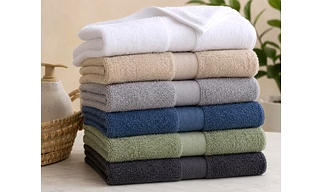
Terry Towels
Manufactured using premium cotton fibers that ensure superior softness, durability, and high absorbency. Suitable for hospitality, retail, and institutional use
Price on Request
1 Numbers
MOQ


 GL Trustmark