1/3
Export Ready

ACID DYES

Sold by kartikeya overseas · Manufacturer, Retailer, Brand Owner, Distributor, Exporter, Importer, Wholesaler · Delhi, Delhi, India

Price
₹ 2.27 /Kilogram
In stock
Inclusive of all taxes
Minimum order: 1 Kilogram

Export Snapshot

MOQ
1 Kilogram
Lead time
On request
Packaging
Standard export packaging
Shelf life / longevity
As per product specification
HS Code
On request
Origin
India
Port of dispatch
On request
Export markets served
 flag
Values shown are for kartikeya overseas.
Compliance & Certifications
Suitable for

Importers · Distributors · Wholesalers

Know your supplier

kartikeya overseas is a Manufacturer, Retailer, Brand Owner, Distributor, Exporter, Importer, Wholesaler based in Delhi Delhi India.

Delhi Dispatch on request Verified seller
kartikeya overseas logo

Manufacturer, Retailer, Brand Owner, Distributor, Exporter, Importer, Wholesaler · Delhi, Delhi, India

Specialized in chemicals for over 35 years and has a strong grip over the market. Our products have a very good reputation in the market and we have a sale of around 200 tons/month in our hand. We are technology-focused company with a high investment in R&D, offering excellent technical service and customised products, providing solutions that make sense. We deal in all types of raw materials - COLORS, INKS, DYES, CHEMICALS, ADHESIVES, SPECIALTY CHEMICALS for 13 different industries - - PLASTICS - PAPER - COSMETICS - PLYWOOD - PERSONAL CARE & HOME CARE - AGRO-CHEMICALS - TEXTILE - LEATHER & REXINE - RUBBER - PAINT - NON-WOVEN, JUTE, COTTON - TILE & MARBLE - CONSTRUCTION

Registered address: Delhi, India. Industry: Chemicals, Dyes & Paints > Dyes, Pigments & Inks.

Established
Not shared
Employees
GST
07ABAFK5290K1Z3
IEC code
Not shared
Export markets
 flag
GlobalLinker Member Since
Feb 2025
Turnover
Incorporation Type
On request
Product details

What are the specifications of this product?

Overview

Acid dyes are highly water soluble, and have better light fastness than basic dyes. The textile acid dyes are effective for protein fibers such as silk, wool, nylon and modified acrylics. They contain sulphonic acid groups, which are usually present as sodium sulphonate salts. These increase solubility in water, and give the dye molecules a negative charge. In an acidic solution, the -NH2 functionalities of the fibres are protonated to give a positive charge: -NH3+. This charge interacts with the negative dye charge, allowing the formation of ionic interactions. As well as this, Van-der-Waals bonds, dipolar bonds and hydrogen bonds are formed between dye and fibre. As a group, acid dyes can be divided into two sub-groups: acid-leveling or acid-milling.

Product Description

Chemical structure of acid dyes

These dyes are normally very complex in structure but have large aromatic molecules, having a sulphonyl or amino group which makes them soluble in water. Most of the acid dyes belongs to following three main structural molecules,

1. Anthraquinon type

2. Azo dye type

3. Triphenylmethane type.

Different types of acid dyes

The basic dyes are classified into several groups , based on the leveling properties, economy of the dyeing and fastness properties, however generally these are classified into these three classes,

1. Neutral acid dyes :-

These are supra milling or fast acid dyes, having medium to good wet fastness properties , some of the dyes have poor light fastness in pale shades . many of the dyes are used as self shades only. These are applied to the fiber in a weakly acid or neutral pH.

2. Weak acid dyes

These dyes belongs to the milling class of dyes. These dyes have good fastness properties but light fastness is moderate to poor.

3. Strong acid dyes

These dyes are applied in a strongly acidic medium and also called leveling dyes, however there wet fastness properties is a limitation. These dyes are very good to produce the combination shades.

Classification according to dyeing characteristics

Acid dyes are commonly classified according to their dyeing behaviour, especially in relation to the dyeing pH, their migration ability during dyeing and their washing fastness. The molecular weight and the degree of sulphonation of the dye molecule determine these dyeing characteristics. The original classification of this type, based on their behaviour in wool dyeing, is as follows:

1. Level dyeing or equalising acid dyes;

2. Fast acid dyes;

3. Milling acid dyes;

4. Super-milling acid dyes.

Milling is the process in which a woollen material is treated, in weakly alkaline solution, with considerable mechanical action to promote felting. Dyes of good fastness to milling are essential to avoid colour bleeding during the process.

Properties of acid dyes

Since these are sold as a sodium salt, therefore these form a large anion in the aqueous medium.

1. These dyes are anionic in nature.

2. These dyes are suitable for wool, silk, polyamide and modified acrylics.

3. These are applied from a strongly acidic to neutral pH bath.

4. These dyes have no affinity for cotton cellulose’s , hence not suitable for cellulosics.

5. These dyes combine with the fiber by hydrogen bonds , vander waals forces or through ionic linkages.

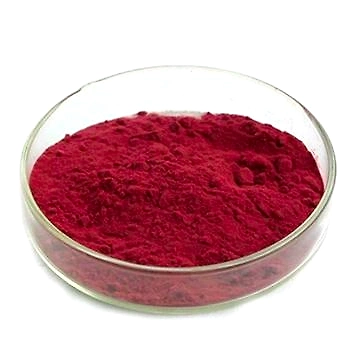
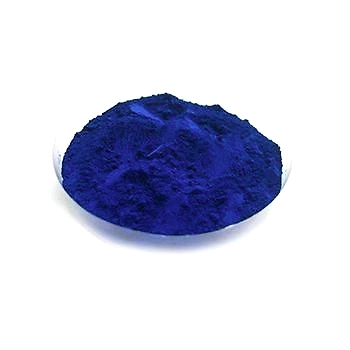
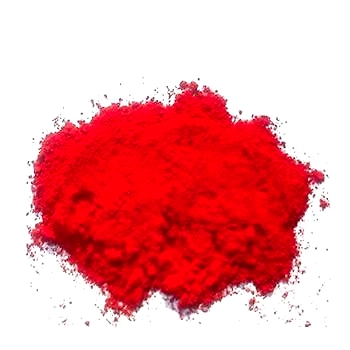
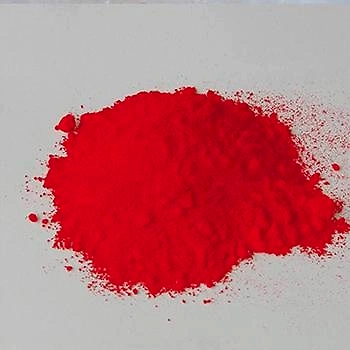
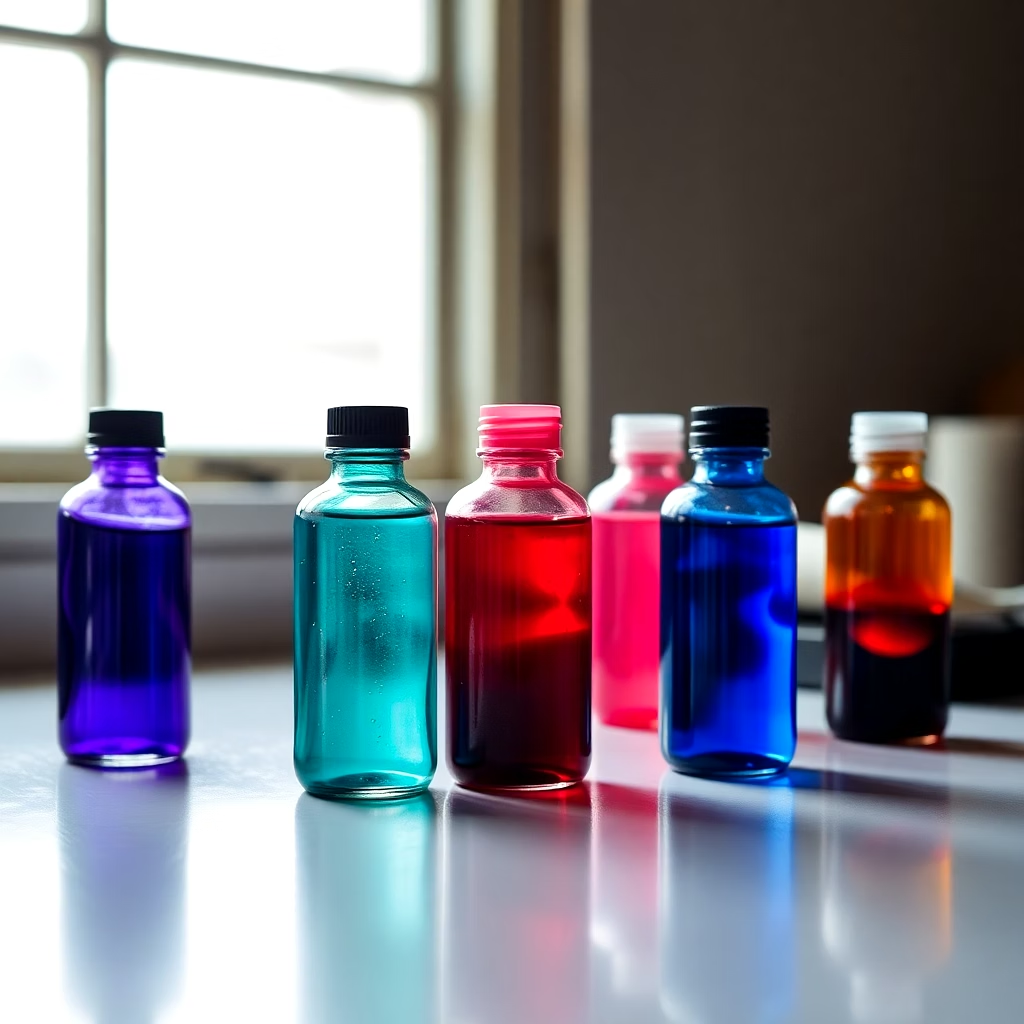
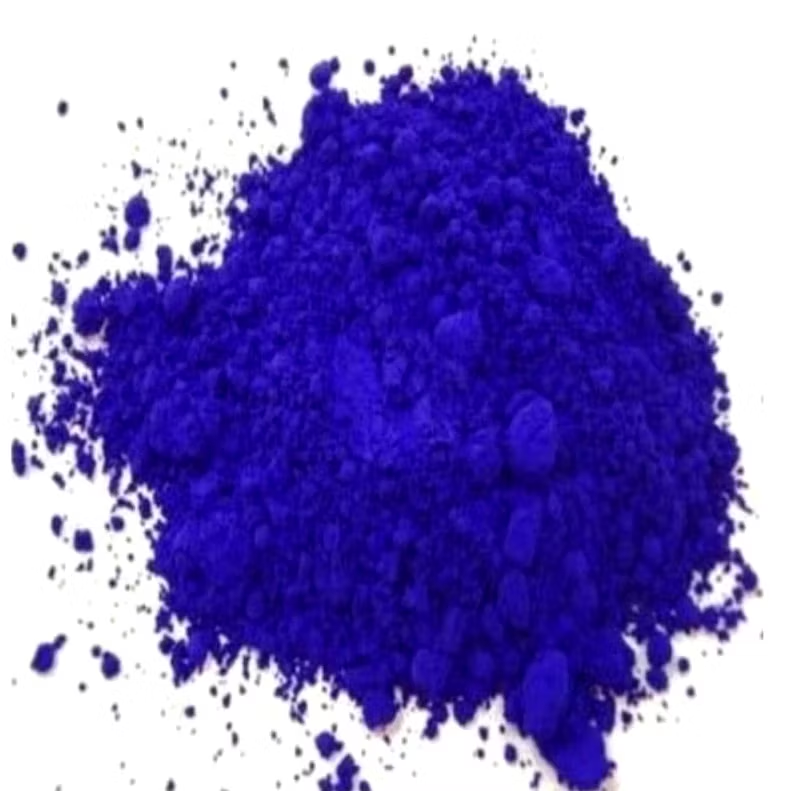
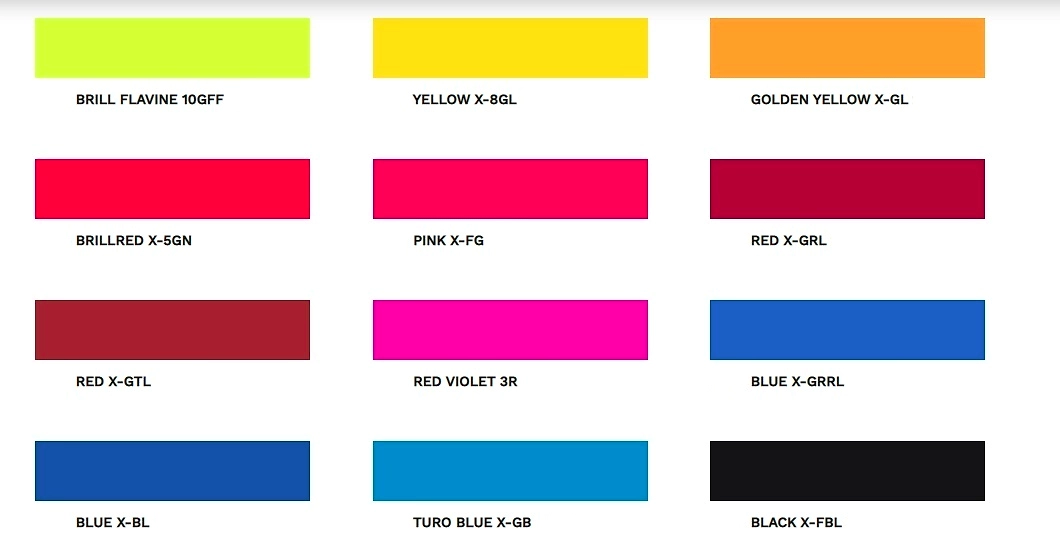
Shades - ALL COLOURS available.


Description provided by kartikeya overseas.

Specifications

Chemical Nature Sodium sulphonate salts with sulphonic acid groups
Target Fibers Silk, wool, nylon, modified acrylic fibers
Unsuitable Fibers Cotton and other cellulosic fibers
Charge in Solution Anionic dye molecules with negative charge
Dyeing Mechanism Ionic bonding, hydrogen bonding, Van-der-Waals, dipolar interactions
Dyeing pH Weakly acidic to strongly acidic or neutral baths depending on dye type
Structure Complexity Large aromatic molecules with sulphonyl or amino groups
Application Area Industrial textile dyeing for protein fibers
Fastness Characteristics Good to very good wet fastness; light fastness varies by dye type
Shade Availability All colors available

Use cases

Category Textile Dyes > Acid Dyes
Primary application Wholesale, distribution, and international sourcing
Brand Not specified
Product type Product

Logistics & handling

Lead time On request
Packaging As per buyer requirement
Storage condition As recommended by supplier
Origin India
Form As listed by supplier

Commercials (this seller)

Minimum order 1 Kilogram
Lead time On request
Payment terms As per negotiated commercial agreement.
Checkout type enquiry
Buyer questions

Frequently asked by buyers

Common questions B2B buyers ask before sourcing ACID DYES. Answers compiled from verified sellers' commercial terms and platform data.

Q: What fiber types are best suited for these acid dyes?
A: Acid dyes are specifically formulated for protein fibers such as silk, wool, nylon, and modified acrylic fibers, and are not effective on cotton or other cellulosic fibers.
Q: How do acid dyes interact chemically with the fibers?
A: The dyes carry negatively charged sulphonate groups that form ionic bonds with positively charged protonated amino groups (-NH3+) on the fibers, along with hydrogen bonding and Van-der-Waals interactions.
Q: Can acid dyes be used in neutral pH dye baths?
A: Yes, neutral acid dyes are applied in weakly acidic to neutral pH baths, while weak and strong acid dyes require varying acidic pH levels for optimal dyeing.
Q: What are milling acid dyes and why are they important?
A: Milling acid dyes demonstrate resistance to color bleeding during mechanical felting (milling) processes applied to wool materials, ensuring color fastness.
Q: Do these acid dyes provide good light fastness?
A: Acid dyes generally have better light fastness compared to basic dyes, although light fastness can vary depending on the specific dye class and shade.
Q: What chemical groups increase water solubility of these dyes?
A: The presence of sulphonic acid groups, usually as sodium sulphonate salts, increase the water solubility of acid dyes.
Q: Are acid dyes suitable for dyeing synthetic fibers?
A: Acid dyes are suitable for polyamide fibers such as nylon and modified acrylics, which behave similarly to protein fibers during dyeing.
Question not answered? Ask sellers directly — typical response within 4 hours.
ACID DYES
ACID DYES
₹ 2.27/Kilogram · MOQ 1Kilogram