Global Market Overview Countries & Product's Trade Names
• Asia
o Bangladesh: Soda Ash Light
o Nepal: Sodium Carbonate, Light
o Philippines: Soda Ash Light
o Indonesia: Soda Ash
• Africa
o Kenya: Soda Ash Light
o Sudan: Soda Ash
• Middle East
o United Arab Emirates: Soda Ash
• Europe
o Russia: Disodium Carbonate
Available Product Types for International Trade
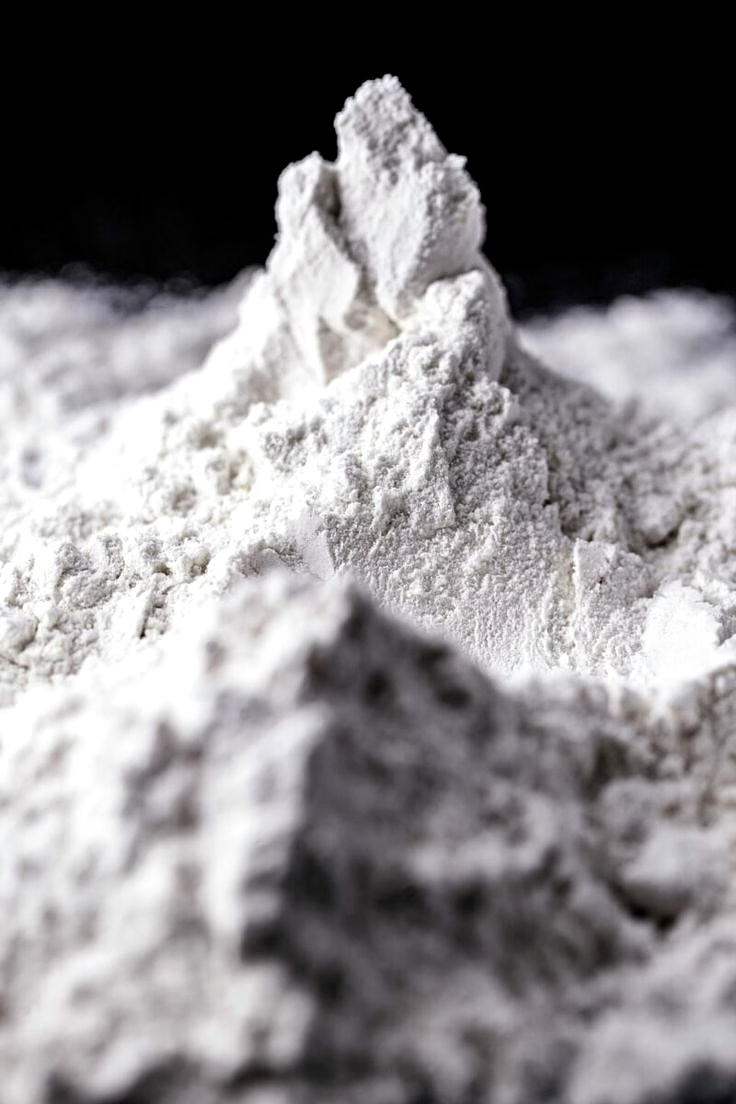
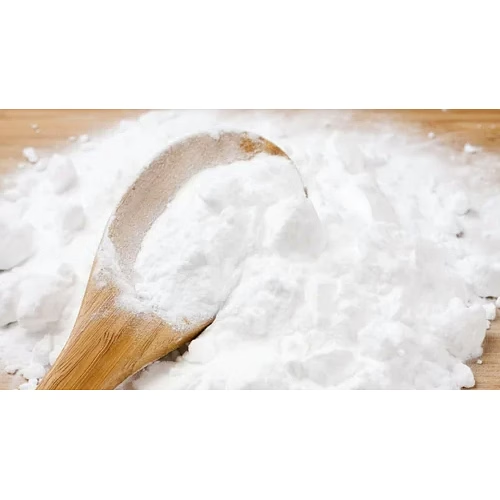
• Soda Ash Light: A fine, white, anhydrous powder with a typical purity of >99.2% Na2CO3.
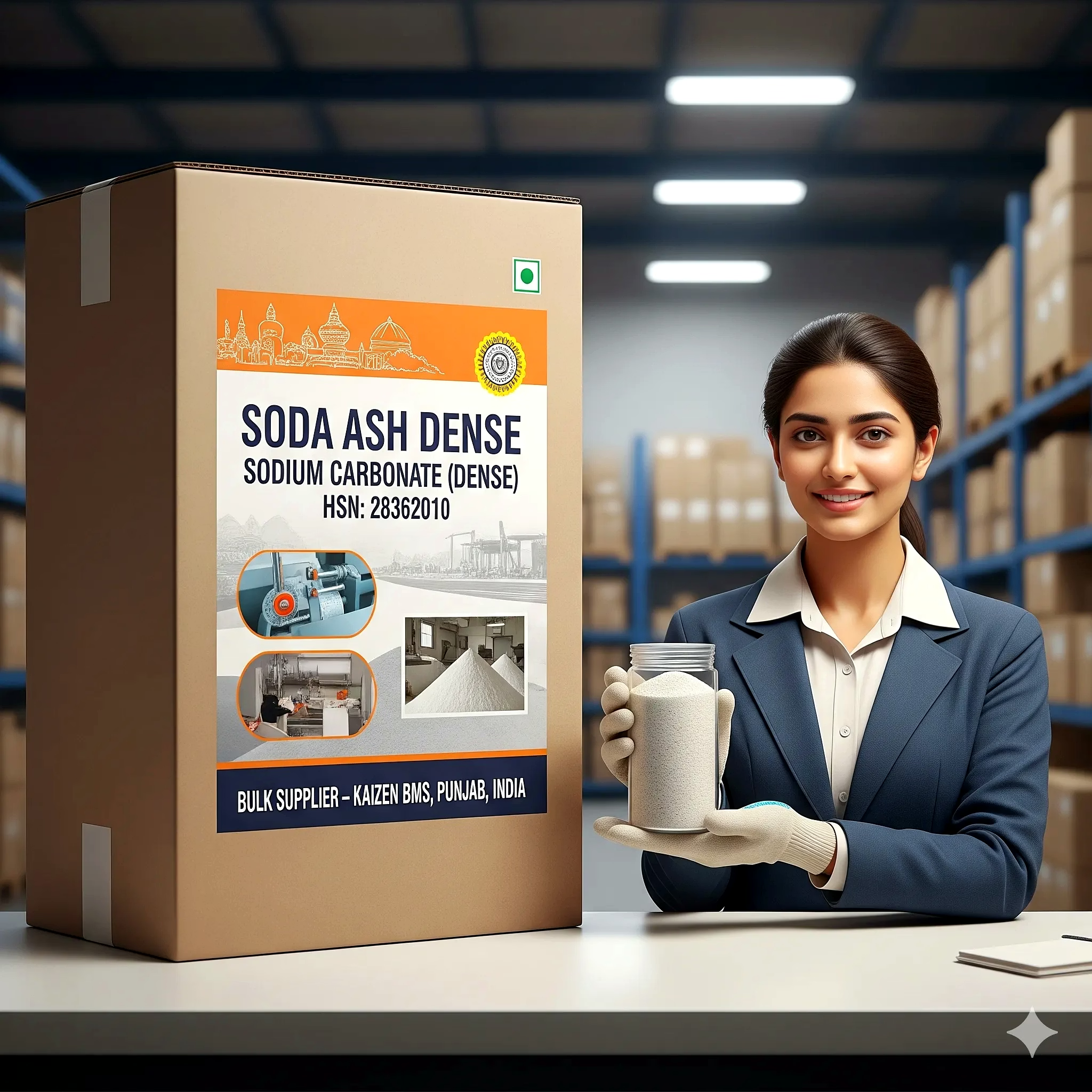
• Soda Ash Dense: The granular variant under HSN 28362010, with a higher bulk density.
• Soda Ash Anhydrous: Refers to the moisture-free form of both light and dense variants.
________________________________________
HSN Code Specifics (Indian Government Rules)
• Exact 8-digit HSN Code: 28362020
• Category: Carbonates; peroxocarbonates (percarbonates); commercial ammonium carbonate containing ammonium carbamate
• Subcategory: - Disodium carbonate : Disodium carbonate, light
________________________________________
Technical Data Figures & Logistics• Physical Properties
o Appearance: Fine, white, odorless powder.
o Bulk Density: Typically ranges from 500−600 kg/m3 (31−37 lb/ft3).
o Melting Point: 851∘C (1564∘F).
o Solubility in Water: Highly soluble, dissolving rapidly to form a basic solution.
o Hygroscopic Nature: Absorbs moisture from the air, requiring careful storage.
• Chemical Properties
o Chemical Formula: Na2CO3
o pH of Solution: A 1% aqueous solution has a pH of approximately 11.4.
o Reactivity: Reacts with acids to produce carbon dioxide and water.
o Molecular Weight: 105.99 g/mol.
o Stability: Stable under dry conditions but can deteriorate with moisture exposure.
• Manufacturing Properties
o Primary Production Method: Primarily produced using the Solvay process.
o Typical Commercial Purity: Meets or exceeds 99.2% Na2CO3.
o Forming Processes: Produced by calcination of sodium bicarbonate (NaHCO3) without further processing, resulting in a fine powder.
o Handling Requirements: Requires sealed packaging and storage in a dry environment to prevent caking.
Industrial Use
Soda Ash Light's fine particle size makes it ideal for applications requiring quick dissolution.
• Detergent Manufacturing: A primary ingredient in powdered detergents and soaps for water softening and cleaning.
• Chemical Manufacturing: Used as a raw material for producing sodium silicates, sodium bicarbonate, and other sodium-based chemicals.
• Water Treatment: Functions as a pH regulator and water softener in residential and industrial settings.
• Textile Industry: Employed for pH control in dyeing processes.
• Pulp and Paper: Used in the pulping process and for pH regulation.
Market Overview
• Global Demand Drivers: The primary demand comes from the detergents, chemicals, and water treatment sectors.
• Leading Consumption Regions: Asia-Pacific is the largest consumer, driven by rapid industrialization.
• Price Volatility Factors: Influenced by the cost of raw materials (limestone and salt) and energy prices.
• Emerging Growth Trends: The shift toward concentrated and more efficient cleaning products drives demand for high-quality light soda ash.
• Regulatory Environment: Subject to environmental regulations related to production waste management.
Packaging
• Common Bag Types: Multi-wall paper bags or woven polypropylene (PP) bags with an inner polyethylene (PE) liner to protect from moisture.
• Jumbo Bag/FIBC Capacities: Typically available in 1000 kg and 1250 kg capacities.
• International Labeling Standards: Labeling must adhere to GHS standards for chemical hazard communication.
• Handling Requirements: Bags are often palletized and secured with shrink wrap for ease of handling and stability during transit.
Shipping
• Primary Mode of Transport: Shipped via sea freight in standard containers.
• Standard Container Types: Typically packed in 20-foot and 40-foot containers.
• Essential Safety Measures: Cargo is secured to prevent shifting. Chemical documentation, including MSDS, is required for transit.
Ports
• West Coast of India: Mundra Port
o Strategic Advantage: India's largest private port, providing state-of-the-art infrastructure and deep drafts for large cargo vessels, ensuring efficient export operations.
• West Coast of India: Pipavav Port
o Strategic Advantage: A well-connected, all-weather port with robust rail and road connectivity, facilitating seamless transport from production facilities.
• East Coast of India: Kolkata Port
o Strategic Advantage: Serves as a key gateway to markets in Northeast India and neighboring countries like Bangladesh and Nepal, offering a strategic logistical advantage.
INCOTERMS
INCOTERMS are internationally recognized rules that define the responsibilities of buyers and sellers in global trade.
• FOB (Free on Board): The seller's responsibility ends once goods are loaded onto the vessel at the named port.
• CFR (Cost and Freight): The seller pays for the cost and freight to the destination port, but the risk transfers to the buyer once the goods are on board.
• CIF (Cost, Insurance, and Freight): The seller covers costs, insurance, and freight to the destination port, with risk transferring upon loading.
Payment Terms
These are common payment methods in international trade to manage financial risk.
• Full Advance: The buyer pays the full amount upfront before the goods are shipped.
• Sight Letter of Credit (LC): A bank guarantees payment to the seller upon the presentation of all required shipping documents.
• Combination: A blend of an upfront payment and a Sight LC for the remaining balance.
________________________________________
Required Export Certificates from India
• Commercial Invoice: Details the product, quantity, and value.
• Packing List: A detailed list of the contents of each package.
• Shipping Bill: The primary document for customs clearance in India.
• Bill of Lading: Serves as a transport document, a receipt for goods, and a title to the goods.
• Certificate of Origin: Certifies that the product originated in India.
• Material Safety Data Sheet (MSDS): Provides critical safety and handling information.
________________________________________
Implied Taxation (India)
• Domestic Trade: Subject to Goods and Services Tax (GST) at a rate of 18%.
• Exports from India: Considered "zero-rated" for GST. Exporters can claim a refund on the GST paid on input materials and services used in the production of the exported goods.
________________________________________
Company Profile for International Buyers
As a Government of India-recognized global exporter, Kaizen BMS is your trusted partner for high-quality industrial chemicals. We specialize in contract manufacturing from reliable sources and merchant exporting, ensuring a consistent and high-quality supply chain. Our value proposition is built on integrity, competitive pricing, and a firm commitment to forging long-term international trade relationships. Choose Kaizen BMS to leverage India’s strategic export benefits and secure a seamless, profitable, and reliable procurement experience.
Description provided by Kaizen Bms.


 FIEO Registered
Export Ready