Global Market Overview
Countries & Product's Trade Names
• Asia
o Bangladesh: Dense Soda Ash
o Philippines: Soda Ash Dense
o Nepal: Sodium Carbonate, Dense
o Vietnam: Soda Ash, Dense
• Africa
o Kenya: Soda Ash
o Tanzania: Sodium Carbonate
o Sudan: Soda Ash Dense
• Middle East
o Saudi Arabia: Soda Ash, Dense
o Oman: Soda Ash
• Europe
o Turkey: Dense Soda Ash
o Russia: Disodium Carbonate
Available Product Types for International Trade
• Soda Ash Dense: Typical purity of >99% Na2CO3.
• Soda Ash Light: Typical purity of >99% Na2CO3, with lower bulk density.
• Soda Ash Anhydrous: A dehydrated form with high purity levels.
________________________________________
HSN Code Specifics (Indian Government Rules)
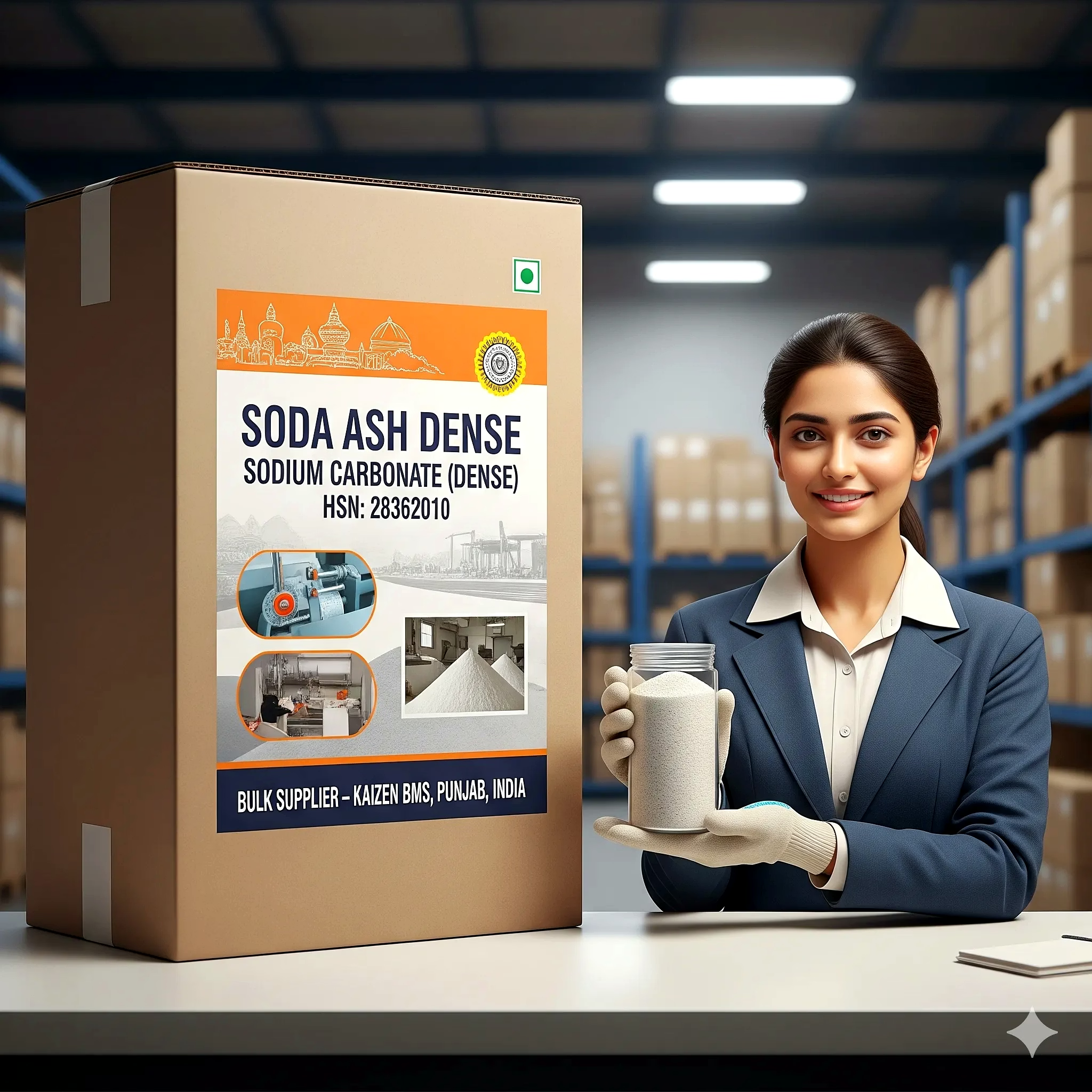
• Exact 8-digit HSN Code: 28362010
• Category: Carbonates; peroxocarbonates (percarbonates); commercial ammonium carbonate containing ammonium carbamate
• Subcategory: - Disodium carbonate : Disodium carbonate, dense
________________________________________
Technical Data Figures & Logistics• Physical Properties
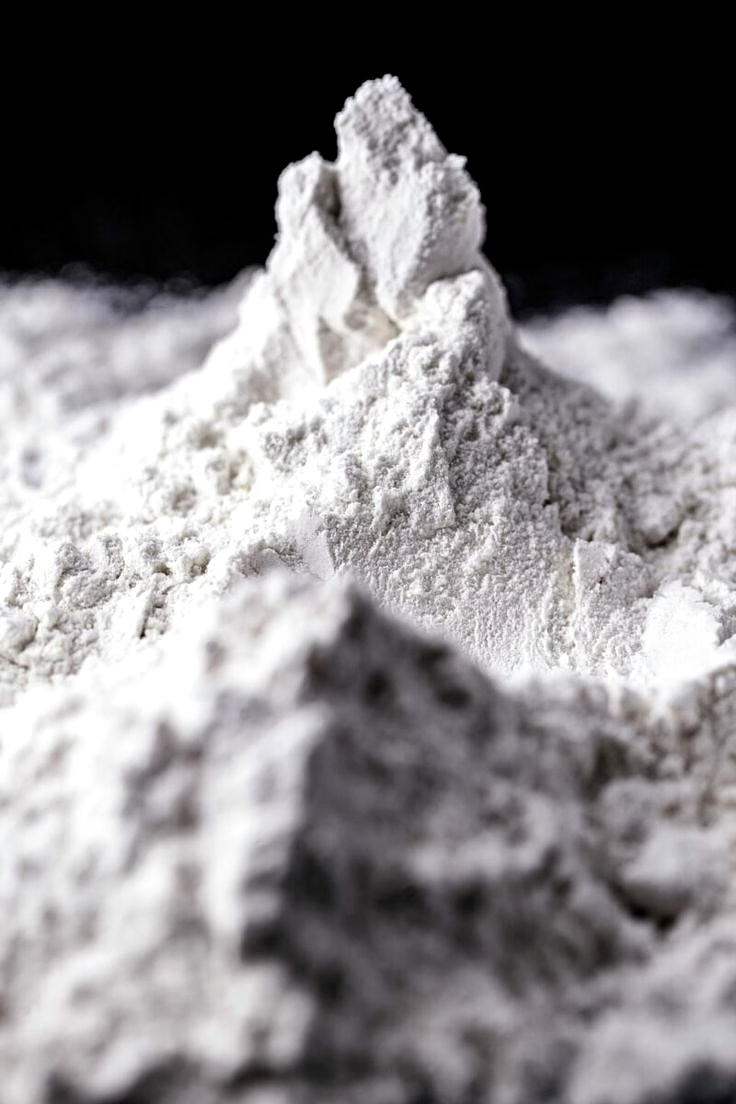
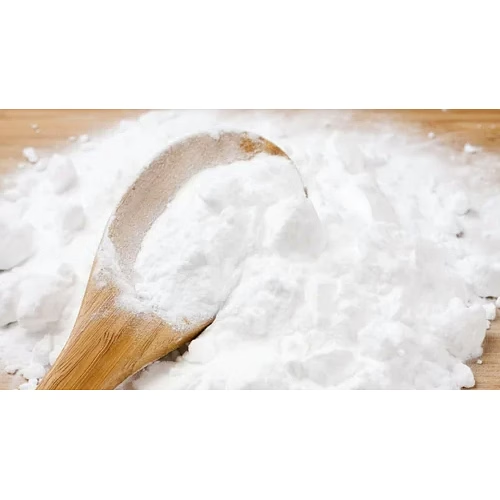
o Appearance: White, crystalline, granular powder.
o Bulk Density: Typically ranges from 960−1120 kg/m3 (60−70 lb/ft3).
o Melting Point: 851∘C (1564∘F).
o Solubility in Water: Highly soluble, with a maximum solubility of 49.5 g per 100 g of water at 35.4∘C.
o Hygroscopic Nature: Absorbs moisture from the air.
• Chemical Properties
o Chemical Formula: Na2CO3
o pH of Solution: Approximately 11.4 in a 1% aqueous solution, indicating a strong alkaline nature.
o Reactivity: Reacts with acids to release carbon dioxide gas, a key property for its industrial uses.
o Molecular Weight: 105.99 g/mol.
o Stability: Chemically stable under normal conditions but can absorb moisture.
• Manufacturing Properties
o Primary Production Method: The Solvay process is the dominant synthetic method.
o Typical Commercial Purity: Our product meets or exceeds 99.2% purity.
o Forming Processes: Dense ash is produced by hydrating light ash and then dehydrating it to form larger, denser granules.
o Handling Requirements: Requires careful handling to prevent dust inhalation and moisture absorption.
Industrial Use
Soda Ash Dense is an essential raw material used widely across various industries.
• Glass Manufacturing: Primary component for producing container, flat, and specialty glass.
• Detergent Industry: A key builder in powdered detergents and soaps, improving cleaning efficiency.
• Chemical Manufacturing: Used as a raw material for producing sodium silicates, phosphates, and other sodium compounds.
• Water Treatment: Acts as a pH regulator and water softener.
• Pulp and Paper: Utilized in pulping and bleaching processes.
Market Overview
• Global Demand Drivers: Driven primarily by the booming glass and detergent industries, especially in developing economies.
• Leading Consumption Regions: Asia-Pacific and North America are the largest consumers.
• Price Volatility Factors: Influenced by raw material costs (salt, limestone), energy prices, and supply-demand dynamics.
• Emerging Growth Trends: Increasing demand from lithium-ion battery production and sustainable manufacturing.
• Regulatory Environment: Subject to regulations regarding environmental emissions and waste disposal from its production process.
Packaging
• Common Bag Types: High-quality laminated polypropylene (PP) bags with inner liners.
• Jumbo Bag/FIBC Capacities: Standard capacities include 1000 kg and 1250 kg bags.
• International Labeling Standards: Labeling must comply with GHS (Globally Harmonized System) for chemical hazard communication.
• Handling Requirements: Bags are palletized and stretch-wrapped for stability and protection during international transport.
Shipping
• Primary Mode of Transport: Primarily shipped via sea freight in standard containers.
• Standard Container Types: Typically shipped in 20-foot and 40-foot containers.
• Essential Safety Measures: Containers must be sealed, and cargo must be secured to prevent shifting. Dangerous goods declarations are required.
Ports
The following are major Indian export ports for Soda Ash:
• West Coast of India: Mundra Port
o Strategic Advantage: India's largest private port, offering advanced infrastructure and deep drafts for handling large cargo vessels, ensuring rapid turnaround.
• West Coast of India: Pipavav Port
o Strategic Advantage: A well-connected, all-weather port with efficient rail and road networks, crucial for timely deliveries.
• East Coast of India: Kolkata Port
o Strategic Advantage: Serves as a gateway to Northeast India and neighboring countries, providing strategic access to key regional markets.
INCOTERMS
Incoterms are internationally recognized rules defining the responsibilities of sellers and buyers.
• FOB (Free on Board): The seller is responsible for goods until they are loaded onto the vessel at the named port.
• CFR (Cost and Freight): The seller pays for the cost and freight to the destination port, but risk transfers to the buyer once goods are on board.
• CIF (Cost, Insurance, and Freight): The seller pays for the cost, insurance, and freight to the destination port, with risk transferring to the buyer upon loading.
Payment Terms
These are common payment methods used in international trade to manage risk.
• Full Advance: The buyer pays the entire amount upfront before shipment.
• Sight Letter of Credit (LC): A bank guarantees payment to the seller upon presentation of shipping documents.
• Combination: A blend of advance payment and an LC for the remaining balance.
________________________________________
Required Export Certificates from India
• Certificate of Origin: Certifies that the product is of Indian origin.
• Commercial Invoice & Packing List: Details the product, quantity, and value.
• Shipping Bill: The primary document for customs clearance in India.
• Bill of Lading: Serves as a transport document, receipt, and title to the goods.
• Material Safety Data Sheet (MSDS): Provides critical safety and handling information for the chemical.
________________________________________
Implied Taxation (India)
• Domestic Trade: Subject to Goods and Services Tax (GST) at the applicable rate, currently 18%.
• Exports from India: Considered "zero-rated" for GST purposes. Exporters can claim a refund on the GST paid on input materials or services used in the production of the exported goods.
________________________________________
Company Profile for International Buyers
As a Government of India-recognized global exporter, Kaizen BMS stands as your trusted partner in industrial sourcing. We excel in contract manufacturing from vetted, reliable sources and facilitate merchant exporting, ensuring consistent product quality and supply chain integrity. Our commitment to long-term international trade relationships is our cornerstone, built on transparency, competitive pricing, and impeccable service. Partner with Kaizen BMS to leverage India’s export benefits and secure a strategic, efficient, and profitable procurement solution.
Description provided by Kaizen Bms.


 FIEO Registered
Export Ready