
Our Products
Latest
Name (A-Z)
Name (Z-A)
Showing 1-10 of 10 products

Basmati Rice
Basmati rice is a long-grain, aromatic rice variety known for its distinct fragrance and fluffy texture when cooked. It is commonly used in dishes like biryani and pilaf, offering a unique flavor that complements various cuisines. The grains remain separate and non-sticky after cooking, making it a preferred choice for both everyday meals and special occasions. Additionally, basmati rice has a lower glycemic index compared to other rice varieties, making it a healthier option for those monitoring their blood sugar levels.
Price on Request
1 KG
MOQ
Non-Basmati Rice
Non-basmati rice includes various rice types that are not classified as basmati. These varieties are versatile and commonly used in daily meals such as steamed rice and fried rice. Non-basmati rice is appreciated for its affordability and ability to absorb flavors, making it a staple in many cuisines. Depending on the specific type, it can have a sticky or fluffy texture, catering to different culinary needs.
Price on Request
1 KG
MOQ
Spices
Spices are plant-derived substances used to enhance the flavor, color, and preservation of food. Common examples include cumin, coriander, turmeric, and cardamom, each contributing unique tastes and health benefits. In Indian cuisine, spices are essential for creating rich and diverse flavors. Many spices also offer medicinal properties, such as anti-inflammatory and antioxidant effects. To maintain their potency, spices should be stored in airtight containers away from light and heat.
Price on Request
1 KG
MOQ
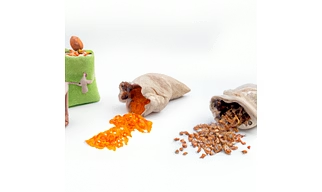
Pulses
Pulses are nutrient-rich seeds from leguminous plants, including lentils, chickpeas, beans, and peas. They provide high levels of protein, fiber, vitamins, and minerals, contributing to a balanced diet. Pulses are versatile ingredients used in various dishes like soups, stews, salads, and curries. Their health benefits include improved digestion, weight management support, and reduced risk of chronic diseases. Additionally, pulses are environmentally sustainable crops, requiring less water and producing a lower carbon footprint than other protein sources.
Price on Request
1 KG
MOQ
Wheat Flour
Wheat flour is a finely ground powder made from wheat grains, essential in baking and cooking. Available in types like whole wheat and refined flour, it is used to prepare bread, pastries, pasta, and other baked goods. Wheat flour provides carbohydrates for energy and contains gluten proteins that impart elasticity to dough. Whole wheat flour offers more nutrients and fiber than refined versions, contributing to better health. Storing wheat flour in a cool, dry place preserves its quality and extends its shelf life.
Price on Request
1 KG
MOQ
Maize
Maize, commonly known as corn, is a cereal grain that serves as a staple food in many regions worldwide. It is consumed in various forms, including whole kernels, flour, and oil, and is used to make products like tortillas, cornbread, and cereals. Maize is a good source of carbohydrates, fiber, vitamins, and minerals, contributing to a balanced diet. Beyond human consumption, maize is also utilized in animal feed and industrial applications such as biofuel production. Its adaptability and nutritional benefits underscore its global significance.
Price on Request
1 KG
MOQ

Soybean
Soybeans are leguminous plants cultivated for their high-protein edible beans, serving as a major source of protein and oil. They are processed into products like tofu, soy milk, soy flour, and soy oil, and are used in various food applications. Soybeans provide all essential amino acids, classifying them as a complete protein source, and are rich in isoflavones associated with health benefits. They also contribute to sustainable agriculture by fixing nitrogen in the soil, enhancing soil fertility.
Price on Request
1 KG
MOQ

Sugar
Sugar is a sweet substance derived mainly from sugarcane and sugar beet, commonly used to sweeten foods and drinks. It is essential in baking and confectionery, contributing to flavor and texture. Available in forms like granulated, powdered, and brown sugar, each type serves specific culinary needs. While sugar provides quick energy, overconsumption can lead to health concerns, so moderation is advised. Storing sugar in a dry environment helps prevent clumping and preserves its quality.
Price on Request
1 KG
MOQ
Edible Oils
Edible oils are fats obtained from various sources like plants and animals, utilized in cooking and food preparation. Popular varieties include sunflower oil, soybean oil, and mustard oil, each with unique flavors and nutritional benefits. These oils are fundamental in frying, baking, and making dressings, supplying essential fats for a healthy diet. Their composition of saturated and unsaturated fats affects their impact on health, with a preference for oils rich in unsaturated fats for cardiovascular benefits. Storing edible oils in cool, dark places helps maintain their freshness and prevent spoilage.
Price on Request
1 Litre
MOQ
Fresh Fruits
Fresh fruits are edible plant products enjoyed for their flavors and health benefits. They provide essential nutrients like vitamins, minerals, fiber, and antioxidants, promoting overall well-being. Popular fresh fruits include apples, bananas, mangoes, and grapes, each with distinct tastes and nutritional profiles. Regular consumption of fresh fruits supports immune health, aids digestion, and may lower the risk of chronic illnesses. They can be consumed in various forms, such as raw, juiced, or incorporated into recipes, enhancing the natural sweetness and flavor of meals. Proper storage and handling are crucial to preserve their freshness and nutrient content.
Price on Request
1 KG
MOQ


 GL Trustmark