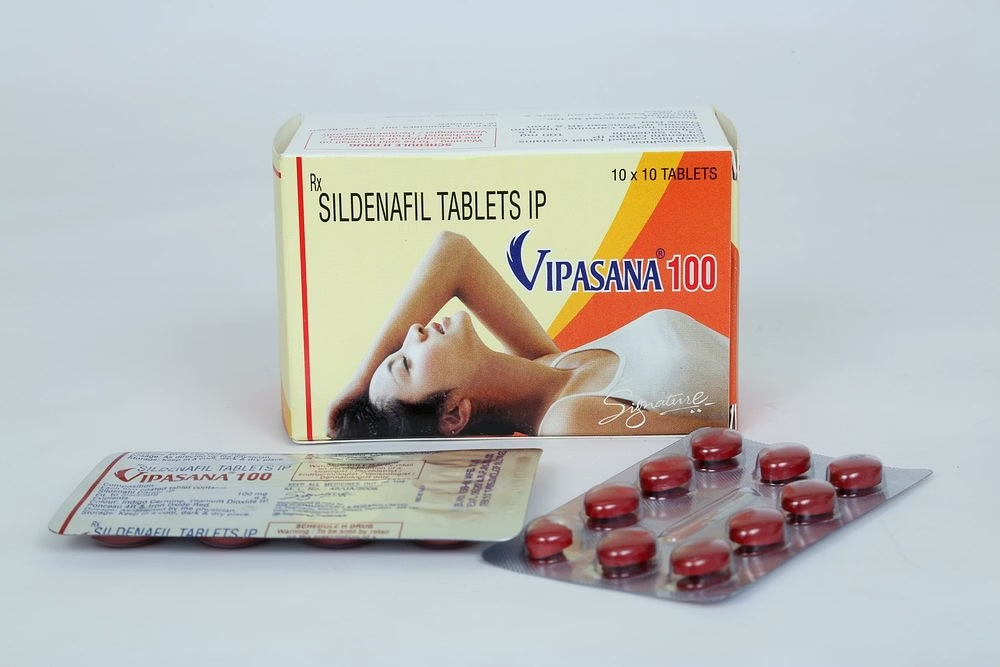
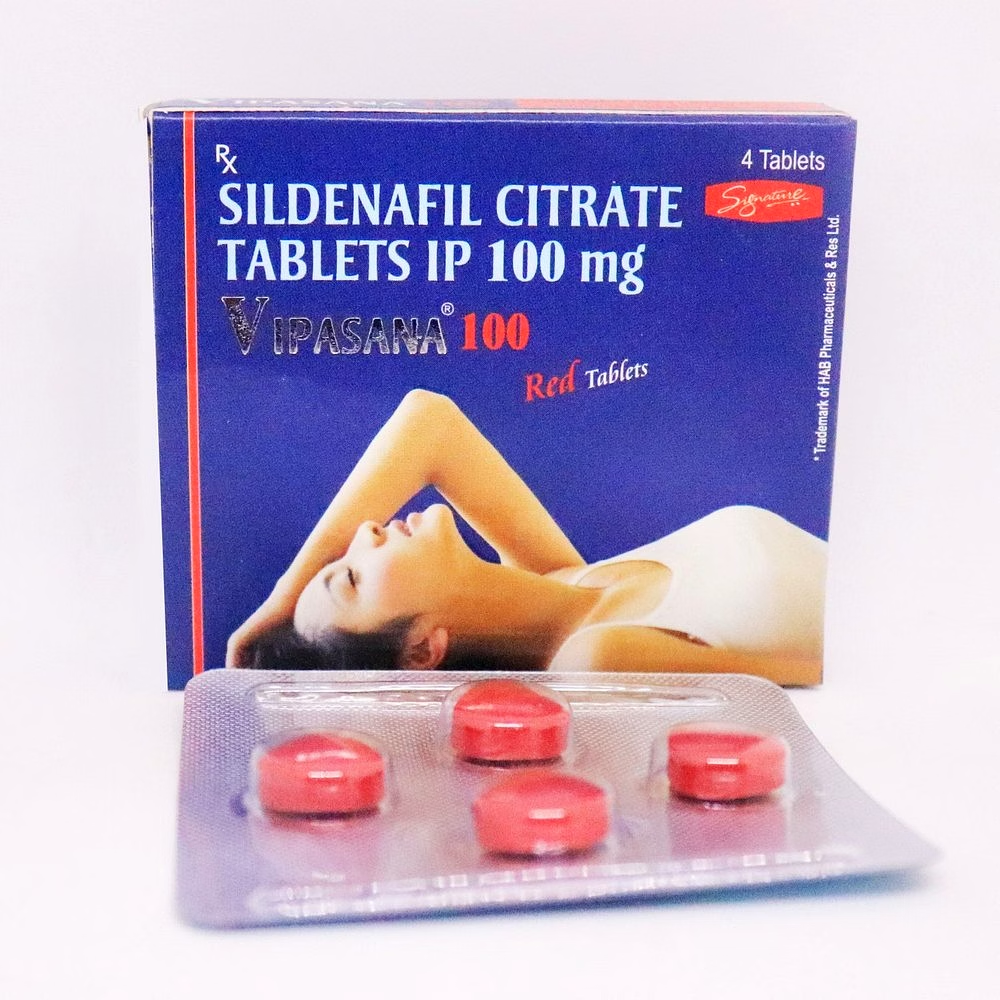
VIPASANA 100 Tablet is a high-strength pharmaceutical formulation containing Sertraline Hydrochloride 100 mg, classified under the selective serotonin reuptake inhibitor (SSRI) category. This medicine is primarily prescribed for the treatment of major depressive disorder (MDD), generalized anxiety disorder (GAD), panic disorder, post-traumatic stress disorder (PTSD), obsessive-compulsive disorder (OCD), and premenstrual dysphoric disorder (PMDD). By increasing serotonin levels in the brain, VIPASANA 100 helps enhance emotional regulation, reduce depressive symptoms, alleviate anxiety, and bring about a sense of emotional balance and mental clarity.
This medication works by blocking the reabsorption (reuptake) of serotonin in the brain, making more of this neurotransmitter available for improving communication between nerve cells. Over time, this elevation of serotonin levels can lead to better mood, reduced anxiety, and improved mental well-being. VIPASANA 100 is generally administered once daily, preferably at the same time each day, with or without food, depending on the physician’s advice. It may take a few weeks to achieve noticeable therapeutic effects, and patients are advised to maintain consistent usage without abruptly discontinuing the medication unless advised by a healthcare provider.
VIPASANA 100 is manufactured under stringent quality standards in WHO-GMP-certified facilities to ensure compliance with international safety and efficacy regulations. Every batch undergoes rigorous quality control checks to ensure product stability, purity, and therapeutic accuracy. The tablet is engineered for optimal bioavailability, ensuring consistent release and absorption in the gastrointestinal tract for sustained action throughout the day. Its robust formulation makes it suitable for third-party manufacturing, contract manufacturing, and export to regulated and semi-regulated pharmaceutical markets under private labeling agreements.
Patients prescribed VIPASANA 100 may experience mild to moderate side effects including nausea, insomnia, dizziness, dry mouth, increased sweating, or gastrointestinal disturbances. These effects are often transient and typically diminish as the body adjusts to the medication. However, patients should report any unusual mood changes, suicidal thoughts, or serotonin-related symptoms such as agitation or confusion, particularly at the beginning of treatment or after dose adjustments. The medication should be used cautiously in patients with liver impairment, seizure disorders, bipolar disorder, or a history of substance abuse.
VIPASANA 100 is contraindicated in combination with monoamine oxidase inhibitors (MAOIs) and should not be taken within 14 days of discontinuing such agents due to the risk of serotonin syndrome. Alcohol consumption should be minimized during treatment to avoid worsening side effects such as drowsiness or cognitive impairment. Pregnant and lactating women should only take this medicine if the benefits outweigh the risks, and under medical supervision.
Description provided by Bluepill Express.
Sertraline Hydrochloride 100 mg
Selective Serotonin Reuptake Inhibitor (SSRI)
Major depressive disorder, Anxiety disorders, OCD, PTSD, Panic disorder, PMDD
Once daily, with or without food
Rigorous batch testing for purity and stability
Optimized bioavailability for sustained release
Third-party manufacturing, private labeling, export
Mild to moderate transient side effects; contraindicated with MAOIs
Specifications
Active Pharmaceutical Ingredient (API)
Sertraline Hydrochloride
API Strength
100 mg per tablet
Tablet Weight
Standard pharmaceutical tablet mass (per GMP standards)
Packaging
Blister packs or as per contractual agreement
Shelf Life
As per manufacturing date and stability data
Storage Conditions
Store in a cool, dry place away from direct sunlight
Regulatory Compliance
WHO-GMP certified manufacturing facility
Formulation
Immediate release oral tablet
Batch Testing
Purity, potency, dissolution, and microbial limits
Contraindications
Use avoided with MAOIs, caution in liver impairment and bipolar disorder


 FIEO Registered
Export Ready