1/2
FIEO Registered FIEO Registered Export Ready

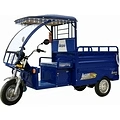
rikshaw

Sold by Jaincom · Delhi, Delhi, India

Price
₹ 26.00 /Unit
In stock
Inclusive of all taxes
Minimum order: 1 Unit

Export Snapshot

MOQ
1 Unit
Lead time
On request
Packaging
Standard export packaging
Shelf life / longevity
As per product specification
HS Code
0000
Origin
India
Port of dispatch
On request
Export markets served
Nepal flag NP Sri Lanka flag LK Bangladesh flag BD Israel flag IL Malaysia flag MY
Values shown are for Jaincom.
Compliance & Certifications
FIEO Registered FIEO Registered
Suitable for

Importers · Distributors · Wholesalers

Know your supplier

Jaincom is a verified supplier based in Delhi Delhi India.

Delhi Dispatch on request FIEO member
Jaincom logo

Verified seller · Delhi, Delhi, India

Registered address: Delhi, India. Industry: Electricals & Electronics > Consumer Electronics & Home Appliances.

Established
Not shared
Employees
GST
09ABXPJ7437J1ZT
IEC code
2902001738
Export markets
Nepal flag NP Sri Lanka flag LK Bangladesh flag BD Israel flag IL Malaysia flag MY
GlobalLinker Member Since
Nov 2017
Turnover
Incorporation Type
On request
Product details

What are the specifications of this product?

Overview

E-rickshaw lead-acid batteries are typically 12V batteries, and most e-rickshaws use a 48V system, requiring four 12V batteries connected in series. These batteries are a common, budget-friendly option for e-rickshaws, but they have a shorter lifespan and require more maintenance compared to lithium-ion batteries. They are readily available and offer a lower upfront cost. Key Details: Voltage: 12V per battery, commonly configured as 4 x 12V = 48V for the entire system. Capacity: Typically 100Ah to 150Ah. Type: Lead-acid, specifically flooded lead-acid batteries are common. Lifespan: Shorter than lithium-ion, typically lasting 1-3 years or 200-500 charge cycles. Maintenance: Require regular maintenance, including topping off distilled water and cleaning terminals. Cost: Lower upfront cost compared to lithium-ion batteries. Weight: Heavier than lithium-ion batteries. Specific Energy/Power: Lower specific energy and power compared to lithium-ion batteries. Temperature Sensitivity: Performance can be affected by low temperatures. Advantages: Cost-effective: Lead-acid batteries are generally cheaper to purchase initially. Readily available: Widely available in the market. Mature technology: Well-established technology with a long history. Disadvantages: Shorter lifespan: Need to be replaced more frequently than lithium-ion batteries. Lower energy density: Provide less power for the same weight and size. Maintenance intensive: Require regular maintenance and care. Heavier: Add more weight to the e-rickshaw. Environmental concerns: Contain lead and acid, requiring careful disposal. Types of Lead-Acid Batteries: Flooded Lead-Acid: The most common type, requiring regular maintenance. Sealed Lead-Acid (SLA): Include AGM and Gel Cell variants, offering some improvements over flooded types. Considerations for E-Rickshaw Use: Number of batteries: Most e-rickshaws use four 12V batteries connected in series to achieve the required 48V. Capacity: Choose a battery with sufficient capacity (Ah) to meet the e-rickshaw's needs and desired range. Charging: Use a compatible lead-acid battery charger designed for e-rickshaws. Maintenance: Follow the manufacturer's recommendations for maintenance to extend the battery's lifespan. 

Product Description

E-rickshaw lead-acid batteries are typically 12V batteries, and most e-rickshaws use a 48V system, requiring four 12V batteries connected in series. These batteries are a common, budget-friendly option for e-rickshaws, but they have a shorter lifespan and require more maintenance compared to lithium-ion batteries. They are readily available and offer a lower upfront cost.

Key Details:

Voltage: 12V per battery, commonly configured as 4 x 12V = 48V for the entire system.

Capacity: Typically 100Ah to 150Ah.

Type: Lead-acid, specifically flooded lead-acid batteries are common.

Lifespan: Shorter than lithium-ion, typically lasting 1-3 years or 200-500 charge cycles.

Maintenance: Require regular maintenance, including topping off distilled water and cleaning terminals.

Cost: Lower upfront cost compared to lithium-ion batteries.

Weight: Heavier than lithium-ion batteries.

Specific Energy/Power: Lower specific energy and power compared to lithium-ion batteries.

Temperature Sensitivity: Performance can be affected by low temperatures.

Advantages:

Cost-effective: Lead-acid batteries are generally cheaper to purchase initially.

Readily available: Widely available in the market.

Mature technology: Well-established technology with a long history.

Disadvantages:

Shorter lifespan: Need to be replaced more frequently than lithium-ion batteries.

Lower energy density: Provide less power for the same weight and size.

Maintenance intensive: Require regular maintenance and care.

Heavier: Add more weight to the e-rickshaw.

Environmental concerns: Contain lead and acid, requiring careful disposal.

Types of Lead-Acid Batteries:

Flooded Lead-Acid: The most common type, requiring regular maintenance.

Sealed Lead-Acid (SLA): Include AGM and Gel Cell variants, offering some improvements over flooded types.

Considerations for E-Rickshaw Use:

Number of batteries:

Most e-rickshaws use four 12V batteries connected in series to achieve the required 48V.

Capacity:

Choose a battery with sufficient capacity (Ah) to meet the e-rickshaw's needs and desired range.

Charging:

Use a compatible lead-acid battery charger designed for e-rickshaws.

Maintenance:

Follow the manufacturer's recommendations for maintenance to extend the battery's lifespan. 

Description provided by Jaincom.

Specifications

Nominal Voltage 12V per battery
Configuration 4 batteries connected in series for 48V total
Capacity 100Ah to 150Ah
Battery Chemistry Flooded Lead-Acid
Cycle Life 200 to 500 charge cycles
Maintenance Regular electrolyte level checks, terminal cleaning
Weight Higher weight relative to lithium-ion
Charging Compatibility Compatible with lead-acid battery chargers
Operating Temperature Range Performance degradation below standard ambient temperatures
Disposal Requirement Must follow environmental regulations for lead-acid battery disposal

Use cases

Category Automotive > Electric Vehicle Components > E-Rickshaw Batteries > Lead-Acid Batteries
Primary application Wholesale, distribution, and international sourcing
Brand Not specified
Product type Product

Logistics & handling

Lead time On request
Packaging As per buyer requirement
Storage condition As recommended by supplier
Origin India
Form As listed by supplier

Commercials (this seller)

Minimum order 1 Unit
Lead time On request
Payment terms As per negotiated commercial agreement.
Checkout type enquiry
Buyer questions

Frequently asked by buyers

Common questions B2B buyers ask before sourcing rikshaw. Answers compiled from verified sellers' commercial terms and platform data.

Q: How many 12V lead-acid batteries are required to power a standard e-rickshaw system?
A: Typically, four 12V lead-acid batteries are connected in series to achieve the required 48V system voltage for e-rickshaws.
Q: What maintenance steps are necessary to prolong the lifespan of these lead-acid batteries?
A: Regular maintenance includes topping off distilled water levels, cleaning the battery terminals to prevent corrosion, and following manufacturer charging guidelines.
Q: Can these lead-acid batteries be used in extreme temperature environments?
A: Performance can be negatively affected by low temperatures, so operation in cold climates may require additional precautions or insulation.
Q: What are the environmental disposal considerations for these batteries?
A: Due to the presence of lead and acid, these batteries require careful disposal and recycling in accordance with environmental regulations to prevent contamination.
Q: How does the weight of lead-acid batteries affect e-rickshaw performance?
A: Lead-acid batteries are heavier than lithium-ion alternatives, which can slightly reduce the vehicle's acceleration and overall efficiency.
Q: Are these lead-acid batteries compatible with standard e-rickshaw battery chargers?
A: Yes, these batteries must be charged using a lead-acid battery charger designed specifically for e-rickshaw systems to ensure optimal performance and lifespan.
Question not answered? Ask sellers directly — typical response within 4 hours.
rikshaw
rikshaw
₹ 26.00/Unit · MOQ 1Unit