Raw cotton refers to the natural fiber harvested from the cotton plant (Gossypium spp.) before undergoing any significant processing. It is one of the most widely used natural fibers in the world, particularly in the textile industry. Here's detailed information about raw cotton:
1. Origin and Botany:
Botanical Name: Gossypium spp.
Family: Malvaceae (mallow family).
Plant Type: Perennial plant in tropical climates but often grown as an annual in temperate regions.
Growing Regions: Cotton is primarily grown in warm, arid regions. Major cotton-producing countries include:
United States
India
China
Brazil
Pakistan
Uzbekistan
Turkey
2. Physical Characteristics:
Fibers: Raw cotton consists of soft, fluffy fibers made mostly of cellulose. The fibers surround the seeds of the cotton plant, providing protection to the seeds.
Color: Typically off-white or creamy in color, but can vary slightly based on the variety and growing conditions.
Texture: Soft and fibrous, making it suitable for textiles and fabrics.
Length: The length of cotton fibers, known as staple length, varies by type and determines the quality of the cotton. Longer fibers are softer and more durable.
3. Varieties of Cotton:
Upland Cotton: The most common variety, accounting for around 90% of global cotton production. It has medium-length fibers.
Egyptian Cotton: Known for its long, silky fibers, it is considered one of the finest types of cotton.
Pima Cotton: Another long-fiber variety, often compared to Egyptian cotton, known for its strength and softness.
Organic Cotton: Grown without synthetic pesticides or fertilizers, it is gaining popularity due to consumer demand for eco-friendly products.
4. Production Process:
Planting: Cotton is usually planted in the spring and takes around 5-6 months to mature.
Growth Cycle: The cotton plant blooms with flowers that turn into cotton bolls. The fibers grow around the seeds inside these bolls.
Harvesting: Cotton is harvested either by hand or mechanically. In large-scale farming, mechanized harvesters are commonly used.
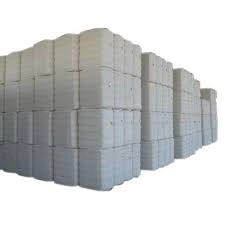
Ginning: After harvesting, the cotton bolls are processed in cotton gins, where the fibers (lint) are separated from the seeds. The fibers are then cleaned and baled for shipping.
5. Cotton Fibers Composition:
Cellulose (90%): Cotton fibers are mostly cellulose, making them strong, absorbent, and breathable.
Moisture Content: Cotton fibers can retain around 8.5% of their weight in water, giving them excellent absorbency.
Elasticity: Cotton has a moderate amount of elasticity, which makes it durable but can lead to wrinkling if not treated properly.
6. Applications of Raw Cotton:
Textiles and Apparel: Cotton is the most widely used natural fiber for producing textiles such as clothing, bed linens, towels, and upholstery. Cotton fabric is prized for its softness, breathability, and durability.
Medical Products: Cotton is used in a variety of medical products like bandages, gauze, and cotton swabs due to its absorbency and hypoallergenic properties.
Cottonseed Products:
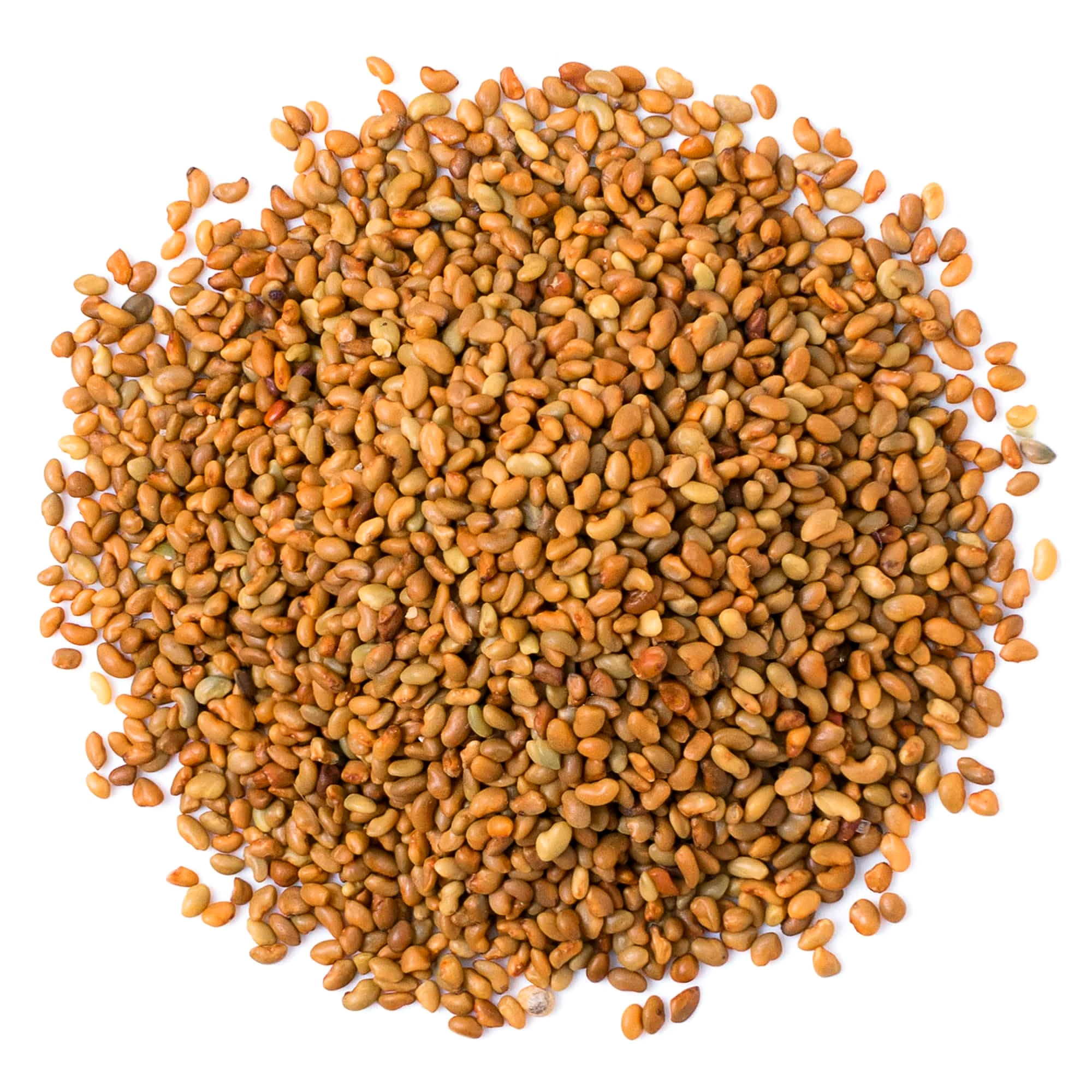
Cottonseed Oil: Extracted from cotton seeds, used in cooking oils, cosmetics, and soaps.
Cottonseed Meal: A byproduct used in animal feed.
Industrial Uses: Cotton fibers are used in manufacturing various industrial products, such as cotton wool, cotton balls, insulation materials, and in cleaning supplies.
7. Economic Importance:
Global Trade: Cotton is a major agricultural commodity, with a substantial share of global trade. Cotton-exporting countries, like the U.S., rely heavily on cotton production as a source of income.
Job Creation: The cotton industry, from farming to processing and textile manufacturing, provides millions of jobs globally.
Market Demand: Cotton remains in high demand due to its versatility, despite competition from synthetic fibers like polyester.
8. Environmental and Sustainability Issues:
Water Usage: Cotton is a water-intensive crop. It requires significant irrigation, especially in arid growing regions. This has led to concerns about water depletion and environmental stress in cotton-growing areas.
Pesticide Use: Conventional cotton farming often involves heavy pesticide use. However, the demand for organic cotton is rising as consumers seek more environmentally friendly and sustainable options.
Land Use and Soil Depletion: Continuous cotton cultivation can deplete soil nutrients, leading to lower yields over time unless sustainable farming practices are employed.
9. Sustainability Efforts:
Organic Cotton: Organic cotton is grown without synthetic pesticides or fertilizers and is often part of crop rotation systems that improve soil health.
Better Cotton Initiative (BCI): BCI is a program aimed at improving the global cotton industry by promoting sustainable farming practices, reducing pesticide use, and ensuring fair labor conditions.
Water-Efficient Technologies: Efforts are underway to introduce more water-efficient irrigation systems, such as drip irrigation, to reduce water consumption in cotton farming.
10. Challenges in Cotton Production:
Pests and Diseases: Cotton crops are vulnerable to pests such as the bollworm, which can cause significant damage. Pesticide use can help but also introduces environmental and health concerns.
Climate Sensitivity: Cotton production is sensitive to weather conditions. Prolonged droughts, unseasonal rains, or extreme temperatures can affect cotton yields.
Price Volatility: Cotton prices fluctuate due to factors like changes in global demand, trade policies, weather conditions, and production costs.
11. Cotton Processing:
After ginning, the raw cotton lint is sent to textile mills where it is carded, combed, and spun into yarn. The yarn is then woven or knitted into fabrics.
The remaining cotton seeds are processed to extract cottonseed oil and meal.
12. Storage and Longevity:
Raw cotton is typically baled and stored in dry, cool environments to prevent degradation. Excess moisture can cause cotton to mold or degrade.
Raw cotton is a vital raw material for the textile industry and plays an important role in the global economy. While it has numerous advantages, its environmental impact and resource-intensive nature have prompted efforts to make cotton production more sustainable.
Description provided by S.RAM CORPORATION.