Product Overview
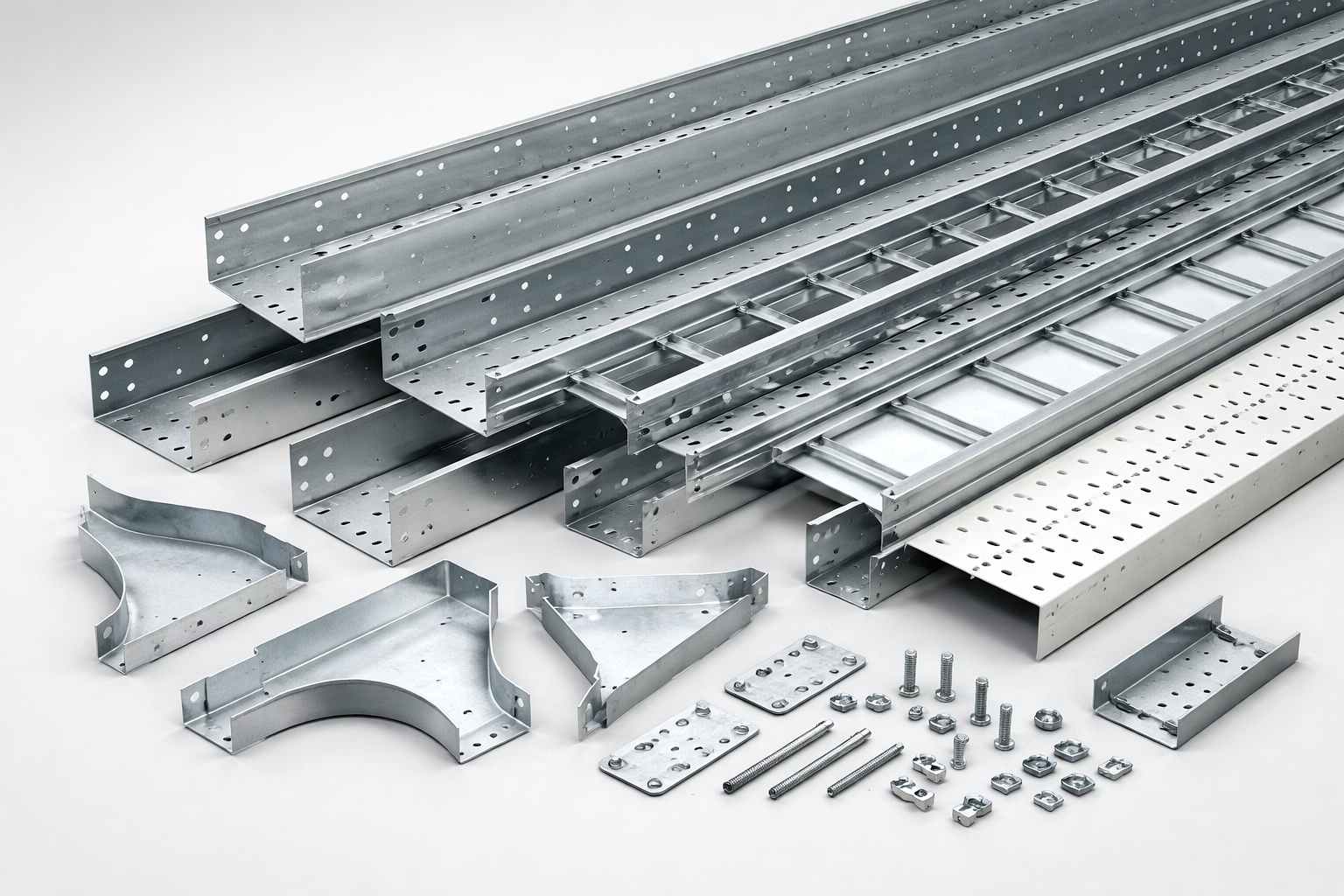
Sheet metal parts are fabricated metal components produced for use in industrial equipment, machinery and structural assemblies. These parts are manufactured using precision sheet metal fabrication processes designed to meet engineering specifications.
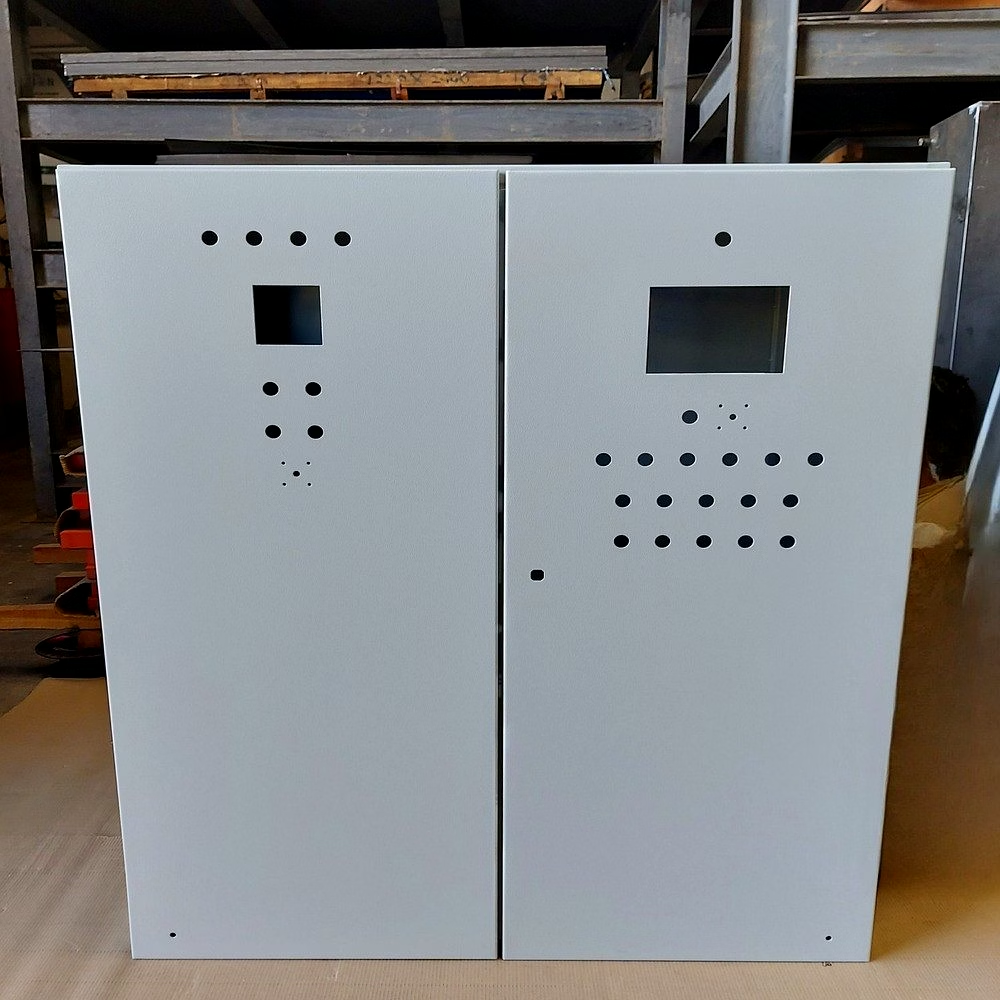
The components may include panels, brackets, enclosures and structural parts used in equipment manufacturing.
Manufacturing Process
Production typically involves CNC laser cutting and punching operations used to create accurate component profiles.
These parts may undergo additional fabrication processes including bending, welding and tapping depending on the design requirements.
Material Options
Sheet metal components may be manufactured using Mild Steel (MS), CRCA steel, Stainless Steel SS 304 or Aluminium depending on project requirements.
Material thickness typically ranges from 0.5 mm to 25 mm depending on the structural requirements of the component.
Surface Finishing
Surface finishing options may include powder coating, painting, zinc plating, galvanizing or polishing depending on the application requirement.
These finishing processes may be applied according to the fabrication specification of the part.
Edge Finishing
Fabricated components undergo deburring and edge finishing processes to remove sharp edges created during fabrication.
This finishing step supports smooth edge surfaces for the manufactured metal components.
Production Capacity
Manufacturing capability may support prototype development, small batch production or bulk manufacturing depending on project requirements.
Fabrication is typically performed according to approved engineering drawings or product design specifications.
Applications
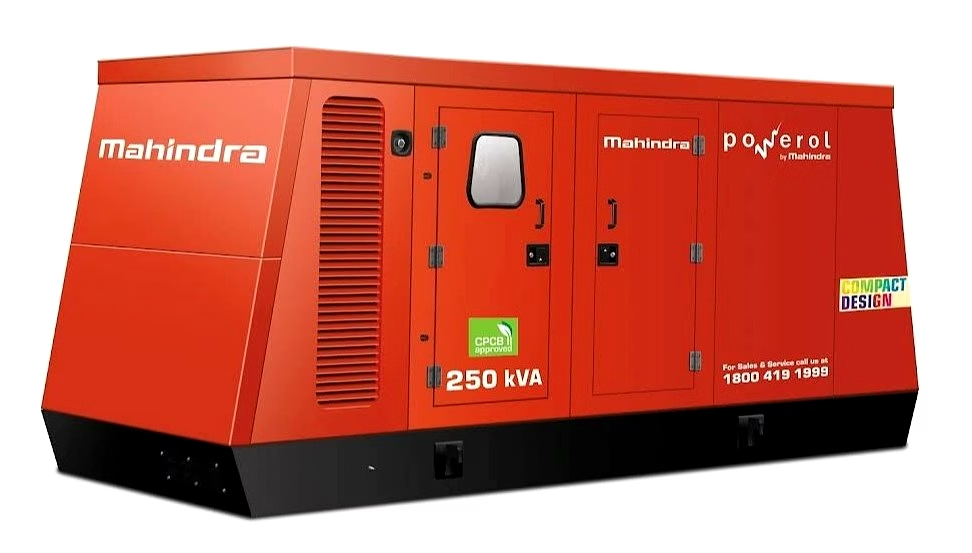
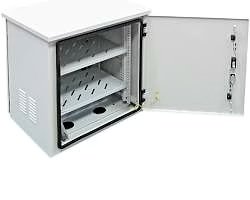
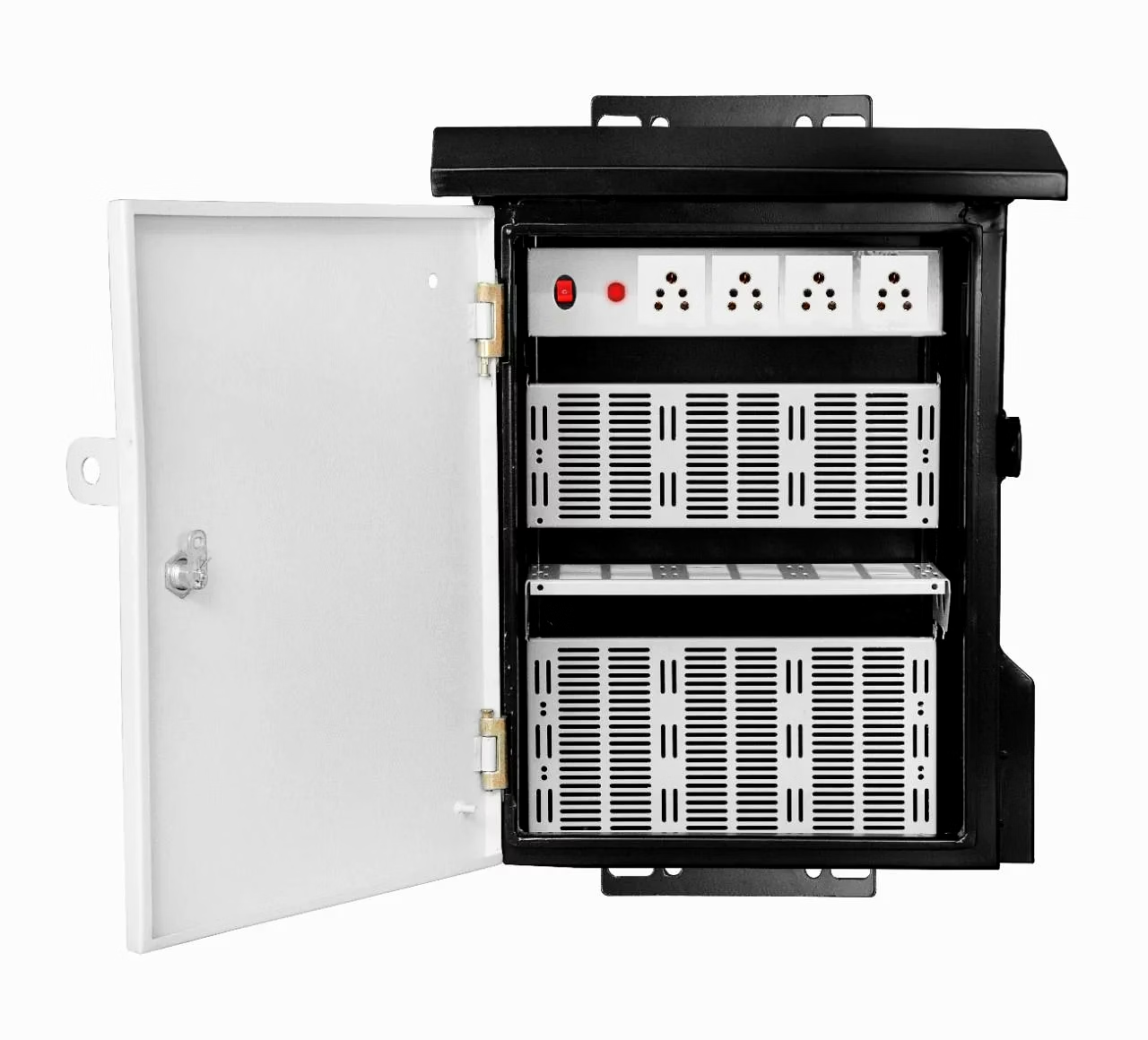
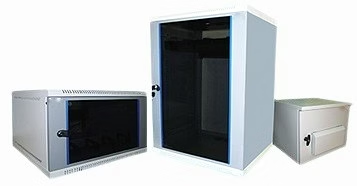
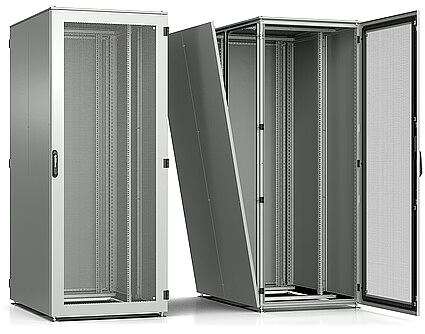
Sheet metal parts are used in the manufacturing of enclosures, brackets, panels, frames, cabinets and other industrial components.
These components are used across equipment manufacturing, industrial systems and structural assemblies.
FAQs
- What materials are used for sheet metal parts? Parts may be manufactured using Mild Steel (MS), CRCA steel, Stainless Steel SS 304 or Aluminium.
- What thickness range can be fabricated? Material thickness typically ranges from 0.5 mm to 25 mm depending on the component design.
- What fabrication processes are used? Fabrication may include CNC laser cutting, punching, bending, welding and tapping.
- What finishing options are available? Surface finishing options may include powder coating, painting, zinc plating, galvanizing or polishing.
- Is edge finishing applied to the components? Components typically undergo deburring and smooth edge finishing processes.
- Can both prototype and bulk production be supported? Manufacturing capability may support prototype development as well as bulk production.
- What types of parts can be produced? Fabricated parts may include enclosures, brackets, panels, frames, cabinets and other industrial components.
- How is quality verified? Dimensional inspection is conducted according to approved drawings and quality control standards.
Description provided by Perfect Precision Products Llp.
CNC laser cutting, punching, bending, welding, and tapping
Mild Steel, CRCA, Stainless Steel SS 304, Aluminium
Powder coating, painting, zinc plating, galvanizing, polishing
Deburring and smooth edge finishing
Prototype to bulk manufacturing
Dimensional inspection as per approved QC standards
Industrial equipment parts, structural assemblies, machinery components
Manufactured according to engineering drawings
Specifications
Material Types
Mild Steel (MS), CRCA, Stainless Steel SS 304, Aluminium
Manufacturing Techniques
CNC laser cutting, punching, bending, welding, tapping
Surface Treatments
Powder coating, painting, zinc plating, galvanizing, polishing
Tolerance Range
±0.1 mm to ±0.2 mm
Edge Treatment
Deburring and smooth finishing
Production Capacity
Supports prototype and bulk production
Quality Verification
Dimensional inspection as per drawings and QC standards