Product Composition and Structure
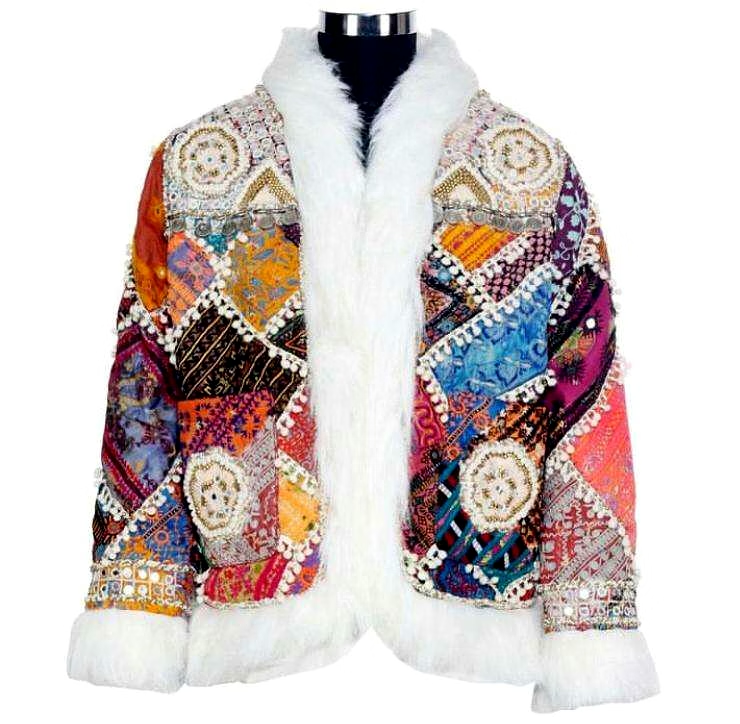
The loose cashmere coat uses cashmere cloth selected for fineness and staple length. Construction practices minimize compression of the fibre during assembly, with low-tension stitching and soft interlinings to preserve drape and hand-feel. Cutting and handling are done under controlled conditions to avoid surface damage.
Functional Performance & Operational Efficiency
Buyers seek drape, minimal shedding, and predictable wash behaviour. Grade specification drives these performance outcomes. Finishing steps like de-pilling and gentle setting increase production time but improve long-term appearance. Including clear grade and GSM targets in the RFQ accelerates supplier alignment and costing.
Processing Insight
Quality checkpoints include pile shedding tests, dimensional stability after finishing, and visual pile-evenness inspections. Private-label orders require label artwork and placement confirmation prior to final finishing to avoid rework. Buyers should request a pre-shipment shedding test when pile behaviour is a selection criterion.
Application & Industry Deployment
Distributor restock
Buyer role: restock planner; Constraint: grade consistency across replenishment; Outcome: stable seasonal assortments with predictable hand-feel when grade bands are enforced.
Retail chain stocking
Buyer role: retail merchandiser; Constraint: in-store care and presentation of delicate knits; Outcome: reduced on-shelf degradation when packing and care-label guidance are applied.
Seasonal distribution planning
Buyer role: seasonal buyer; Constraint: cashmere procurement windows; Outcome: on-shelf availability for seasonal ranges when material sourcing and finishing times (20–30 days) are considered.
Differentiation Hook
Supplier-focused SKU with emphasis on grade declaration and pre-shipment shedding tests; buyers should supply grade and GSM targets in the RFQ to receive precise quotations.
Frequently Asked Questions
- What is the supplier MOQ for loose-size cashmere coats? Indicative MOQ is 50 units. MOQ and lead time vary with grade choice and finishing requirements.
- What pricing drivers should buyers expect for cashmere coats? Primary drivers are fibre grade, staple length, GSM target, and finishing choices; specifying these factors narrows costing ranges.
- Can inspection or material grade documentation be provided for cashmere coats? Yes. Batch-level pile shedding tests and fibre-grade declarations are available; certificate downloads such as IEC Export License and GST Registration Certificate are provided for shipment documentation.
- What are lead times and packaging formats offered for cashmere coat orders? Typical lead time is 20–30 days. Packing uses tissue-lined cartons and moisture-control inserts; branded cartons and hang-tags can be added after sample sign-off.
Description provided by Fashion Mart.
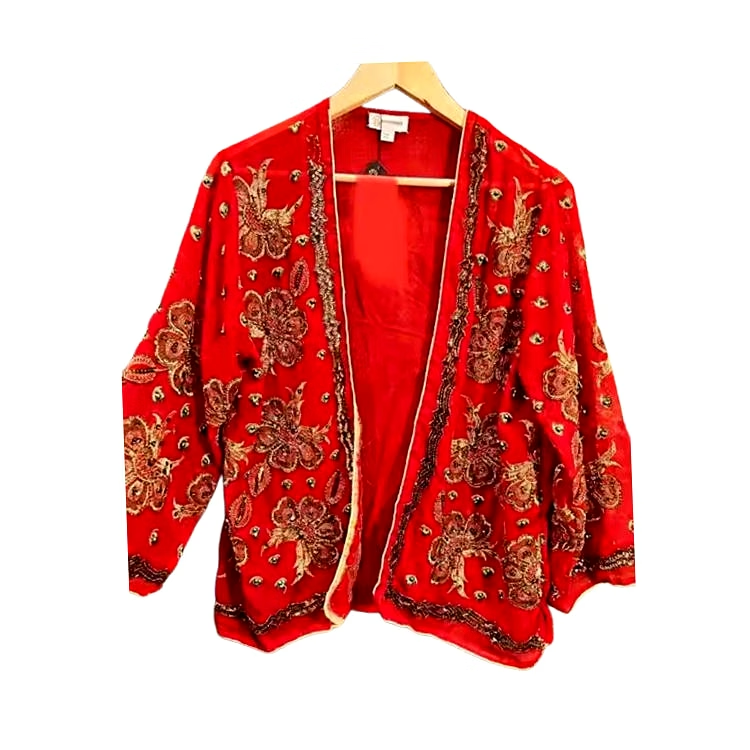
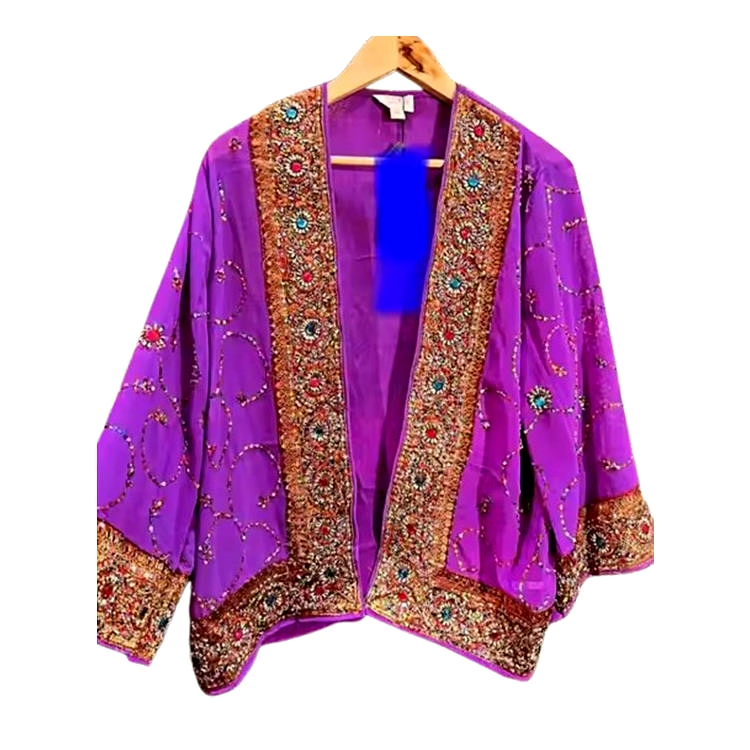
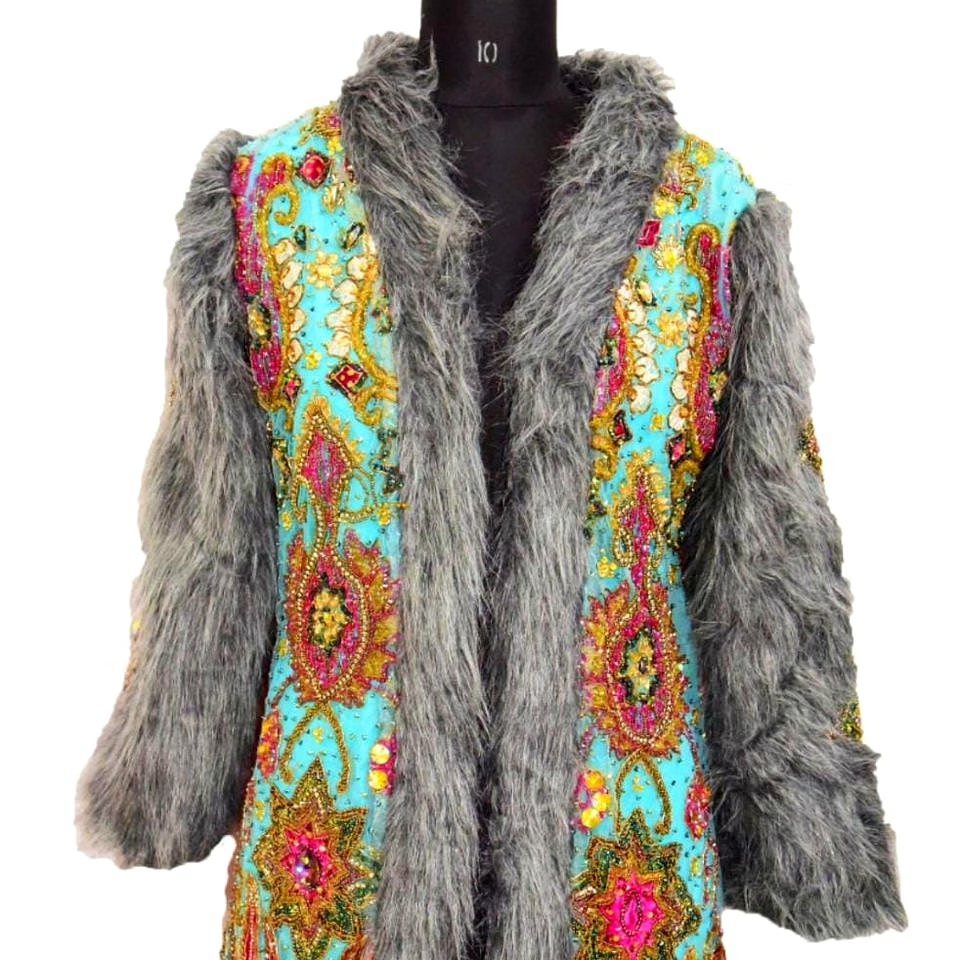
Cashmere and Wool Blend with Glass Bead Detailing
Loose Size, Oversize Hooded Long Coat with Belt
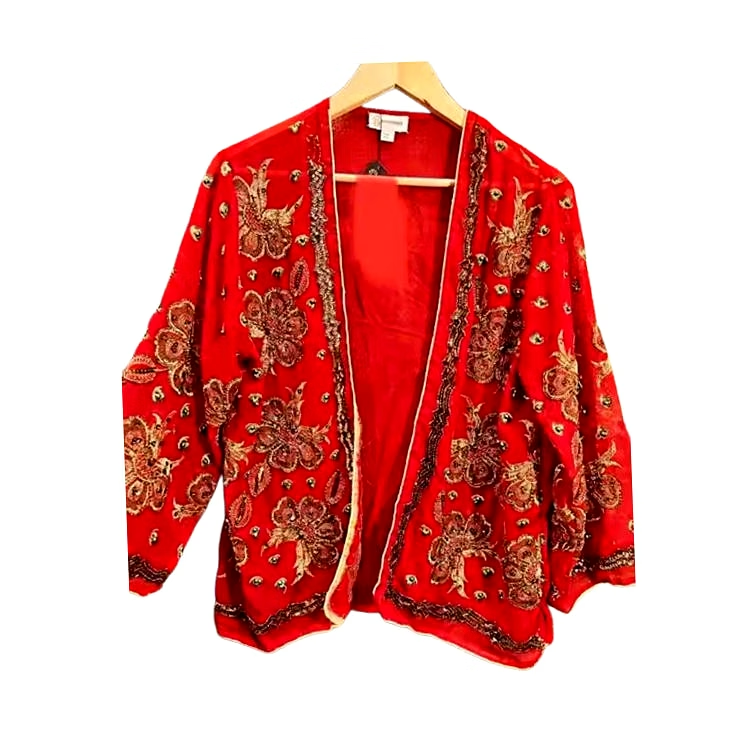
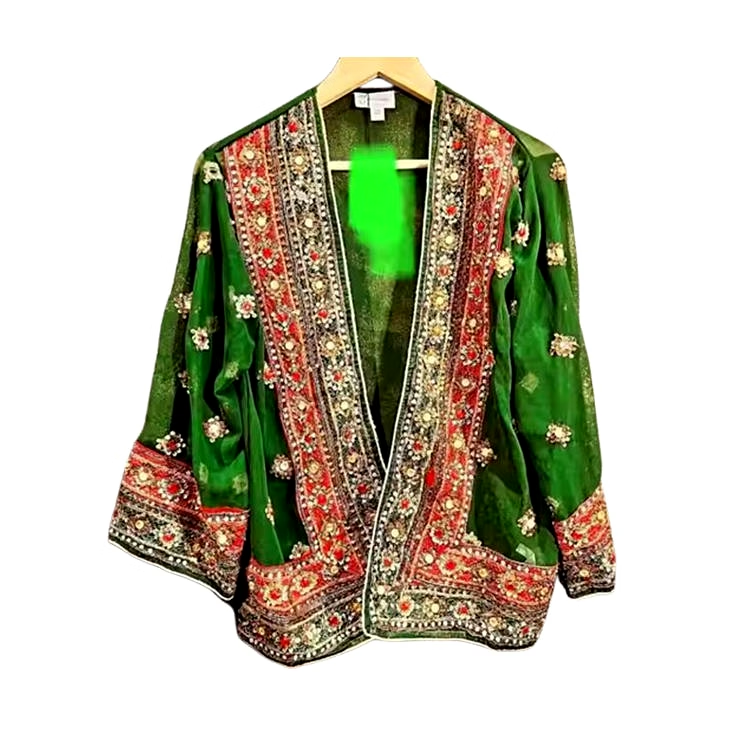
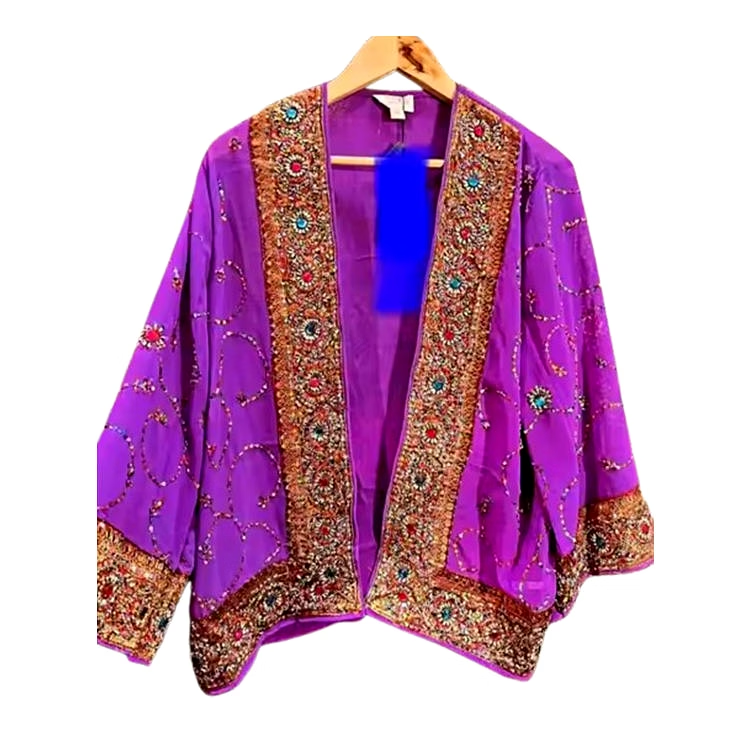
Hand-Applied Glass Bead Detailing
Kids Boutique, Festive, and Special Occasion Wear
Secure Bead Attachment for Bulk Handling and Wear
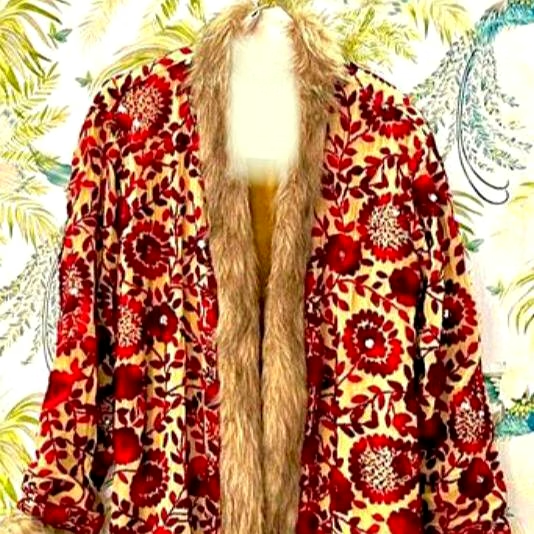
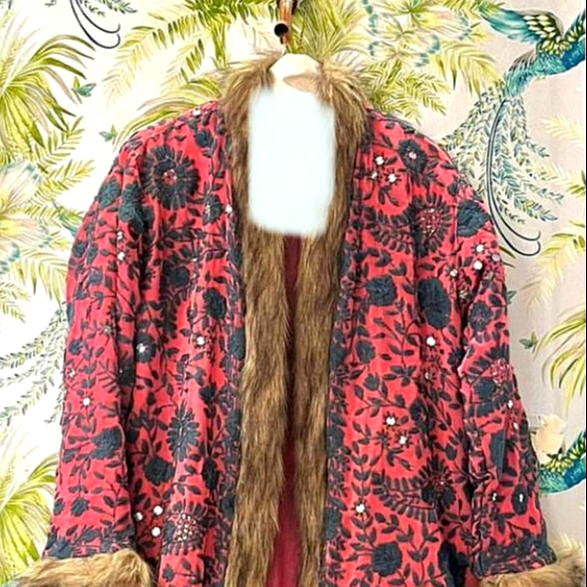
Vintage Fox Style with Fashion Belt
Compliant with International Fashion Retail Standards
Specifications
Material Composition
Cashmere, Wool, Glass Beads
Product Type
Winter Coat for Kids
Design Style
Loose Fit, Oversized, Hooded, Belted
Intended Use
Kids Fashion Apparel, Special Occasion
Beadwork Technique
Hand-Applied Glass Beads
Category
Banjara Jackets and Bags
Finish
Professional Export and Wholesale Ready
Target Market
International Wholesale and Export Buyers