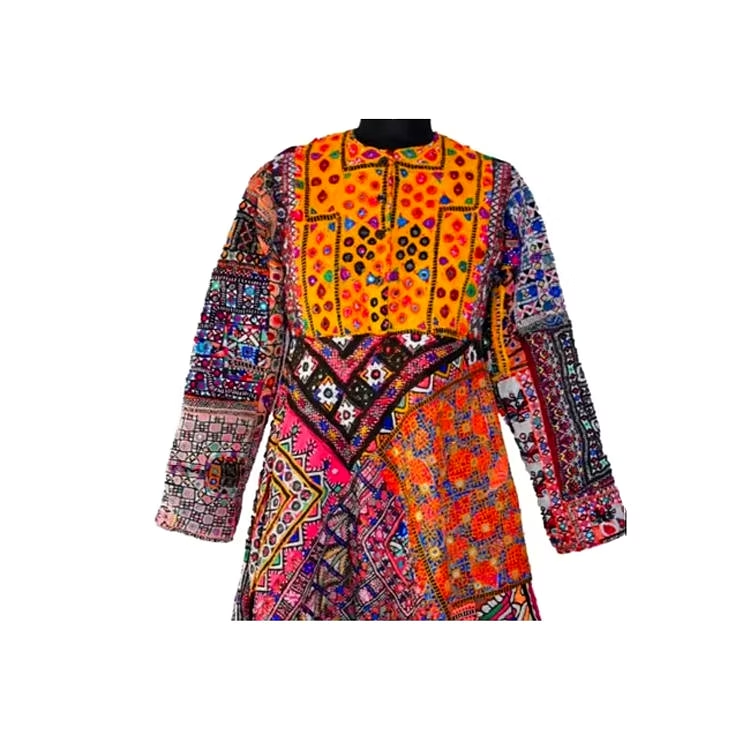
Product Composition / Structure
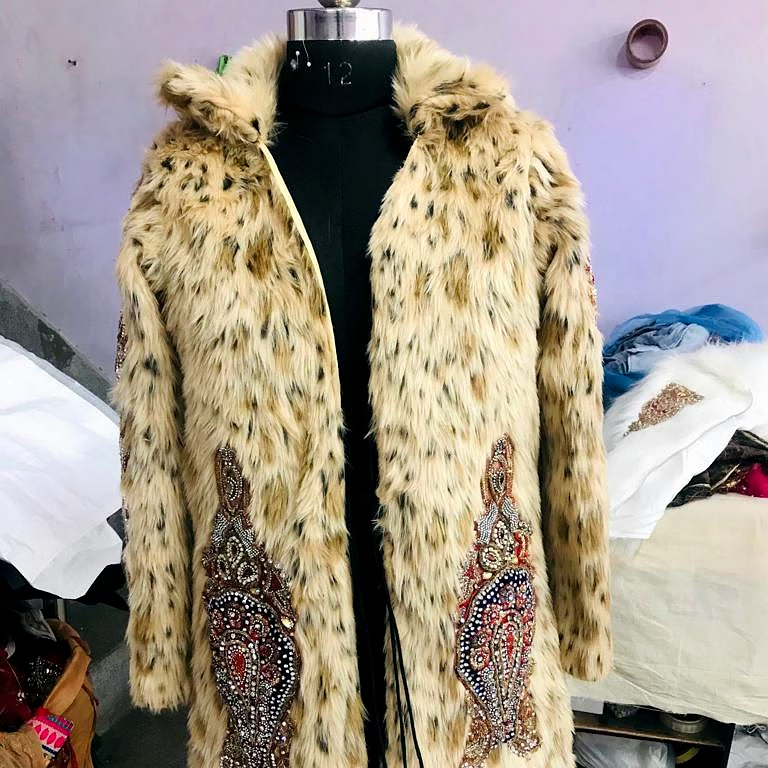
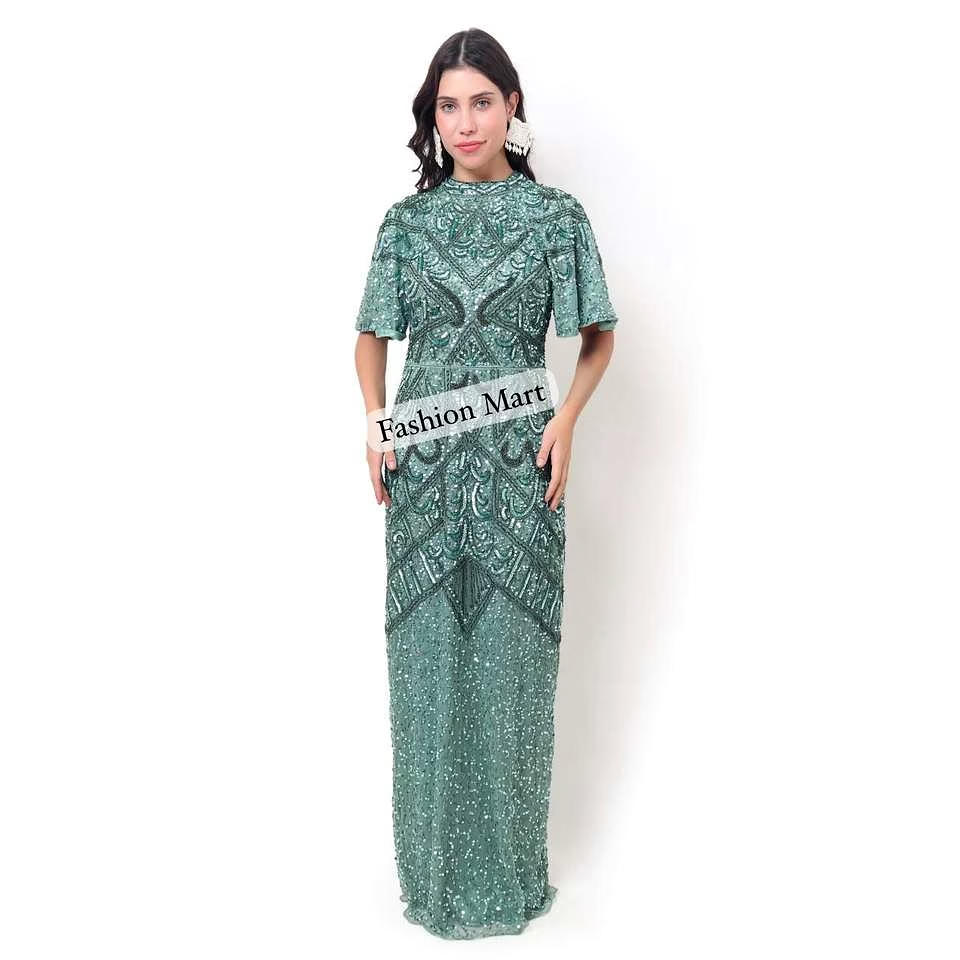
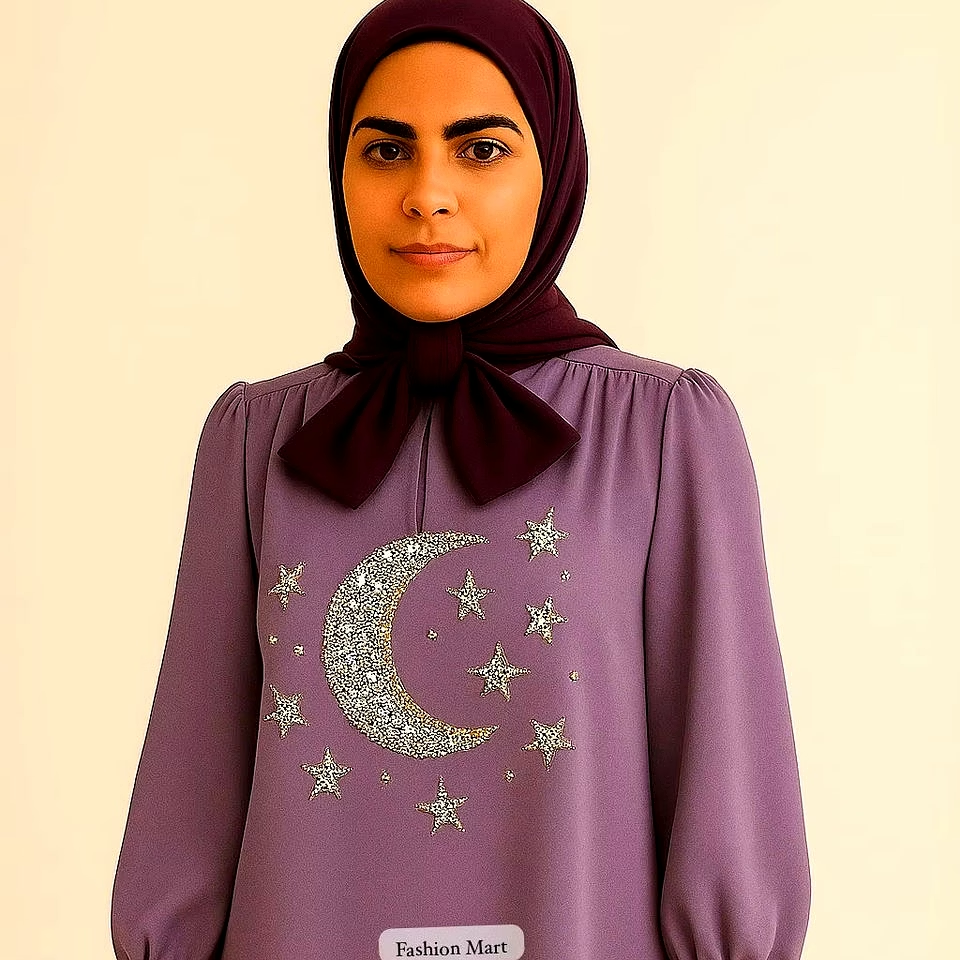
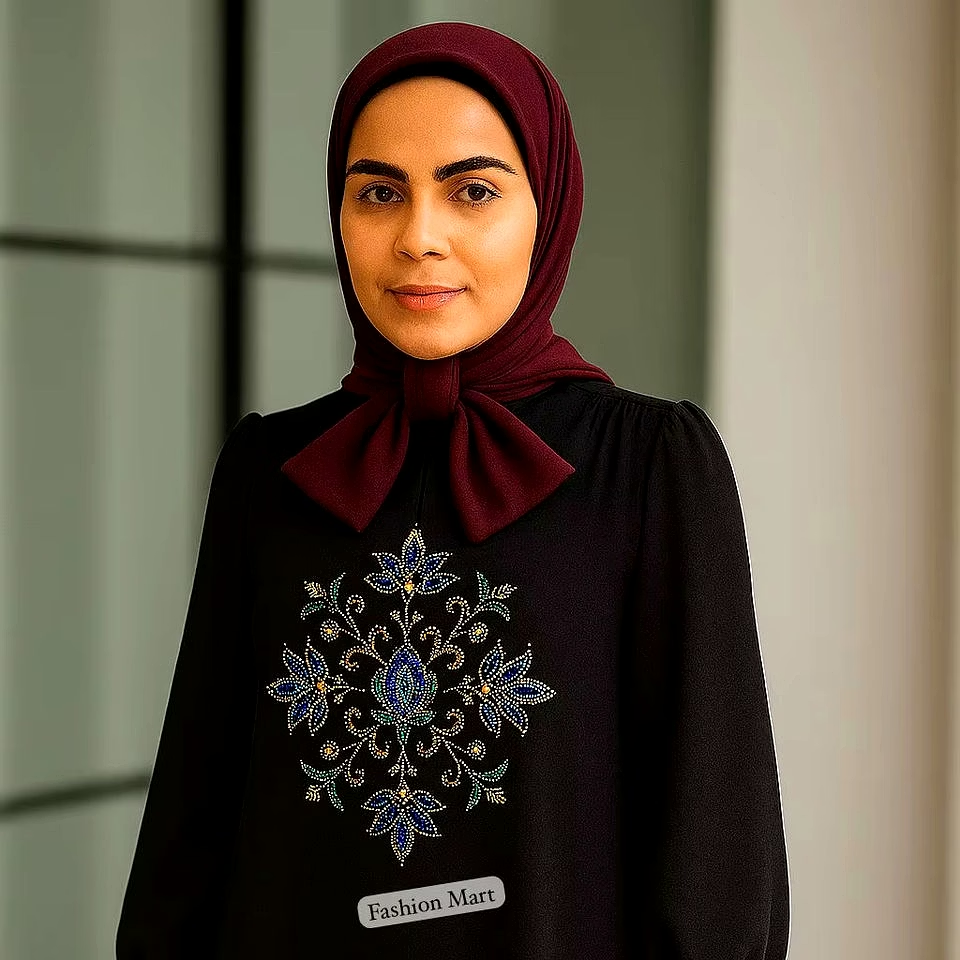
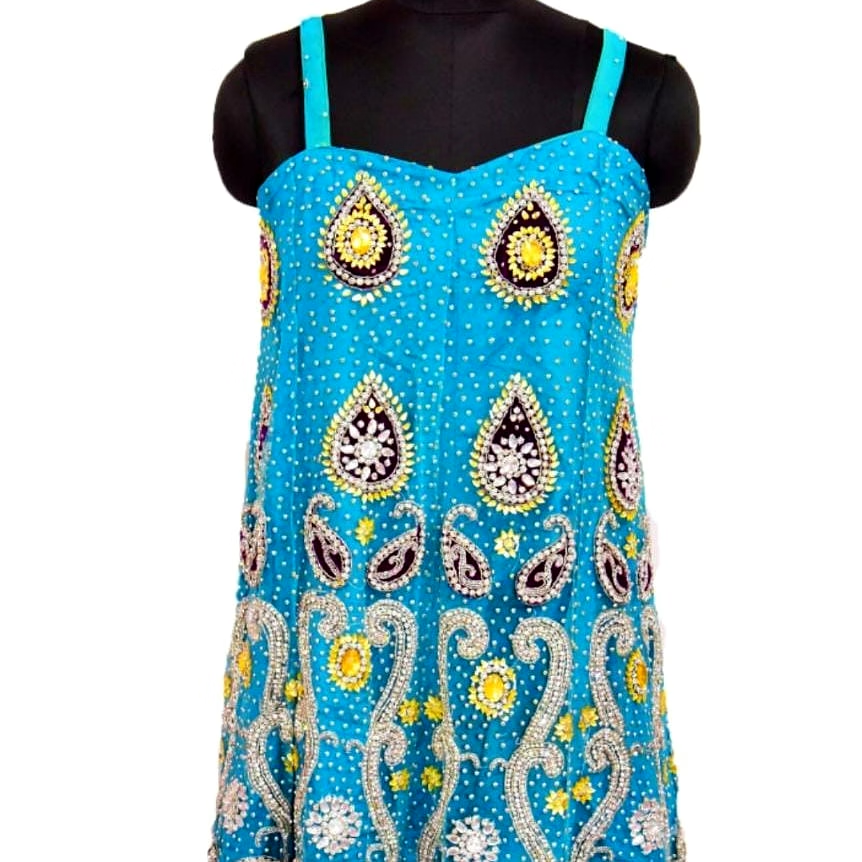
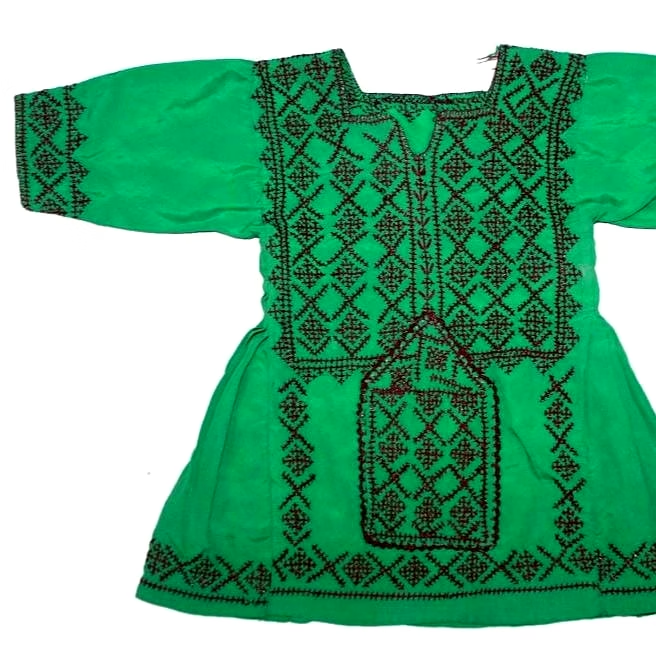
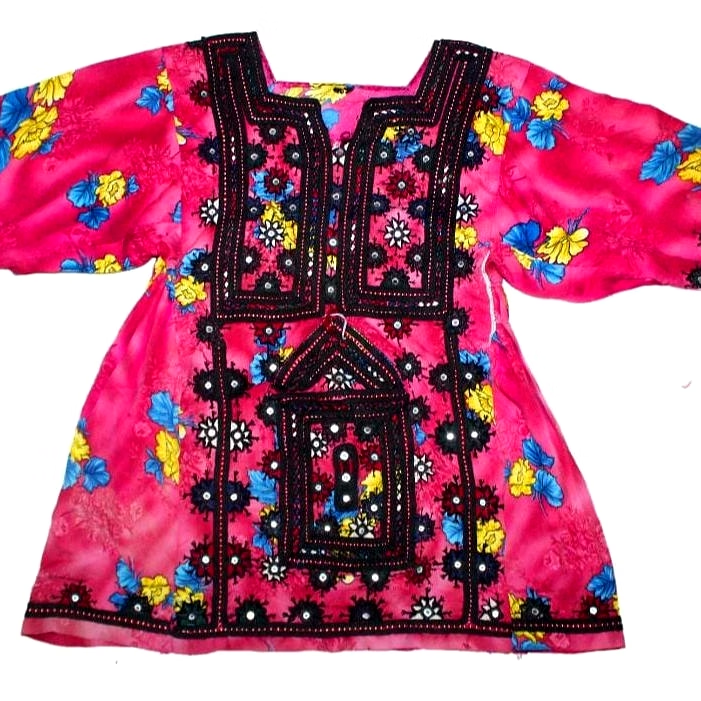
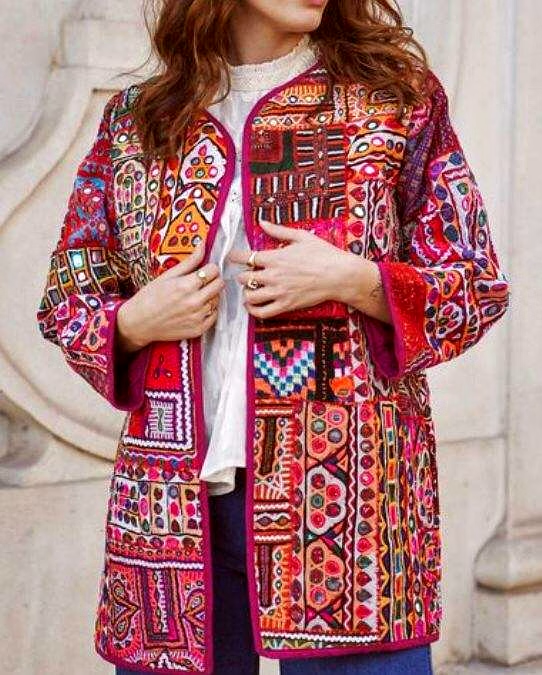
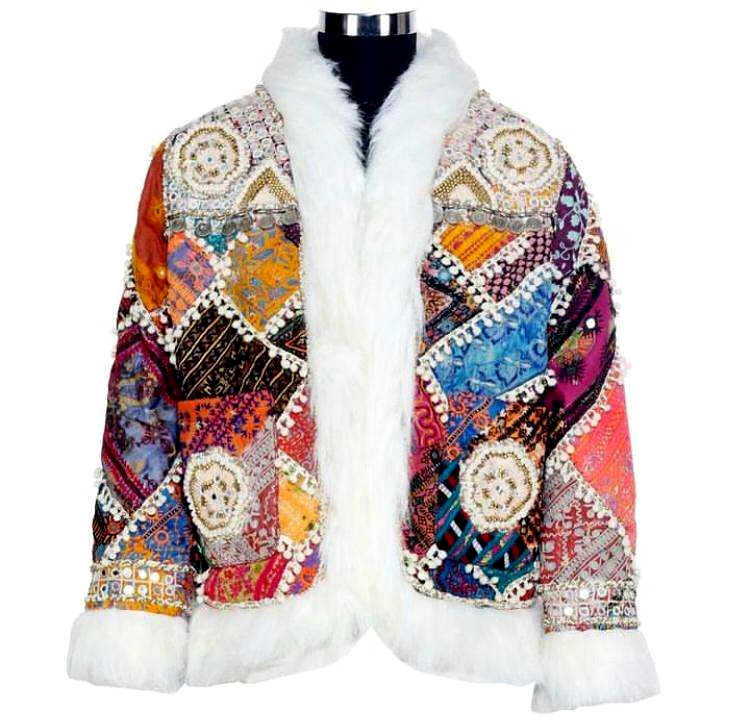
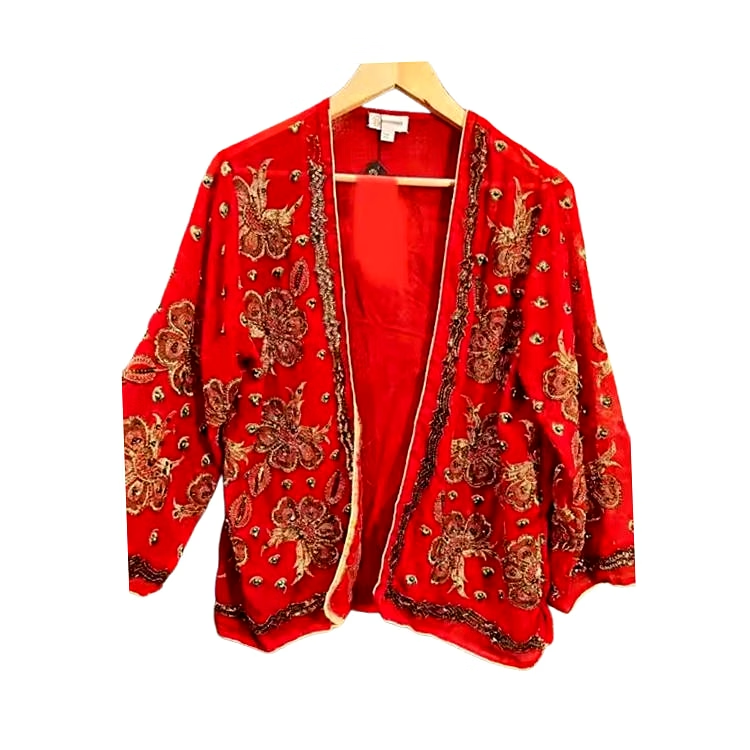
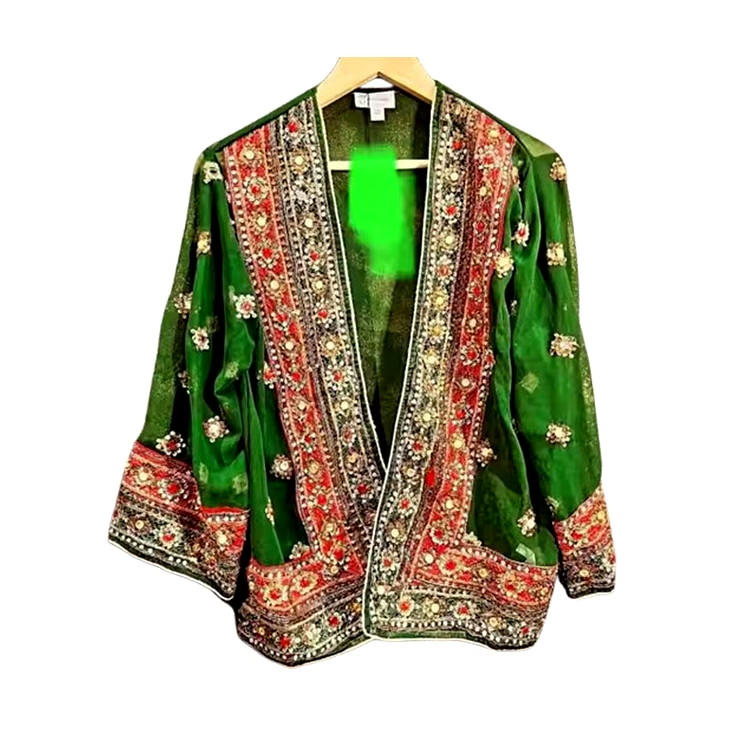
The handmade variant uses fabrics chosen for stitch stability and hand-embroider compatibility. Thread selection and stitch patterns are specified to balance decorative effect with tensile strength; seams adjacent to embroidery are reinforced. Where antique finishes are applied, the base fabric is tested first to ensure the finish does not compromise thread adhesion.
Functional Performance & Operational Efficiency
Handwork introduces variability; therefore production uses stricter inspection points. Functional aims include maintaining wearable durability and consistent visual appearance across lot runs. Pre-shipment checks focus on embroidery securement, seam strength, and colour match to the approved sample to protect retail acceptance rates.
Processing Insight
Flow: sample approval -> embroidery scheduling -> post-embellishment finishing -> inspection -> packing. Hand-embroidered work is scheduled in grouped runs to reduce setup time and control quality. Buyers requiring private-label packaging should allow for lead time on label production and packaging approval.
Application & Industry Deployment
Distributor restock
Buyer role: restock planner for artisanal ranges. Constraint: maintain handwork uniformity across restock runs. Outcome: batch-level inspection and embroidery logs simplify acceptance and restock decisions.
Retail chain stocking
Buyer role: retail buyer for boutique channels. Constraint: consistent fit and care guidance for natural fibers. Outcome: pre-defined care labels and size tolerances lower return rates.
Seasonal distribution planning
Buyer role: seasonal merchandiser. Constraint: embroidery scheduling and finish approval timing. Outcome: coordinated timelines for seasonal drops and limited-edition runs.
Request for Quotation (RFQ) Inputs
- Reference sample and tech pack with embroidery specifications
- Fabric preference and target gsm range
- Size-set plan and allowable shrinkage
- Labeling and packaging specifications
Frequently Asked Questions
- What is the MOQ for handmade embroidered antique afghani dresses? Standard MOQ is 50 units per style; bespoke handwork may affect minimum charge.
- Which cost drivers affect wholesale pricing on handmade embroidered dresses? Main drivers: stitch hours, thread quality, fabric selection, and finish processes.
- Can you provide workmanship or material documentation for handmade antique dresses? Yes — stitch specifications, sample approval records, and batch inspection reports are supplied on request.
- What are the logistics and lead times for bulk handmade embroidered dress orders? Packaged in bulk cartons with inner protection; lead time 15–25 days after sample approval. Documentation such as IEC Export License and GST Registration Certificate can be provided for export shipments.
Description provided by Fashion Mart.
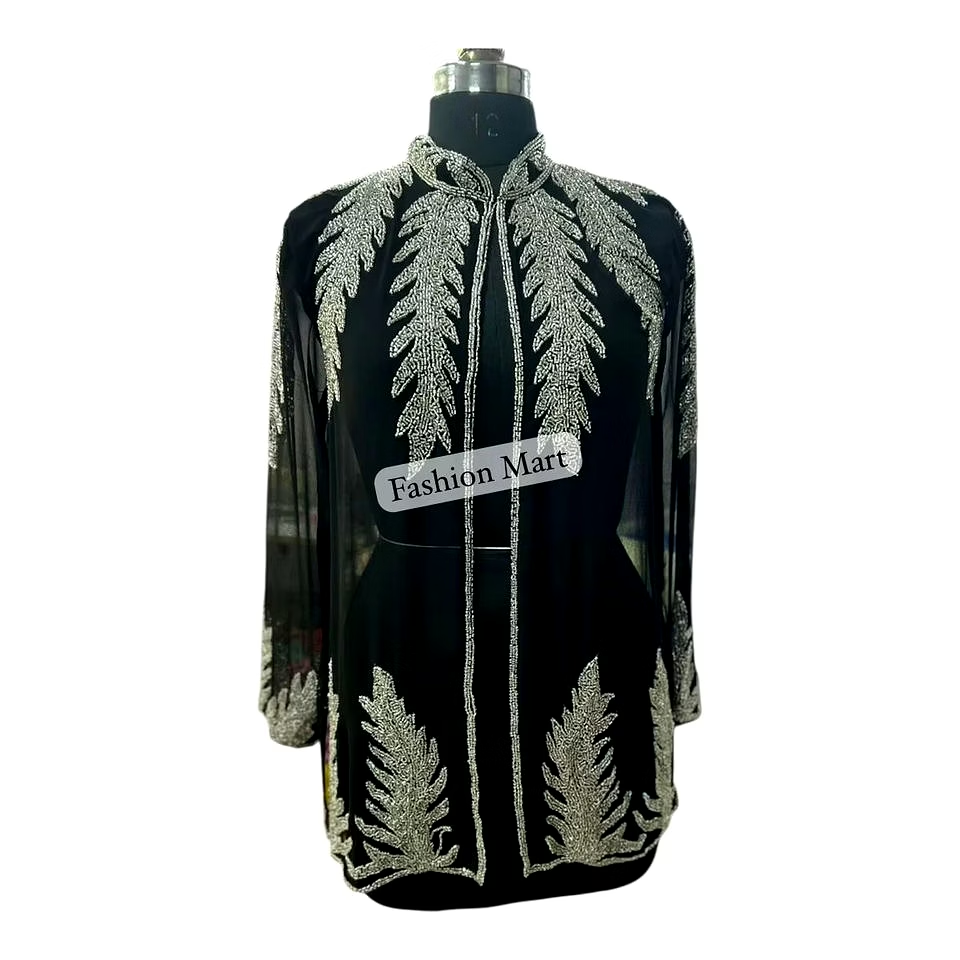
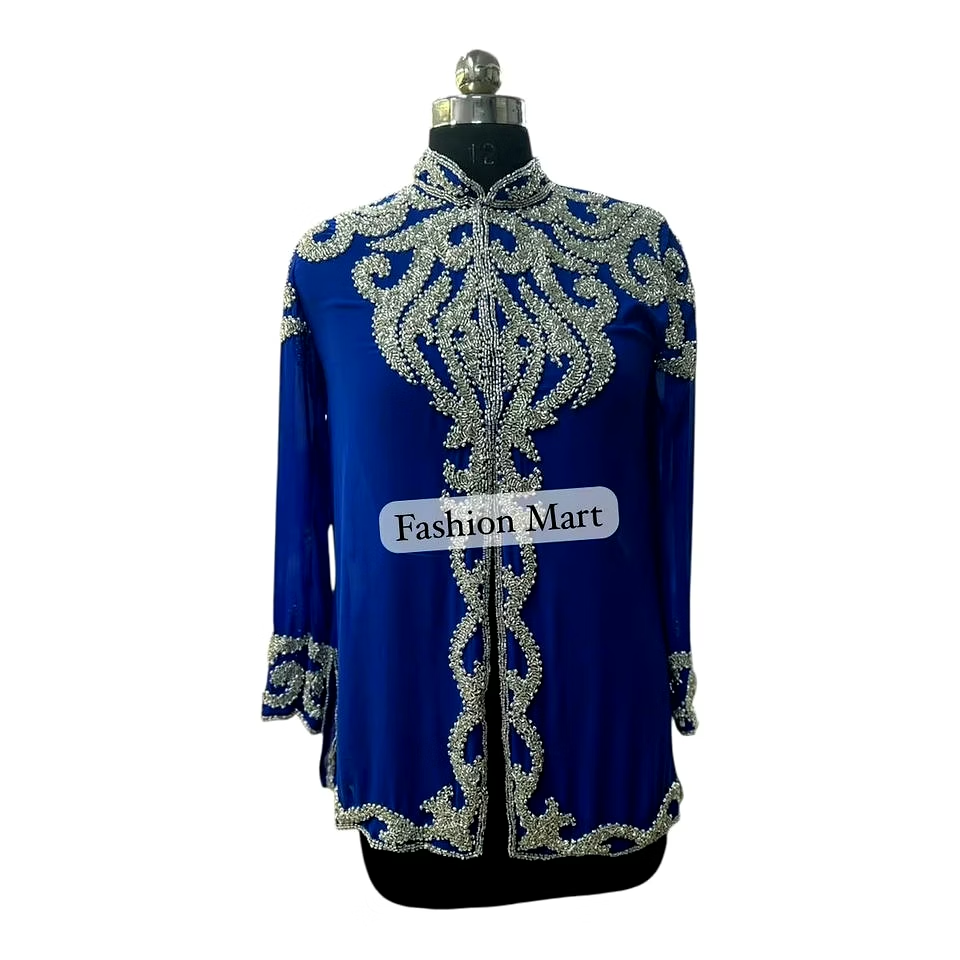
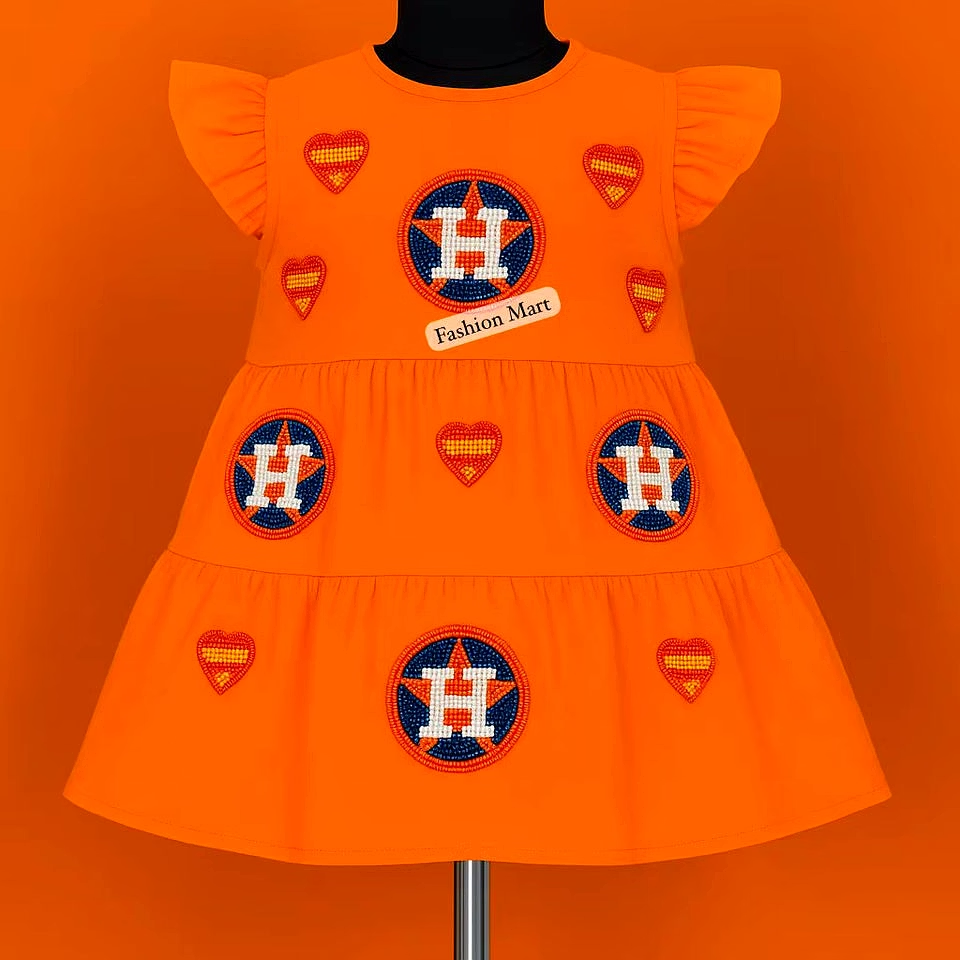
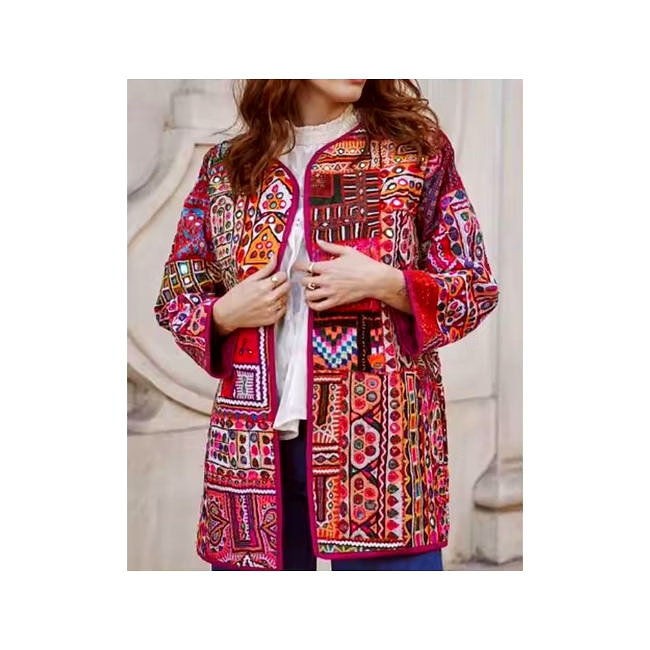
Intricately hand-embroidered with glass beads for authentic antique Afghani Banjara design
MOQ of 1 supporting small and bulk wholesale buyers
High-quality glass beads securely hand-applied on premium fabric
Secure bead attachment and durable stitching for long-lasting wear
Suitable for kids fashion boutiques, festive occasions, and special celebrations
Standardized sizes and packaging suitable for international wholesale
Structured for comfort ensuring ease of movement and durability
Produced by Fashion Mart with focus on quality and consistent supply
Specifications
Product Type
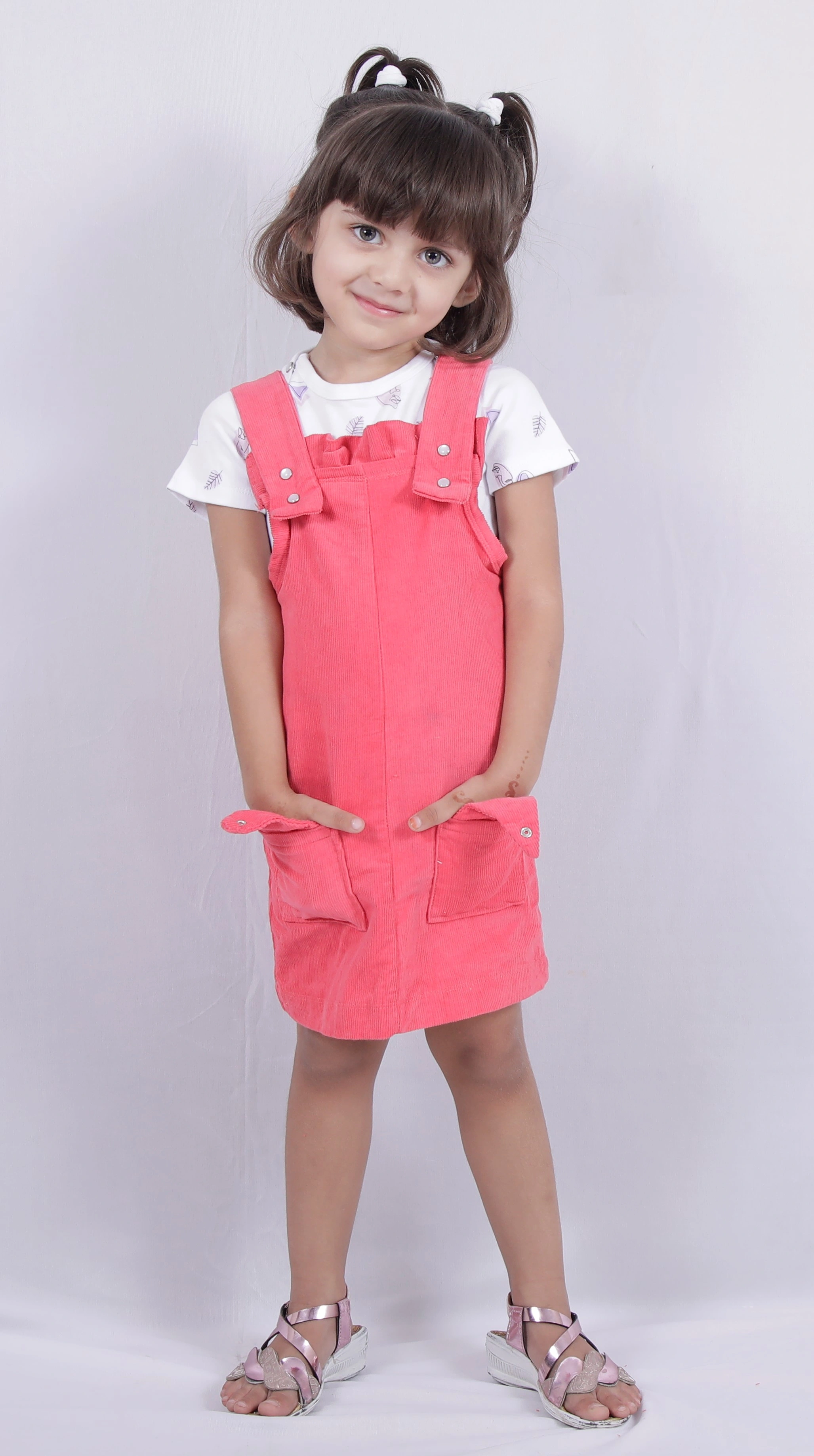
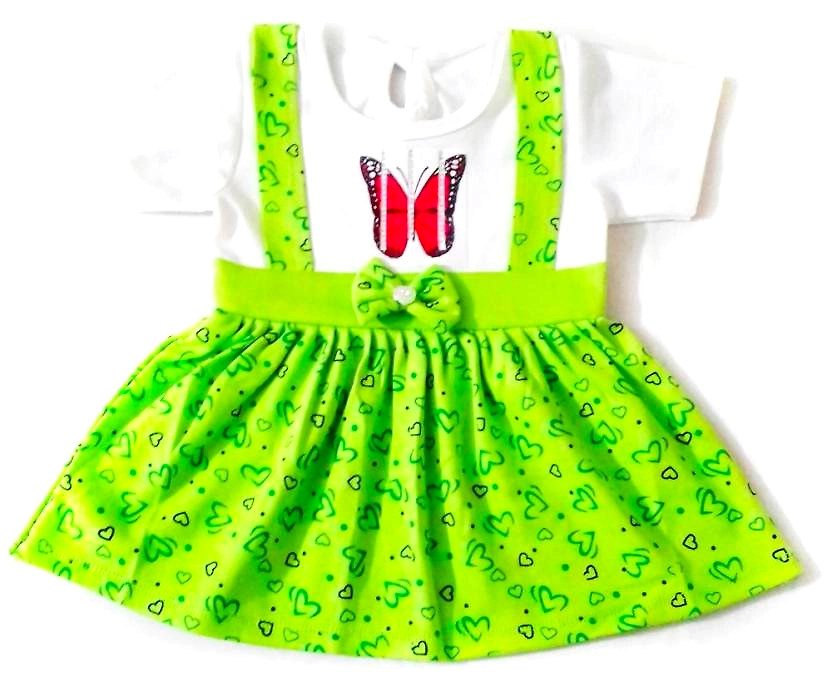
Kids Handmade Embroidered Dress
Fabric Type
Premium fabric base with glass bead embellishments
Embellishments
Hand-applied glass beads
Intended End Use
Special occasion kids apparel, boutique fashion
Minimum Order Quantity (MOQ)
1 piece
Target Market
Export and wholesale buyers
Finish
High-quality stitching and beadwork finishing
Packaging
Bulk ready packing with standardized sizes