Product Composition/Structure
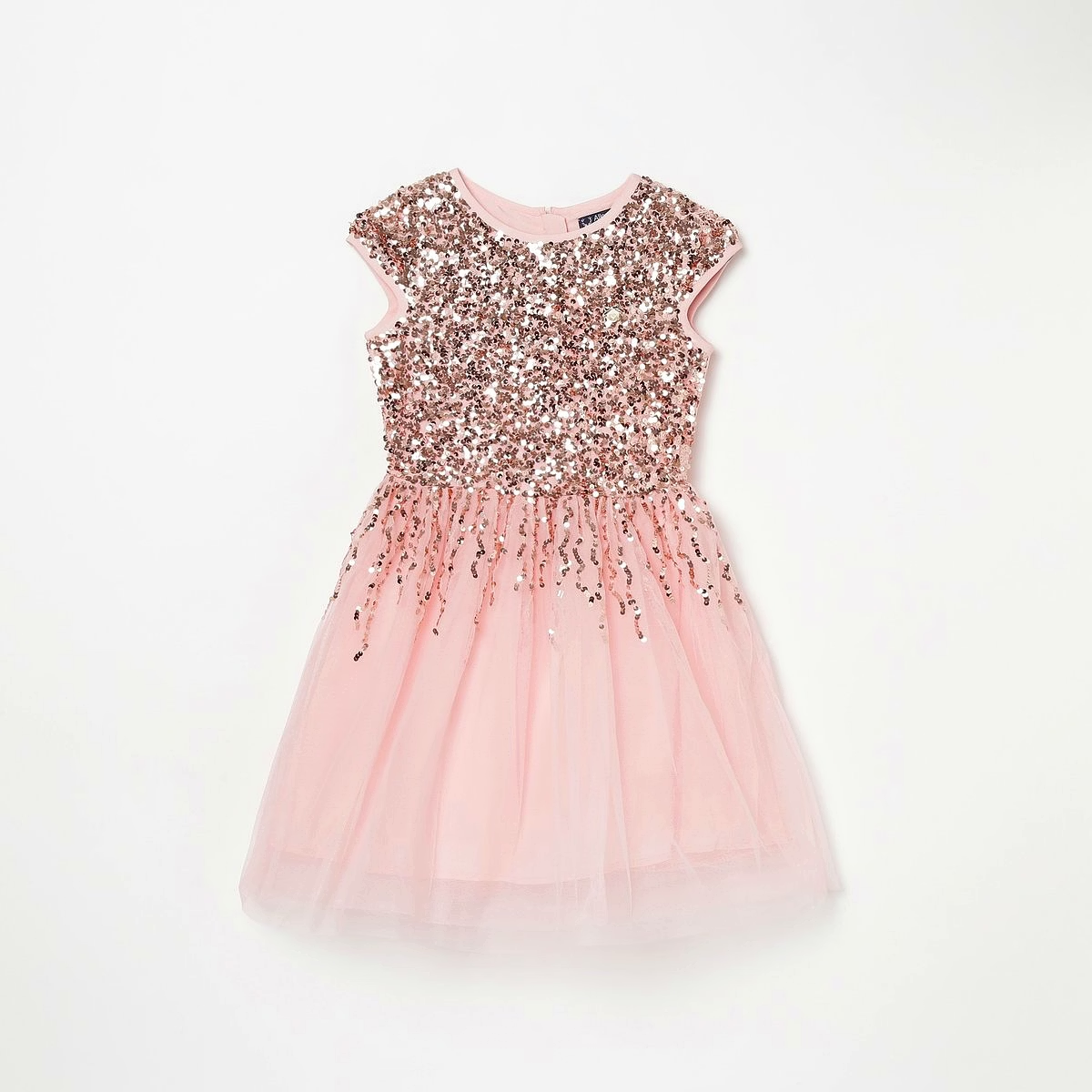
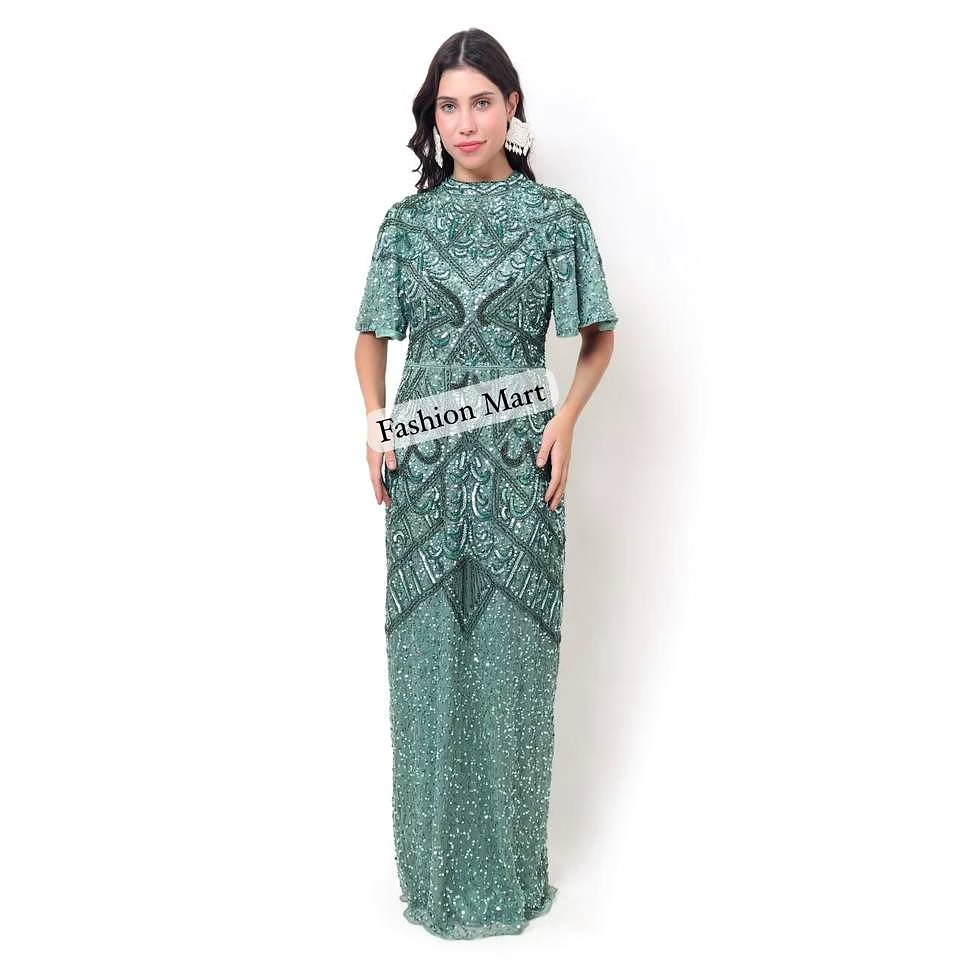
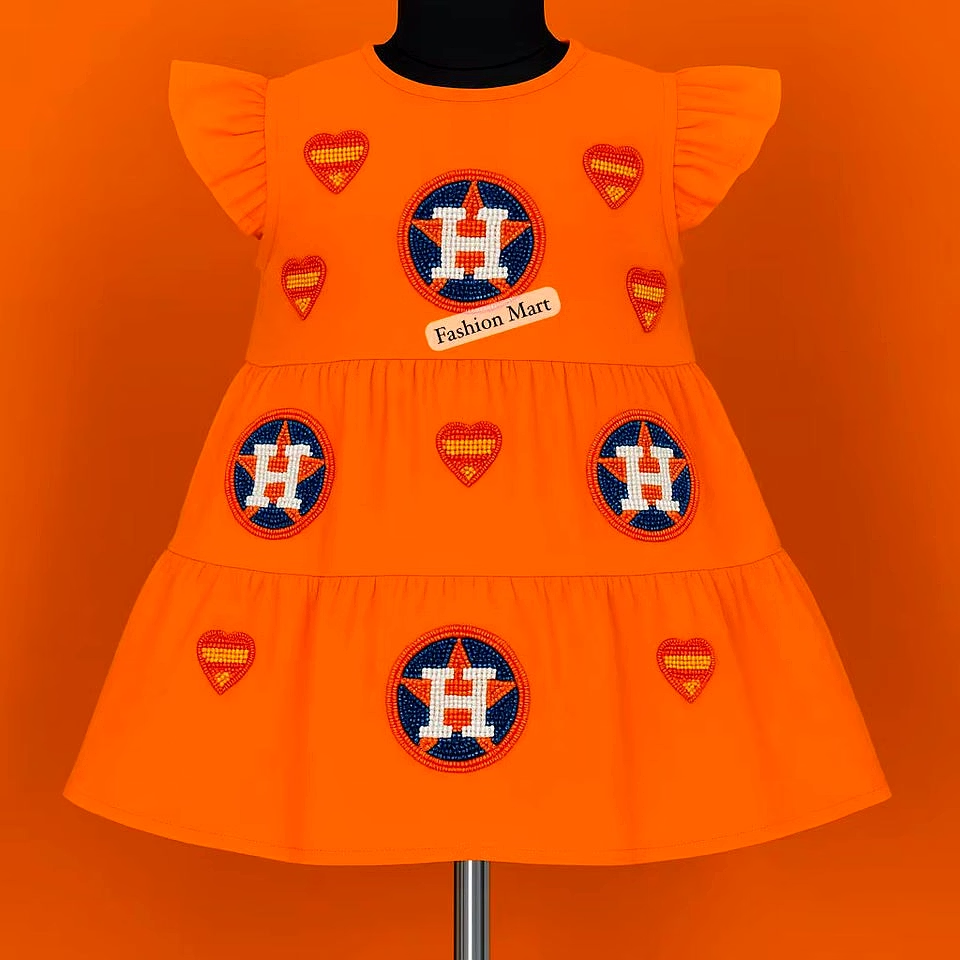
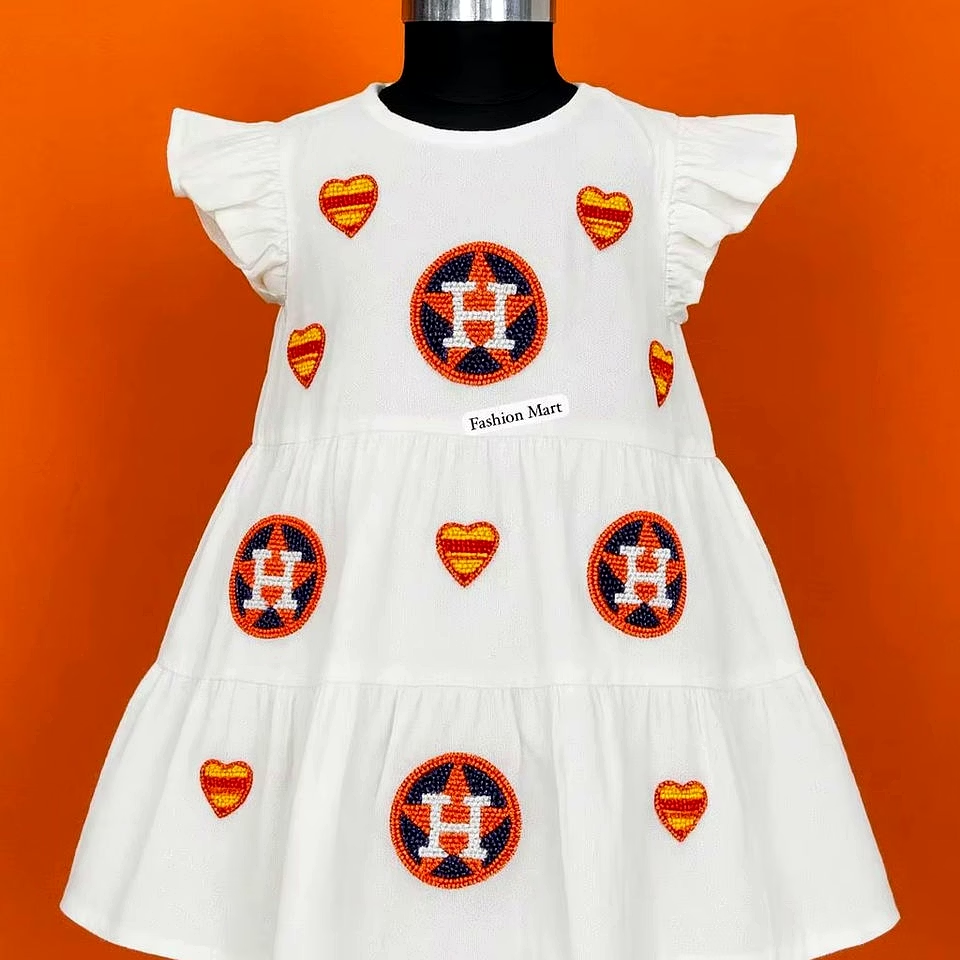
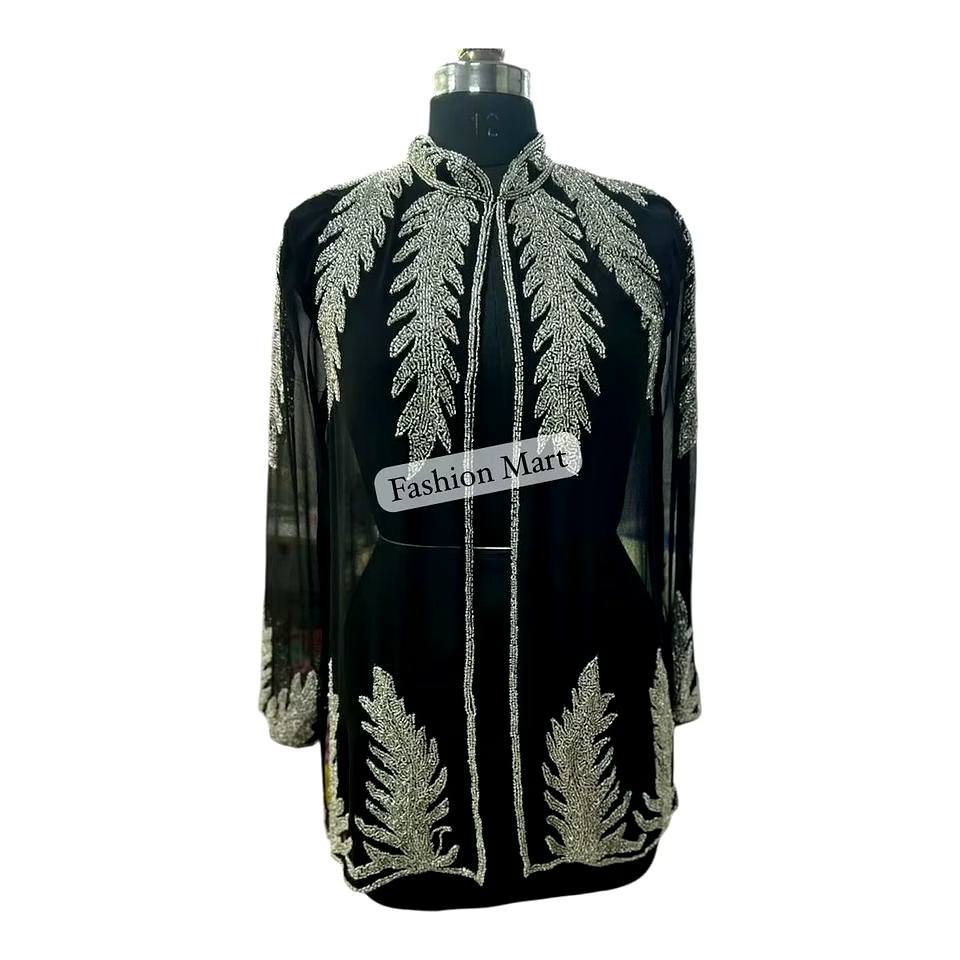
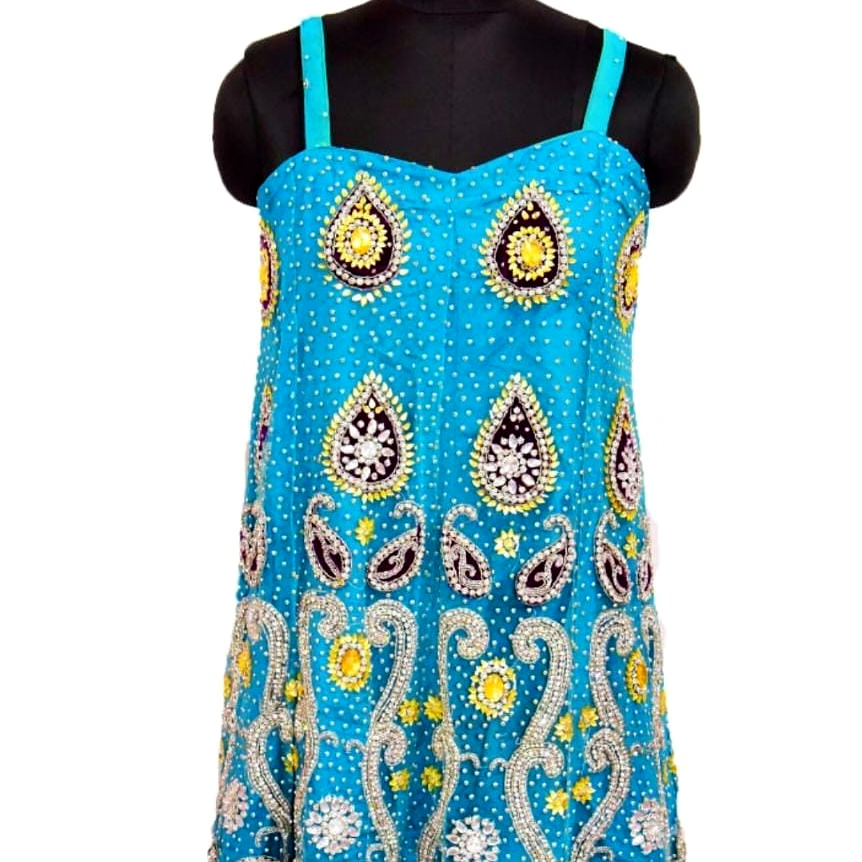
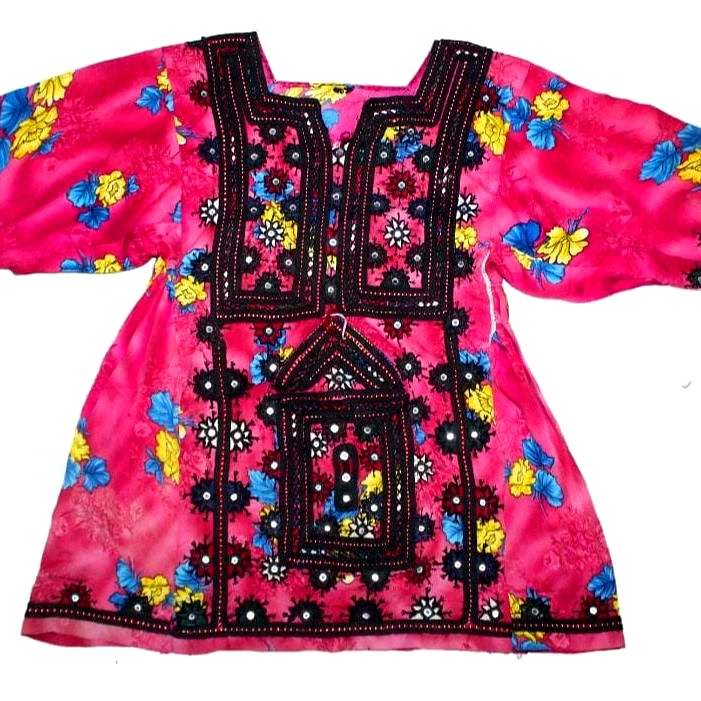
The hand-beaded kids dress combines a woven or lightweight base fabric with localized beadwork placements. Fabric choice affects bead anchoring and overall drape; buyers should specify fabric type and target GSM to ensure compatibility with bead weight. Seams adjacent to beaded panels are reinforced to avoid stress-related pull during handling.
Functional Performance & Operational Efficiency
Bead density directly affects unit weight and package handling. To control landed damage, specify bead-density thresholds and select packaging that cushions high-density areas. Buyers should include a bead-attachment method (knot/backstitch) on the tech pack as part of acceptance criteria to reduce in-market failures. Establishing a pre-shipment bead integrity checklist reduces disputes and return rates.
Processing Insight / Technical Insight
Production follows a bead-focused sequence: substrate stabilization → bead application (by hand or semi-assisted stations) → fixation reinforcement → seam assembly → pressing under controlled pressure → final inspection. Bead application is a bottleneck; estimating minutes per unit by bead band (low/medium/high) helps align pricing and lead-time expectations. For heavy embellishment runs, recommend staging smaller pilot lots to validate packing and transit behavior.
Application & Industry Deployment
Distributor restock — Buyer role: inventory planner; Constraint: protective packing to avoid bead loss during multi-leg transit; Outcome: labeled cartons with inner cushioning to maintain in-store quality.
Retail chain stocking — Buyer role: store presentation manager; Constraint: floor-ready presentation with minimal in-store prep; Outcome: folded or hang-ready units with protective inserts that allow immediate display.
Seasonal distribution planning — Buyer role: seasonal product manager; Constraint: lead-time impact of heavy beadwork; Outcome: motif prioritization by complexity to meet seasonal windows.
Frequently Asked Questions
- What MOQ is typical for hand-beaded dresses? MOQ bands are determined by bead-density and packaging choice. Higher bead counts usually push orders into larger quantity bands to amortize handling and inspection costs.
- How does beadwork complexity influence pricing? Unit pricing accounts for bead count, bead type, and anchoring method. Dense sequin-and-bead mixes increase both labor time and fragile-handling costs.
- What compliance documentation can you provide? Lot inspection reports and production logs accompany shipments; trade registrations such as IEC Export License and GST Registration Certificate can be supplied in procurement documents.
- What packaging formats and lead times apply? Standard packing is carton with inner cushioning; padded sleeves are recommended for very high-density work. Lead times depend on bead complexity and sample approvals and are confirmed at RFQ.
Description provided by Fashion Mart.
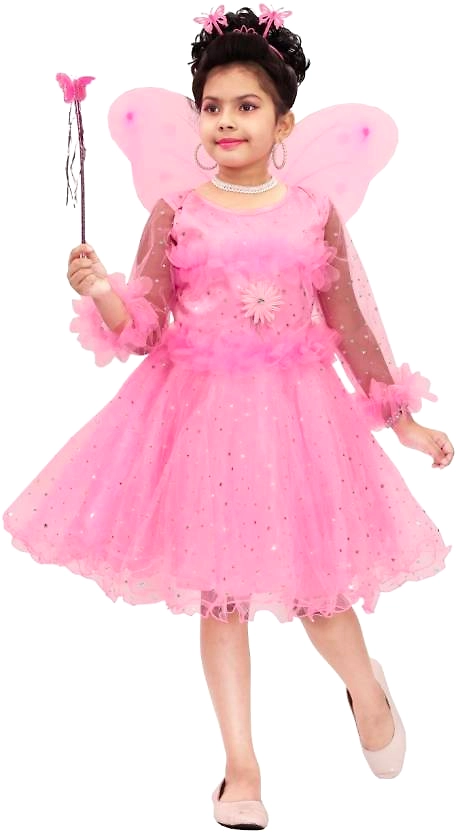
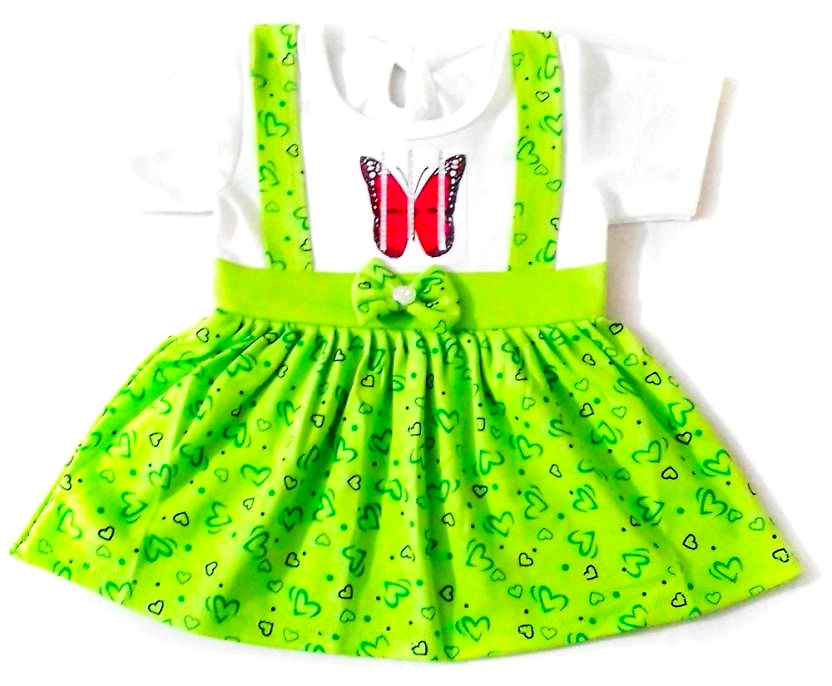
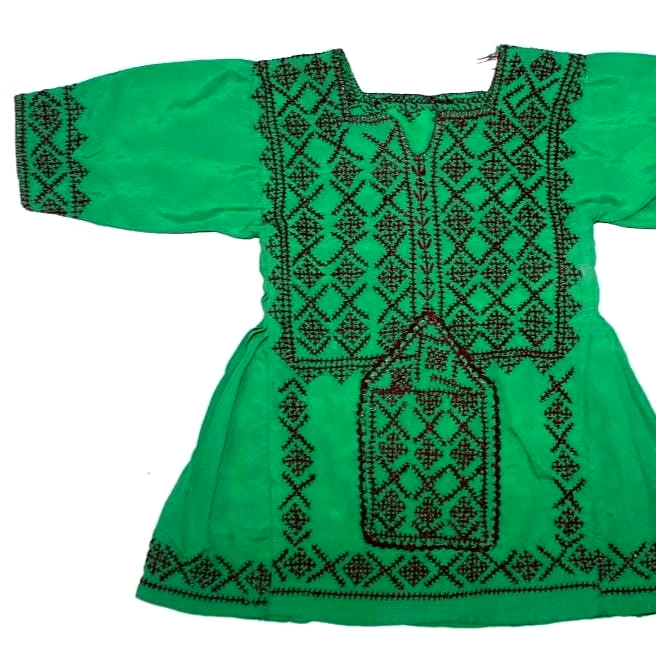
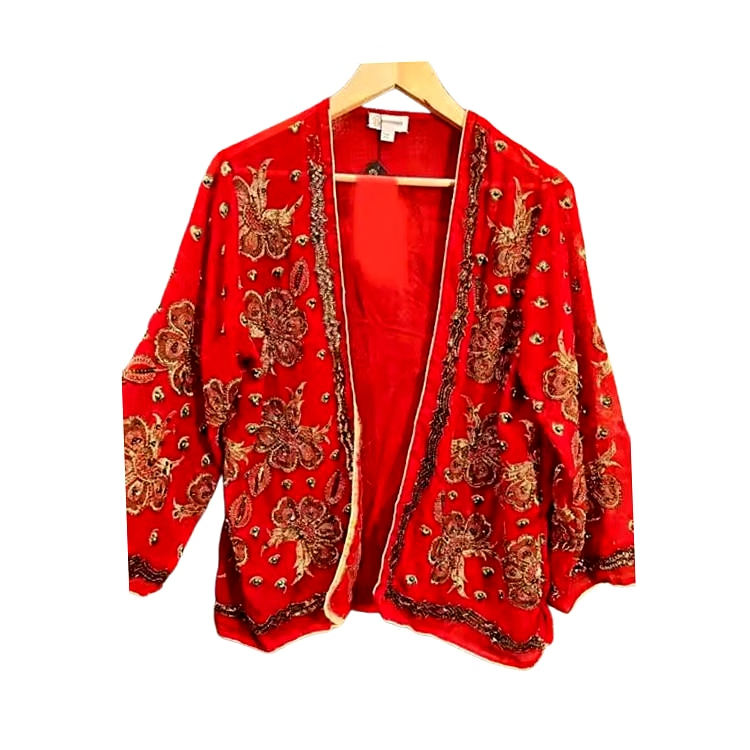
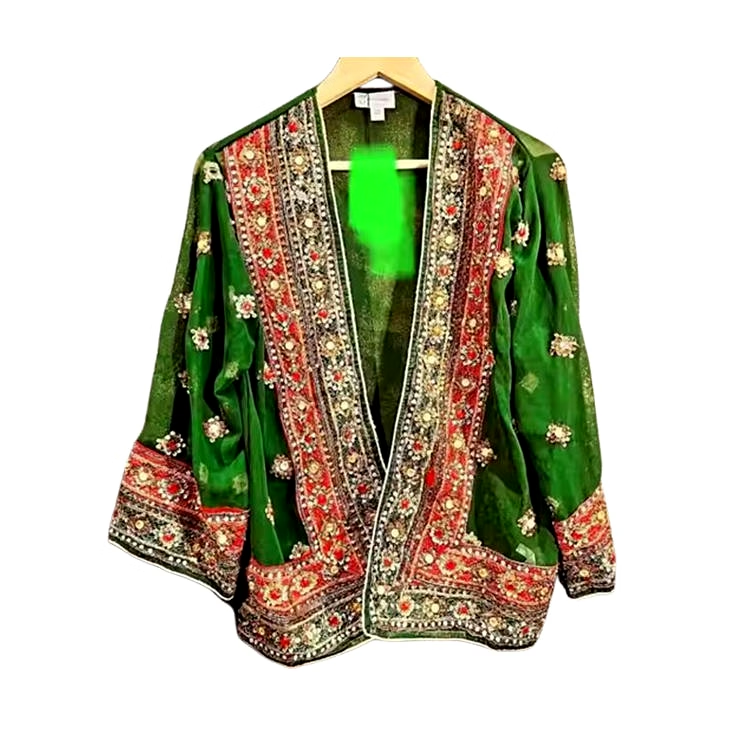
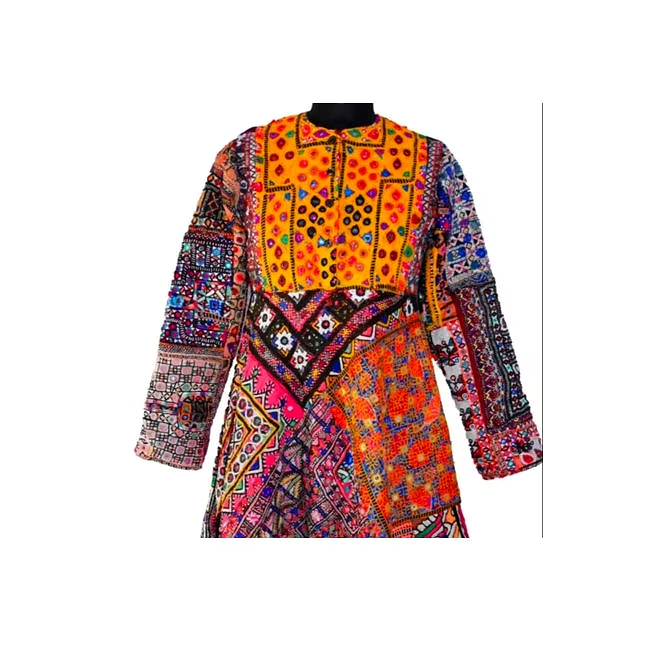
Intricate hand-embroidered floral and geometric patterns typical of Afghani Banjara culture
Decorative glass beads applied by artisans ensuring durability and shine
High-quality fabric combined with securely attached glass bead embellishments
Suitable for kids’ festive wear, boutique collections, and special occasions
Structured construction for long-lasting wear in children’s apparel
Factory finished with standardized sizing and packaging for global wholesale
1 piece to support small and large scale buyers
Vintage Afghani Banjara with bohemian fashion influences
International B2B buyers of kids’ fashion apparel
Specifications
Product Type
Kids Embroidered Dress
Primary Material
Fabric with glass bead embroidery
Craft Technique
Hand embroidery and hand-applied beading
Color
Varies per batch, predominantly vibrant vintage tones
Sizing
Standard kids sizing for wholesale market
Intended Use
Boutique, festive, and special occasion fashion
Supply Type
Bulk and wholesale
Finish
Export and retail ready


 FIEO Registered
Export Ready
FIEO Registered
Export Ready