Product Composition & Structure
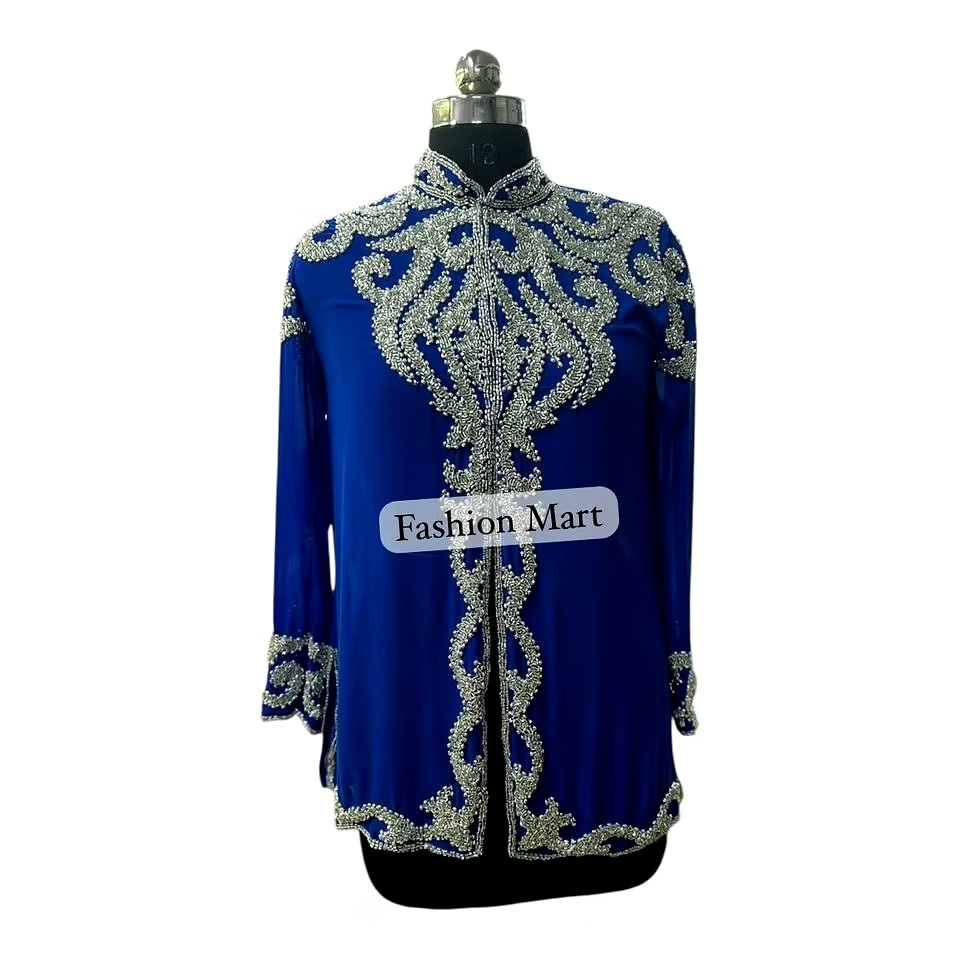
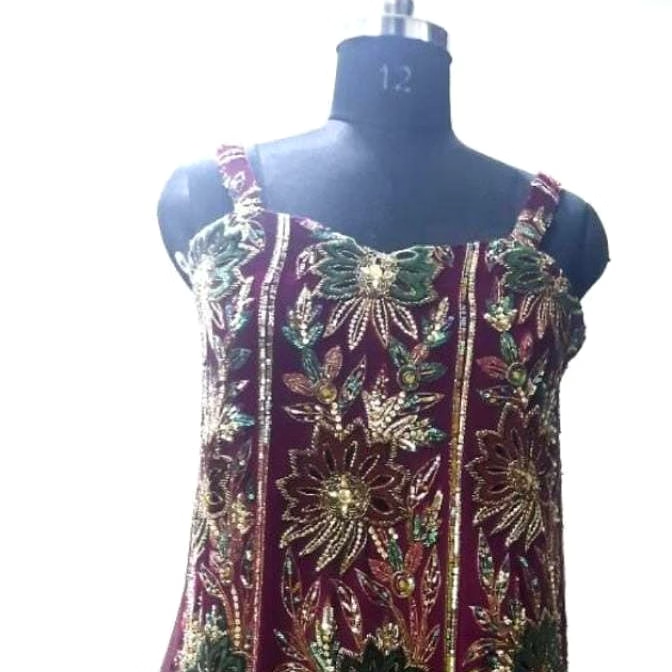
The gold embroidered kaftan pairs a flowing base fabric—commonly modal, viscose, or lightweight silk blend—with metallic-thread embroidery. To preserve fluidity, embroidery areas are backed with a low-profile interfacing that stabilizes stitches without adding noticeable stiffness. Hem and neckline finishes use reinforced stitching to accommodate handling and wear.
Functional Performance & Operational Efficiency
Kaftan construction provides forgiving fit and simplifies size-set planning, but embroidery placement must be controlled to avoid altering fall. For efficiency, digitized embroidery files and sample approval reduce iteration. Specify wash and care instructions compatible with metallic threads to avoid tarnishing or thread damage.
Processing Insight
Embroidery on delicate fabrics requires needle and tension selection reviews during sampling. Production sequencing usually places kaftan embroidery before final assembly to simplify handling. Buyers should include stitch integrity and wash-cycle checks in their QC checklist to prevent post-production surprises.
Application & Industry Deployment
Distributor restock
Buyer role: merchant managing seasonal eveningwear. Constraint: preserving motif placement and wash stability. Outcome: master samples and lot-marked cartons maintain consistent presentation on reorders.
Retail chain stocking
Buyer role: retail buyer assigning floor space. Constraint: packaging and hanger presentation for premium fixtures. Outcome: hanger-ready packing or boxed presentation to meet fixture expectations.
Seasonal distribution planning
Buyer role: seasonal planner coordinating launches. Constraint: embroidery lead-time and careful handling. Outcome: staggered deliveries and prioritized finishing slots to meet delivery timelines.
Differentiation Hook
This kaftan emphasizes minimal-profile backing under embroidery to keep the garment's fluidity while ensuring stitch stability under handling.
Frequently Asked Questions
- What minimum order quantities apply to gold embroidered boho kaftans? Typical MOQ guidance for kaftans is 30 units per design; MOQ can vary with requested backing, beadwork, and private-label packaging.
- How do embroidery and hand-beading affect kaftan pricing? Costs increase with stitch-count, metallic thread usage and beadwork complexity. Fabric sensitivity and required backing also influence unit price.
- Can you provide compliance or quality documentation for embroidered kaftans? Certificate downloads such as IEC export license and GST registration certificate are available; fabric and wash-test results can be provided per batch on request.
- What are the packaging and delivery options for bulk kaftan shipments? Options include hanger-ready packing, boxed presentation, and cartonized bulk shipments. Delivery timing is confirmed post-sample approval based on embroidery workload.
Description provided by Fashion Mart.
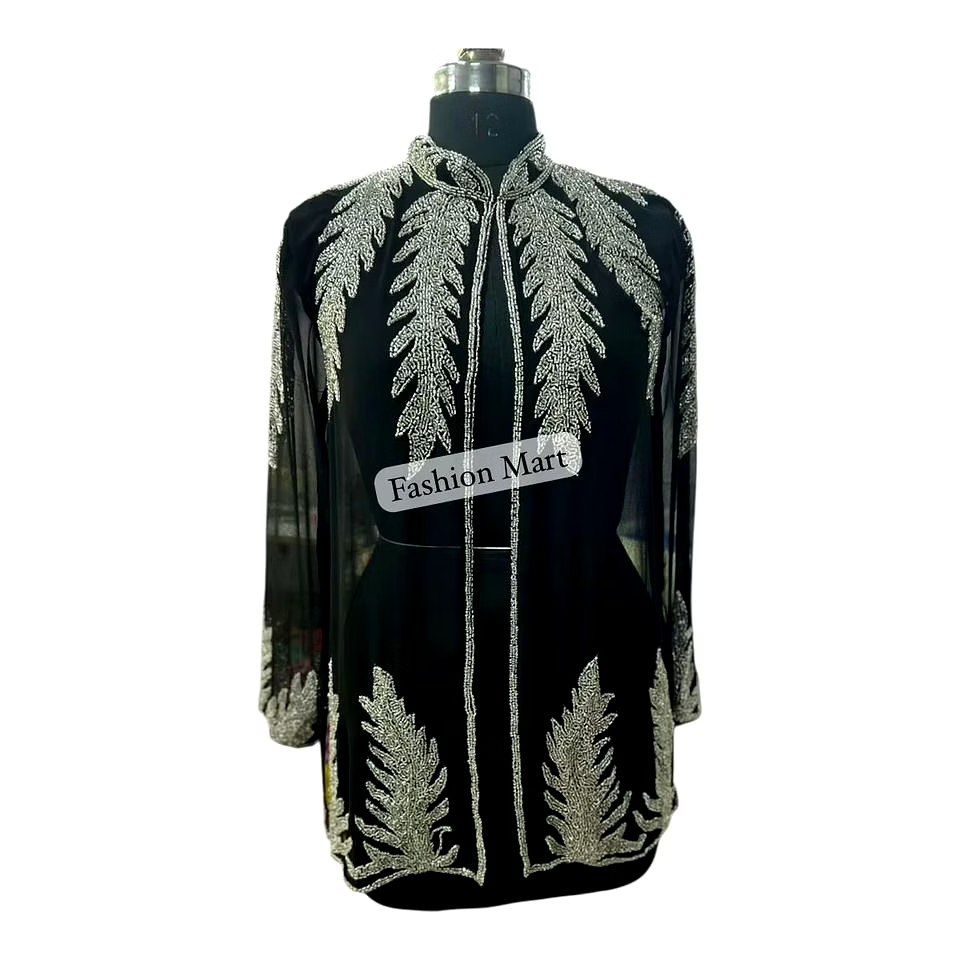
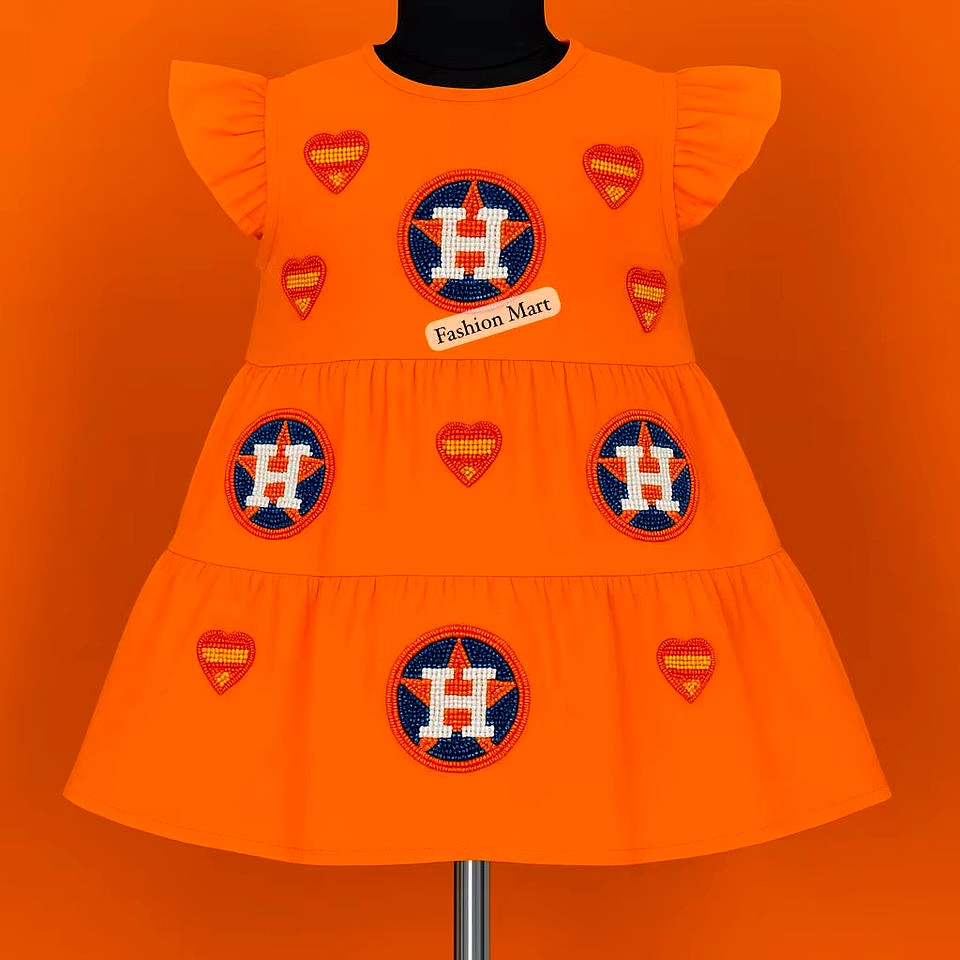
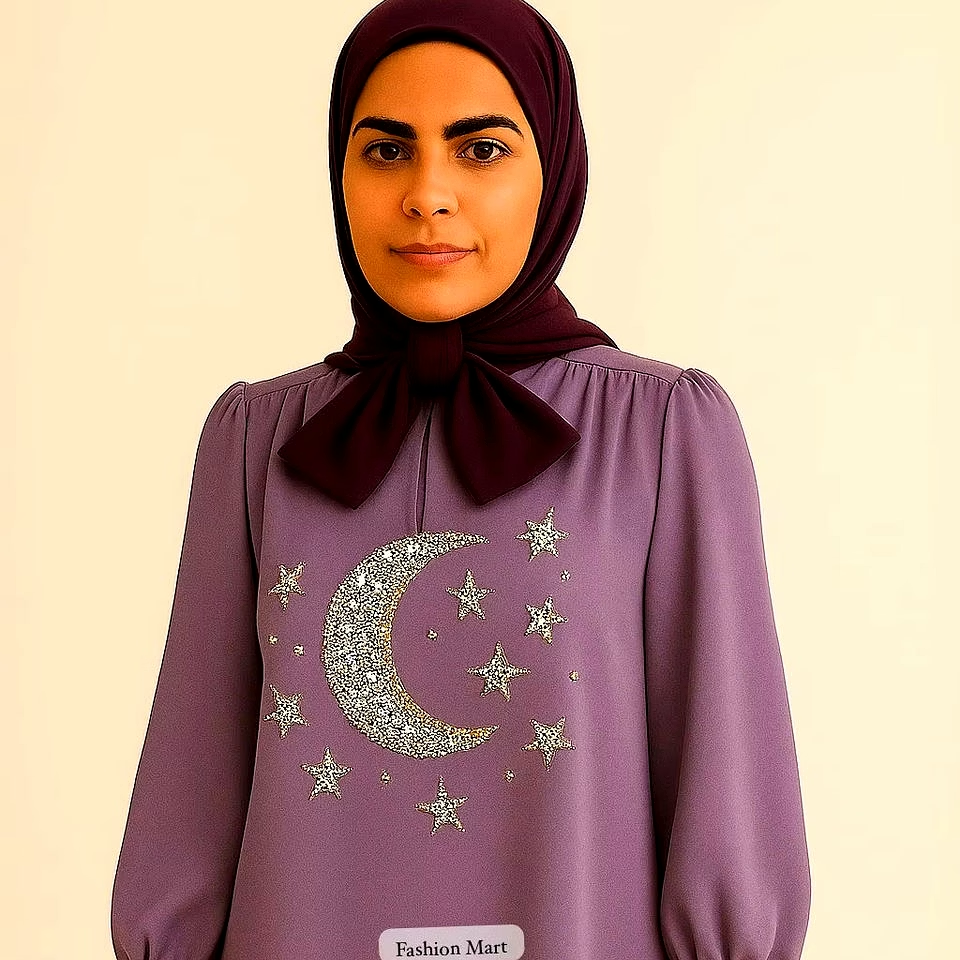
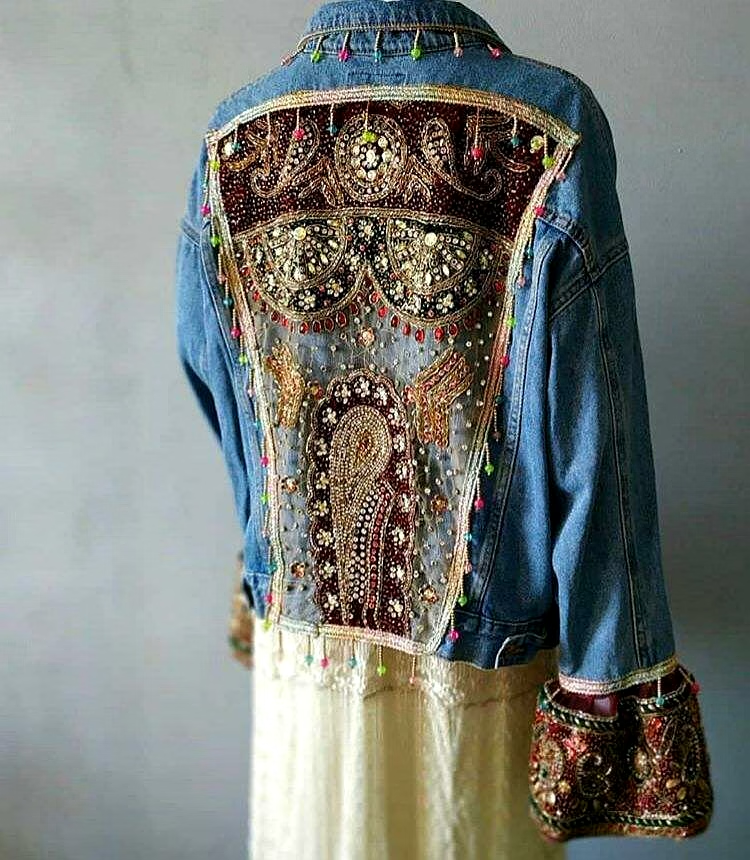
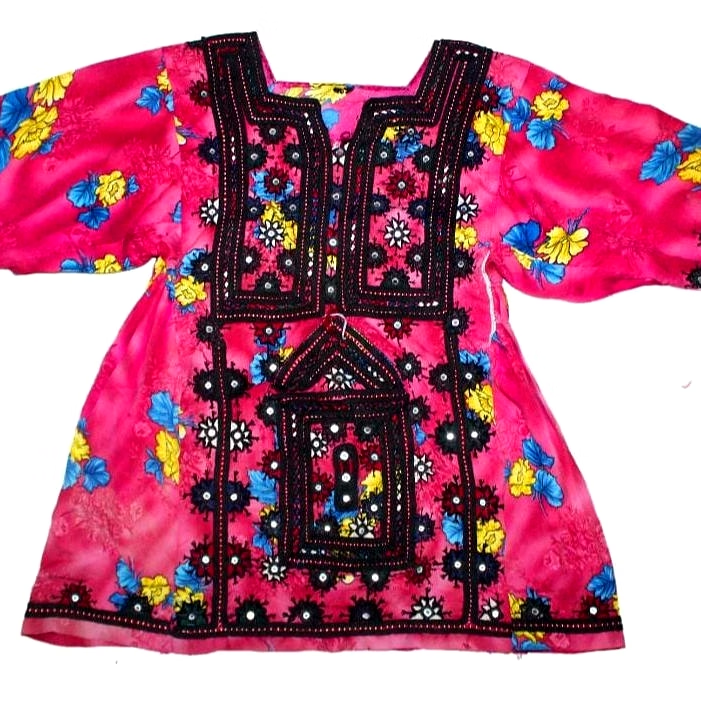
Intricately hand-beaded glass beads and sequins for premium decorative appeal
Crafted with sustainable and environmentally-conscious textile processes
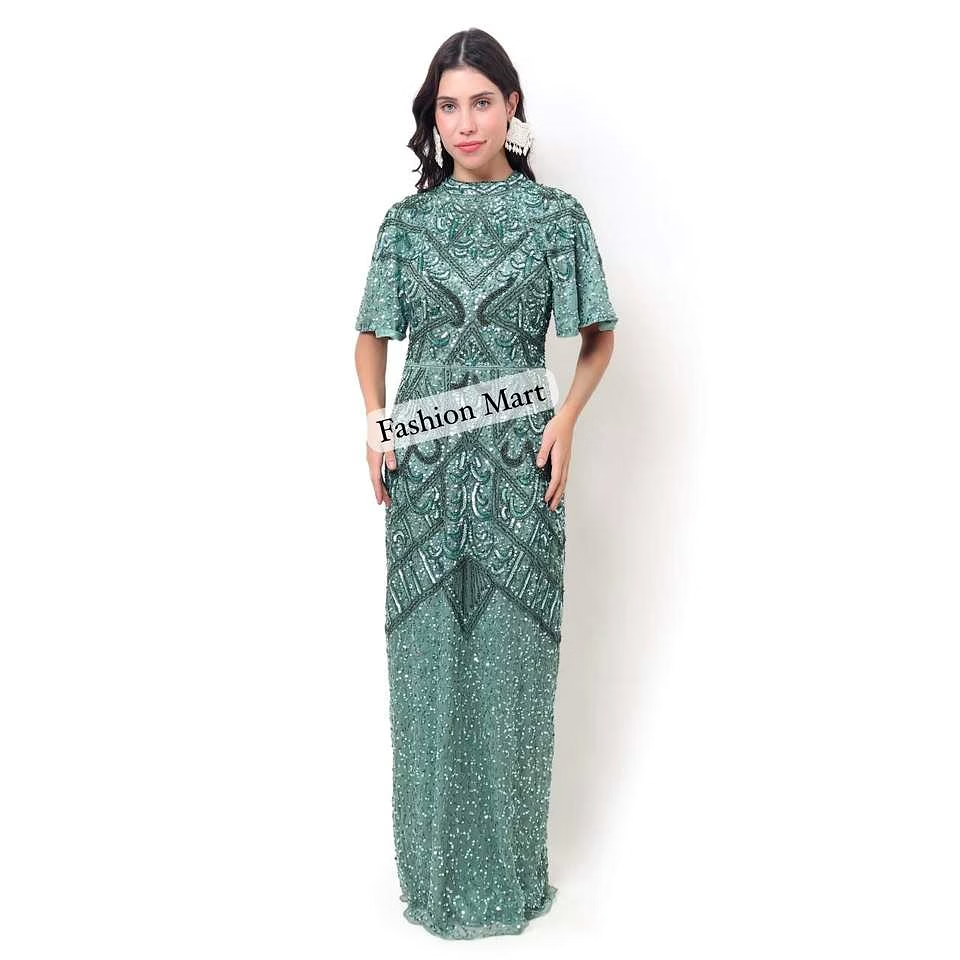
Bohemian maxi kaftan with gold embroidery suited for evening and festive wear
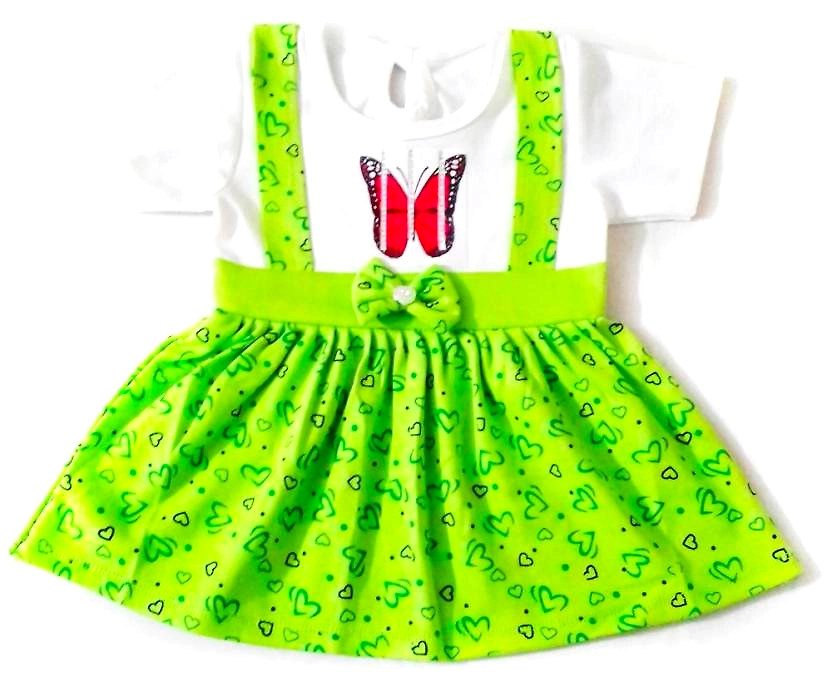
Ideal for kids' boutique collections, special occasions, and festive events
Secure bead attachment ensuring durability during wear and handling
Standardized sizing with export-ready packaging supporting wholesale orders
Produced by Fashion Mart for consistent international quality
Designed specifically for export and international B2B distribution
Specifications
Material
Glass Beads, Sequins, Eco-Friendly Fabric
End Use
Kids Fashion Apparel
Supply Type
Bulk and Wholesale
Styling
Bohemian Embroidered Maxi Kaftan
Embellishments
Hand-Beaded Glass Beads, Sequined Buttons
Sizing
Standardized for Export Markets
Packaging
Wholesale and Export Ready