1/2
Export Ready

Ejector Pins

Sold by forge & foundry · Service Provider , Retailer, Brand Owner, Distributor, Exporter, Wholesaler · Chhatrapati Sambhaji Nagar

Price
Price on request
In stock
Inclusive of all taxes
Minimum order: 1 Unit

Export Snapshot

MOQ
1 Unit
Lead time
On request
Packaging
Standard export packaging
Shelf life / longevity
As per product specification
HS Code
On request
Origin
India
Port of dispatch
On request
Export markets served
Global markets
Values shown are for forge & foundry.
Compliance & Certifications
Suitable for

Importers · Distributors · Wholesalers

Know your supplier

forge & foundry is a Service Provider , Retailer, Brand Owner, Distributor, Exporter, Wholesaler based in Chhatrapati Sambhaji Nagar .

Chhatrapati Sambhaji Nagar Dispatch on request Verified seller
forge & foundry logo

Service Provider , Retailer, Brand Owner, Distributor, Exporter, Wholesaler · Chhatrapati Sambhaji Nagar

Registered address: Chhatrapati Sambhaji Nagar, India. Industry: Metals, Minerals & Resources > Metals, Metal Products & Alloys.

Established
Not shared
Employees
GST
NOT SHARED
IEC code
Not shared
Export markets
Global markets
GlobalLinker Member Since
Jul 2025
Turnover
Incorporation Type
On request
Product details

What are the specifications of this product?

Overview

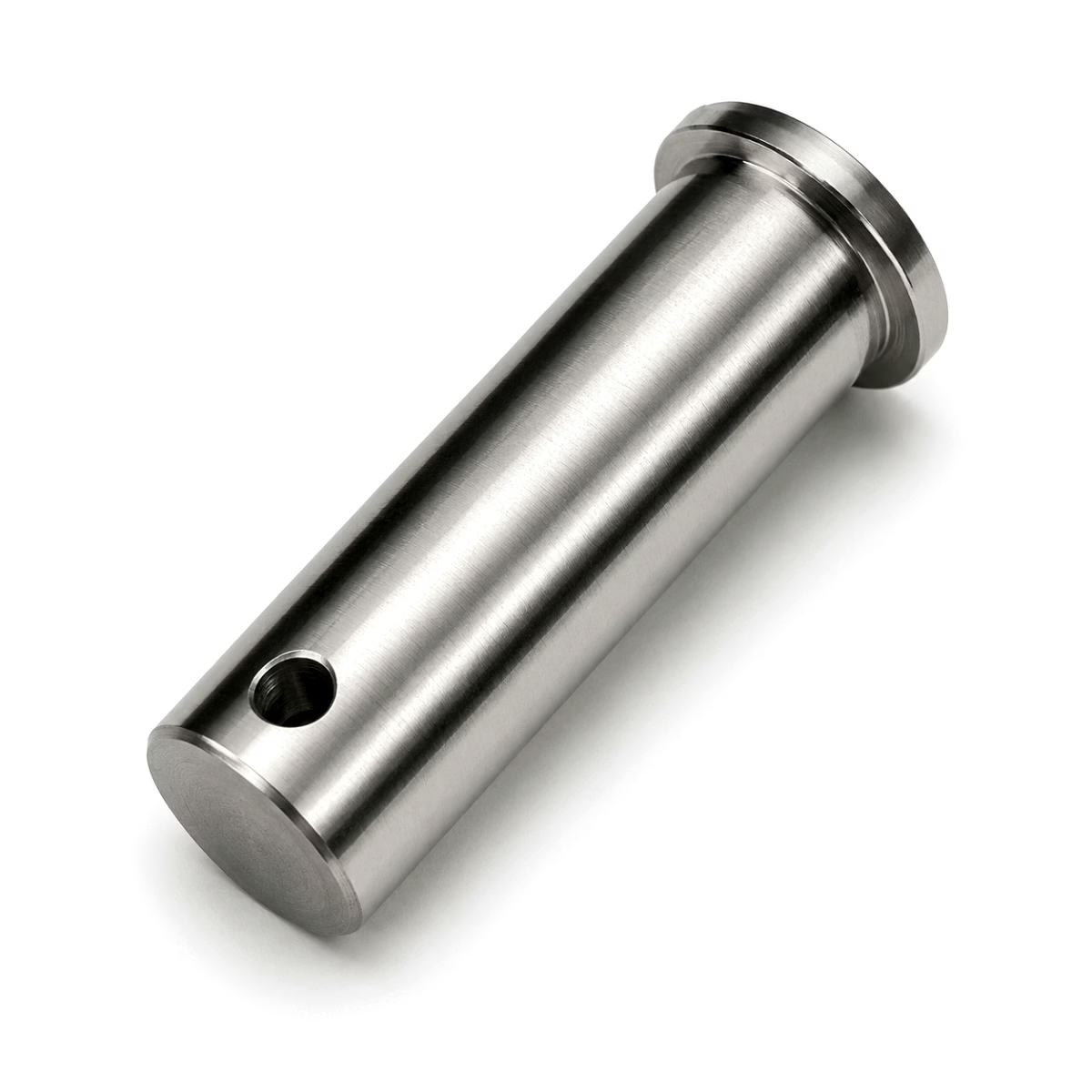
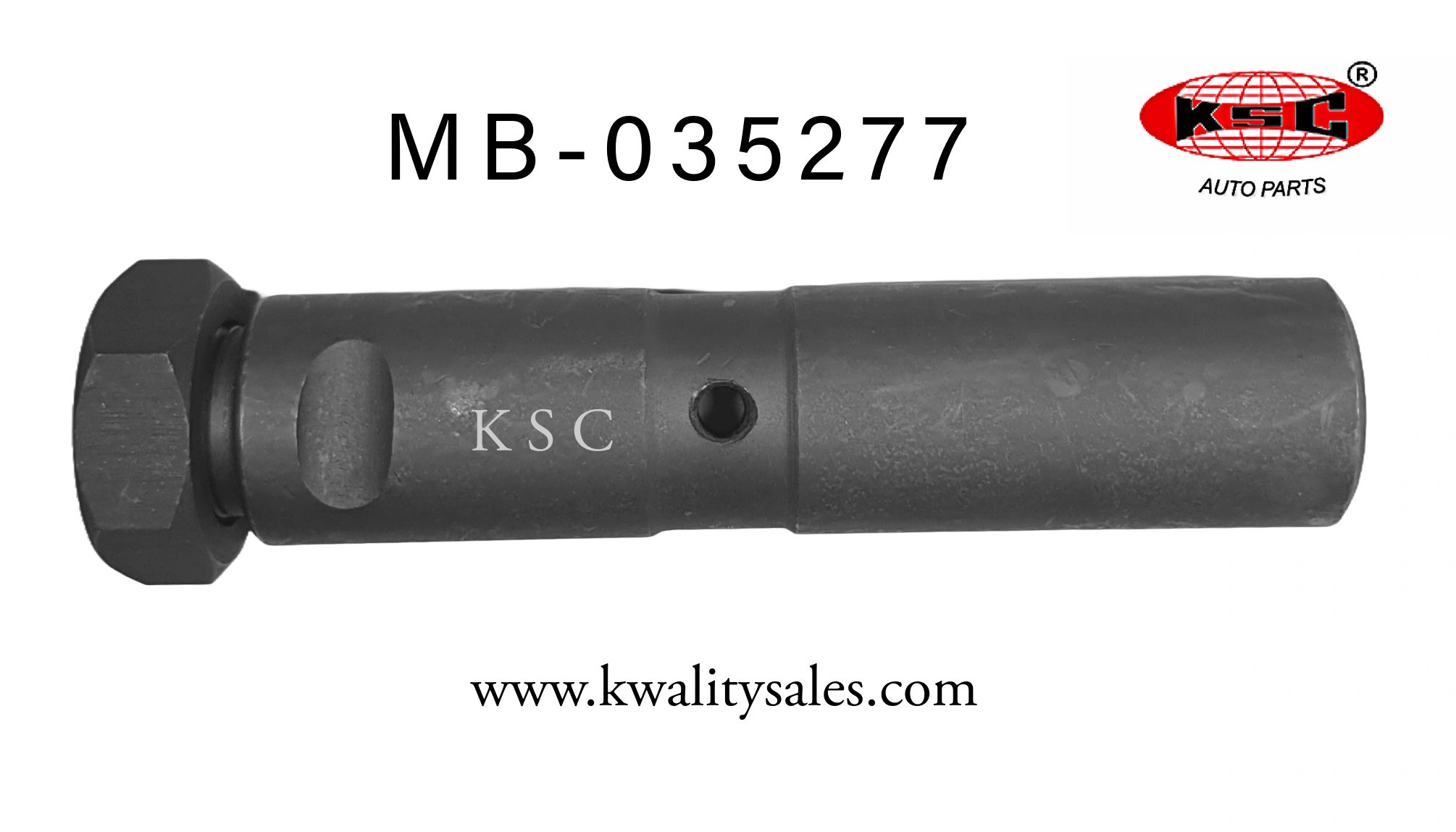
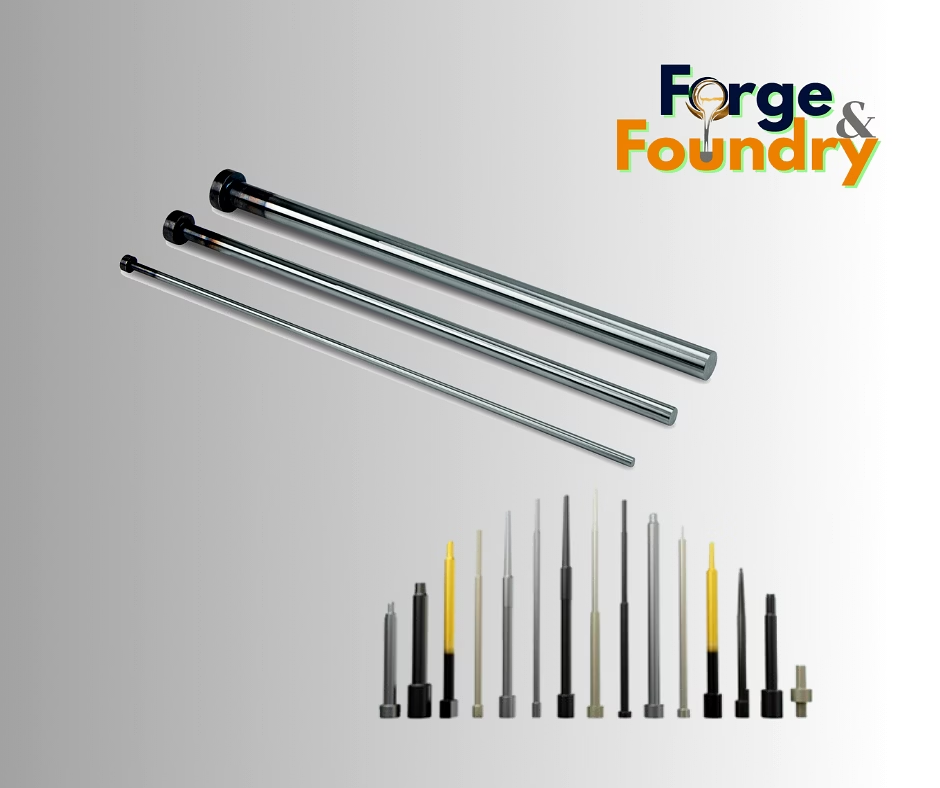
Ejector pins are crucial components in both forging and foundry (die and mould) operations, facilitating the removal of finished parts from the mold cavity after the material has solidified. These pins apply a precise force to push the product out, ensuring a smooth and undamaged ejection process. Their design and placement are critical to prevent defects like part deformation or visible marks on the final product. Forge and Foundry utilizes various types of ejector pins, each tailored to specific part geometries and material characteristics. Common types of ejector pins include straight ejector pins for simple parts, stepped ejector pins for multi-level ejection on complex geometries, and blade ejector pins for thin-walled or intricate designs. Ejector sleeves, which are hollow pins with an inner core, are also employed for delicate parts requiring controlled ejection and enhanced durability. The material selection for these pins is paramount, as they must withstand high temperatures, immense pressure, and repetitive cycles. Typical materials include high-strength hardened steels like H13 and SKD61, often undergoing surface treatments such as nitriding or black oxide coating for increased wear resistance, hardness, and self-lubricating properties. Stainless steel is used for applications requiring corrosion resistance, while specialized materials like Beryllium Copper and Tungsten Carbide are chosen for extremely demanding or high-temperature environments.

Product Description

Ejector pins are crucial components in both forging and foundry (die and mould) operations, facilitating the removal of finished parts from the mold cavity after the material has solidified. These pins apply a precise force to push the product out, ensuring a smooth and undamaged ejection process. Their design and placement are critical to prevent defects like part deformation or visible marks on the final product. Forge and Foundry utilizes various types of ejector pins, each tailored to specific part geometries and material characteristics.

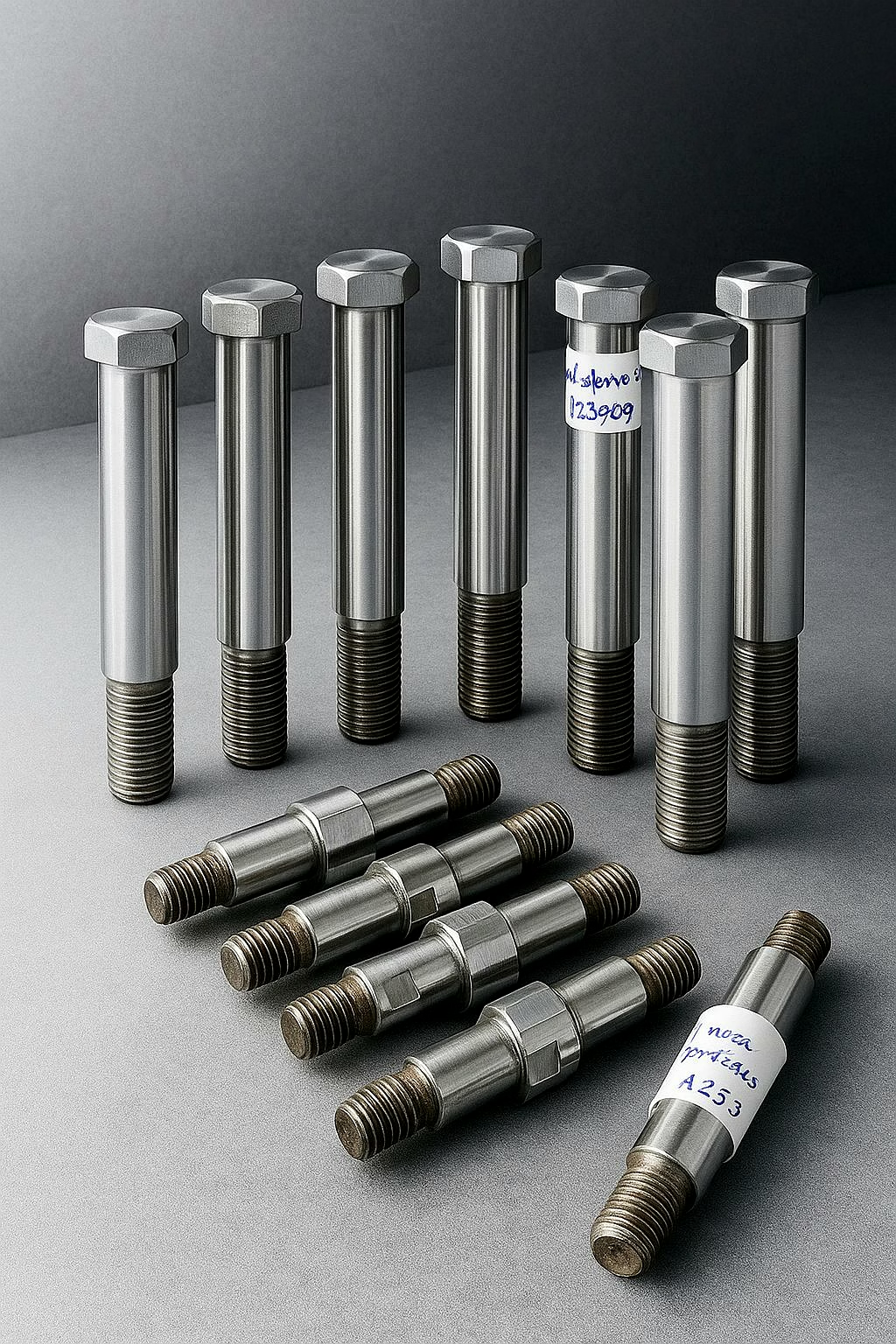
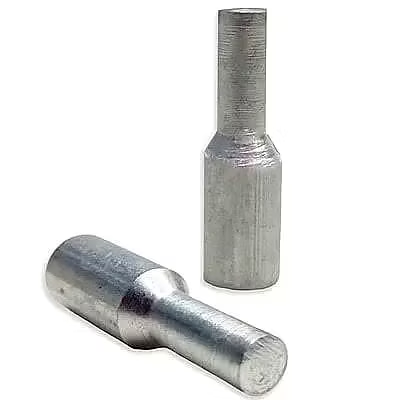
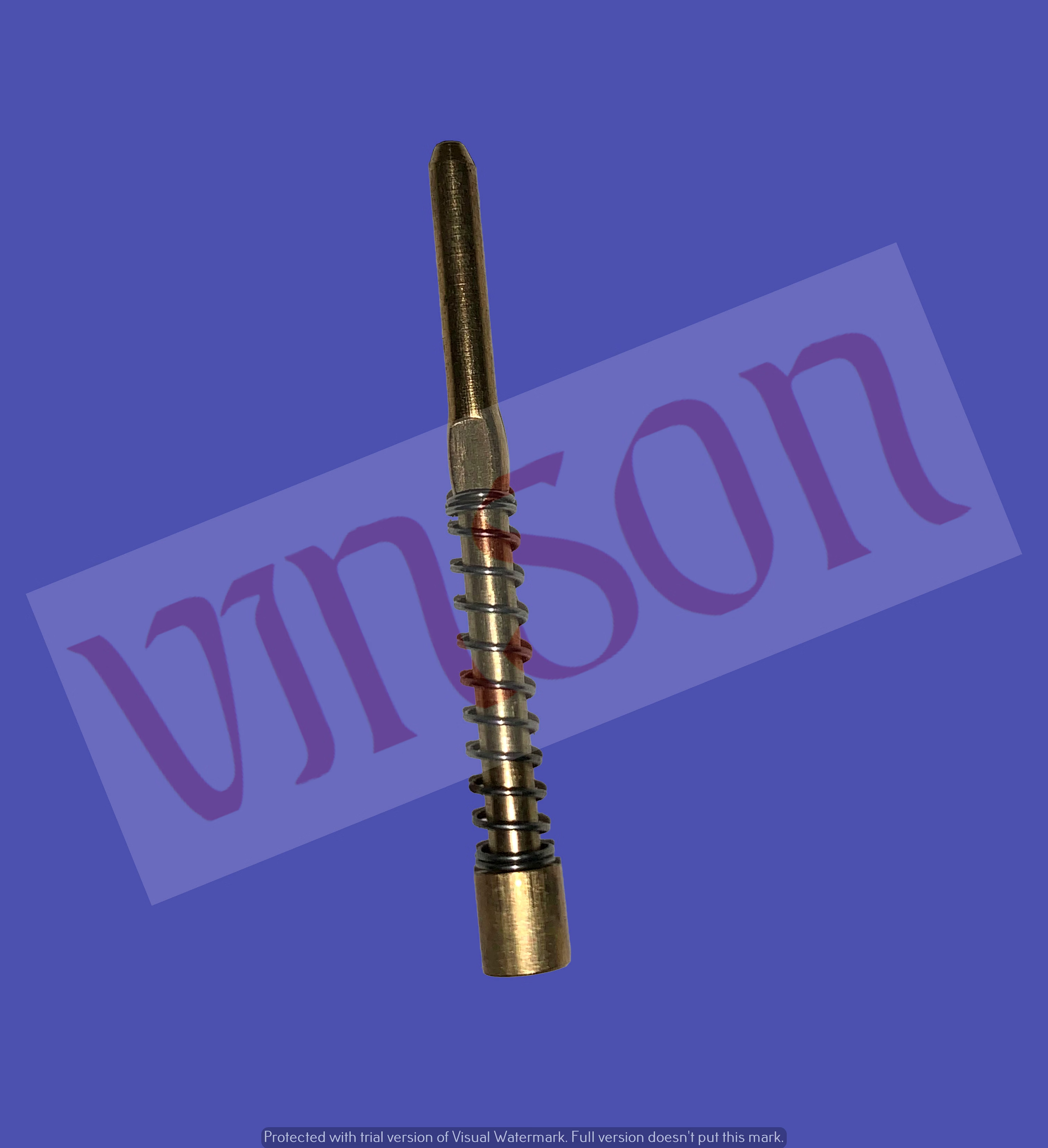
Common types of ejector pins include straight ejector pins for simple parts, stepped ejector pins for multi-level ejection on complex geometries, and blade ejector pins for thin-walled or intricate designs. Ejector sleeves, which are hollow pins with an inner core, are also employed for delicate parts requiring controlled ejection and enhanced durability. The material selection for these pins is paramount, as they must withstand high temperatures, immense pressure, and repetitive cycles. Typical materials include high-strength hardened steels like H13 and SKD61, often undergoing surface treatments such as nitriding or black oxide coating for increased wear resistance, hardness, and self-lubricating properties. Stainless steel is used for applications requiring corrosion resistance, while specialized materials like Beryllium Copper and Tungsten Carbide are chosen for extremely demanding or high-temperature environments.

Description provided by forge & foundry.

Specifications

Material Grades H13, SKD61, Stainless Steel, Beryllium Copper, Tungsten Carbide
Pin Types Straight, Stepped, Blade, Sleeve
Surface Treatment Nitriding, Black oxide coating
Temperature Resistance Suitable for high-temperature forging and casting applications
Pressure Resistance Designed to withstand high mechanical pressures during ejection
Length Range Customizable per application requirements
Diameter Range Varies to match mold cavity and part design
Application Environment Foundry and forging mold operations
Corrosion Resistance Available in stainless steel options for corrosive environments
Special Features Self-lubricating surfaces via treated coatings

Use cases

Category Industrial Forging & Foundry Tooling > Die & Mold Components > Ejector Pins
Primary application Wholesale, distribution, and international sourcing
Brand Not specified
Product type Product

Logistics & handling

Lead time On request
Packaging As per buyer requirement
Storage condition As recommended by supplier
Origin India
Form As listed by supplier

Commercials (this seller)

Minimum order 1 Unit
Lead time On request
Payment terms As per negotiated commercial agreement.
Checkout type enquiry
Buyer questions

Frequently asked by buyers

Common questions B2B buyers ask before sourcing Ejector Pins. Answers compiled from verified sellers' commercial terms and platform data.

Q: What materials are available for ejector pins to withstand high-temperature forging environments?
A: Ejector pins are commonly produced from high-strength hardened steels like H13 and SKD61 due to their excellent heat resistance and durability. For more demanding high-temperature applications, materials like Beryllium Copper and Tungsten Carbide are used.
Q: How do stepped ejector pins differ from straight ejector pins?
A: Stepped ejector pins feature multiple diameters or sections, allowing for controlled, multi-level ejection in complex mold geometries, whereas straight ejector pins have uniform diameter and are used for simpler part shapes.
Q: Why are surface treatments like nitriding applied to ejector pins?
A: Nitriding and black oxide coatings enhance ejector pins by increasing surface hardness, wear resistance, and providing self-lubricating properties, which extend tool life and improve ejection performance.
Q: In which scenarios are ejector sleeves preferred over standard ejector pins?
A: Ejector sleeves are hollow pins with inner cores used for delicate parts requiring controlled ejection forces and improved durability, especially in thin-walled or intricate molding applications.
Q: Can ejector pins be customized in size for specific mold designs?
A: Yes, ejector pins are customizable in both length and diameter to precisely fit various mold cavities and part geometries, ensuring optimal ejection without part damage.
Question not answered? Ask sellers directly — typical response within 4 hours.
Ejector Pins
Ejector Pins
Price on request · MOQ 1Unit