1/2
Export Ready

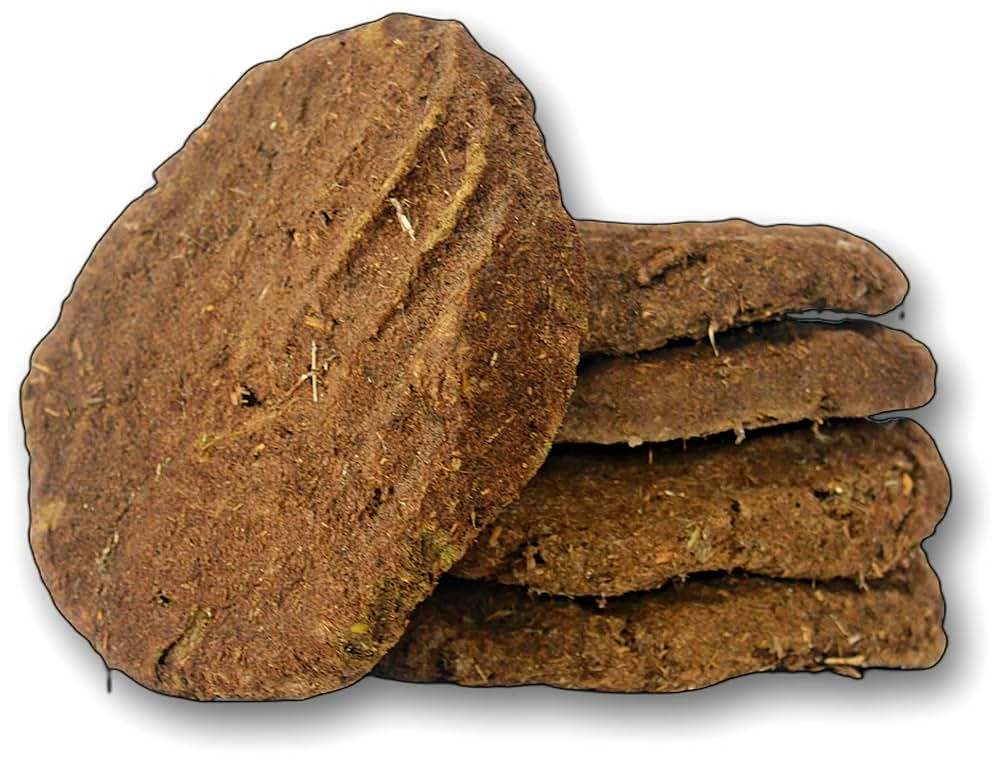
Cow Dung

Sold by rudrashakti exports · Manufacturer, Retailer, Brand Owner, Exporter, Wholesaler, Startup · Jaipura, Rajasthan, India

Price
Price on request
In stock
Minimum order: 100000 Unit

Export Snapshot

MOQ
100000 Unit
Lead time
On request
Packaging
Standard export packaging
Shelf life / longevity
As per product specification
HS Code
31010091
Origin
India
Port of dispatch
On request
Export markets served
Global markets
Values shown are for rudrashakti exports.
Compliance & Certifications
Suitable for

Importers · Distributors · Wholesalers

Know your supplier

rudrashakti exports is a Manufacturer, Retailer, Brand Owner, Exporter, Wholesaler, Startup based in Jaipura Rajasthan India.

Jaipura Dispatch on request Verified seller
rudrashakti exports logo

Manufacturer, Retailer, Brand Owner, Exporter, Wholesaler, Startup · Jaipura, Rajasthan, India

Registered address: Jaipura, India. Industry: Agriculture & Agri Products > Agri Produce & Finished Products.

Established
Not shared
Employees
GST
08ABMFR4050Q1ZI
IEC code
Not shared
Export markets
Global markets
GlobalLinker Member Since
Jan 2026
Turnover
Incorporation Type
On request
Product details

What are the specifications of this product?

Overview

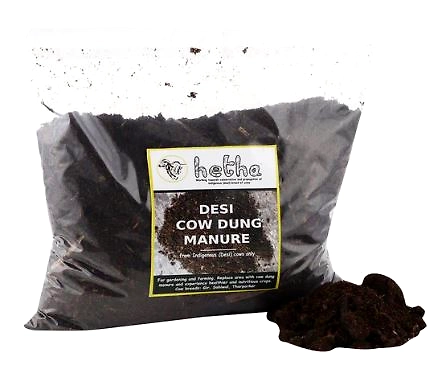
Cow dung is a nutrient-rich, organic byproduct used extensively for its fertilizing, antimicrobial, and energy-producing properties in agriculture, traditional medicine, and sustainable industries.

Product Description

Processing and Forms

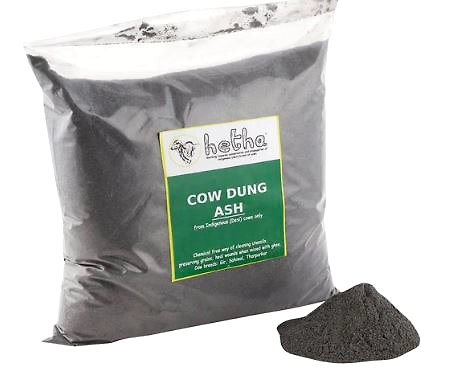
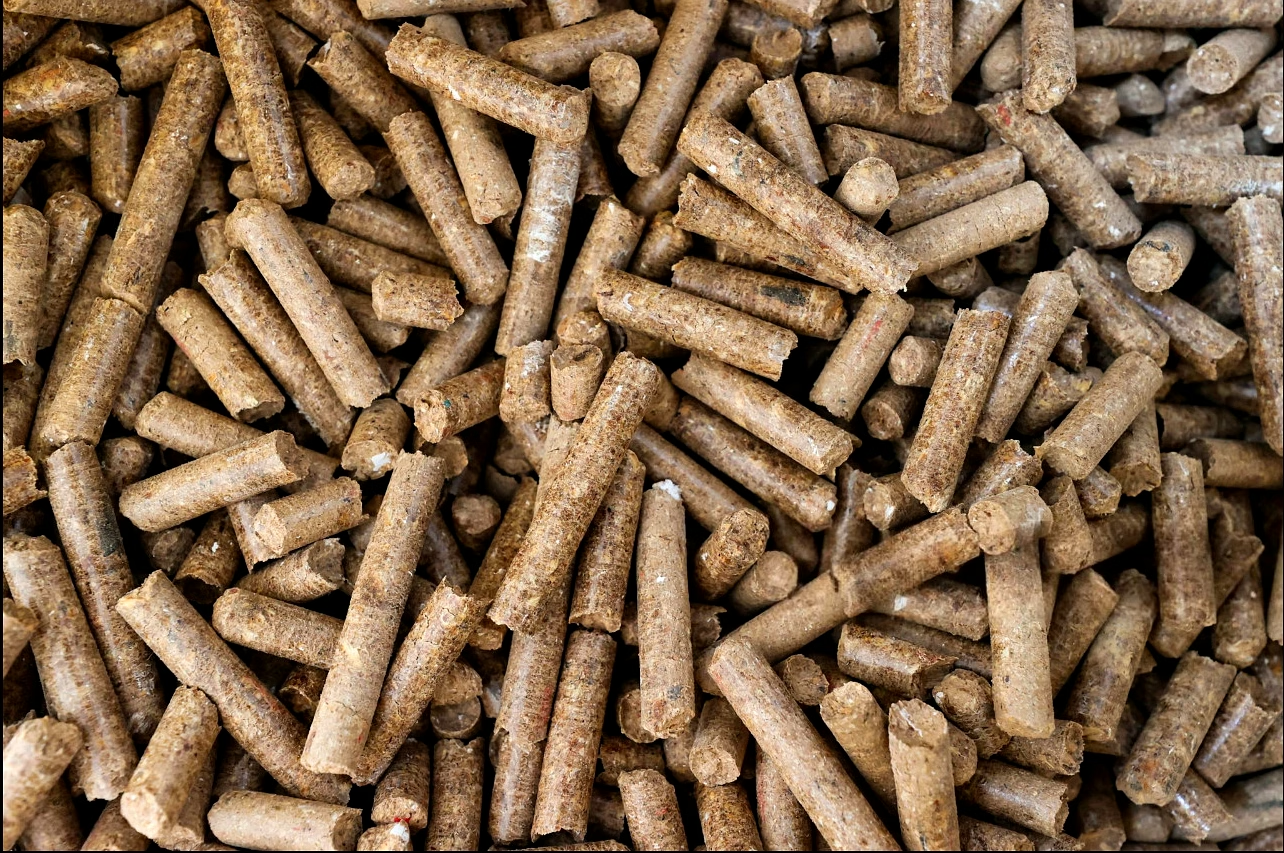
The refinement process involves natural decomposition, solar drying, or anaerobic digestion to isolate beneficial components from the raw material. Cow dung can be found in various forms, including:

  • Liquid Slurries: Used as rapid-acting bio-fertilizers.

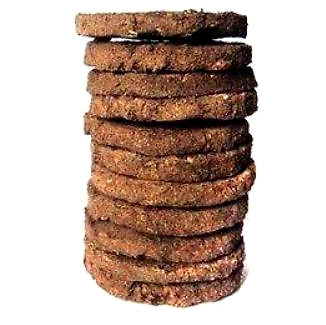
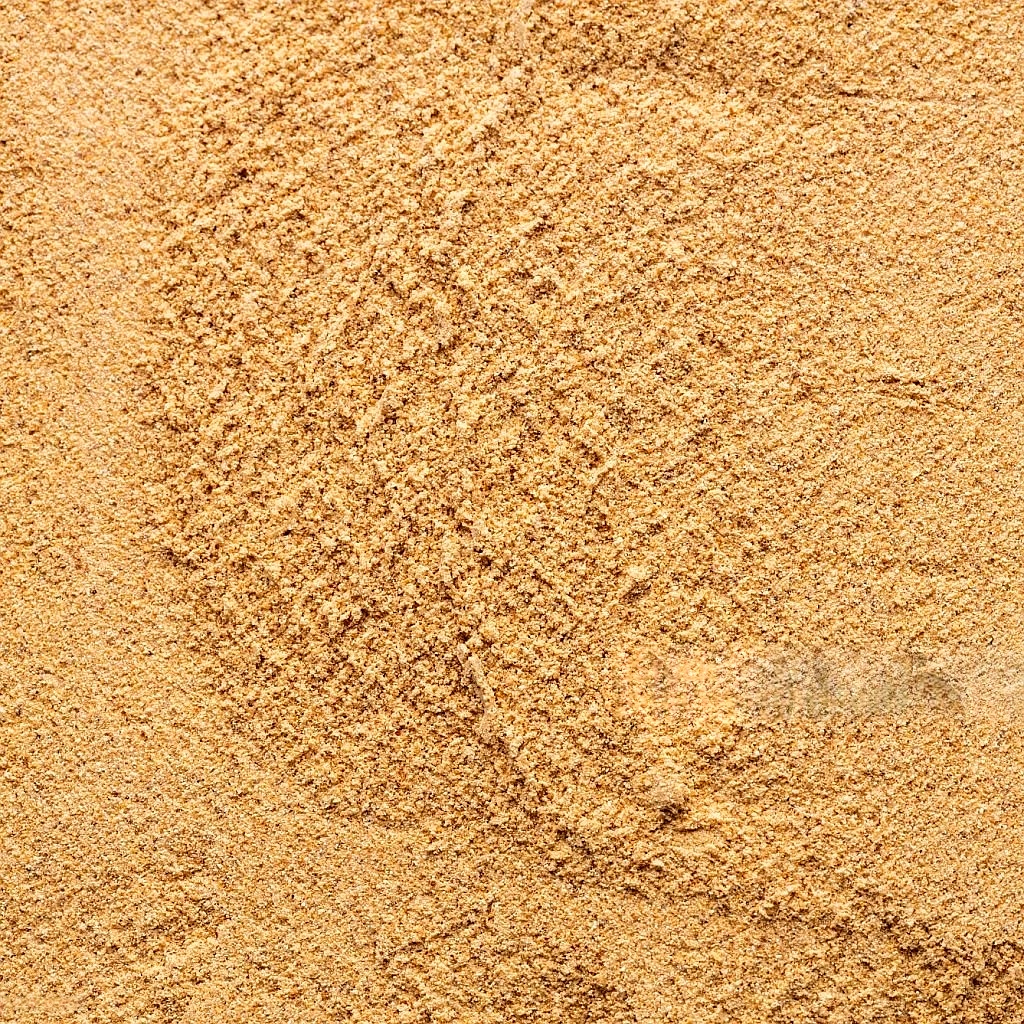
  • Dried Cakes/Powders: Used primarily for fuel or soil conditioning.

  • Pressed Bricks: Used in sustainable building and insulation.

Functional Properties

Cow dung is recognized for its diverse functional properties, which include antiseptic, fertilizing, and heat-insulating effects, depending on the diet of the cattle and the processing method used.

Common Examples of Use:

  • Biogas: For clean energy and electricity generation.

  • Panchgavya: A traditional bio-enhancer used for crop immunity and growth.

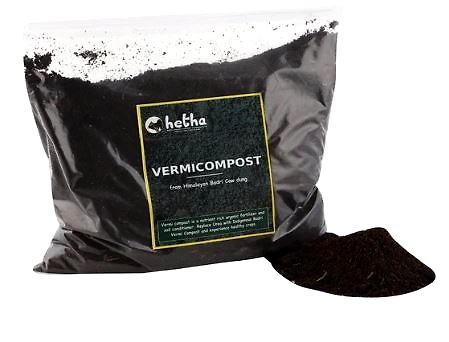
  • Vermicompost: Using earthworms to convert dung into high-grade "black gold" for gardening.

Description provided by rudrashakti exports.

Specifications

Source Cattle excrement from healthy cows
Moisture Content Varies with form - liquid slurries (high moisture), dried cakes (low moisture)
Nutrient Composition Contains NPK (Nitrogen, Phosphorus, Potassium) in balanced proportions
Processing Type Natural drying, aerobic or anaerobic treatments
Packaging Options Bulk, compressed bricks, powdered packs
Shelf Life Depends on processing and storage conditions; up to 1 year for dried forms
Use Environment Suitable for agricultural fields, biogas plants, and sustainable building sites

Use cases

Category Agricultural Inputs > Organic Fertilizers > Cow Dung
Primary application Wholesale, distribution, and international sourcing
Brand Not specified
Product type Product

Logistics & handling

Lead time On request
Packaging As per buyer requirement
Storage condition As recommended by supplier
Origin India
Form As listed by supplier

Commercials (this seller)

Minimum order 100000 Unit
Lead time On request
Payment terms As per negotiated commercial agreement.
Checkout type enquiry
Buyer questions

Frequently asked by buyers

Common questions B2B buyers ask before sourcing Cow Dung. Answers compiled from verified sellers' commercial terms and platform data.

Q: What are the advantages of using dried cow dung cakes over liquid slurry for fertilization?
A: Dried cow dung cakes have lower moisture content making them easier to store and handle, act as slow-release fertilizers, and are also used as bio-fuel, while liquid slurry acts as a rapid-acting bio-fertilizer but requires quick application due to high moisture.
Q: How does the processing method affect the nutrient content and usability of cow dung?
A: Natural decomposition and solar drying preserve most nutrients, making dung suitable for fertilization; anaerobic digestion enhances biogas yield but can reduce certain nutrients making the digestate more suited for energy production rather than direct soil application.
Q: Can cow dung be used directly for biogas production or does it require preprocessing?
A: Cow dung requires partial anaerobic digestion as preprocessing in biogas plants to convert organic matter into methane gas. Raw dung should be free from contaminants and of appropriate moisture content for optimal biogas yield.
Q: What quality control measures ensure the effectiveness of cow dung-based products?
A: Testing nutrient composition (NPK levels), moisture content, free from pathogens, heavy metals or chemical residues, and adherence to organic certification standards ensure product safety and effectiveness.
Q: Are cow dung forms suitable for export under standard packaging?
A: Yes, dried cow dung cakes and powdered forms can be packed in moisture-proof, airtight packaging suitable for export, while bulk liquid slurry is generally transported locally due to weight and spoilage risks.
Question not answered? Ask sellers directly — typical response within 4 hours.
Cow Dung
Cow Dung
Price on request · MOQ 100000Unit