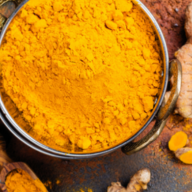
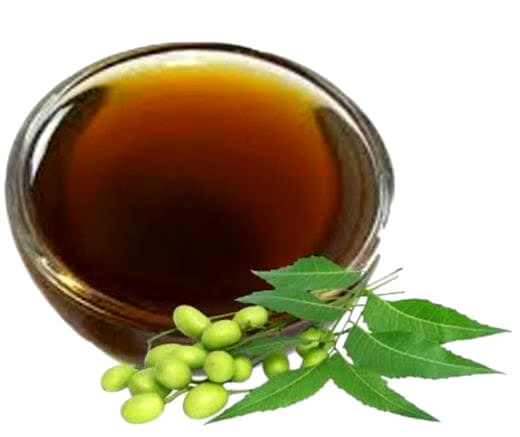
We present a spectacular array of Neem Kernel Oil. Neem kernel oil is obtained through kernel of neem seed by expeller. This range is perhaps the most important of the commercially available products of neem for organic farming and medicines. The offered neem oil has a complex mixture more than hundred biologically active compounds in organic form.
Most active compound in neem oil is azadirachtin. Azadirachtin further has been classified as azadirachtin A and B, out of which A is more active and is in abundance. The azadirachtin content of neem oil varies from 300 ppm to over 2500 ppm depending on the extraction technology and quality of the neem seeds crushed.
In India, it is used for preparing cosmetics and in ayurvedic, unani and folklore traditional medicine, in the treatment of a wide range of afflictions. Formulations made of neem oil also find wide usage as a bio-pesticide for organic farming, as it repels a wide variety of pests including the mealy bug, beet army-worm, aphids, the cabbage worm, thrips, white-flies, mites, fungus gnats, beetles, moth larvae, mushroom flies, leaf miners, caterpillars, locust, nematodes and the Japanese beetle. Neem oil is not known to be harmful to mammals, birds, earthworms or some beneficial insects such as butterflies, honeybees and ladybugs. It can be used as a household pesticide for ant, bedbug, cockroach, housefly, sand fly, snail, termite and mosquitoes. This range acts both as repellent and larvicide and also controls black spot, powdery mildew, anthracnose and rust.
Antifungal activity:- Extracts of neem leaf, neem oil seed kernels are effective against certain fungi including Trichophyton, epidermophyton, microspore trichosporon, geotricum and candida. Antibacterial activity: Oil from the leaves, seed and bark possessed a wide spectrum of antibacterial action against gram-negative and gram-positive micro-organisms, including m. tuberculosis and streptomycin resistant strains. Azadirachtin Isonimolicinolide Nimbonin Salanin Azadirone Nimbidinin Nimbin Azadiradione Vepinin Vn Meliantriol Meldenin Mahmoodi.
The azadirachtin content of neem oil varies from 300ppm to over 2500 ppm depending on the extraction technology and quality of the neem seeds crushed.
Average composition of neem oil fatty acids Common Name Acid Name Composition range Omega 6 Linoleic acid 6-16% Omega-9 Oleic acid 25-54% Palmitic acid Hexadecanoic acid 16-33% Stearic acid Octadecanoic acid 9-24% Omega-3 Alpha-linolenic acid Palmitoleic acid 9-Hexadecenoic acid.
Description provided by Mangalam Organics.
Azadirachtin (300-2500 ppm)
Organic farming bio-pesticide, medicinal, cosmetic
Effective against aphids, thrips, mealy bugs, caterpillars, termites, mosquitoes, and more
Non-toxic to mammals, birds, earthworms, honeybees, ladybugs
Effective against fungi (Trichophyton, Candida) & bacteria (including tuberculosis strains)
Specifications
Material
Cold Pressed Neem Kernel Oil
Azadirachtin Content
300 ppm to 2500 ppm
Fatty Acid Composition
Linoleic Acid 6-16%, Oleic Acid 25-54%, Palmitic Acid 16-33%, Stearic Acid 9-24%, Alpha-linolenic Acid (Omega-3)
Typical Uses
Organic pesticide, Ayurvedic and Unani medicines, cosmetic formulations
Shelf Life
Depends on storage; recommended cool and dark place
Storage
Store in airtight container, away from direct sunlight
Color
Dark to medium brown liquid
Odor
Characteristic neem oil aroma