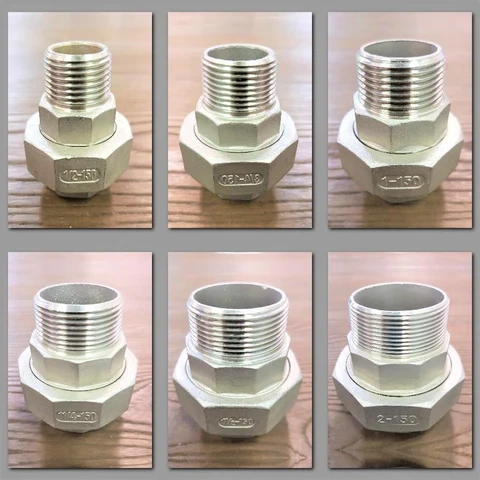
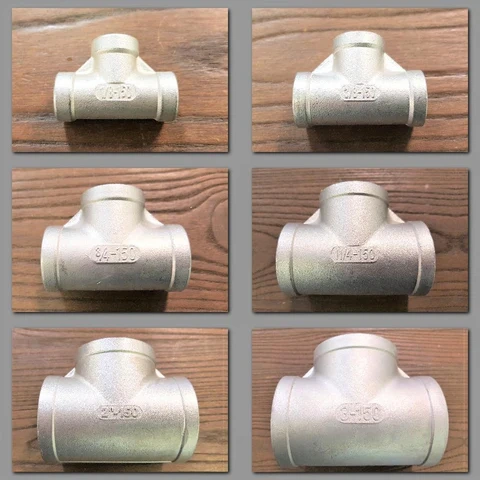
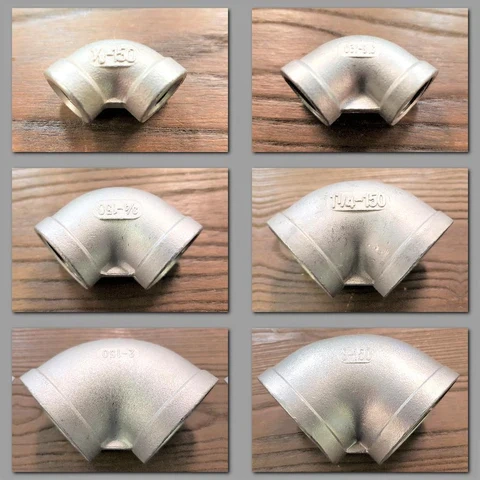
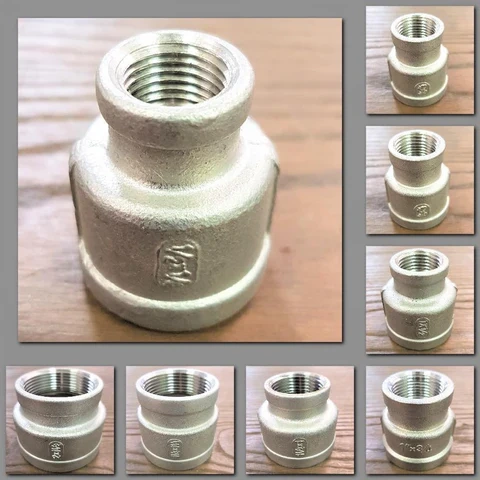
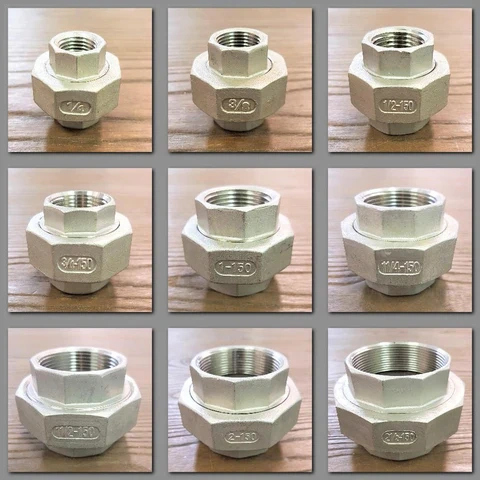
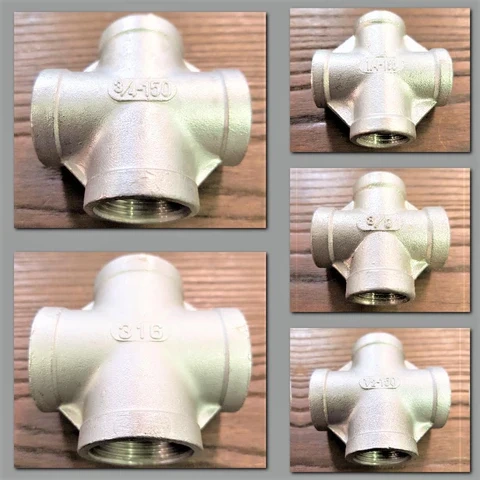
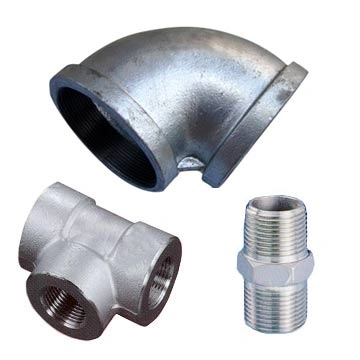
1/6
FIEO Registered FIEO Registered Export Ready

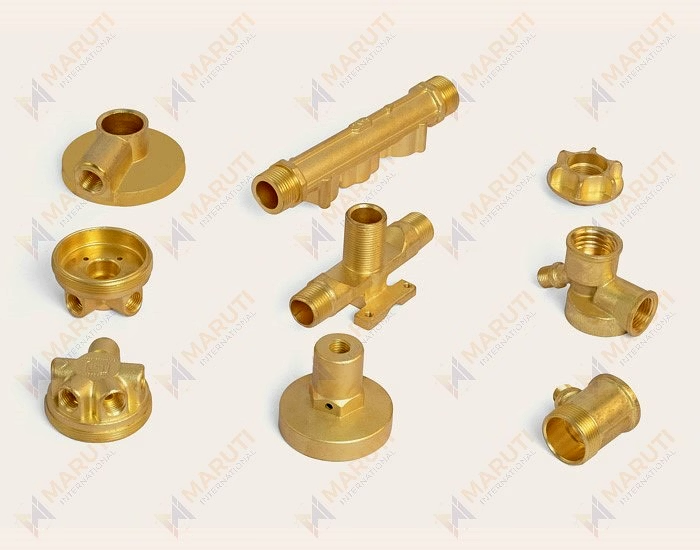
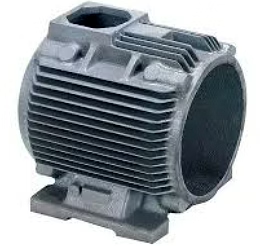
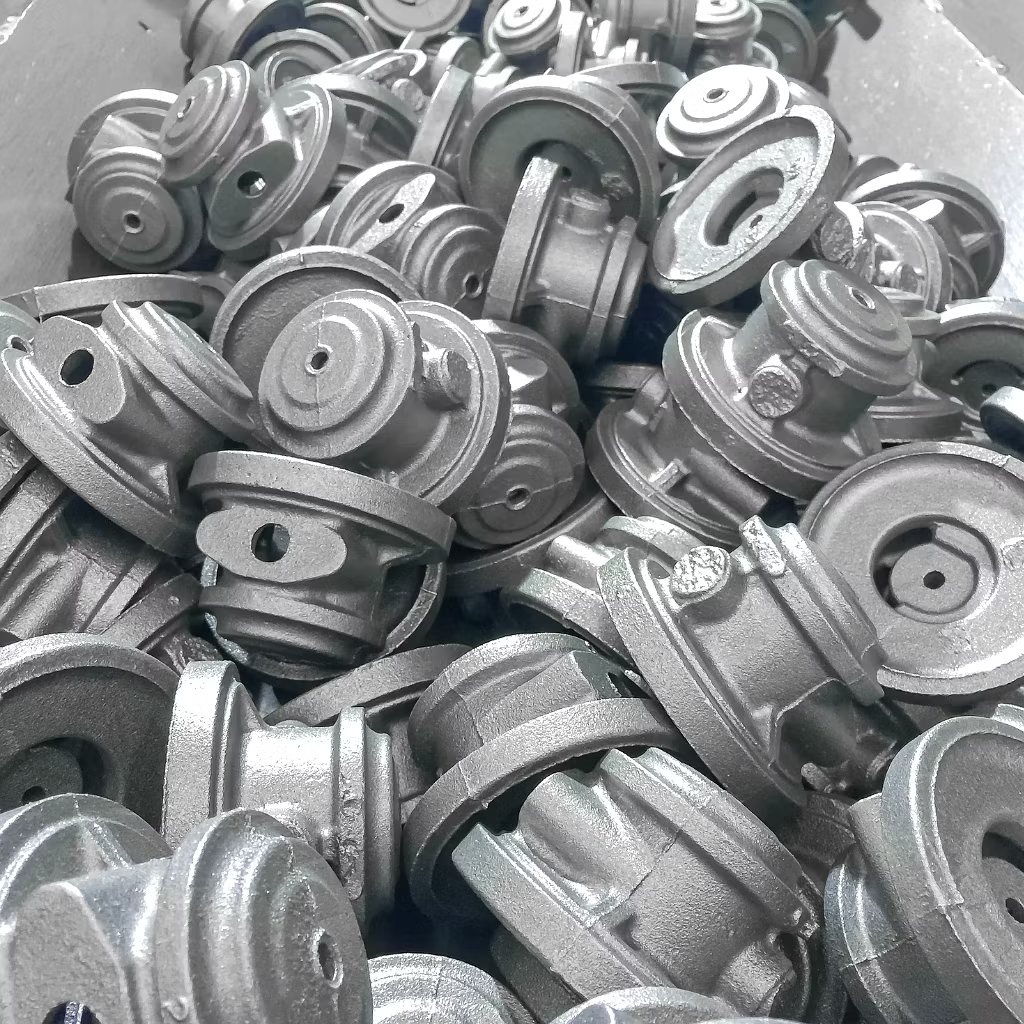
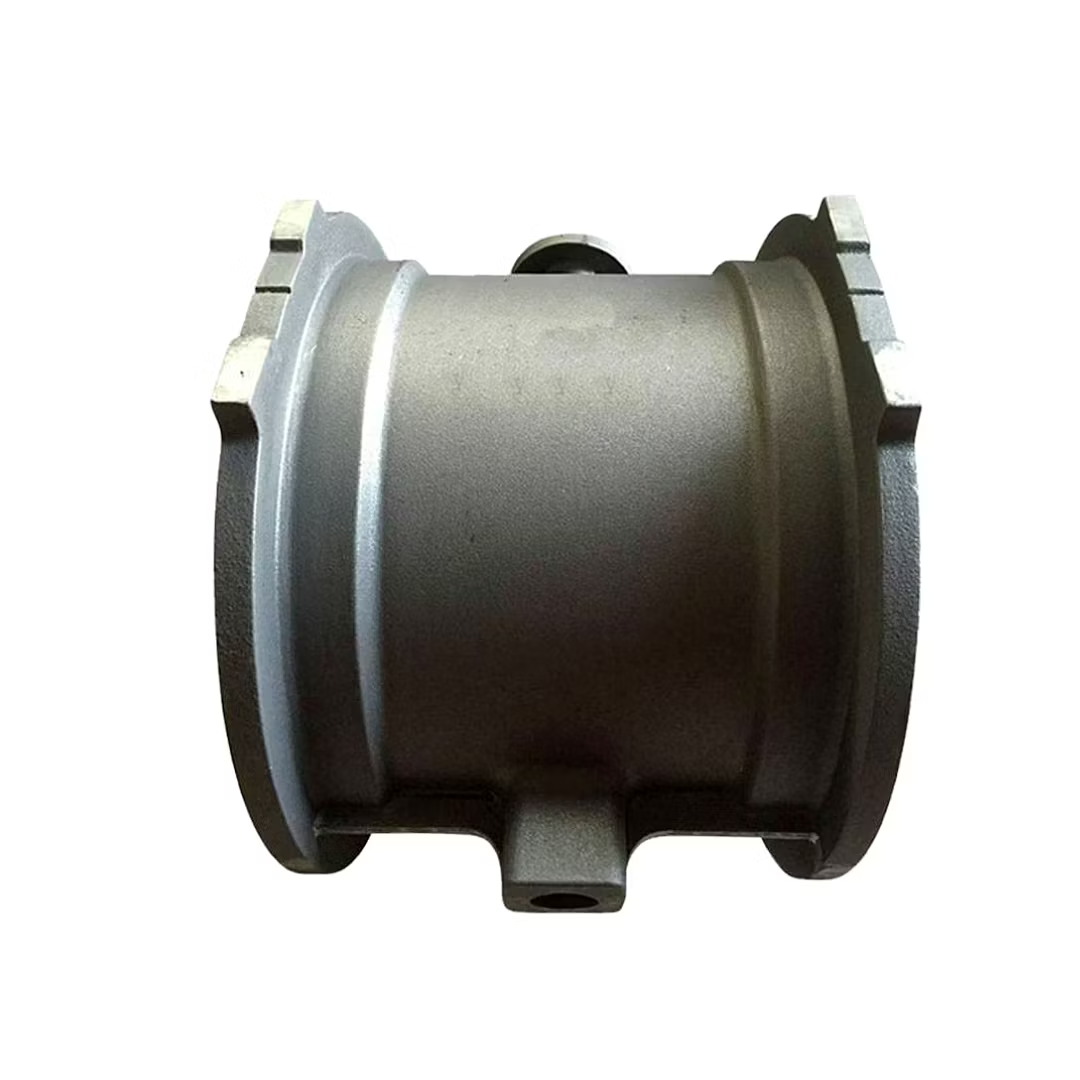
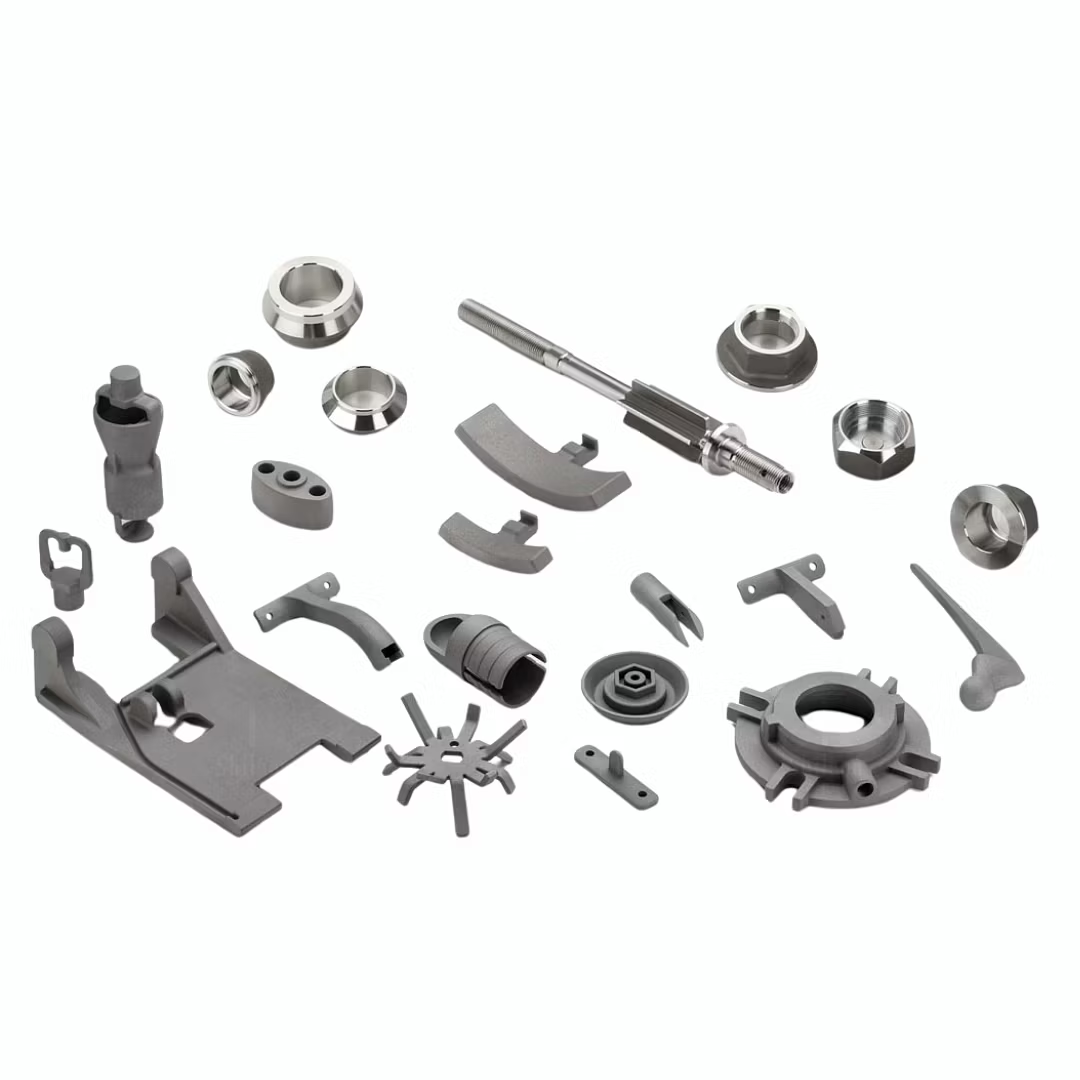
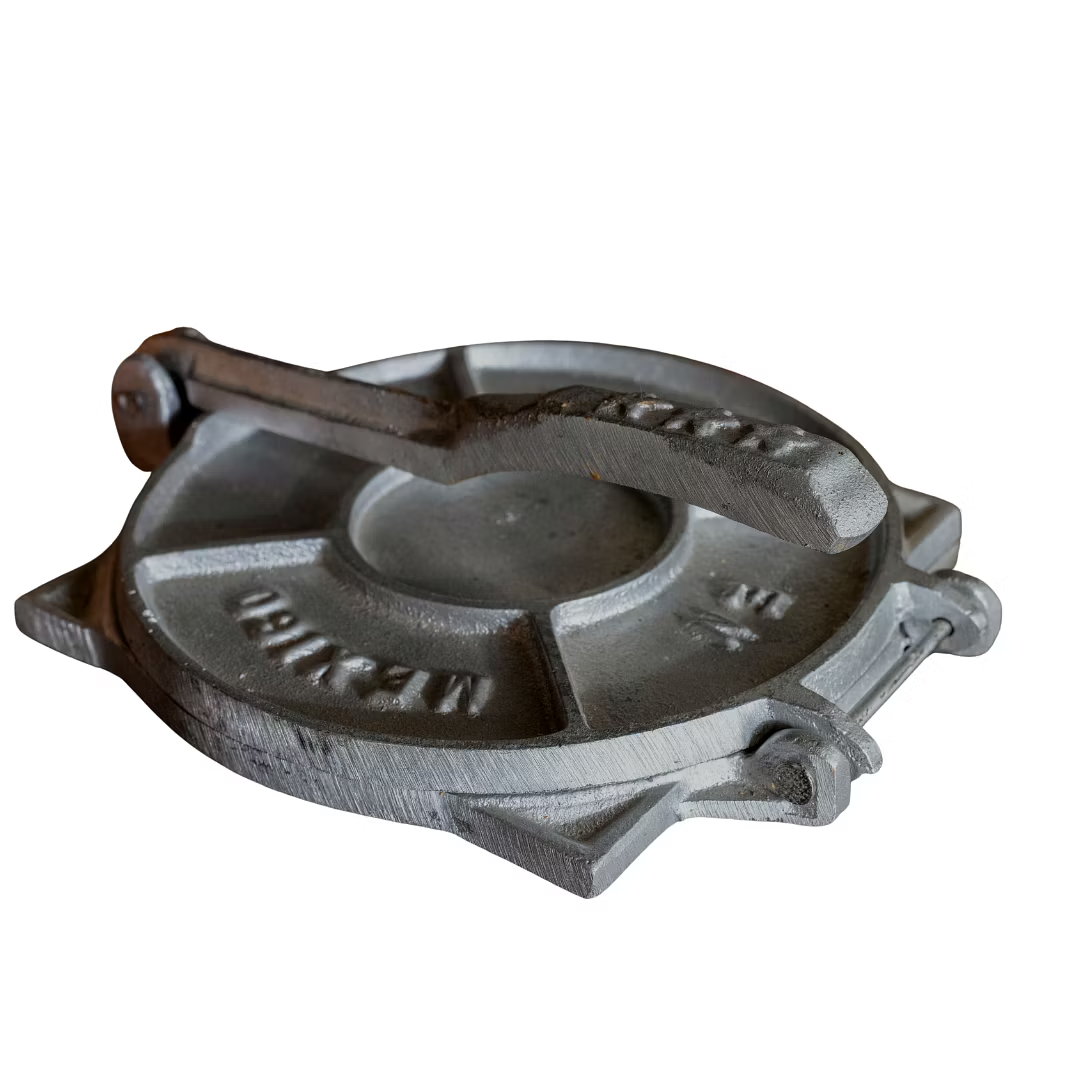
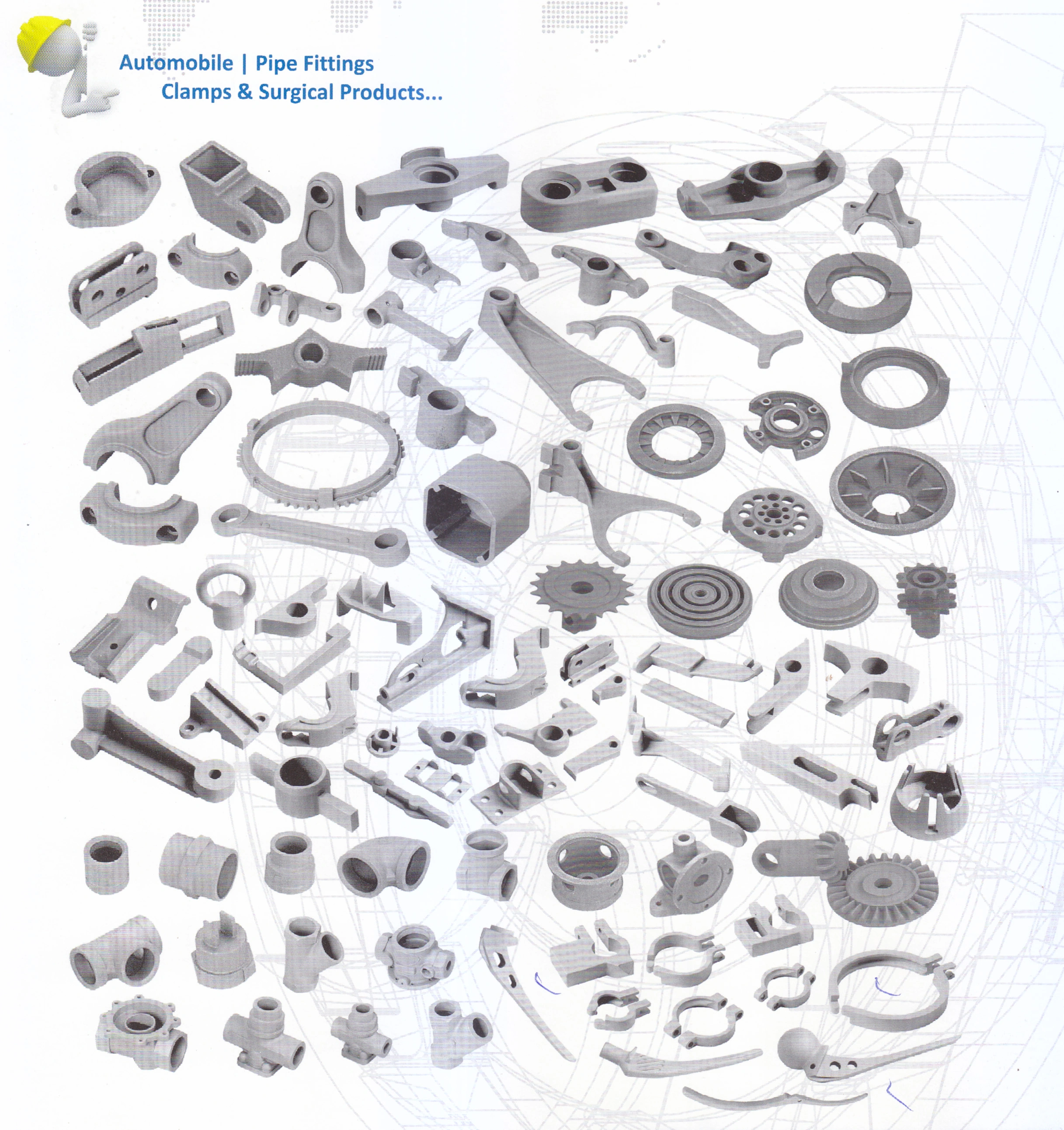
AUTOMOTIVE COMPONENT INVESTMENT CASTING
Sold by cmg founders & engineers · Manufacturer, Brand Owner, Exporter · Ahmedabad, Gujarat, India

Price
₹ 6.23 /Kilogram
In stock
Inclusive of all taxes
Minimum order: 1 Kilogram

Export Snapshot

MOQ
1 Kilogram
Lead time
Typically ranges from 4 to 12 weeks depending on complexity
Packaging
Standard export packaging
Shelf life / longevity
As per product specification
HS Code
73259930
Origin
India
Port of dispatch
On request
Export markets served
United Arab Emirates flag AE
Values shown are for cmg founders & engineers.
Compliance & Certifications
FIEO Registered FIEO Registered
Suitable for

Importers · Distributors · Wholesalers

Know your supplier

cmg founders & engineers is a Manufacturer, Brand Owner, Exporter based in Ahmedabad Gujarat India.

Ahmedabad Typically ranges from 4 to 12 weeks depending on complexity FIEO member
cmg founders & engineers logo

Manufacturer, Brand Owner, Exporter · Ahmedabad, Gujarat, India

We “CMG FOUNDERS & ENGINEERS” are pleased to introduce ourselves as a manufacturer, exporter and supplier of wide assortment of Investment castings. We have achieved a significant position in this industry with a strong presence in India and overseas. We Produce Customized Investment Casting as per customer requirements.

Registered address: Ahmedabad, India. Industry: Hardware & Tools > Mechanical Hardware.

Established
2000
Employees
1–10
GST
24ACKPS9343J1Z2
IEC code
0801007585
Export markets
United Arab Emirates flag AE
GlobalLinker Member Since
May 2024
Turnover
10000001 - 50000000.
Incorporation Type
On request
Product details

What are the specifications of this product?

Overview

Investment casting, also known as lost-wax casting, is a manufacturing process commonly used to produce intricate and precise components. In the automotive industry, investment casting is employed to create various components that demand high precision, intricate details, and high-performance materials. Here is an overview of the process and its application in automotive component manufacturing:

Product Description

Applications in Automotive Industry


Investment casting is particularly useful in the automotive industry for producing components that require high precision and durability. Examples include:


Engine Components:


Turbocharger wheels, turbine blades, and other intricate parts that need to withstand high temperatures and stresses.

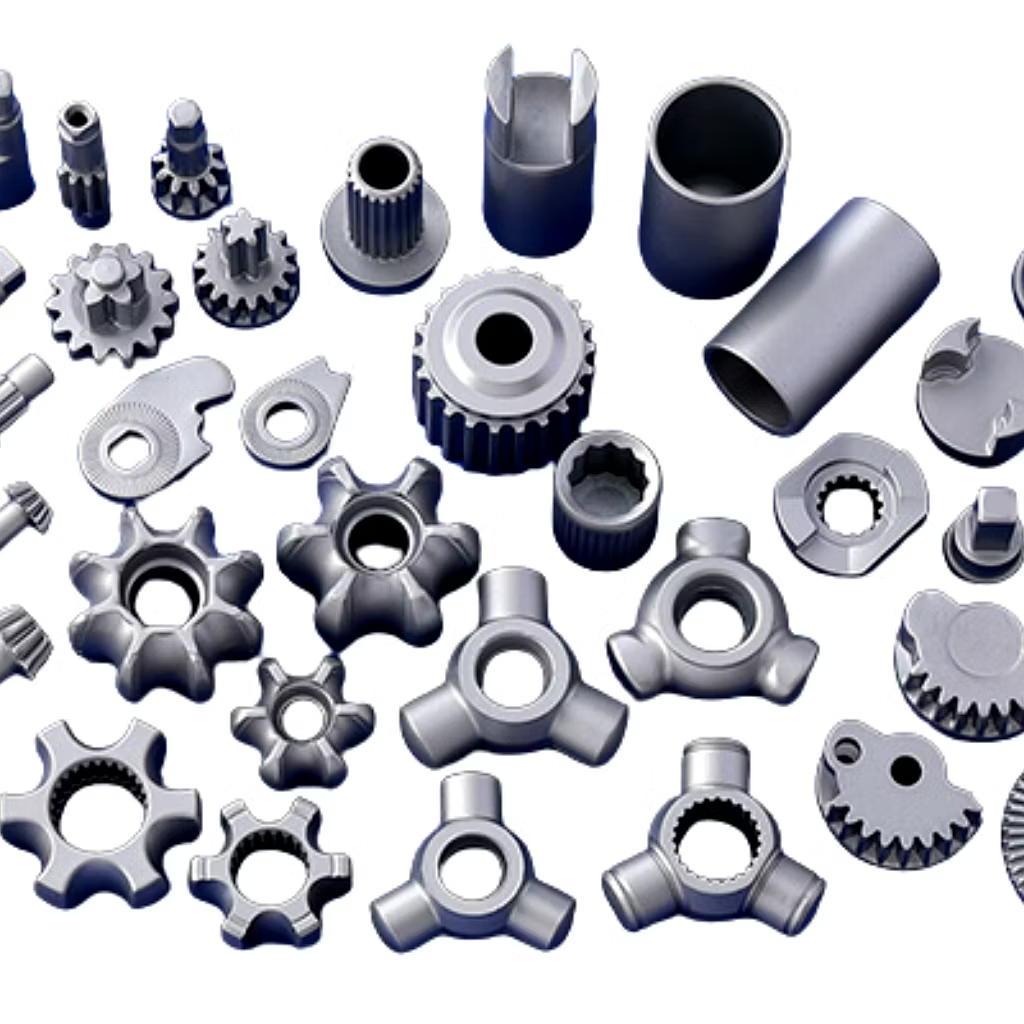
Transmission Components:


Gears, shafts, and other parts that require excellent surface finish and dimensional accuracy.

Suspension Parts:


Complex-shaped brackets, levers, and other structural components that benefit from the strength and weight savings of investment cast metals.

Exhaust System Components:


Manifolds, flanges, and other parts that need to resist high temperatures and corrosive gases.

Fuel System Components:


Fuel injector bodies and other parts that require precise tolerances and robust performance.


Advantages of Investment Casting for Automotive Components


Precision:


High dimensional accuracy and fine detail resolution, reducing the need for extensive machining.

Material Versatility:


Capability to cast a wide range of metals and alloys, including high-performance materials.

Complex Geometries:


Ability to produce components with complex shapes and internal features that would be difficult or impossible to achieve with other manufacturing methods.

Surface Finish:


Smooth surface finishes that can reduce or eliminate the need for secondary finishing operations.

Reduced Waste:


Near-net shape casting minimizes material waste and reduces the need for extensive machining.


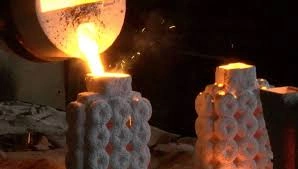
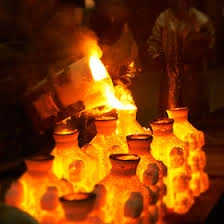
Investment casting, also known as the lost-wax process, is a manufacturing technique that produces complex, high-precision metal parts. It involves creating a wax pattern, coating it with a ceramic slurry to form a mold, melting the wax out, and then pouring molten metal into the mold. This process offers several benefits and advantages for various product profiles:


1. Intricate Designs and Complex Shapes: Investment casting excels at producing parts with intricate details, complex geometries, and thin walls. It can achieve shapes that are difficult or impossible to manufacture using other methods like machining or forging. This makes it ideal for products with complex designs, such as turbine blades, medical implants, and jewelry.


2. Excellent Surface Finish: The ceramic mold used in investment casting results in a smooth surface finish on the final product. This often eliminates the need for extensive machining or finishing operations, reducing production time and cost. This is particularly beneficial for products where surface quality is critical, such as decorative items or components requiring tight tolerances.


3. Tight Tolerances and Dimensional Accuracy: Investment casting can hold tight dimensional tolerances, ensuring that the final product closely matches the design specifications. This accuracy is crucial for parts that need to fit together precisely or function within strict parameters, such as aerospace components or precision instruments.


4. Wide Range of Materials: Investment casting can be used with a wide variety of metals and alloys, including ferrous and non-ferrous metals. This allows manufacturers to select the most suitable material for the product's intended application, considering factors like strength, corrosion resistance, and operating temperature.


5. Cost-Effectiveness for Large Production Runs: While the initial tooling cost for investment casting can be higher than some other methods, it becomes cost-effective for large production runs. The ability to produce multiple parts from a single mold and the reduced need for machining contribute to lower per-unit costs.


6. Reduced Material Waste: Investment casting is a near-net-shape process, meaning that the final product closely resembles the shape of the mold. This minimizes material waste compared to methods that require extensive machining, making it a more environmentally friendly option.


7. Design Flexibility: Investment casting offers designers great flexibility in terms of part size, shape, and complexity. It allows for the creation of parts with intricate internal and external features, undercuts, and complex curves. This freedom enables designers to optimize product performance and functionality.


8. Prototyping and Low-Volume Production: Investment casting is also suitable for prototyping and low-volume production runs. The process allows for the creation of high-quality prototypes to test and refine designs before moving to larger-scale production.


9. Applications Across Industries: Investment casting finds applications in a wide range of industries, including aerospace, automotive, medical, defense, jewelry, and general manufacturing. It is used to produce various components, such as engine parts, surgical instruments, structural components, and decorative items.

Description provided by cmg founders & engineers.

Specifications

Casting Method Investment Casting (Lost-Wax Casting)
Applications Engine Components, Transmission Gears, Suspension Parts, Exhaust Components, Fuel System Parts
Material Types Steel, Aluminum, Copper, Titanium, and other high-performance alloys
Dimensional Tolerance +/- 0.005 inches typically
Surface Finish Can achieve a surface finish as fine as Ra 10-20 µ-in
Maximum Size Varies by design; typically up to 100 lbs
Production Rate High production rates possible for bulk orders
Lead Time Typically ranges from 4 to 12 weeks depending on complexity

Use cases

Category machinery and tools > fabrication services > metal fabrication > forging and casting
Primary application Wholesale, distribution, and international sourcing
Brand customized
Product type Product

Logistics & handling

Lead time Typically ranges from 4 to 12 weeks depending on complexity
Packaging As per buyer requirement
Storage condition As recommended by supplier
Origin India
Form As listed by supplier

Commercials (this seller)

Minimum order 1 Kilogram
Lead time Typically ranges from 4 to 12 weeks depending on complexity
Payment terms As per negotiated commercial agreement.
Checkout type enquiry
Buyer questions

Frequently asked by buyers

Common questions B2B buyers ask before sourcing AUTOMOTIVE COMPONENT INVESTMENT CASTING. Answers compiled from verified sellers' commercial terms and platform data.

Q: What types of automotive components can be produced using investment casting?
A: Investment casting can be used to produce a wide variety of components including turbocharger wheels, turbine blades, gears, shafts, suspension parts, exhaust manifolds, and fuel injector bodies.
Q: What are the advantages of using investment casting for automotive components?
A: Investment casting offers high precision, material versatility, the ability to achieve complex shapes, superior surface finishes, and reduced material waste compared to traditional manufacturing methods.
Q: What materials can be used in the investment casting process?
A: A broad range of metals can be utilized in investment casting including steels, aluminum, copper, titanium, and various high-performance alloys.
Q: How does investment casting compare to other manufacturing processes in terms of precision?
A: Investment casting provides superior dimensional accuracy with tolerances as tight as +/- 0.005 inches, making it ideal for high precision automotive applications.
Q: What is the typical lead time for obtaining cast automotive components?
A: The lead time for investment casting varies but generally ranges from 4 to 12 weeks, depending on the complexity of the design and production volume.
Question not answered? Ask sellers directly — typical response within 4 hours.
AUTOMOTIVE COMPONENT INVESTMENT CASTING
₹ 6.23/Kilogram · MOQ 1Kilogram