1/8
Export Ready

ANTI VIBRATION MOUNTS
Sold by m.s.engineers · Manufacturer, Retailer, Distributor, Exporter, Wholesaler · Ahmedabad, Gujarat, India

Price
Price on request
In stock
Inclusive of all taxes
Minimum order: 1 Numbers

Export Snapshot

MOQ
1 Numbers
Lead time
On request
Packaging
Standard export packaging
Shelf life / longevity
As per product specification
HS Code
40169100
Origin
India
Port of dispatch
On request
Export markets served
Global markets
Values shown are for m.s.engineers.
Compliance & Certifications
Suitable for

Importers · Distributors · Wholesalers

Know your supplier

m.s.engineers is a Manufacturer, Retailer, Distributor, Exporter, Wholesaler based in Ahmedabad Gujarat India.

Ahmedabad Dispatch on request Verified seller
m.s.engineers logo

Manufacturer, Retailer, Distributor, Exporter, Wholesaler · Ahmedabad, Gujarat, India

Registered address: Ahmedabad, India. Industry: Rubber, Plastics & Polymers > Rubber Products.

Established
Not shared
Employees
GST
24AFLPS9108K1ZY
IEC code
Not shared
Export markets
Global markets
GlobalLinker Member Since
Jun 2026
Turnover
Incorporation Type
On request
Product details

What are the specifications of this product?

Overview

A rubber anti-vibration mount is a flexible, rubber-to-metal component used to isolate machinery from supporting structures. It acts as a shock absorber and flexible buffer, converting unwanted mechanical energy into heat to prevent vibrations and noise from transmitting into floors and walls. These mounts are essential for extending the lifespan of mechanical equipment and improving workplace safety. Key characteristics include: How They Work: The natural elasticity of the rubber absorbs and dampens dynamic forces and frequencies generated by equipment, preventing resonance and vibration transfer. Common Materials: They are typically composed of natural rubber or synthetic elastomers bonded to zinc-plated steel, mild steel, or stainless steel for easy, bolted installation. Key Benefits:  Noise Reduction: Significantly lowers structure-borne noise in buildings.Equipment Protection: Protects sensitive components from external shocks and reduces structural wear.Fail-Safe Design: Many feature interlocking metal designs that provide secure operation even if the rubber degrades. Applications: Commonly found in:Industrial machines (lathes, printing presses, textile machinery).HVAC systems (fans, compressors).Fluid pumps and small generators.Automotive engines and mounts. 

Product Description

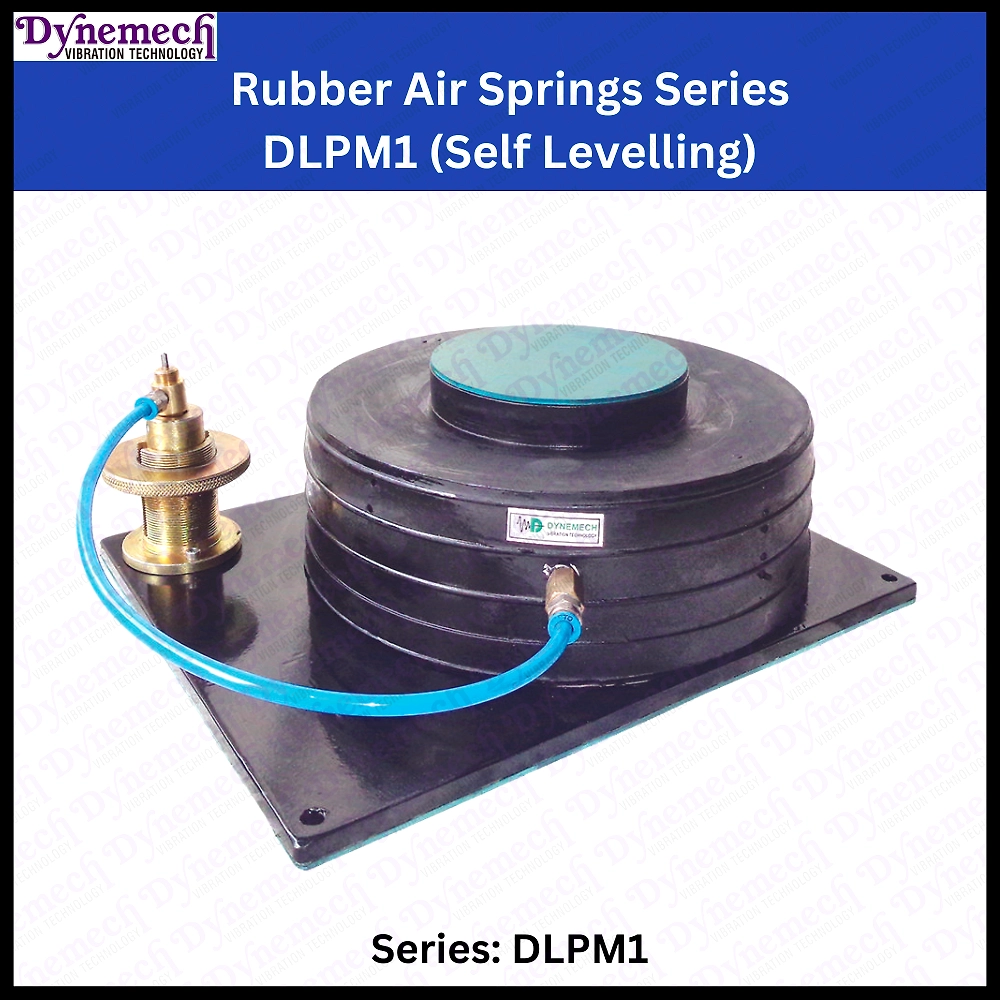
Rubber Anti vibration mountings are circular  made from elastomeric materials, designed to prevent the vibration Anti-vibration pad mountings are devices used to reduce the transmission of vibration, shock, and noise from machines or equipment to the supporting structure (such as floors, frames, or foundations). They are commonly placed between the machine base and the mounting surface.
      • An anti-vibration pad mounting typically consists of a resilient material such as:

        • Rubber , Neoprene , Polyurethane , Spring and elastomer combinations

        The pad absorbs mechanical vibrations by deforming slightly under load, converting vibration energy into heat and preventing it from spreading to surrounding structures.


        Main functions

        • Reduces equipment vibration and noise
        • Protects machinery components from vibration-related damage
        • Improves equipment stability and operating life
        • Prevents floor or structure damage
        • Improves operator comfort and safety

        Common applications

        • Motors and pumps
        • Compressors
        • Generators
        • HVAC units
        • Machine tools
        • Industrial equipment
        • Engines and vehicles

        Types

        1. Rubber anti-vibration pads – simple, economical, used for light to medium loads
        2. Neoprene pads – better resistance to oils and weather conditions
        3. Spring isolator mounts – used for heavy machinery and high vibration levels
        4. Elastomer mounts – used where flexibility and durability are required

        Selection factors

        • Equipment weight and load distribution
        • Vibration frequency
        • Operating speed
        • Environmental conditions (oil, heat, moisture)
        • Required vibration isolation level

        In short, anti-vibration pad mountings act as a buffer between vibrating equipment and its support structure, minimizing vibration transfer and noise.

        Their simple design and effectiveness make them a cost-efficient solution for challenges in various industries.

  • Description provided by m.s.engineers.

    Specifications

    Product Name ANTI VIBRATION MOUNTS
    Product Type Rubber anti-vibration mountings / pad mountings
    Material Composition Elastomeric materials
    Material Variants Rubber, neoprene, polyurethane, spring and elastomer combinations
    Metal Support Material Zinc-plated steel, mild steel, or stainless steel
    Working Principle Absorbs mechanical vibrations and converts energy into heat
    Primary Function Vibration, shock, and noise isolation
    Mounting Style Bolted installation
    Typical Placement Between machine base and mounting surface
    Applications Industrial machinery, HVAC systems, pumps, generators, automotive engines
    Benefits Reduces equipment vibration, protects machinery, improves stability, lowers noise
    MOQ 1 Numbers
    Store Name M.S.ENGINEERS

    Use cases

    Category Anti Vibration Mounts
    Primary application Wholesale, distribution, and international sourcing
    Brand Not specified
    Product type Product

    Logistics & handling

    Lead time On request
    Packaging As per buyer requirement
    Storage condition As recommended by supplier
    Origin India
    Form As listed by supplier

    Commercials (this seller)

    Minimum order 1 Numbers
    Lead time On request
    Payment terms As per negotiated commercial agreement.
    Checkout type enquiry
    Buyer questions

    Frequently asked by buyers

    Common questions B2B buyers ask before sourcing ANTI VIBRATION MOUNTS. Answers compiled from verified sellers' commercial terms and platform data.

    Q: What materials are used in these anti vibration mounts?
    A: They are made from elastomeric materials such as rubber, neoprene, polyurethane, or spring-and-elastomer combinations, with metal parts typically in zinc-plated steel, mild steel, or stainless steel.
    Q: What is the main function of this product?
    A: The mounts reduce transmission of vibration, shock, and noise from equipment to the supporting structure, helping protect machinery and improve operating stability.
    Q: Which industries commonly use these mounts?
    A: They are commonly used in industrial machinery, HVAC systems, motors, pumps, compressors, generators, machine tools, and automotive engines.
    Q: Are these suitable for OEM or factory direct supply?
    A: Yes, the product is suitable for OEM integration, wholesale supply, and factory direct procurement for industrial and automotive applications.
    Q: What is the minimum order quantity?
    A: The MOQ is 1 Numbers.
    Q: How are these mounts installed?
    A: They are typically installed by bolting them between the machine base and the supporting surface or structure.
    Q: What are the main performance benefits of using these mounts?
    A: They help reduce structure-borne noise, protect equipment from vibration-related wear, improve stability, and extend the operating life of machinery.
    Q: Are fail-safe designs mentioned for these mounts?
    A: Yes, many variants feature interlocking metal designs that help maintain secure operation even if the rubber element degrades over time.
    Question not answered? Ask sellers directly — typical response within 4 hours.
    ANTI VIBRATION MOUNTS
    ANTI VIBRATION MOUNTS
    Price on request · MOQ 1Numbers