Countries & Product's Trade Names
• Asia
o Vietnam: Niacin, Axit Nicotinic
o Thailand: Niacin, กรดนิโคตินิก
o Bangladesh: Niacin, Nicotinic Acid
• Europe
o Germany: Niacin, Nicotinsäure
o Netherlands: Niacine, Nicotinezuur
o Spain: Niacina, Ácido Nicotínico
• North America
o United States: Niacin, Nicotinic Acid
o Mexico: Niacina, Ácido nicotínico
o Canada: Niacin, Acide nicotinique
• South America
o Brazil: Niacina, Ácido Nicotínico
o Colombia: Niacina, Ácido nicotínico
o Argentina: Niacina, Ácido nicotínico
• Africa
o Nigeria: Niacin, Nicotinic Acid
o South Africa: Niacin, Nikotiensuur
o Egypt: نياسين, حمض النيكوتينيك
• Oceania
o Australia: Niacin, Nicotinic Acid
o New Zealand: Niacin, Nicotinic Acid
o Fiji: Niacin, Nicotinic Acid
Available Product Types for International Trade
The following variants are commonly traded internationally under this HSN code classification.
• Niacin (Nicotinic Acid) USP/BP/EP Grade: Purity > 99.5%
• Niacin Feed Grade: Purity > 99.0%
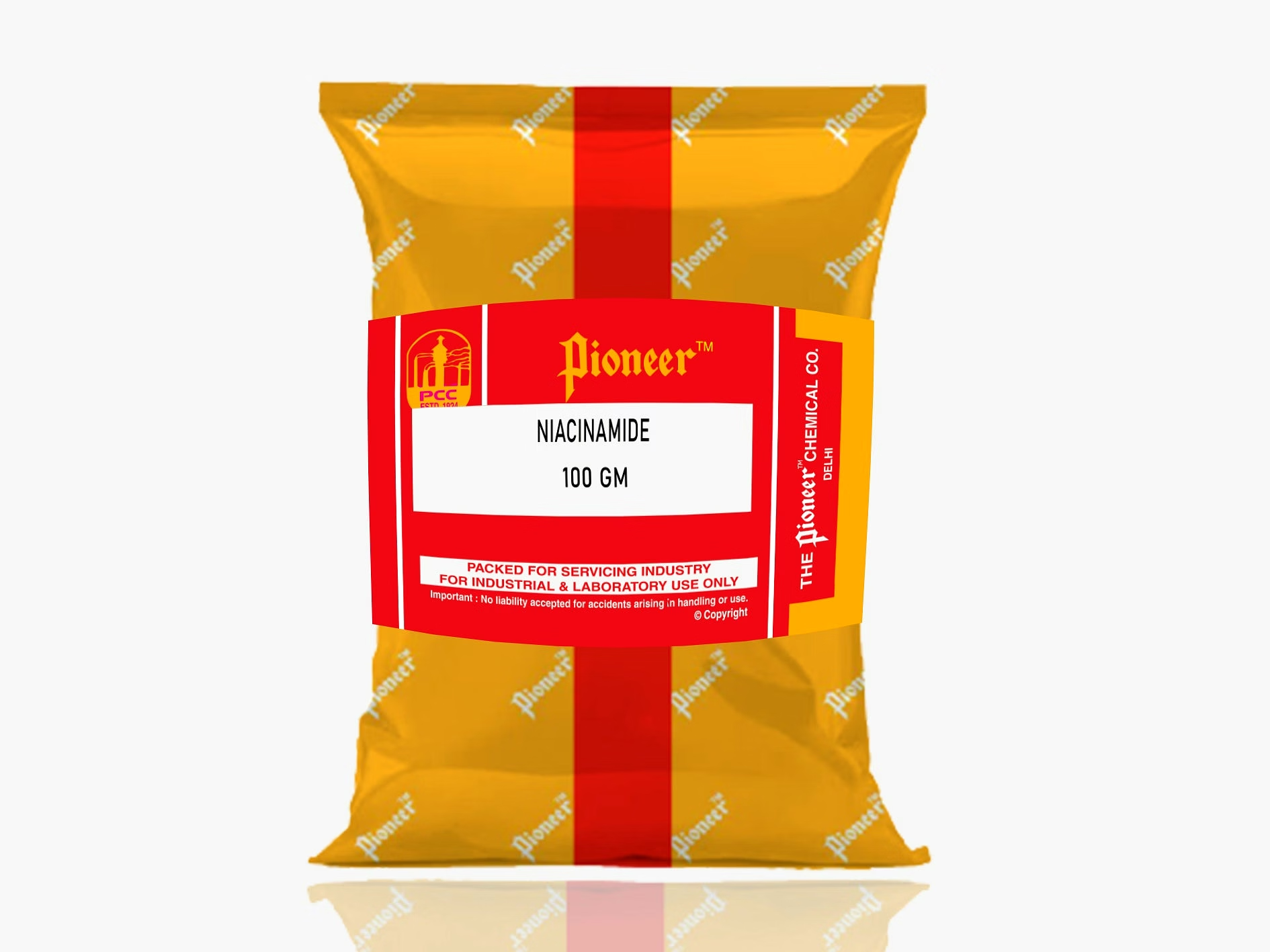
• Niacinamide (Nicotinamide): Purity > 99.0%
• Inositol Hexanicotinate (Flush-Free Niacin): Purity > 98.0%
________________________________________
HSN Code Specifics (Indian Government Rules)
The HSN code for Niacin is justified based on its fundamental chemical structure as per Indian customs regulations.
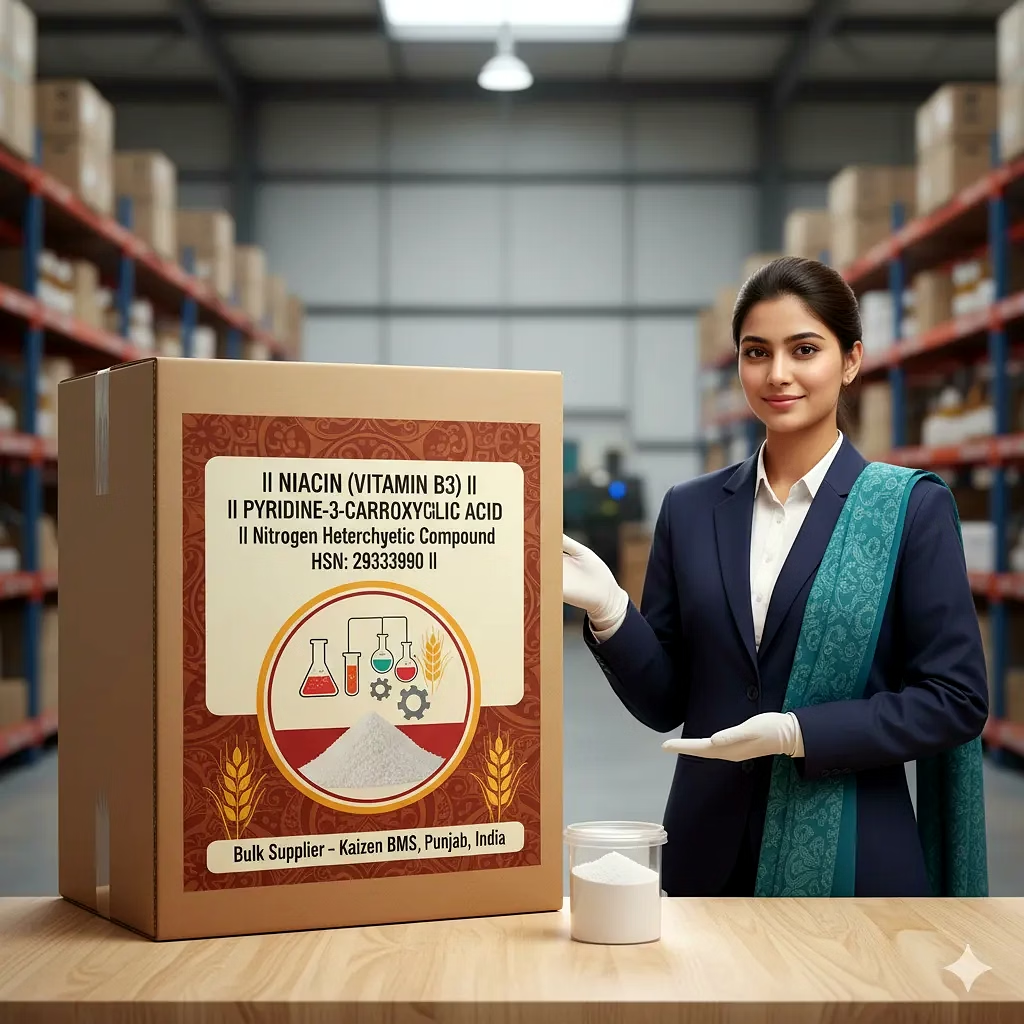
• Exact 8-digit HSN Code: 29333990
• Category (Chapter 29): Organic Chemicals
• Subcategory (Heading 2933): Heterocyclic compounds with nitrogen hetero-atom(s) only. This classification is used as Niacin, or Pyridine-3-carboxylic acid, is fundamentally a compound containing an unfused pyridine ring. While its function as a vitamin often places it under HSN 2936, this code is appropriate when classifying it based on its core chemical structure for industrial applications.
________________________________________
ParticularitiesChemical Profile
Here is the essential chemical identification information for our Niacin.
• IUPAC Name: Pyridine-3-carboxylic acid
• CAS Number: 59-67-6
• Chemical Formula: C6H5NO2
• Molar Mass: 123.11 g/mol
• EC Number: 200-441-0
Metabolism & Pharmacokinetics
Here are key metabolic details of Niacin in biological systems.
• Absorption: Rapidly absorbed from the gastrointestinal tract.
• Conversion: Metabolized into the active coenzymes Nicotinamide Adenine Dinucleotide (NAD) and Nicotinamide Adenine Dinucleotide Phosphate (NADP).
• Biological Half-life: Approximately 20-45 minutes.
• Excretion: Primarily excreted via urine as various metabolites.
• Peak Plasma Concentration: Reached within 30-60 minutes post-ingestion.
Safety & Regulatory Notes
We adhere to global safety standards for handling and transportation.
• GHS Pictogram: Warning symbol (exclamation mark).
• Hazard Statement (H319): Causes serious eye irritation.
• LD50 (Oral, Rat): 7000 mg/kg.
• Recommended PPE: Safety glasses, gloves, and respiratory protection (dust mask).
• Storage: Store in a cool, dry, well-ventilated area away from incompatible substances.
Nutritional Properties
Niacin is a crucial B-complex vitamin with significant nutritional value.
• Function: Essential for converting food into energy (ATP production).
• Coenzyme Forms: NAD and NADP.
• Dietary Reference Intake (Adult): 16 mg NE (Niacin Equivalents) for men, 14 mg NE for women.
• Deficiency Disease: Pellagra, characterized by dermatitis, diarrhea, and dementia.
• Role: Supports nervous system health, digestive system function, and skin health.
Physical Properties
The physical characteristics of our Niacin ensure consistency and quality.
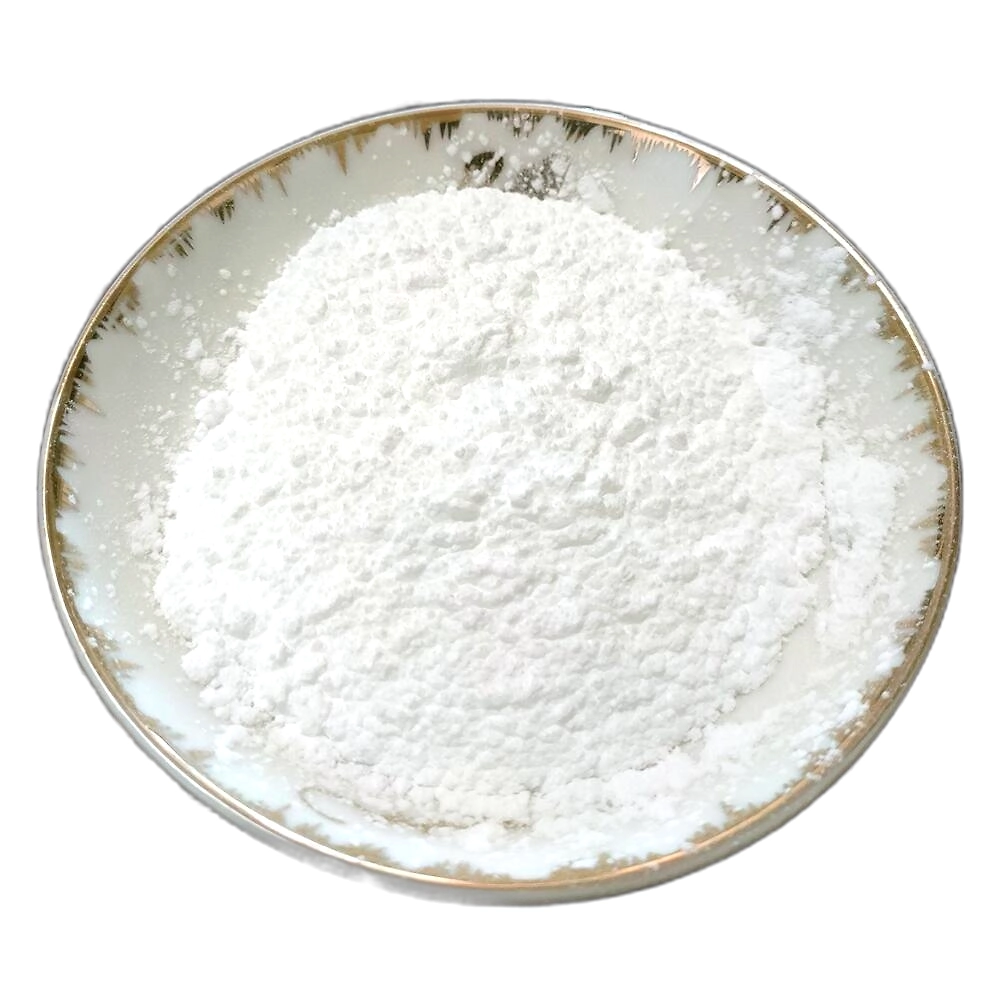
• Form at Room Temperature: White, crystalline powder.
• Melting Point: 236.6 °C (457.9 °F).
• Boiling Point: Sublimes.
• Solubility in Water: 16.7 g/L at 20 °C.
• Density: 1.473 g/cm3.
Chemical Properties
Understanding the chemical behavior of Niacin is key to its application.
• pH of Solution: Approximately 3.0-4.0 (for a 1% aqueous solution).
• Reactivity: Stable under normal conditions; reacts with strong oxidizing agents and strong bases.
• Stability: Highly stable to heat, light, and air in its dry form.
• Corrosivity: Non-corrosive to most standard metals.
• Chemical Class: Carboxylic acid, Pyridine derivative.
Manufacturing Profile
Our Niacin is produced using advanced, efficient, and scalable methods.
• Production Methods: Primarily via oxidation of 3-picoline or quinoline.
• Primary Production Method: Ammonoxidation of 3-picoline is the dominant commercial route.
• Typical Commercial Purity: > 99.5% (USP/BP grade).
• Forming Processes: Produced via chemical synthesis followed by crystallization, drying, and milling.
• Handling Requirements: Requires handling in well-ventilated areas with dust control systems.
Industrial Use
• Animal Feed: An essential additive in poultry, swine, and aquaculture feeds to promote growth and prevent deficiencies.
• Pharmaceuticals: Used as an active pharmaceutical ingredient (API) for managing cholesterol levels and in vitamin supplements.
• Food & Beverage: Widely used to fortify flour, cereals, and other processed foods to enhance nutritional value.
• Cosmeceuticals: Incorporated into skincare products for its anti-inflammatory and skin-barrier-strengthening properties.
• Chemical Synthesis: Serves as a precursor or intermediate in the synthesis of other organic compounds.
Market Overview
• Global Demand Drivers: Increasing health consciousness, growing demand for fortified foods, and expansion of the global animal feed industry.
• Leading Consumption Regions: Asia-Pacific (led by China and India) and North America are the largest consumers.
• Price Volatility Factors: Fluctuations in the cost of raw materials (like 3-picoline), energy prices, and global supply-demand dynamics.
• Emerging Growth Trends: Rising popularity of "flush-free" niacin derivatives and increased use in cosmeceuticals.
• Regulatory Environment: Governed by food and drug administrations globally, such as the FDA (USA) and EFSA (Europe).
Packaging
• Standard Packaging: Multi-layer kraft paper bags with an inner HDPE liner, typically 25 kg.
• Bulk Packaging: FIBC (Flexible Intermediate Bulk Container) or jumbo bags with capacities of 500 kg to 1000 kg.
• International Labeling: All packages comply with GHS and include product name, net weight, batch number, and manufacturer details.
• Palletization: Goods are securely palletized, shrink-wrapped, and strapped for containerized shipping stability.
• Moisture Protection: Use of desiccants and moisture-proof liners to ensure product integrity during transit.
Shipping
• Primary Mode of Transport: Containerized ocean freight is the most common and cost-effective method for international shipments.
• Standard Container Types: Shipped in 20-foot or 40-foot standard dry containers.
• Essential Safety Measures: Material Safety Data Sheet (MSDS) must accompany all shipments, and containers are sealed securely.
• Container Capacity: A 20-foot container can typically accommodate 18-20 MT of Niacin, depending on packaging.
• Cargo Stowage: Proper stowage practices are followed to prevent shifting and damage during sea transit.
Ports
We leverage India's extensive port infrastructure for efficient global exports.
• West Coast India
o Nhava Sheva (JNPT), Mumbai: India's largest container port with excellent connectivity to major global shipping lanes.
o Mundra, Gujarat: A modern, deep-draft port known for its quick turnaround times and advanced infrastructure.
o Kandla, Gujarat: Strategically located to serve markets in the Middle East, Europe, and Africa.
• East Coast India
o Chennai, Tamil Nadu: A key gateway for exports to Southeast Asia and the Far East.
o Visakhapatnam, Andhra Pradesh: A deep-water port capable of handling large vessels, facilitating bulk shipments.
o Kolkata, West Bengal: An ideal port for servicing markets throughout the Bay of Bengal region and neighboring countries.
INCOTERMS
We offer flexible shipping terms based on the universally recognized INCOTERMS to clarify trade responsibilities.
• FOB (Free On Board): We are responsible for all costs and risks until the goods are loaded on the vessel nominated by the buyer at the specified Indian port.
• CFR (Cost and Freight): We cover the costs to transport the goods to the destination port, but the risk transfers to the buyer once the goods are on board the vessel.
• CIF (Cost, Insurance, and Freight): Similar to CFR, but we also procure marine insurance against the buyer's risk of loss or damage during transit.
Payment Terms
Our payment structures are designed to provide security and convenience for international buyers.
• Full Advance: 100% payment is made via Telegraphic Transfer (T/T) before the shipment is dispatched, ensuring a quick and straightforward transaction.
• Sight Letter of Credit (LC): A secure method where payment is guaranteed by the buyer's bank upon presentation of compliant shipping documents.
• Advance + LC: A hybrid model combining a partial advance payment (e.g., 20-30%) with the remaining balance secured via a Letter of Credit.
________________________________________
Required Export Certificates from India
To ensure a smooth customs clearance process, all our Niacin shipments are accompanied by a comprehensive set of documents.
• Commercial Invoice & Packing List
• Bill of Lading (for sea freight) or Airway Bill (for air freight)
• Certificate of Origin (COO)
• Certificate of Analysis (COA)
• Material Safety Data Sheet (MSDS)
• Shipping Bill (filed with Indian Customs)
• Export Inspection Certificate (if required by importing country)
________________________________________
Implied Taxation (India)
• Domestic Trade in India: The sale of Niacin (HSN 293339) within India is subject to the Goods and Services Tax (GST) at a rate of 18%.
• Exports from India: Exports are "zero-rated" under the Indian GST regime. This means no tax is levied on the export invoice, and we can claim a refund of the GST paid on input materials, making our export pricing highly competitive.
________________________________________
Company Profile: Kaizen BMS
Kaizen BMS is your strategic global partner for sourcing high-value industrial products and raw materials from India. As a Government of India-recognized export house, we specialize in providing robust contract manufacturing solutions and seamless merchant exporting services. Our core philosophy is built on establishing long-term, trust-based relationships with international buyers. We offer unparalleled access to a network of reliable Indian manufacturers, ensuring consistent quality, competitive pricing, and a secure supply chain for essential chemicals like Niacin. Choose Kaizen BMS for a procurement experience defined by professionalism, reliability, and a commitment to your success.
Description provided by Kaizen Bms.


 FIEO Registered
Export Ready
FIEO Registered
Export Ready