Product Composition / Structure
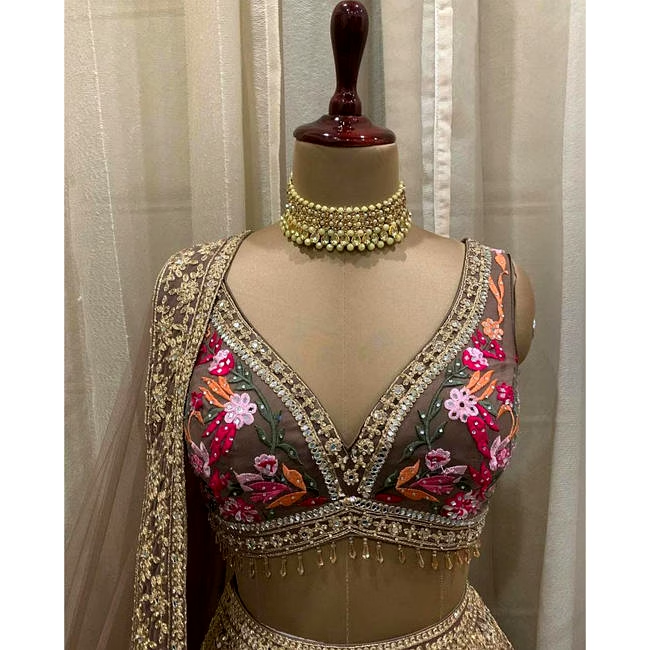
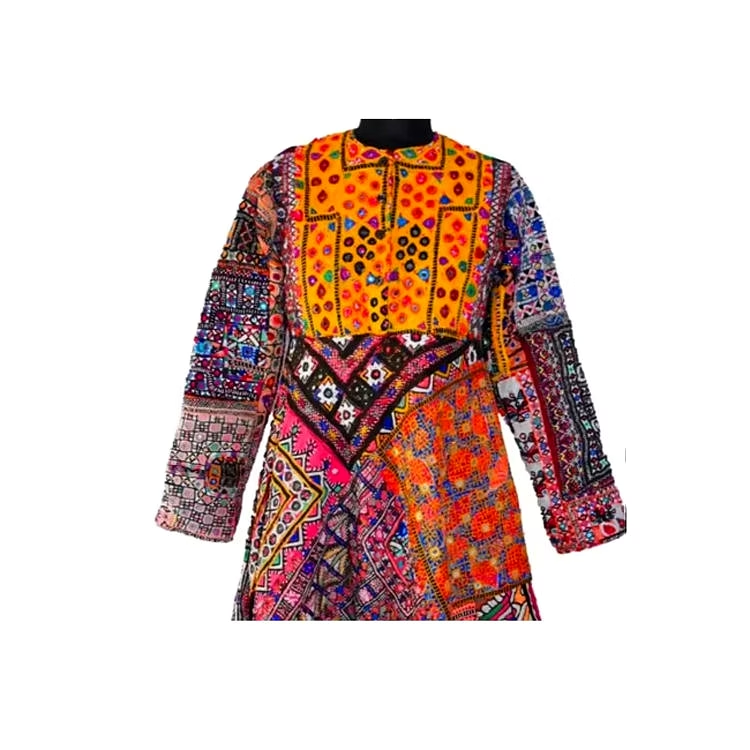
This variant uses 100% cotton construction with hand-embroidered panels. Cotton imparts breathability and a soft hand; thread selection is chosen to match colorfastness and tensile behavior to the base fabric. Panel seams employ reinforced stitch patterns where embroidery increases local stress points to prevent seam failure during wear and laundering.
Functional Performance & Operational Efficiency
Cotton garments require defined shrinkage allowances; pre-production wash tests establish expected dimensional change which is applied to grading. Colorfastness of both base fabric and embroidery is assessed using standard wash checks; this helps prevent bleeding and protects retailer returns rates. Operationally, hand-embroidered elements increase lead time and unit cost, so production planning groups embroidery runs into clear order bands.
Processing Insight
Key production steps: base cut-and-sew -> embroidery application -> finishing and pressing -> inspection -> packing. Embroidery is scheduled to avoid excessive handling of fragile trims. QA uses pull-tests on embroidered attachments and a visual match to approved samples. Batch-level documentation lists fabric lot, embroidery run, and carton codes for traceability.
Application & Industry Deployment
Distributor restock
Buyer role: merchandiser restocking artisan-themed ranges. Constraint: maintain handwork consistency across lots. Outcome: batch documentation and embroidery run logs allow accurate restock forecasting and reduce quality variance.
Retail chain stocking
Buyer role: store network buyer. Constraint: care and return profile for natural fibers. Outcome: clear wash-care labels and pre-shipment shrinkage tests reduce consumer returns and support store-level customer information.
Seasonal distribution planning
Buyer role: seasonal planner. Constraint: embroidery lead times and grouping for efficient runs. Outcome: consolidated embroidery schedules and clear sample approval windows enable timely seasonal deliveries.
Request for Quotation (RFQ) Inputs
- Reference sample or tech pack with embroidery placement
- Confirmation of 100% cotton composition and target gsm band
- Size-set plan and shrinkage tolerance
- Labeling and packaging requirements
- Quantity and desired delivery window
Frequently Asked Questions
- What is the MOQ for 100% cotton hand-embroidered afghani banjara dresses? MOQ is 50 units per style; embroidery complexity can affect lead time and minimum charge on trims.
- How does 100% cotton affect wholesale pricing? Natural fiber pricing reflects yarn quality and handwork hours; higher-grade cotton and dense embroidery raise unit costs.
- Are fabric care or material declarations available? Yes — fabric composition statements, shrinkage test reports, and colorfastness checks are supplied with shipments; documentation accompanies bulk cartons.
- What are the packaging options and lead times for bulk cotton dress shipments? Standard bulk carton packing with inner bags; lead time 15–25 days after sample approval. IEC Export License and GST Registration Certificate are available for download if needed.
Description provided by Fashion Mart.
100% Original Cotton Fabric
Hand Embroidered with Glass Beads
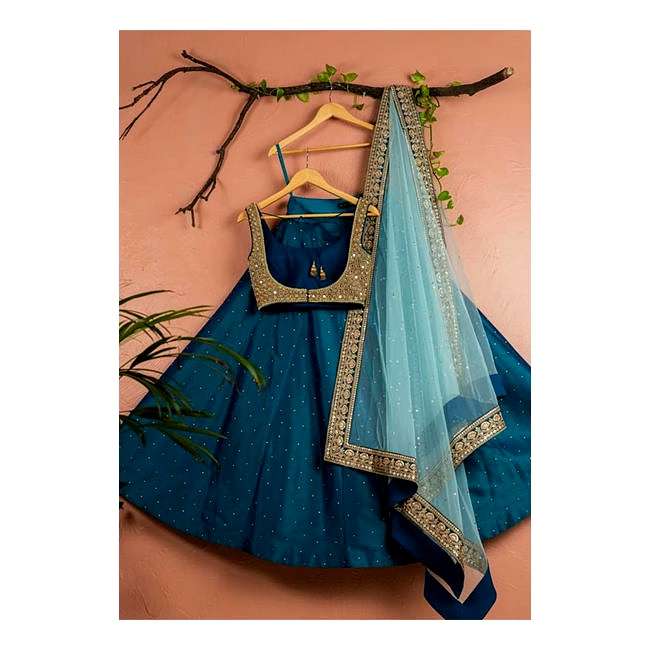
Afghani Banjara Traditional Pattern
Special Occasion, Festival, Boutique Kids Wear
Secure Hand Applied Bead Attachment
Wholesale with Bulk Order Readiness
Finished to International Retail Standards
International Export & B2B Buyers
Specifications
Embellishments
Hand Beaded Glass Beads
Product Type
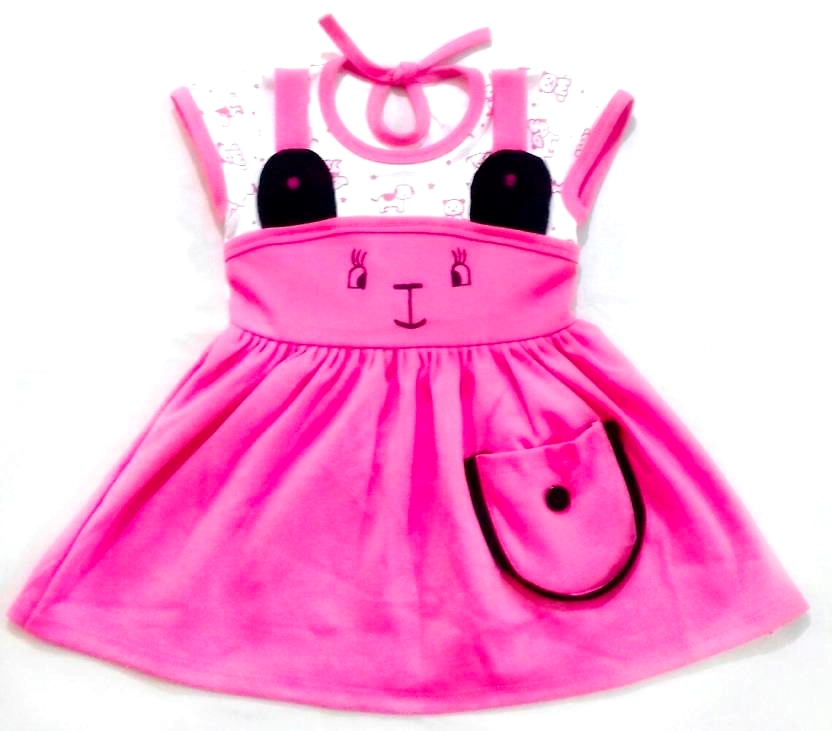
Afghani Banjara Kids Dress
End Use
Kids Fashion / Special Occasion Wear
Supply Type
Bulk Wholesale and Export Ready
Packaging
Bulk Packaging Suitable for Export
Care Instructions
Gentle Hand Wash Recommended
Market
International Wholesale and Export Markets